

How to Manage Laundry During a Longer Treatment Stay in Turkey
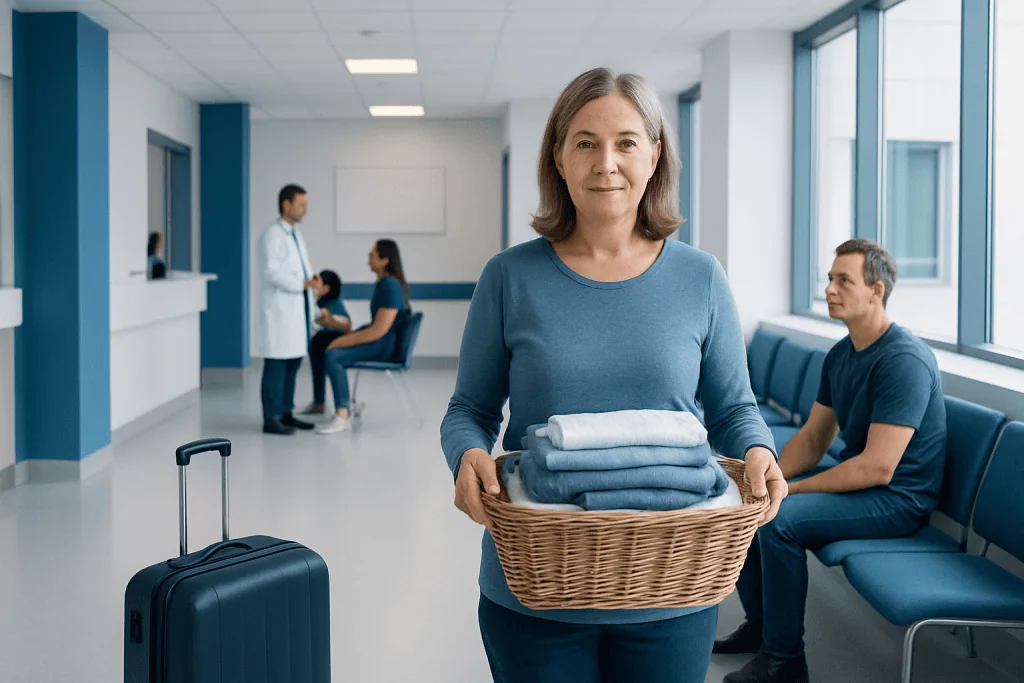
Pack a rotation of clothing for seven to ten days, then plan laundry once or twice a week. Most patients use hotel laundry, a local wash-and-fold shop, or a machine in a rental apartment. Keep treatment-related garments separate, follow your clinical team's care instructions, and avoid heavy lifting or long errands in the early days after a procedure.
Wondering how many shirts you really need, or how you will wash anything at all while recovering in a hotel room far from home? It is one of those small, practical worries that only becomes real once you have unpacked.
Learning to manage laundry during a longer treatment stay in Turkey makes the weeks feel less like living out of a suitcase. You do not need to overpack, and you do not need to spend recovery days hunting for a launderette. With a modest clothing rotation, a simple routine and a clear idea of the options near your accommodation, clean clothes become a background task rather than a daily concern.
At a glance
- Best approach: Pack for 7–10 days, then plan laundry once or twice a week.
- Common options: Hotel laundry, local wash-and-fold shops, apartment washing machines, or sink washing for small items.
- For hospital days: Keep easy-to-change essentials separate from everyday clothing.
- Useful preparation: A lightweight laundry bag, mesh bags, travel detergent and stain wipes.
- During recovery: Choose collection services or a companion’s help rather than carrying heavy bags yourself.
Start with a realistic laundry plan, not an oversized suitcase
For a stay lasting more than a week or two, packing a clean outfit for every day is tiring and rarely necessary. The simpler way to manage laundry during a longer treatment stay in Turkey is to bring a comfortable rotation of clothing for around seven to ten days, with extra underwear, socks and any garments you may need after treatment. Washing once or twice a week keeps that rotation working, reduces baggage weight and leaves suitcase space for medical records, medicines and personal comfort items.
Your routine will not be perfectly regular. Appointment days, rest days and how you feel after a procedure all shift the schedule, so build slack into it rather than counting on a fixed washing day. Choose clothes that are easy to wash, quick to dry and simple to put on: soft cotton tops, loose trousers, pyjamas and light layers. If you expect limited mobility, swelling or sensitivity around an incision, ask your clinical team before you travel what clothing will be most comfortable, front-opening tops and elasticated waists are common suggestions, but your team knows your specific plan.
Keep a small “immediate-use” set in your hand luggage or bedside bag: sleepwear, underwear, socks, a light cardigan, comfortable shoes and an outfit for travelling home. This set earns its place if checked luggage is delayed, if an overnight stay comes up unexpectedly, or if a companion needs to sort laundry while you rest. The same thinking applies inside the hospital: our guide to staying comfortable during a multi-day hospital stay in Turkey covers what to keep at the bedside in more detail.
- Pack dark or patterned basics that hide minor stains and mix easily.
- Bring two sets of sleepwear if you expect nights in hospital.
- Choose machine-washable fabrics wherever possible.
- Leave valuable, delicate or dry-clean-only clothing at home unless it is genuinely needed.
Know your laundry options in Istanbul and other Turkish cities
Most longer-stay accommodation offers at least one practical route: an in-house hotel laundry service, a nearby dry cleaner or laundry shop, or a washing machine inside a rental apartment. Each has a different balance of effort, speed and cost.
Hotel laundry is usually the easiest when you are tired or your appointment schedule is full. Items are collected from your room and returned folded or on hangers, typically within one to two days depending on the hotel. It is generally priced per item, which tends to make it the more expensive route for large loads: the trade-off is convenience. Ask reception about turnaround times, collection arrangements, whether express service exists, and whether they can separate colours or use fragrance-free products if your skin is sensitive.
Local wash-and-fold laundriesoften signed as çamaşırhane or kuru temizleme (dry cleaning), are common in residential neighbourhoods of Istanbul, Ankara, Izmir and other cities. Many charge by weight rather than per item, wash, dry and fold a full bag, and some offer pickup and delivery. Your hotel or apartment host can usually point you to the nearest reliable one. A translation app handles simple requests, but it is still worth labelling bags clearly and writing key instructions down.
Apartment machines give you the most control if you are staying in a serviced apartment or rental. Note that many Turkish homes have a washing machine but no tumble dryer; drying racks and balconies are the norm, so allow a day or more for air drying, particularly in winter or in humid coastal weather. Check the machine’s settings before your first load, most modern machines have symbols rather than text, and a 30°C cotton or synthetics cycle covers most everyday clothing safely.
Self-service launderettes exist in some districts but are less widespread in Turkey than in parts of Western Europe. If one is nearby and you are well enough to go out, it can be a quick option. But do not turn laundry into an unnecessary outing during recovery. If you have had sedation or surgery, have lifting restrictions, or simply feel unwell, hand the task to a companion, accommodation staff or a collection service instead.
Before handing clothing over anywhere, confirm three things: whether your items are washed separately from other customers’ laundry, the expected return date, and how the shop identifies each order. Photograph the contents of the bag if you are sending several items out, especially similar-looking basics. Weekends and Turkish public holidays can slow turnaround, so ask early rather than assuming next-day return.
Washing clothes without a machine: the sink method
Small items do not need a service at all. Underwear, socks and lightweight tops wash perfectly well in a hotel sink, and doing a handful every couple of days keeps your rotation going between proper laundry loads. The method is simple: fill the basin with cool or lukewarm water, add a small amount of travel detergent (or, at a pinch, a mild shampoo), soak for ten to fifteen minutes, gently agitate, rinse until the water runs clear, and press, never wring, the water out.
The faster-drying trick most experienced travellers use: lay the wet item flat on a dry towel, roll the towel up tightly, and press or briefly kneel on the roll. The towel absorbs most of the moisture, and the garment then air dries in hours rather than a full day. Hang items on a hanger near an open window or over the bathroom rail, not directly on painted radiators.
Two cautions. First, respect your own limits: wringing, scrubbing and leaning over a basin involve grip strength and bending that may be restricted after certain procedures, so check your activity guidance before treating sink washing as your main plan. Second, quick-dry synthetic fabrics make this method far easier than heavy cotton, worth remembering when you pack.
Protect comfort, hygiene and treatment-related essentials

During treatment, laundry is more than a household chore: clean, comfortable clothing supports hygiene and helps you feel prepared for appointments. Follow the guidance given by your clinical team, particularly if you have a wound dressing, a weakened immune system, specialist garments or a device that needs specific care. General household advice cannot replace the instructions your doctors and nurses give you for your situation.
Keep clothing soiled with blood, wound drainage, vomit or other body fluids separate from your usual laundry, and ask your care team how to handle it rather than guessing. Do not use strong chemicals, bleach or fabric products on medical garments unless the team confirms they are suitable.
If your treatment involves compression stockings, post-operative supports, specialist underwear or loose clothing around a treatment area, bring enough for rotation and ask specifically how they should be washed and dried. Many such garments need hand washing in cool water and air drying, and hotel laundry processes are not automatically suitable. Photograph the care label before you travel so the information survives even if the label fades or the garment goes to a service.
For everyday clothing, ordinary care labels are your guide. If you have eczema, fragrance sensitivity or generally reactive skin, ask for unscented detergent where available or bring a small supply of your own. Rewash anything that comes back feeling uncomfortable rather than tolerating a product that irritates your skin. And keep laundry decisions separate from medication decisions entirely, if your stay runs long enough that supplies become a question, that is a different topic, covered in managing prescription refills during a longer stay in Turkey.
Make laundry easier when you are resting or have limited mobility
Energy varies from day to day during recovery, and it is entirely reasonable to simplify household tasks. Put a lightweight laundry bag or small basket somewhere you can reach without bending to the floor. Keep a second bag for clean clothes so the room stays organised even when laundry is collected and returned on different days.
If you are travelling with a companion, agree a simple routine in advance: collect worn clothing every few days, keep delicate or medical items in their own bags, and check there is enough clean clothing before each hospital appointment. Your companion should also understand any garment-care or hygiene instructions your clinical team has given, since they may be the one briefing a laundry service.
If you are travelling alone, the easiest way to manage laundry during a longer treatment stay in Turkey is to choose the lowest-effort option available, hotel collection or a wash-and-fold service with pickup, and set it up in your first days rather than waiting until you are tired and out of clean clothes. Hotel reception, apartment hosts and hospital international patient coordinators are the usual sources of local knowledge about which services operate near your accommodation.
Whatever the arrangement, do not carry heavy bags, reach into high machines or stand for long periods if you have been advised against these movements. A collected and delivered load is often the safer choice in the early days after treatment, and small routines like this also protect morale, feeling organised in a foreign city genuinely helps, a theme explored further in managing homesickness during a longer treatment stay in Turkey.
Label, separate and keep track of your belongings
A few small habits prevent most laundry problems. Use separate mesh or zip bags for underwear, delicates, socks and treatment-related garments. A written note inside the bag can list your room number and a contact, plus short instructions such as “separate colours”, “air dry” or “no fabric softener”.
Never send anything to a laundry that is not clothing. Check every pocket before collection, after hospital visits you may be carrying appointment cards, prescription slips or small personal items. Passports, receipts, medications, medical documents, jewellery and cash have all been lost this way, and pockets are the usual culprit. If your hotel uses a laundry form, photograph the completed form and keep the receipt until everything is back.
When laundry returns, check it promptly while the service is still easy to reach. Count key items, confirm that specialist garments came back and were handled as instructed, and set aside anything damaged or wrongly cleaned. Problems are far easier to resolve within a day, with a collection slip in hand, than a week later from memory.
If you are travelling with a companion, consider keeping your loads separate when either of you has special washing needs. Separate bags make it simpler for a service to follow instructions and easier for you to see when the next load is due.
Prepare for discharge, onward travel and the journey home
In your final days, do one planned laundry load rather than leaving everything until packing day. This gives you clean travel clothes and buffer time for slow returns or air drying. Ask about turnaround early, hotel and local schedules tighten around weekends and public holidays, and an item stuck at a laundry on departure morning is an avoidable stress.
Pack clean clothing separately from items you plan to wash at home. A sealed bag works well for worn clothes or anything needing attention after arrival. Keep wound-care supplies and other health items away from laundry bags entirely, and follow your care team’s instructions about what travels with you and how.
For the journey itself, choose loose layers, comfortable underwear and footwear that is easy to put on and remove, airport security and long seated periods both reward this. Any travel, movement or garment advice from your clinical team takes priority over general packing tips, so ask your remaining questions before discharge rather than after. If your treatment schedule shifts and your stay extends beyond the original plan, laundry is only one of several arrangements to revisit; see when a hospital stay in Turkey becomes longer than planned for the wider picture.
Step by step
- Pack a 7–10 day clothing rotation. Comfortable, washable, mix-and-match pieces, extra underwear and socks, plus any treatment-specific garments your clinical team has recommended. Keep a small immediate-use set in hand luggage.
- Ask your accommodation about laundry before or on arrival. Confirm whether there is hotel laundry, an in-room machine, a pickup service or a recommended local wash-and-fold shop, and ask about turnaround, collection days and special requests such as air drying or fragrance-free detergent.
- Set up two bags in your room. One for worn clothing, one for clean. Keep medical garments and delicates in clearly labelled separate bags so they cannot be washed incorrectly.
- Schedule laundry around your treatment plan. Pick days without demanding appointments. During early recovery, use collection services or a companion rather than carrying loads yourself.
- Give clear written instructions. Label the bag with your room and contact details and note any special requirements. Photograph the contents when sending out specialist garments or several similar items.
- Check returned items promptly. Count key pieces, inspect delicate garments, confirm special-care instructions were followed, and keep the receipt until you have checked everything.
- Do a final load a few days before departure. Allow time for delays or air drying. Pack clean travel clothing separately and seal worn items in a dedicated bag for the journey home.
Your checklist
- Comfortable, machine-washable clothing for 7–10 days
- Extra underwear, socks and sleepwear
- A lightweight laundry bag or foldable hamper
- Mesh bags for delicate or treatment-related garments
- Travel-size detergent (fragrance-free if your skin is sensitive)
- Stain-removal wipes or a small stain treatment product
- A universal sink plug or flat drain cover for hand washing
- A travel clothesline or a few clip hangers for air drying
- A sealable bag for worn clothing during travel
- Photos of care labels for specialist garments
- A note with laundry instructions and accommodation contact details
Key takeaways
- Packing for seven to ten days and washing regularly beats hauling an oversized suitcase.
- Hotel laundry, neighbourhood wash-and-fold shops and apartment machines are the common options across Turkish cities; self-service launderettes are rarer.
- Sink washing keeps small items in rotation between loads, press water out with a towel, never wring, and respect any activity restrictions.
- Keep treatment-related garments and anything soiled separate, and follow your clinical team’s care instructions over general advice.
- Labels, separate bags, emptied pockets and kept receipts prevent most lost-item problems.
- Plan a final laundry load a few days before departure, not on packing day.
Frequently asked questions
Should I pack enough clothes for my entire treatment stay in Turkey?
Usually not. For a longer stay, a seven- to ten-day rotation plus regular laundry is more manageable than a very heavy suitcase, and it leaves room for medical records and comfort items. Bring extra essentials only if your treatment plan or mobility needs would make frequent washing genuinely difficult.
How do I do laundry in Turkey?
The main options are hotel laundry (collected from your room, priced per item), neighbourhood wash-and-fold shops (often priced by weight, sometimes with pickup and delivery), and washing machines in rental apartments. Self-service launderettes exist in some districts but are less common than in Western Europe. Tumble dryers are also less common in homes, so allow time for air drying.
How can I wash clothes without a washing machine while travelling?
Wash small items in the sink with a little travel detergent: soak, agitate gently, rinse thoroughly, then press the water out. Rolling the wet garment in a dry towel and pressing removes most moisture, so items air dry within hours. Quick-dry fabrics make this much easier. Avoid wringing or prolonged bending if your care team has restricted those movements.
Can female tourists wear shorts in Turkey?
Yes. In cities, resort areas and hospital settings, shorts and other ordinary summer clothing are common and unremarkable, particularly in Istanbul, Antalya and coastal towns. When visiting mosques, women are expected to cover shoulders, knees and hair, and men to cover knees: a light scarf and loose layer in your bag covers this easily. For treatment days, loose comfortable clothing usually matters more than any dress-code question.
Can my hotel help with laundry during my treatment stay?
Many hotels offer an in-house laundry service or can recommend a nearby provider. Ask about turnaround time, collection arrangements and whether they can follow instructions for delicate, air-dried or fragrance-sensitive items. Photograph any laundry form you complete and keep it until everything is returned and checked.
What should I do with clothing soiled during recovery?
Keep it separate from ordinary laundry and follow the instructions given by your doctors and nurses. If an item is soiled with blood, wound drainage or other body fluids, ask your care team how to handle it rather than relying on general laundry advice: the right approach depends on your treatment and any infection-control needs.
How should I wash compression garments or other medical clothing?
Follow the garment’s own care instructions plus any guidance from your clinical team. Many require gentle or hand washing in cool water, specific detergents and air drying, hotel laundry processes are not automatically suitable, so check before sending them out. Keep these items in a separate, labelled bag and photograph the care label before you travel.
Add us as a Preferred Source to see more of our trusted health content across Google Search, AI Overviews and Discover.

Update history
- PublishedAugust 21, 2026
- Medical review approvedSeptember 2, 2026
- Last content updateSeptember 2, 2026
More Patient Guides

When a Hospital Stay in Turkey Becomes Longer Than Planned: What to Arrange
If your hospital stay in Turkey is longer than planned, arrange medical updates, accommodation, travel changes, insurance and support for your companion.

Waiting for Test Results in Turkey: How to Use Time Between Appointments
Waiting for test results in Turkey is easier with a clear plan for appointments, rest, records, questions and support in Istanbul.

Unexpected ICU Stay in Turkey: What Patients and Families Should Expect
Unexpected ICU stay in Turkey: learn what patients and families can expect, from communication and visiting to care updates and travel support.

How to Manage Special Diets During Medical Travel in Turkey
Special diets during medical travel in Turkey are easier to manage when you share your needs early, confirm meals and carry safe…