

How to Spot Red Flags When Comparing Hospitals in Turkey

Choose the hospital that answers questions clearly. Check that its accreditation is real by looking it up on the accrediting body's own website, and confirm the exact facility name and address where your treatment and recovery will happen. Warning signs: guaranteed outcomes, pressure to pay fast, vague answers about doctors or aftercare, and quotes with no written breakdown.
You have two or three quotes open in different browser tabs, and one of them is much cheaper than the others. Which do you trust? When you compare hospitals in Turkey, the safest choice is usually the one that is transparent, accredited, easy to reach, and realistic about your treatment journey.
This guide helps you spot warning signs early, so you can ask better questions and travel with more confidence.
At a glance
Best first check: Look for recognized accreditation, such as JCI, and verify it directly. Common red flag: Vague answers about doctors, risks, hospital location, or aftercare. What good hospitals provide: Clear treatment plans, named teams, interpreters, and written logistics support. Be cautious of: Pressure to pay quickly, guaranteed outcomes, or communication only by sales-style messaging. Before you travel: Confirm who treats you, where treatment happens, what is included, and what happens if plans change.
At a glance
- Best first check: Look for recognized accreditation, such as JCI, and verify it directly.
- Common red flag: Vague answers about doctors, risks, hospital location, or aftercare.
- What good hospitals provide: Clear treatment plans, named teams, interpreters, and written logistics support.
- Be cautious of: Pressure to pay quickly, guaranteed outcomes, or communication only by sales-style messaging.
- Before you travel: Confirm who treats you, where treatment happens, what is included, and what happens if plans change.
Why red flags matter before you book
If you are traveling abroad for care, the hospital you choose affects much more than the treatment itself. It shapes how clearly you understand the plan, how safely your case is reviewed, how smoothly your travel works, and what support you receive if something changes. A hospital can look impressive online, yet still leave important questions unanswered.
That is why it helps to slow down and compare hospitals in a structured way. Rather than focusing only on a headline offer or a fast reply on messaging apps, look at the full patient journey: medical review, communication, hospital standards, travel planning, inpatient care, discharge, and follow-up. Reliable hospitals make this process easier to understand, not harder.
For international patients, practical support is part of safety. Hospitals with established international patient services, such as Acibadem International, usually explain the pathway in a more organized way, including records review, interpreter support, accommodation guidance, and what to expect on arrival. Even if you are still comparing providers, this level of structure is often a good sign.
Start with accreditation, licensing, and where care actually happens
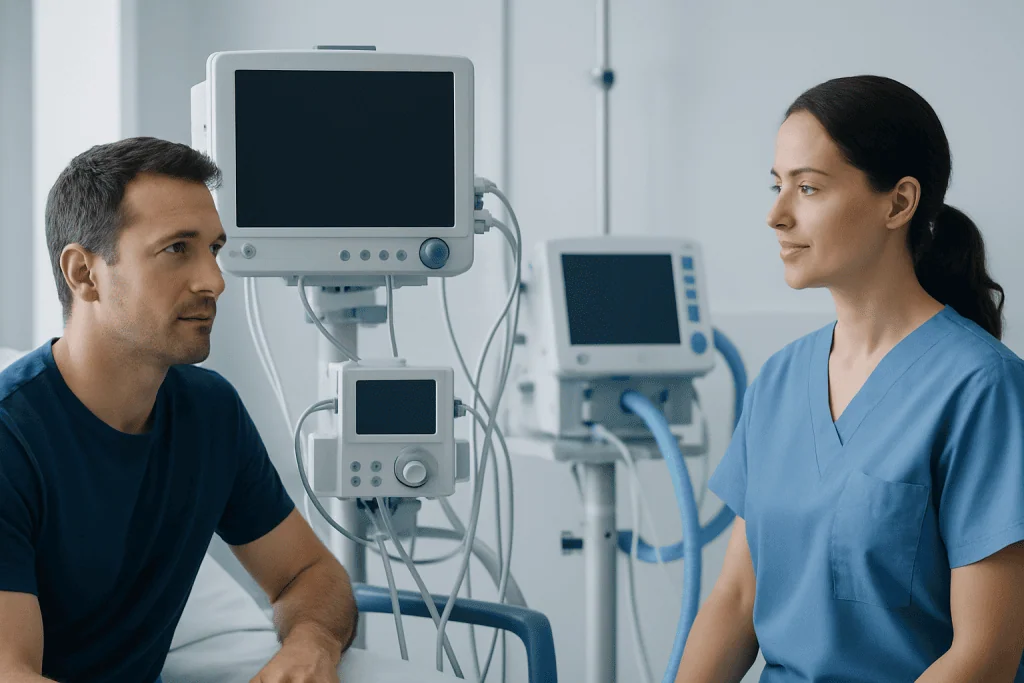
One of the first things to check is whether the hospital holds recognized accreditation and whether it is properly licensed to provide the treatment you need. Accreditation does not guarantee a perfect experience, but it does show that the hospital is assessed against defined standards for quality and safety. If a hospital claims accreditation, verify it on the accrediting body’s website rather than relying only on a social media post or brochure.
You should also confirm the exact hospital where your care will take place. A common red flag is when a company promotes one well-known hospital brand in general terms but does not clearly state the actual facility, address, or department. If they avoid naming the site of care, or if your procedure may be moved between unrelated clinics without explanation, ask more questions before paying anything.
Good questions include:
- Is the hospital internationally accredited?
- Can you share the full hospital name and location in Istanbul or elsewhere in Turkey?
- Will all treatment, tests, and recovery happen in the same facility?
- Who is responsible if I need an ICU, a second specialist opinion, or an unexpected overnight stay?
Large healthcare groups such as Acibadem International can often explain these points clearly because care is delivered within established hospital systems, including JCI-accredited hospitals and multidisciplinary teams. The key is not the brand name alone, but whether the information is specific, verifiable, and consistent.
Watch how they communicate: clarity is a safety signal

The way a hospital or coordinator communicates with you before travel tells you a lot about what the experience may be like later. A trustworthy team usually answers questions directly, explains what they know and what still needs doctor review, and puts important details in writing. You should not feel rushed, confused, or pushed to decide before your records have been properly assessed.
Red flags in communication include copied-and-pasted replies that do not address your actual case, unusually quick promises without reviewing your reports, and evasive answers when you ask about risks, alternatives, or recovery. Another warning sign is when all communication feels purely commercial, with little sign of medical coordination. International treatment should involve a real clinical review, not only a sales conversation.
Language support matters too. If you are not comfortable discussing your health in English or Turkish, ask whether professional interpreters are available during appointments, consent, and discharge. Hospitals with established international patient departments, including Acibadem International, typically organize this in advance. Clear communication is not a luxury; it helps prevent misunderstandings about tests, timing, medication, and follow-up.
Be careful with promises, prices, and package wording
Most patients understandably compare hospitals by package offers, but price alone is not a reliable measure of value or safety. Extremely low quotes can mean important items are excluded, such as pre-operative testing, extra imaging, pathology, medication, overnight observation, management of complications, or follow-up visits. If a quote looks much lower than others, ask for a line-by-line explanation of what is and is not included.
Another major red flag is any guarantee of results. No responsible hospital should promise a perfect outcome, a fixed recovery speed, or certainty that no complications can happen. Good providers explain expected benefits, possible risks, and what may change once the doctor examines you in person. Realistic language is usually more trustworthy than dramatic promises.
Before you commit, ask for written confirmation covering:
- What the quoted package includes
- What may create additional costs
- Whether your treatment plan can change after in-person examination
- What refund or rescheduling rules apply
- Who covers extra nights or extra tests if medically needed
If a hospital or agency resists written details, asks for urgent payment to “lock today’s deal,” or avoids explaining cancellation terms, treat that as a warning. Transparency around costs and contingencies is one of the clearest signs of an organized provider.
Check the medical pathway, not just the marketing
A polished website does not tell you how your care will actually be organized. What matters is whether there is a proper medical pathway from the first review to discharge and follow-up. Ask how your records are evaluated, whether specialists from different departments can be involved if needed, and what happens if your test results on arrival differ from what was expected.
Hospitals that care for international patients regularly should be able to explain practical details: when you will see the doctor, whether new tests are needed after arrival, how consent is handled, who you contact out of hours, and how discharge instructions are shared. In more complex cases, multidisciplinary discussion can be especially important. That means your case may be reviewed by more than one specialist instead of being handled in isolation.
This is one reason many patients feel more secure in larger hospital systems such as Acibadem International, where multiple specialties, imaging, operating facilities, and inpatient services are integrated under one roof. When comparing hospitals in Turkey, ask whether those services are actually available at the site where you will be treated, rather than assumed.
Do not overlook aftercare, records, and what happens if plans change
Many patients focus on arrival and treatment day, but aftercare is where hidden problems often appear. A hospital should tell you what follow-up is included, how you receive your reports, how medication instructions are explained, and who you contact once you leave the hospital or return home. If the answer is vague, or if you are simply told to message someone informally later, that is a red flag.
You should also ask what happens if your travel dates change, your fitness for treatment changes, or the doctor recommends a different plan after seeing you. Good hospitals have processes for rescheduling, reassessment, and safe discharge. They do not make you feel abandoned once payment is made.
Before you travel, make sure you will receive copies of key medical documents, such as consultation notes, test reports, discharge paperwork, and imaging if relevant. Established international patient teams, including those at Acibadem International, usually help coordinate these logistics for overseas patients. That support can make communication with your doctor at home much easier after you return.
A simple way to compare hospitals with confidence
If you feel overwhelmed, create a simple comparison list and score each hospital on the same points: accreditation, named hospital location, doctor review, written quote, communication quality, interpreter support, aftercare plan, and emergency backup. This helps you compare facts rather than impressions. It also makes it easier to spot when one provider is avoiding basic questions.
Try to keep screenshots or copies of written answers. If details keep changing, if one person says something another person later denies, or if promised inclusions are never confirmed in writing, pause before moving forward. Consistency matters.
The safest choice is often not the fastest or cheapest option. It is usually the provider that is transparent, organized, and realistic from the beginning. When hospitals in Turkey meet those standards, international treatment can feel much more manageable and much less stressful.
Step by step
- Verify accreditation and facility details. Start by checking whether the hospital holds recognized accreditation and whether the specific facility is clearly named. Verify claims on official websites and confirm the exact address where your treatment and recovery will happen.
- Ask for a real medical review before any commitment. Send your reports and ask whether a doctor has reviewed them, not just a coordinator. If you receive a treatment promise or a fixed plan before your records are assessed, be cautious.
- Request a written, itemized quote. Ask what is included, what is excluded, and what could change after your in-person examination. Written clarity is especially important for tests, medication, extra nights, follow-up, and possible additional specialist input.
- Test the quality of communication. Ask a few specific questions about risks, timing, and aftercare, then notice how they respond. Good teams answer clearly, consistently, and without pressure.
- Confirm international patient support. Find out whether you will have help with interpreters, airport or hotel guidance, medical records, and discharge paperwork. Strong logistics support can reduce mistakes and make your stay much smoother.
- Check aftercare and emergency planning. Ask who you contact after discharge, how follow-up works once you return home, and what happens if you need urgent advice. A hospital should have a clear plan, not just a generic reassurance.
- Compare providers side by side before paying. Review two or three hospitals using the same checklist rather than deciding on the first fast offer. When one provider stands out for transparency and consistency, that is usually meaningful.
Your checklist
- Verified accreditation on an official source
- Exact hospital name, city, and department confirmed
- Doctor review completed before treatment plan discussion
- Written quote received with inclusions and exclusions
- No guaranteed outcomes or unrealistic promises
- Interpreter availability confirmed if needed
- Aftercare and follow-up process explained clearly
- Discharge documents and reports will be provided
- Rescheduling, refund, and cancellation terms reviewed
Key takeaways
- Verify accreditation and the exact treatment facility before paying.
- Be cautious of pressure, vague answers, or guaranteed outcomes.
- A proper medical review should happen before final promises are made.
- Written quotes and clear aftercare plans are essential for international patients.
- Strong interpreter and logistics support can be an important part of safe care.
Frequently asked questions
Is accreditation the most important factor when choosing hospitals in Turkey?
It is one of the most important starting points, but it should not be the only factor. You should also check communication quality, the doctor review process, transparency about costs, and the aftercare plan.
What is a major red flag in hospital communication?
A major warning sign is getting promises without a proper review of your records. Other concerns include vague replies, changing information, pressure to pay quickly, and refusal to confirm details in writing.
Should I worry if a quote is much cheaper than others?
Not always, but you should ask why. Lower quotes can reflect excluded items, fewer support services, or differences in hospital standards, so it is important to compare what is actually included.
How can I tell whether international patient support is truly organized?
Ask practical questions about interpreters, appointment coordination, records transfer, accommodation guidance, and discharge documentation. Well-established providers, including Acibadem International, usually explain these steps clearly and early.
Why does aftercare matter if I am only staying in Turkey briefly?
Aftercare matters because questions often come up after discharge or once you return home. You should know who to contact, what follow-up is included, and how your reports will be shared with your local doctor if needed.
Is it enough to choose based on online reviews?
Reviews can be useful, but they should never be your only source. They do not replace checking accreditation, written treatment information, hospital location, and how the provider handles your specific medical case.
What should I ask before paying a deposit?
Ask for the exact hospital name, doctor review status, written inclusions and exclusions, cancellation terms, and the aftercare process. If any of those answers are unclear, pause and get clarification first.
Add us as a Preferred Source to see more of our trusted health content across Google Search, AI Overviews and Discover.

Update history
- PublishedJuly 8, 2026
- Medical review approvedAugust 25, 2026
- Last content updateAugust 24, 2026
References2
More Patient Guides

When to Delay Travel for Treatment in Turkey Because of Cold, Flu, or Fever
Delay travel for treatment in Turkey if you have fever, worsening flu symptoms, or breathing difficulty; contact your care team before flying.

Traveling to Turkey for Treatment While Pregnant: Safety Questions to Ask First
Traveling to Turkey while pregnant can be safe with medical clearance, airline checks and a tailored care plan. Ask these key safety…

When to Seek Urgent Help After Leaving the Hospital in Turkey
When to seek urgent help after leaving the hospital in Turkey: act fast for breathing trouble, chest pain, heavy bleeding, high fever,…
At Acibadem, How We Handle Consent, Privacy, and Patient Decision-Making
Consent, privacy, and patient decision-making at Acibadem in Turkey are handled with clear information, confidentiality, interpreters, and respect for your choices.