

Managing Swelling and Bruising After Surgery in Turkey
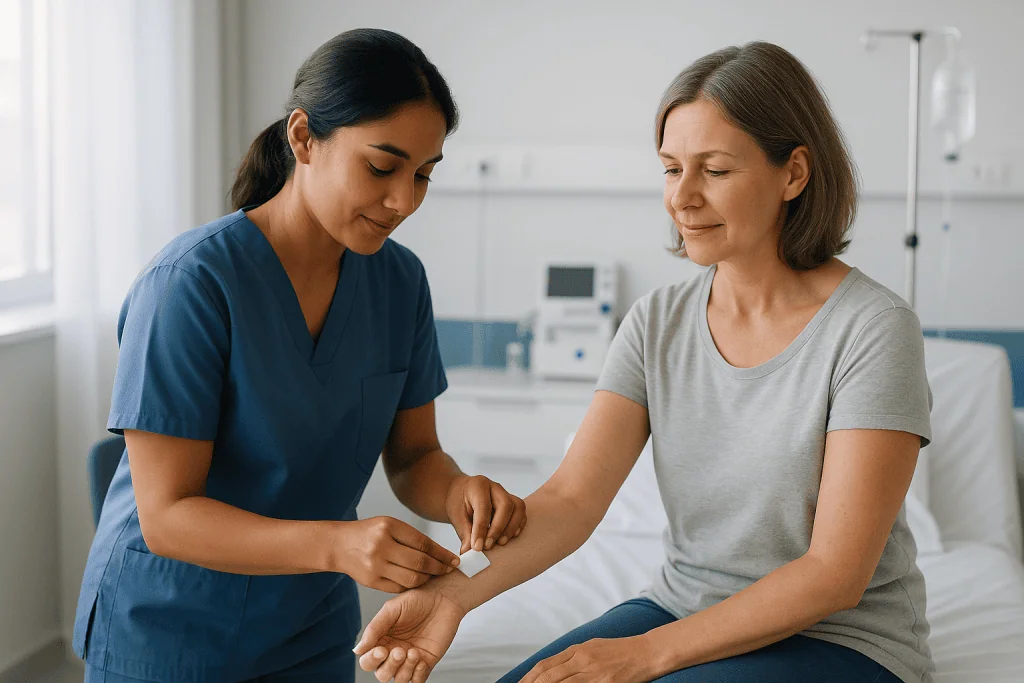
Swelling and bruising usually peak two to three days after surgery, then improve gradually over weeks. Elevation, gentle walking, prescribed compression and rest help most patients. Cold therapy helps some procedures but must be approved by your surgeon. Report sudden worsening, one-sided leg swelling, fever, bleeding or breathing symptoms immediately, and do not fly home until your care team confirms it is safe.
You look in the mirror on day three, and the swelling seems worse than yesterday. Is that normal? Should you call someone? These are the questions international patients ask most often, usually late at night, from a hotel room far from home.
The short answer: swelling that worsens for the first two to three days is expected after most operations. Bruising that changes colour and drifts with gravity is expected too. What matters is knowing the difference between ordinary healing and the small number of changes that need a phone call.
This guide explains managing swelling and bruising after surgery in Turkey in practical terms: what to expect day by day, what genuinely helps, what does not, and how to plan the journey home. It reflects general aftercare principles; your own surgeon’s written instructions always take priority.
At a glance
- Typical timing: Swelling usually peaks around day two to three, then improves gradually. Bruising changes colour over one to two weeks and may drift downward with gravity.
- What helps most: Your surgeon’s written plan, elevation, gentle walking, prescribed compression, rest, and cold therapy only where approved.
- What to avoid: Adding aspirin, anti-inflammatory tablets, herbal supplements or alcohol without checking with your team first.
- When to call: Sudden or one-sided swelling, severe pain, fever, spreading bruising, active bleeding, or any breathing symptom.
- Travel: Do not book or take a flight until your care team confirms it is safe for your specific procedure and recovery.
- Support in Turkey: Acibadem’s international patient teams can help with interpretation, follow-up appointments and transfer planning.
What Is Normal, and What Day Is Swelling Worst?
After surgery, your body sends fluid and healing cells to the treated area. The result is swelling, tightness, tenderness, warmth and a feeling of heaviness. Bruising appears when small blood vessels leak under the skin, and it changes colour as it heals, typically purple or blue first, then green, then yellow before fading. This sequence is a sign of normal processing, not a problem in itself.
For most patients, swelling is worst around 48 to 72 hours after surgery. Many people find day two or three visibly worse than day one, which can be alarming if nobody has warned you. It happens because the inflammatory response builds over the first days before it settles. After the peak, improvement is gradual rather than sudden, and deeper swelling, especially after facial, breast, abdominal or joint procedures, can take weeks or months to resolve fully.
Bruising also moves. Gravity pulls leaked blood downward through the tissues, so discolouration often appears below the surgical site: around the eyes and neck after facial surgery, or towards the thighs after abdominal procedures. This looks dramatic but is usually expected. Compare your progress with the timeline your own surgical team gave you, not with photos online, procedures, techniques and bodies vary too much for someone else’s recovery to be a reliable benchmark. If you had a plastic or aesthetic procedure, ask your surgeon specifically what a normal week one, week two and week six should look like for that operation.
The First Days in Turkey: Rest, Elevation, Cold Therapy, and Medication
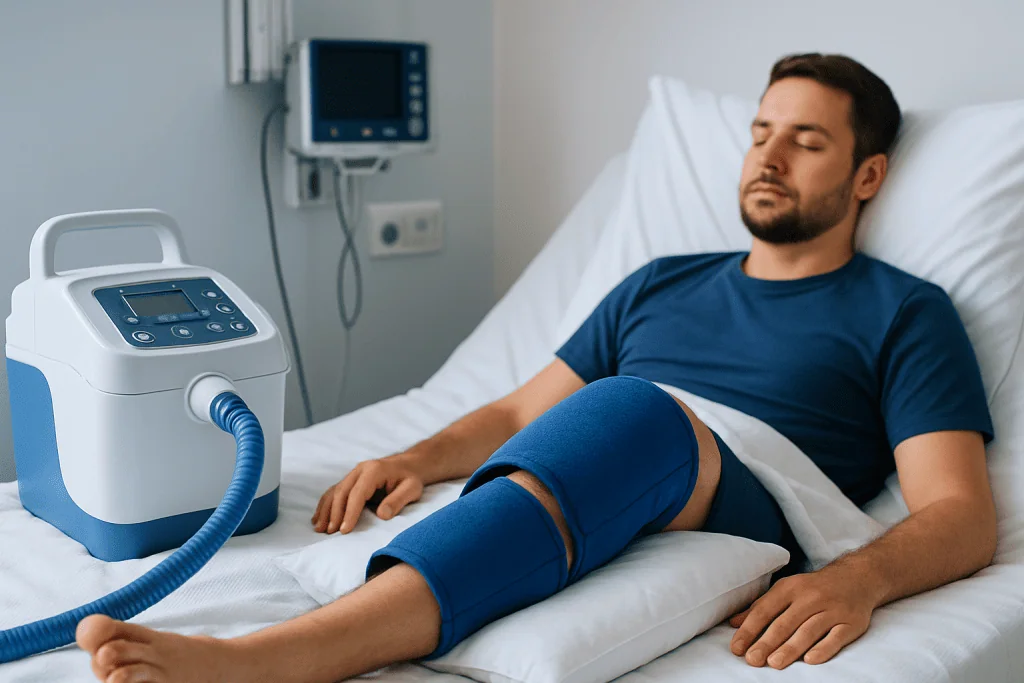
The first days are the time to be simple, consistent and careful. Rest as instructed and resist the urge to test your body early. If your surgeon recommends elevation, keep the treated area above heart level when possible, pillows under the legs, or sleeping with the head raised after facial surgery. Elevation uses gravity to help fluid drain away from the area instead of pooling in it.
Cold therapy can reduce early swelling for some procedures, but only use it in the way your team advises. Never place ice directly on skin, and never apply cold packs over areas with reduced sensation, numbness means you cannot feel a cold injury developing. If your operation involved flaps, grafts or nerve work, cold may not be appropriate at all. If you notice numbness or tingling and are unsure what it means, our guide on temporary numbness or tingling after surgery explains what is usually expected.
Take medications exactly as prescribed. Do not add aspirin, ibuprofen or other over-the-counter anti-inflammatories, herbal supplements or alcohol without checking first, several of these affect bleeding and can worsen bruising. If pain is not well controlled, tell your team rather than improvising; there is a separate guide on pain control after surgery in Turkey covering what you can reasonably expect and ask for.
Compression Garments, Dressings, and Drains
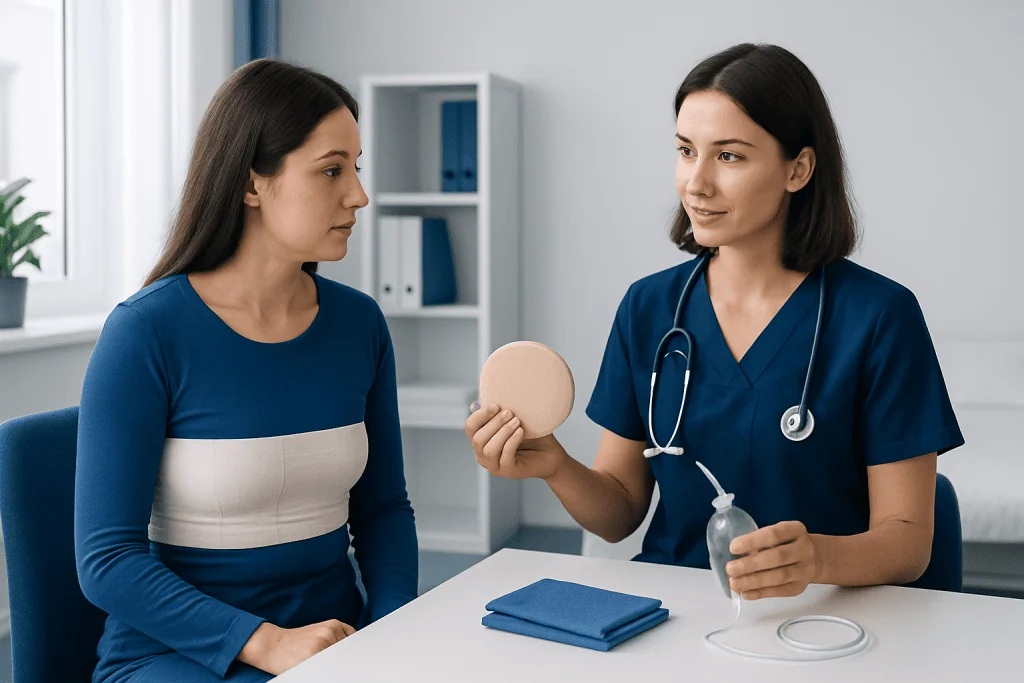
Compression garments are commonly used after body, breast and limb procedures to support healing tissue and limit fluid build-up. A garment should feel firmly supportive, not painfully tight. Contact your care team, rather than adjusting things yourself, if you notice numbness, increasing pain, colour change in the skin, deep indentations, or new swelling below where the garment ends. Those signs mean the fit or the plan needs reviewing.
Drains remove fluid from the surgical site after certain operations, and some patients leave hospital with them still in place. Your nurses will show you and your companion how to empty, measure and secure them. Keep the area clean and dry according to your instructions, and avoid pulling, twisting or hiding drains under tight clothing. Never remove a drain yourself.
If you are recovering in a hotel or serviced apartment in Istanbul or another city, keep your supplies organised in one clean place: dressings, garment, medications, and the hospital’s contact numbers. Before discharge, ask your coordinator or nurse exactly which supplies you need and confirm you have written instructions in a language you understand. This is one of the quiet fundamentals of managing swelling and bruising after surgery in Turkey, most late-night worry comes from not being sure what the plan actually says.
Movement, Walking, and Avoiding Fluid Build-Up
Rest does not mean lying completely still. For most procedures, gentle walking is actively encouraged because it supports circulation and reduces the risk of blood clots. Short, slow walks around your room or hotel corridor are usually enough at first. What you should avoid is anything strenuous: lifting, bending, stretching or exercise stays off the list until your surgeon clears it.
Long periods of sitting make swelling worse, particularly in the legs and feet. Change position regularly, avoid crossing your legs for long stretches, and elevate your legs when resting if your team recommends it. Loose, comfortable clothing reduces pressure on swollen areas and makes dressing changes easier.
Salt, heat and fatigue all influence swelling too. Salty restaurant meals, hot weather, poor sleep and overdoing activity can each make an area look puffier for a day or so. This kind of fluctuation is normal and does not usually mean anything has gone wrong: the overall trend over days and weeks matters more than any single morning in the mirror.
Nutrition, Hydration, and the Vitamin Question
Patients often ask which vitamin speeds up bruise healing. The honest answer is that no supplement reliably makes bruises disappear faster. Vitamin C and vitamin K play roles in blood vessel strength and clotting, and a balanced diet that includes them supports normal healing, but evidence for taking extra doses, or for popular remedies such as arnica or bromelain, is mixed. More importantly, some supplements affect bleeding. Do not start anything new, even something sold as natural, without asking your surgical team first.
What you can control is the basics. Drink fluids as advised, eat protein-rich meals if you tolerate them, and include fruit, vegetables and fibre, pain medicines and reduced mobility commonly cause constipation, and straining is uncomfortable after many operations. If you have diabetes, kidney disease or dietary restrictions, follow the individual plan your doctors gave you rather than general advice.
Avoid alcohol during early recovery unless your team says otherwise. It widens blood vessels, can worsen swelling and bruising, and interacts with several common pain medications.
When Swelling or Bruising Needs Medical Attention
Contact your care team promptly if swelling suddenly increases, becomes very painful, is clearly worse on one side, or comes with redness, warmth, discharge, fever or chills. The same applies to bruising that expands rapidly, a firm and increasingly painful lump under the skin, active bleeding, or a wound that opens. None of these should wait for your next scheduled appointment, early advice usually keeps small problems small.
Some symptoms are time-critical. If you develop chest pain, shortness of breath, coughing up blood, fainting, confusion, or sudden severe swelling and pain in one calf, call your local emergency number or go to the nearest emergency department now. These can signal a blood clot or another serious complication and need immediate assessment, not a message to your coordinator.
For everything in between, the changes that worry you but do not feel like emergencies, keep the hospital’s numbers saved on your phone and use them. Acibadem’s international patient coordinators and interpreters can help you describe symptoms accurately, which matters when you are recovering away from home. For a fuller breakdown of which symptoms justify which response, see when pain, swelling or fever should prompt an urgent call.
Bruising at Six Weeks: When Lingering Marks Are Still Normal
Most bruises fade within two to three weeks, but after larger operations some discolouration at six weeks is not unusual, particularly in areas where blood tracked downward through the tissues, or in patients who bruise easily. Faint yellow or brown staining that is steadily fading, without pain or swelling, is generally a matter of patience.
What deserves review is bruising at six weeks that is not fading, is getting darker or larger, sits over a firm or tender lump, or comes with new swelling. A collection of blood or fluid under the skin sometimes needs assessment, and only your surgical team can judge that, send them a photo and a description rather than guessing. Skin over healing areas can also stay slightly discoloured for months in some people; ask your surgeon what is expected for your procedure and skin type.
Travel, Flying, and Returning Home Safely
Managing swelling and bruising after surgery in Turkey does not end at discharge. Flying affects swelling: prolonged sitting, cabin pressure changes, dehydration and fatigue all work against you. Do not book your return flight around convenience or ticket price alone. Your surgeon confirms when travel is safe based on your operation, anaesthesia, bleeding and clot risk, wound status, drains, pain control and how comfortably you can move. Our guide on when it is safe to fly home after surgery in Turkey covers this decision in detail.
Before leaving, collect written discharge documents, medication instructions, wound care guidance and follow-up recommendations. If you need a fit-to-fly note, compression stockings, wheelchair support or airport transfer planning, raise it early with the international patient services team rather than at the last minute. A companion helps enormously with luggage, queues and medication timing.
During the journey, follow the specific instructions you were given: walk at intervals, do ankle movements while seated, keep drinking water, wear any compression items prescribed, and avoid alcohol. Once home, keep monitoring the trend of your swelling and bruising, and share your discharge paperwork with your local doctor so ongoing care is seamless.
Recovery Is Not Always Linear
Swelling and bruising change how you look and move, temporarily, and that affects how you feel. Almost everyone has days when the mirror seems worse than yesterday, often after travel, salty food, heat, poor sleep or a busier day. These dips are normal and usually short-lived.
Measure progress by function and comfort against your care team’s milestones, not by daily mirror checks. Photographing yourself only at planned intervals, or when your surgeon requests it, is more reassuring than constant inspection. If anxiety builds, ask your coordinator to clarify what is expected at your stage, often a single clear answer removes days of worry. If your procedure was a day case, the guide on what to expect after day surgery in Turkey sets out the shorter timeline that applies.
Step by step
- Confirm your personal plan before discharge. Ask what level of swelling and bruising is expected for your specific procedure, and make sure you understand dressing care, showering rules, medications, compression use, activity limits and your next appointment.
- Set up your recovery space. Keep medications, water, dressings, phone charger and hospital contact numbers within easy reach. Choose loose clothing and a resting position that supports elevation if it was recommended.
- Use cold therapy and elevation only as instructed. Protect your skin, respect the recommended timings, and never apply cold over numb areas.
- Walk gently once cleared. Short, regular walks support circulation. Avoid lifting, bending, stretching and exercise until your surgeon confirms they are safe.
- Watch trends, not hours. Gradual improvement after the day two-to-three peak is reassuring. Sudden worsening, severe pain, fever, bleeding or breathing symptoms need immediate reporting.
- Attend every follow-up before flying. Your surgeon may need to check wounds, assess or remove drains, and confirm your fitness to travel. Do not skip a review because you feel well or your flight is soon.
- Plan the journey around safety. Arrange airport assistance and documents early, and follow the walking, hydration and compression instructions during travel.
Your checklist
- Written discharge instructions in a language you understand
- Emergency and hospital contact numbers saved on your phone
- Medication schedule, including dose times and restrictions
- Approved compression garments, dressings or wound care supplies
- Comfortable loose clothing and easy slip-on shoes
- Follow-up appointment date, time and hospital location
- Fit-to-fly or medical travel documents if required
- Companion or airport assistance arranged if mobility is limited
- Local doctor or follow-up plan for when you return home
Key takeaways
- Swelling usually peaks around day two to three and then improves gradually; bruising fades through colour changes over one to two weeks, sometimes longer.
- Your surgeon’s instructions outrank any general internet advice, especially on compression, cold therapy, medication and activity.
- Elevation, gentle walking, hydration and organised wound care make recovery more comfortable; no supplement reliably speeds up bruise healing.
- Sudden worsening, severe pain, fever, bleeding, breathing symptoms or one-sided calf swelling need urgent medical attention.
- Do not fly home until your surgical team confirms it is safe and your follow-up plan is clear.
Frequently asked questions
How do I get rid of swelling and bruising after surgery?
You cannot remove them instantly: they resolve as healing progresses. What helps is elevation, gentle walking once cleared, prescribed compression, hydration, avoiding salty food and alcohol, and cold therapy only if your surgeon approves it for your procedure. Anything that promises rapid results should be checked with your team before you try it.
What day is swelling the worst after surgery?
For most operations, swelling peaks around 48 to 72 hours after surgery, so day two or three often looks worse than day one, which is expected and not a sign of a problem by itself. After the peak, improvement is gradual. Your own surgeon’s timeline for your procedure is the best reference.
Is it normal to have bruising 6 weeks after surgery?
Faint, steadily fading discolouration at six weeks can be normal after larger procedures, especially where blood tracked downward through the tissues. Bruising that is not fading, is growing or darkening, sits over a firm painful lump, or comes with new swelling should be reviewed by your surgical team.
What vitamin speeds up bruise healing?
No vitamin or supplement reliably speeds up bruise healing. Vitamins C and K support normal blood vessel and clotting function as part of a balanced diet, but evidence for extra doses, or for remedies like arnica or bromelain, is mixed, and some supplements affect bleeding. Ask your surgeon before taking anything new.
Is it normal for bruising to move away from the surgical area?
Yes. Gravity pulls leaked blood downward through the tissues, so bruising often appears below the surgical site, around the eyes after facial surgery, or towards the thighs after abdominal procedures. Contact your team if bruising expands rapidly, becomes very painful, or comes with bleeding or dizziness.
When should I worry about swelling in my leg after surgery?
If one leg becomes suddenly more swollen, painful, red or warm, especially in the calf, or if you have chest pain, shortness of breath, fainting or coughing up blood, call your local emergency number or go to the nearest emergency department now. These symptoms can signal a blood clot and need immediate assessment.
Can salty food or flying make swelling worse?
Yes. Salty meals, heat, long periods of sitting and travel can all make swelling more noticeable for a short time. This fluctuation is usually temporary. Your care team will advise when flying is safe and how to reduce travel-related swelling with movement, hydration and compression.
Should I stop my medication if I think it is causing bruising?
No, do not stop or change any prescribed medication on your own, especially blood thinners, antibiotics or pain medicines. Some medications do affect bruising, but stopping them suddenly can be unsafe. Contact your doctor or coordinator so the decision is made by your treating team, based on your procedure and history.
Add us as a Preferred Source to see more of our trusted health content across Google Search, AI Overviews and Discover.

Update history
- PublishedJune 8, 2026
- Medical review approvedSeptember 13, 2026
- Last content updateSeptember 12, 2026
References2
- Bruises: MedlinePlus medlineplus.gov
- Edema: Cleveland Clinic my.clevelandclinic.org
More Patient Guides

Septoplasty Recovery: Week by Week
Learn what to expect after deviated septum surgery: a week-by-week septoplasty recovery timeline, when it is usually safe to fly home, and…

Gallbladder Surgery Recovery: Week by Week
Learn what to expect after gallbladder surgery: a week-by-week recovery timeline, pain, diet, wound care, when it is safe to fly home…
Robotic Hysterectomy Recovery: Week by Week
Recovery from robotic hysterectomy week by week: pain, lifting, wounds, driving, flying home safely, warning signs and questions to ask before you…
Breast Reconstruction Recovery: Week by Week
DIEP flap recovery week by week: hospital stay, drains, pain, walking, showering, driving, when it is usually safe to fly home, and…