

Patient Rights in Turkey for International Patients

As an international patient in Turkey, you have defined rights: respectful treatment, clear information before you consent, privacy for your medical data, access to your records, and safe care. You can request interpreter support, question or refuse proposed treatment in non-emergency situations, and raise complaints through the hospital's patient relations team. These rights apply from your first enquiry through discharge and follow-up.
What happens if you don’t understand something a doctor says? Can you take your test results home? Can you refuse a procedure after you’ve travelled all this way? These are fair questions, and they have clear answers. Patient rights in Turkey for international patients cover dignity, information, consent, privacy, safety, and access to your medical records, and they apply whether you hold a Turkish ID or a foreign passport.
This guide explains what those rights look like in practice, how hospital access works for foreigners, what you can honestly expect from the Turkish system, and exactly how to speak up before, during, and after your treatment.
At a glance
- Your core rights: Respectful care, informed consent, privacy, access to your records, and safe treatment processes
- Who they cover: All patients, including foreigners, nationality does not reduce your rights
- Language support: You can request interpreter assistance for consent, discharge, and any medical discussion
- Payment reality: Tourists and medical travellers pay for care; healthcare is not free for visitors
- If concerns arise: Start with your nurse, doctor, patient relations, or the international patient team
- Best preparation: Bring ID, medical history, medication list, prior reports, and written questions
What patient rights in Turkey mean for international patients
Turkey has a formal patient rights framework that applies across its healthcare system. In practical terms, it means you should be treated with dignity and courtesy, receive understandable information about your condition and the care proposed, be asked for consent before treatment, have your privacy protected, and be able to ask questions or refuse care in non-emergency situations. These protections are not a courtesy extended to paying visitors: they are how the system is meant to work for every patient.
Rights come with responsibilities. You are expected to share accurate medical information, follow hospital safety instructions, and tell the team when you do not understand something. That last point matters more for international patients than almost anyone else. Nobody expects you to know the Turkish healthcare system in detail. You are entitled to ask how things work, as many times as you need.
The most useful way to think about patient rights in Turkey for international patients is as a set of things you are allowed to request without apology: an explanation in plainer language, an interpreter, a copy of a report, time to think before signing, or a named person to be kept informed. At hospitals that regularly treat patients from abroad, including Acibadem, international patient teams exist precisely to handle these requests, language, appointments, documents, and hospital processes, so you can concentrate on the medical decision itself.
Can foreigners go to hospital in Turkey, and who pays?
Yes. Foreigners can be treated at both public and private hospitals in Turkey. Private hospitals in the larger cities treat international patients routinely and usually have dedicated coordinators, while public hospitals will also treat foreigners, though English-language support there is less predictable. Emergency departments assess anyone who arrives, regardless of nationality, no hospital will turn away a genuine emergency at the door.
However, healthcare in Turkey is not free for tourists. Turkey’s public health insurance covers people enrolled in its social security system, which visitors are not. As a tourist or medical traveller, you pay for your care yourself, through travel insurance, or through an assistance company or guarantee letter. Emergency treatment will be provided first and billed afterwards, but it is still billed. Before you travel, check what your policy actually covers: our guide to travel insurance for treatment in Turkey explains what to look for.
For planned treatment, ask for a written treatment plan and quote in advance, and ask what could change it: additional tests, a longer stay, or a revised surgical plan after in-person evaluation. What a quote includes and excludes varies between hospitals, so ask directly. Our guide to planning a medical travel budget for Turkey covers the items patients most often overlook.
Does Turkey have good medical care? Honestly: quality varies by facility, as it does in every country. Turkey has a large private hospital sector, modern equipment in major centres, and doctors who frequently trained or worked abroad. Rather than relying on a country-level generalisation, look at the specific hospital: whether it holds recognised accreditation, how it handles international patients, and how clearly it answers your questions before you commit.
Your right to clear information and informed consent
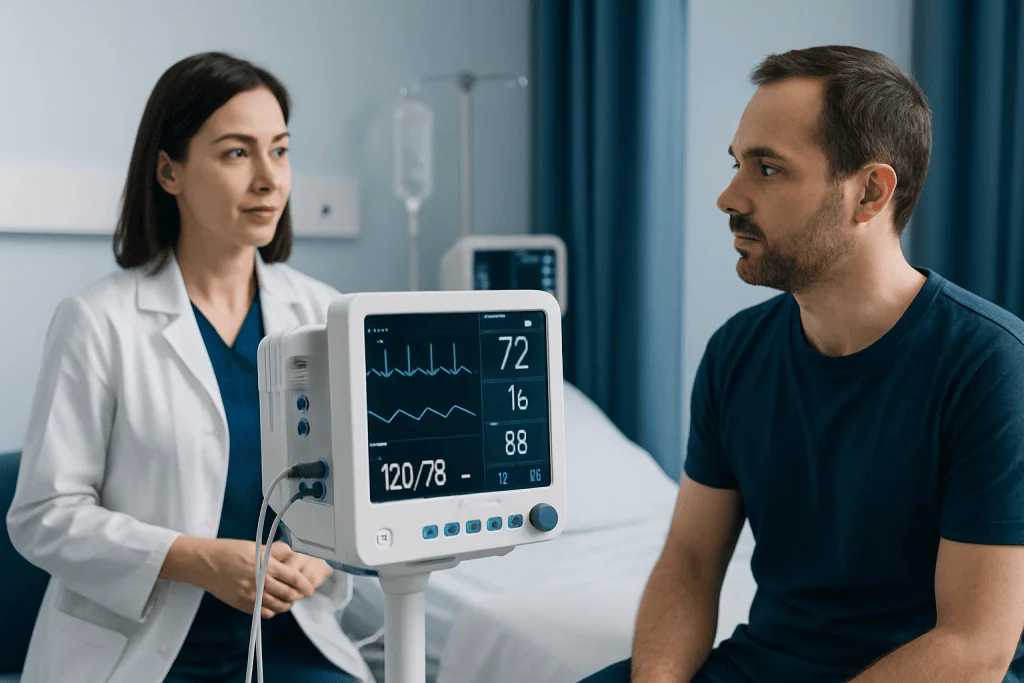
Before any examination, test, procedure, or surgery, you have the right to information you can actually understand: the purpose of the proposed care, its expected benefits, the important risks, alternatives where they exist, what may happen if you decline, and what recovery and follow-up involve. In non-emergency situations, you also have the right to refuse treatment or ask for time to decide.
Informed consent is a conversation, not a signature. A form you cannot read is not consent. If a document is presented only in Turkish and you do not read Turkish, ask for a translated version or a full verbal explanation through an interpreter before you sign. Ask which specific procedure the form covers, whether it includes anaesthesia, and what happens if the surgeon needs to change the plan mid-procedure. We cover this in detail in our guide to medical consent forms in Turkey.
Language is central here. If you are not comfortable discussing medical detail in Turkish or English, request interpreter support before the consultation, not during it. Consent based on guesswork protects nobody. If anything remains unclear, ask the doctor to explain it again in simpler terms: this is a normal request, and a competent clinical team will not resent it.
Privacy, confidentiality, and access to your medical records

Your medical information, diagnosis, results, images, treatment plans, medications, personal details, financial and insurance information, should be handled confidentially. Staff should discuss your care in appropriate settings and should not share your information with anyone not involved in your care or authorised by you, except where the law requires it. Turkey has data protection legislation that applies to health data, and hospitals are expected to follow it.
You also have the right to request copies of your medical records. For international patients this is not a formality; it is essential. Your doctor at home will need discharge summaries, imaging reports, laboratory results, operative notes, pathology reports, a medication list, and follow-up recommendations. Without them, continuity of care becomes guesswork.
Before discharge, ask three specific questions: which documents will you receive automatically, in which language, and how can you request additional copies after you have left the country? Some documents take longer to prepare than others, pathology reports in particular, so ask about timing early. Keep both digital and printed versions. The international patient team can help coordinate records for doctors abroad, but the request usually needs to come from you, so make it before you fly home rather than after.
Respect, cultural needs, companions, and communication preferences
You have the right to respectful care regardless of nationality, language, religion, gender, disability, age, or background. That includes being addressed appropriately, having concerns heard rather than dismissed, and receiving reasonable support for cultural, dietary, or spiritual needs where hospital conditions allow, halal or vegetarian meals, prayer space, or modesty preferences during examinations, for example.
Most international patients travel with a companion. Ask in advance about visiting rules, companion accommodation, meal arrangements, and the areas where access is restricted, intensive care, operating suites, and isolation rooms typically limit visitors for safety reasons, not out of unfriendliness. Knowing this before admission day prevents a stressful surprise.
Tell the hospital how you want communication handled. You might want every major update shared with you and one named family member, or you might want nothing shared with anyone without your explicit authorisation. Both are legitimate. State your preference clearly at admission and it becomes part of how the team works with you.
Safety, quality standards, and your role in safer care
Patient rights and patient safety are two sides of the same idea. You have the right to care delivered within recognised safety practices: identity checks before medication and procedures, infection prevention, medication verification, surgical site confirmation, and fall-risk precautions. International accreditation frameworks, such as Joint Commission International, are one recognised way hospitals structure and audit these processes. Accreditation does not replace local law or individual medical judgement, but it does indicate that a hospital submits its processes to external review: a reasonable thing to ask any hospital about before you book.
You are also part of the safety system. Check that staff confirm your name and date of birth before medication, blood draws, imaging, or procedures, and say something if they don’t. Tell the team about allergies, current medications, supplements, implants, chronic conditions, previous surgeries, and any past problems with anaesthesia or bleeding. If a medication looks unfamiliar, ask what it is for. If a test appears on your schedule that nobody mentioned, ask why: our guide to unexpected test or treatment changes in Turkey explains how to handle plan changes calmly.
A respectful question is a normal part of safe healthcare, not an insult to the team. If something seems inconsistent with what you were told, pause and ask. Good hospitals expect this.
How to raise a concern, complaint, or urgent safety issue
Do not save concerns for after you leave. Start with your nurse, doctor, patient relations representative, or international patient coordinator, and be specific: what happened, when, who was involved if you know, and what resolution you are asking for. Common concerns, delays, unclear communication, billing questions, missing documents, interpreter needs, privacy worries, unclear discharge instructions, are usually resolved fastest when the right team hears about them early. Keep notes of dates, names, and documents.
For non-urgent complaints, ask the hospital for its formal patient relations pathway, how your complaint will be documented, and when you will receive a response. Turkey’s Ministry of Health also operates national channels for patient feedback, and the hospital can direct you to them if an internal resolution does not satisfy you.
Urgent safety issues are different. If you are in the hospital and develop severe new symptoms, a serious medication concern, or a fall, call for clinical help immediately, press the call button or alert any staff member. Do not route an urgent problem through a complaints process. If you have been discharged and develop time-critical symptoms such as heavy bleeding, chest pain, difficulty breathing, or signs of spreading infection, call your local emergency number or go to the nearest emergency department now. In Turkey, the national emergency number is 112. For problems that are worrying but not emergencies outside clinic hours, see our guide to after-hours medical help in Turkey.
Step by step
- Prepare your medical and identity documents. Before travelling, gather your passport details, previous diagnoses, surgery reports, imaging, laboratory results, a medication list, allergy information, and any insurance or guarantee letters. Send copies securely when the hospital requests them, and keep originals or backups with you. Our checklist of documents to bring for hospital admission in Turkey covers this in full.
- Ask for a care plan you can understand. Request a clear outline of planned consultations, tests, treatment steps, estimated hospital stay, and recovery needs. If the plan changes after in-person evaluation in Turkey, ask the team to explain why and what your options are.
- Arrange interpreter and companion support early. Tell the international patient team your preferred language and whether a companion is travelling with you. Interpreter support matters most for consent, discharge instructions, and discussions of risks and alternatives.
- Review consent information before treatment. Make sure you understand the proposed care, its important risks, expected benefits, alternatives, and recovery expectations before signing anything. If it is not an emergency and you need more time or a family discussion, say so: that is your right.
- Set your privacy preferences. Tell the hospital who may receive information about your care and who may not. If you want reports sent to a doctor in your home country, ask what authorisation is needed and how records will be transferred.
- Confirm discharge and follow-up arrangements. Before leaving, ask for written discharge instructions, medication guidance, warning signs to watch for, activity restrictions, wound care instructions if relevant, and follow-up timing. Confirm exactly who to contact from home if questions arise.
- Speak up whenever something feels unclear or unsafe. You can ask questions at any stage. If you are worried about a symptom, a medication, a document, or a communication gap, contact your nurse, doctor, or coordinator promptly rather than waiting.
Your checklist
- Passport, visa documents if applicable, and emergency contact details
- Medical history summary, prior reports, imaging, and laboratory results
- Current medication list with doses, plus allergy and adverse reaction details
- Insurance, payment, guarantee letter, or assistance company information if relevant
- Written questions for your doctor about benefits, risks, alternatives, and recovery
- Preferred language noted with the hospital, and interpreter support requested if needed
- Name of the person authorised to receive updates about your care
- Plan for copies of your discharge summary, test results, imaging, and prescriptions
- Contact details for your international patient coordinator or patient relations office
Key takeaways
- Patient rights in Turkey for international patients cover respectful, safe, and confidential care, nationality does not reduce them.
- Foreigners can be treated at Turkish hospitals, but care is not free for visitors; plan payment and insurance before travel.
- Consent should rest on clear information, adequate time when the situation allows, and interpreter support if you need it.
- Request your medical records and discharge documents before flying home so care can continue smoothly abroad.
- Patient relations and international patient teams exist to resolve concerns, raising one early is easier than raising it late.
- Speaking up about unclear instructions, unfamiliar medications, or safety worries is part of good healthcare, not a burden.
Frequently asked questions
Can foreigners go to hospital in Turkey?
Yes. Foreigners can be treated at both public and private hospitals in Turkey, and emergency departments assess anyone who arrives regardless of nationality. Private hospitals in major cities routinely treat international patients and usually offer coordinators and language support. For planned treatment, contact the hospital’s international patient office in advance so documents, appointments, and payment arrangements are confirmed before you travel.
Do tourists get free healthcare in Turkey?
No. Turkey’s public health insurance covers people enrolled in its social security system, which visitors are not. As a tourist or medical traveller you pay for care yourself, through travel insurance, or via an assistance company or guarantee letter. Emergency care will be provided before payment is arranged, but it is still billed afterwards, so check your insurance cover before travelling.
Do international-sounding hospital names mean international standards?
Some hospitals in Turkey carry names referencing other countries, and patients searching for one are usually really asking whether internationally oriented care exists. It does: several Turkish hospital groups treat international patients as a core part of their work. Rather than relying on a name, ask any hospital about its accreditation, its international patient services, and how it handles records and language support.
Do international patients have the same patient rights as Turkish citizens?
Yes, in substance. International patients should receive respectful care, clear information, privacy protection, and the opportunity to consent to or refuse proposed care, except in specific emergency or legally defined situations. Hospital processes may differ from those in your home country, so ask how consent, records, and complaints are handled at the specific facility treating you.
Can I request an interpreter for medical conversations?
Yes, and you should if you do not fully understand the language being used. Interpreter support matters most for diagnosis discussions, consent, medication instructions, discharge planning, and financial or administrative explanations. Request it before major appointments rather than during them, and tell the international patient team your preferred language when you first make contact.
Can I get a copy of my medical records before I leave Turkey?
Yes, ask for copies of key records such as discharge summaries, test results, imaging reports, prescriptions, and follow-up instructions. Some documents, such as pathology reports, take extra time to prepare, so request them early. Confirm whether records will be provided digitally, printed, or translated, and what authorisation is needed to send them to your home doctor.
What should I do if I do not understand a consent form?
Do not sign until it has been explained in language you understand. A consent form should reflect a genuine conversation about the proposed care, its benefits, risks, alternatives, and expected recovery. If the form is in Turkish only, ask for a translation or a full verbal explanation through an interpreter. If the situation is not urgent, you may also take time to discuss it with your family.
How do I make a complaint at a hospital in Turkey?
Start with your nurse, doctor, international patient coordinator, or the patient relations office, and describe the issue specifically: what happened, when, and what resolution you want. Ask how the complaint will be documented and when to expect a response. For urgent medical safety concerns, call for clinical help immediately rather than waiting for an administrative review process.
Add us as a Preferred Source to see more of our trusted health content across Google Search, AI Overviews and Discover.

Update history
- PublishedJune 8, 2026
- Medical review approvedSeptember 13, 2026
- Last content updateSeptember 12, 2026
References1
- CDC Travelers' Health: Medical Tourism wwwnc.cdc.gov
More Patient Guides

When to Delay Travel for Treatment in Turkey Because of Cold, Flu, or Fever
Delay travel for treatment in Turkey if you have fever, worsening flu symptoms, or breathing difficulty; contact your care team before flying.

Traveling to Turkey for Treatment While Pregnant: Safety Questions to Ask First
Traveling to Turkey while pregnant can be safe with medical clearance, airline checks and a tailored care plan. Ask these key safety…

When to Seek Urgent Help After Leaving the Hospital in Turkey
When to seek urgent help after leaving the hospital in Turkey: act fast for breathing trouble, chest pain, heavy bleeding, high fever,…

At Acibadem, How We Handle Consent, Privacy, and Patient Decision-Making
Consent, privacy, and patient decision-making at Acibadem in Turkey are handled with clear information, confidentiality, interpreters, and respect for your choices.