

Prehabilitation Before Surgery in Turkey: Strength, Breathing, and Mobility

Prehabilitation is the structured preparation you do in the weeks before an operation: gentle strength work, breathing practice, mobility rehearsal, nutrition and medication review, and, for international patients, travel planning. It aims to bring you to the operating theatre steadier and better informed. Your surgeon, anaesthesiologist and physiotherapy team set the plan; even a short preparation window is worth using well.
Your surgery date in Turkey is confirmed, and there is a gap of days or weeks between now and admission. That gap is not dead time. Used well, it is prehabilitation, prehab for short, and it is the most useful thing you control before the operation.
This guide explains what prehabilitation before surgery in Turkey actually involves: strength, breathing and mobility work, nutrition and medication review, and the travel logistics that only matter when your hospital is in another country. It also explains what prehab is not: it is not a fitness programme, and it does not replace the assessment your clinical team will do.
At a glance
- When to start: As soon as your date is confirmed, ideally two to six weeks before surgery, but a shorter window still has value
- The four pillars: Strength for daily movements, breathing practice, mobility rehearsal, and nutrition plus medication review
- Who sets the plan: Your surgeon, anaesthesiologist and physiotherapy team: a generic plan is not a substitute for clearance
- Travel counts: Flight days, hotel setup and arrival timing belong inside the plan, not around it
- Final days: Rest, gentle movement and good sleep: the last stretch before admission is not the time to train harder
What prehabilitation before surgery means
Prehabilitation is the practical work done before an operation to support a smoother hospital stay and an easier start to recovery. Depending on your procedure and health, it may include gentle strength training, walking, breathing exercises, mobility practice, nutrition planning, help stopping smoking, and a careful review of every medicine and supplement you take.
Research on prehabilitation continues to grow, and the general direction is consistent: patients who arrive better prepared tend to find the early recovery period more manageable. What prehab cannot do is remove the risks of surgery or guarantee any particular outcome. It builds a better baseline, stamina for hospital corridors, leg strength for standing from a chair, confidence with deep breathing after anaesthesia, and a clearer picture of what your care team will ask of you.
For international patients, prehabilitation before surgery in Turkey has a second layer that domestic patients never think about: the trip itself. Flight timing, airport assistance, hotel choice, a companion’s role, interpreter needs, and how to keep moving safely while travelling all belong in the plan. Hospitals that treat international patients routinely coordinate appointments, transfers and interpreters, which frees your energy for the preparation that only you can do.
Where safety really comes from when you travel for surgery
One of the most common questions from people planning treatment abroad is whether it is safe to have surgery in Turkey. The honest answer is that safety is not a property of a country. It depends on the specific hospital’s standards, the team’s experience with your particular operation, the thoroughness of the assessment you receive before anyone operates, and the quality of follow-up afterwards. Large Turkish hospital groups treat international patients as a matter of routine, but that is a reason to ask good questions, not a reason to stop asking them.
Prehabilitation fits into this picture in two ways. First, the physical preparation itself: a patient who arrives with better stamina and clear instructions is easier to care for well. Second, the process around it: a hospital that reviews your records, adjusts your plan to your health conditions, and gives you specific pre-operative instructions is showing you how it works before you are ever on a table. If you want a structured way to test that, our patient decision checklist and patient safety checklist set out the questions worth asking any hospital, including ours.
The same logic applies to specific procedures people search for, such as gastric sleeve surgery. What matters is not a headline claim but the depth of the assessment beforehand, the standards of the operating hospital, and the structure of nutritional and clinical follow-up afterwards, all of which a serious bariatric and metabolic surgery team should be able to explain to you in plain terms before you commit.
Start with medical clearance and a realistic plan
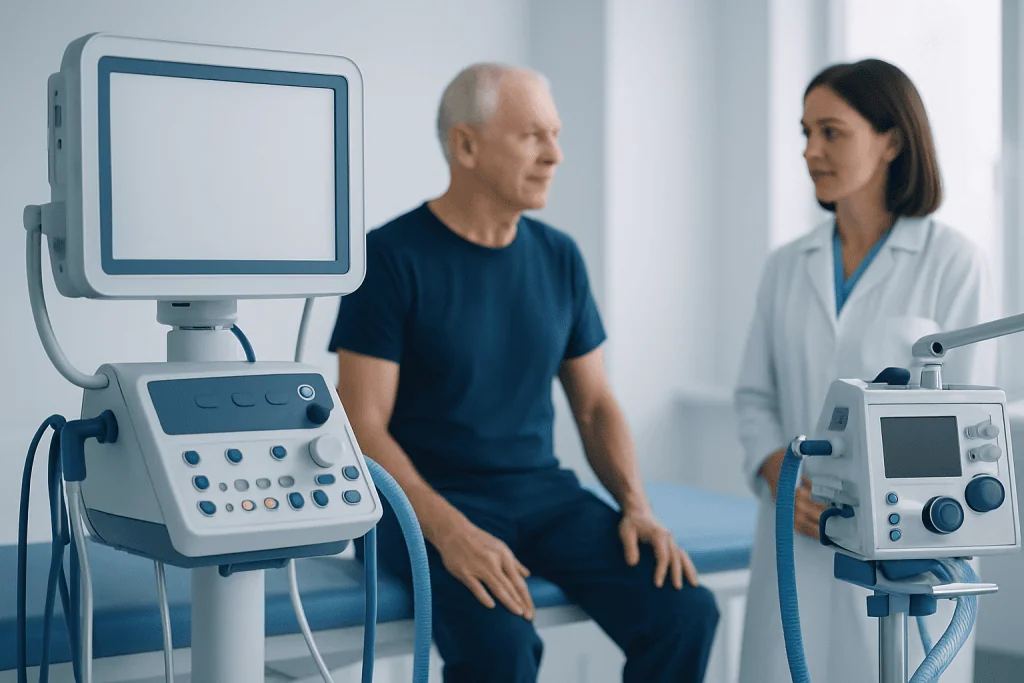
Before beginning any exercise or breathing routine, ask your treating team what is appropriate for your diagnosis, your operation, your current fitness and your medical history. This matters most if you have heart or lung disease, anaemia, diabetes, a neurological condition, significant pain, balance problems or recent unintended weight loss. A prehab plan that ignores these is not a plan; it is a template.
The plan should also match the time you actually have. With several weeks, you can build gradually: a little more walking each week, short strength sessions, regular breathing practice. With only days, the priorities narrow to safe walking, breathing technique, organising your medicines and documents, and learning how you will be expected to move after the operation. A short preparation window is still worth using: it simply has different goals.
Useful questions to put to your team include:
- Are there movements or exercises I should avoid before this operation?
- How much walking each day is sensible for someone in my condition?
- Would a physiotherapy session before surgery help in my case?
- Should I practise breathing exercises or use an incentive spirometer?
- What are my exact instructions for food, drink, supplements and medicines before admission?
Strength: train the movements recovery will demand

Strength prehab is narrow on purpose. It targets the movements you will need in the first days after surgery: getting out of bed, standing up from a chair, walking to the bathroom, managing a few steps if permitted, and basic self-care. Depending on your clearance, your team may suggest sit-to-stand practice, heel raises, supported mini-squats, step practice, or light resistance-band work.
The right intensity feels manageable, not punishing. Short sessions on most days, with rest built in, tend to be more useful than occasional hard workouts, consistency is the point, not effort. Prehab that leaves you drained in the week before surgery has missed its purpose.
If you are staying in a hotel in Istanbul before admission, think practically about where you exercise. You want good lighting, stable shoes, a chair that does not slide, and enough clear floor space to move without hazards. Keep the routine simple enough that it needs no equipment, unless your physiotherapist has specifically prescribed something and shown you how to use it.
Breathing: preparing your lungs for anaesthesia
Breathing preparation is most often recommended before operations involving the chest or abdomen, major joint procedures, and longer anaesthesia times. Your team may teach diaphragmatic breathing, slow deep breaths, supported coughing technique, or the use of an incentive spirometer: a small device that gives visual feedback as you inhale. The aim is fuller breaths, easier clearing of secretions when needed, and less anxiety about breathing in the hours after anaesthesia. Teams in fields such as thoracic surgery place particular weight on this preparation, but it has a role across many procedures.
A simple routine looks like this: sit upright, relax your shoulders, breathe in slowly through your nose so that your lower ribs and abdomen expand, then breathe out gently and unhurried. If you are given a spirometer, use it exactly as instructed rather than improvising, more repetitions are not automatically better, and technique matters more than volume of practice.
A note on terminology, because it is a common search: there is no such thing as “prehabilitation anaesthesia” as a separate treatment. The phrase usually reflects two real things being run together. First, the pre-anaesthetic assessment: the appointment where an anaesthesiologist reviews your health, medicines, airway and history before the operation. Second, the breathing and fitness preparation described above, which exists partly to make anaesthesia and the hours after it easier on your lungs. Both are part of proper preparation; neither involves taking any anaesthetic in advance.
Mobility: rehearse how you will move afterwards
Mobility prehab is about knowing, before the operation, how you will be expected to move after it. Depending on the procedure, this may include ankle pumps, gentle range-of-motion exercises, posture awareness, safe turning in bed, and practising how to stand up without straining the surgical area. Orthopaedic and spinal procedures often come with very specific movement precautions, if yours does, wait for your team’s instructions rather than rehearsing a technique you found online.
Travelling patients should also weigh the physical cost of the journey itself. Long airport walks, queues, luggage handling and an unfamiliar hotel room all draw on the reserves you are trying to build. Arrange wheelchair assistance in advance if you might need it, choose luggage that rolls, and let your companion or hotel staff carry the heavy things. Arriving worn out defeats the purpose of everything else in this guide: our arrival timing guide covers how to build in recovery days before admission.
After surgery, early movement is guided step by step by your nurses and physiotherapist. Prehab pays off here because the basics are already familiar: move slowly, use support, protect the operated area, and ask for help before you feel unsteady rather than after.
Nutrition, medicines and lifestyle
Prehab is not only exercise. Eating adequately in the weeks before surgery, staying hydrated within your instructions, and keeping blood sugar well managed if you have diabetes are all part of arriving in good condition. Every medicine, vitamin, herbal product and supplement you take should be reviewed with your medical team, because some affect bleeding, anaesthesia, blood pressure or blood sugar. Decisions about pausing, continuing or adjusting any medicine belong to your treating doctors, never make those changes on your own initiative.
If you smoke or vape, raise it early and honestly. Your doctor can tell you what stopping before your particular operation would mean and what support exists to make it manageable. Alcohol intake deserves the same honesty, especially if you drink regularly; your team can only plan around what they know.
Fasting instructions, when to stop food, drink and specific medicines before anaesthesia, come from your hospital and apply to you specifically. Follow them exactly rather than relying on general rules; our guide to fasting before surgery in Turkey explains how these instructions typically work and why they matter for anaesthesia safety.
Before travelling, prepare a clear medication list: generic names, doses, timing, allergies, and the reason for each medicine. Bring medicines in their original packaging where possible, and keep them in your hand luggage, never in the hold.
A realistic prehab timeline
Not everyone has six weeks. This table shows how the priorities of prehabilitation before surgery in Turkey shift as the date approaches, start wherever you are on it.
| Timeframe | Focus |
|---|---|
| 4–6 weeks before | Medical clearance, build walking gradually, begin strength and breathing routines, start smoking-cessation support if relevant, gather records |
| 2–4 weeks before | Consolidate the routine, confirm travel and accommodation, complete any requested tests, finalise the medication review with your team |
| 1–2 weeks before | Maintain rather than increase, rehearse post-surgery movements as instructed, pack documents and medicines, confirm admission details |
| Travel days | Circulation and comfort, not training: position changes, gentle foot and ankle movement if your doctor approves, no heavy lifting |
| Final 48 hours | Rest, sleep, calm breathing practice, follow fasting and medicine instructions exactly, write down remaining questions |
Planning prehab around the journey itself
Travel interrupts routines, so treat it as a phase of the plan rather than a gap in it. The plan splits naturally into four parts: the weeks at home, the flight, arrival in Istanbul, and the days before admission. On travel days, the goal shifts from training to protection, circulation, hydration where permitted, comfort, and avoiding strain.
During the flight, follow your doctor’s and the airline’s guidance, particularly if you have clotting risks, heart or lung conditions, or limited mobility. Where approved, ankle circles, gentle foot pumps, short walks when the aisle is safe, and regular position changes help with comfort on long sectors. Wear loose clothing, and do not lift heavy bags into overhead compartments yourself.
Once in Istanbul, protect a rest margin before hospital appointments if your schedule allows. This is where prehabilitation before surgery in Turkey differs most from preparing at home: jet lag, an unfamiliar city and a compressed schedule can quietly erode the reserves you built. International patient departments typically handle airport transfers, interpreter support, accommodation guidance and appointment timing, use that support, because it reduces friction in exactly the days when you should be conserving energy.
Step by step
- Get your paperwork in order early. Hospitals treating international patients review medical reports, imaging, medication lists, allergy details and previous operation notes before arrival. Having these organised in advance lets the clinical team assess your needs properly and flag whether extra tests or specialist reviews are needed before your date.
- Ask for a personalised prehab clearance. Do not rely on a generic exercise plan if you have complex health conditions or significant pain. Ask specifically what is safe, what to avoid, and whether a physiotherapy or anaesthesia review is recommended in your case.
- Build a simple weekly routine. Short, repeatable sessions of walking, strength, breathing and mobility beat one ambitious workout. Consistency you can sustain is worth more than intensity you cannot.
- Rehearse the movements you will need afterwards. Practise standing from a chair, walking short distances, and turning carefully with support if advised. If your operation carries movement restrictions, wait for your team’s specific technique before rehearsing it.
- Prepare the travel and hotel environment. Rolling luggage, airport assistance booked in advance if needed, medicines and documents in hand luggage, and a hotel room with hazards cleared and essentials within reach.
- Confirm medication and fasting instructions. Make sure you understand exactly which medicines to take, pause or bring with you, and follow fasting instructions to the letter: they exist for anaesthesia safety, not convenience.
- Arrive rested, with your questions written down. The final days are for sleep, gentle movement and calm breathing, plus a written list of anything you still want to ask your surgeon, anaesthesiologist, nurses or physiotherapist.
Your checklist
- Medical reports, imaging, test results and discharge summaries organised in advance
- Complete medication list: generic names, doses, timing, allergies, supplements and herbal products
- Written clearance from your doctor on safe exercise and activity limits
- Comfortable walking shoes and loose clothing for travel and admission
- Breathing exercise instructions or device, if recommended, with technique confirmed
- Airport assistance, transfers, hotel access and companion support arranged
- Fasting rules, medication instructions and admission time confirmed
- Passport, insurance or payment documents, emergency contacts and hospital contact details in hand luggage
Key takeaways
- Prehabilitation before surgery in Turkey covers four pillars, strength, breathing, mobility and nutrition, plus the travel logistics unique to international patients.
- Every plan needs medical clearance and should be shaped around your operation, health conditions and the time you actually have.
- Short, consistent sessions beat intense ones; the final days before admission are for rest, not training.
- Medication and fasting decisions belong to your treating doctors: your job is honesty, accurate lists and following instructions exactly.
- Treat the journey as part of the plan: protect rest days, avoid heavy lifting, and let coordination support carry the logistics.
Frequently asked questions
What is prehabilitation before surgery?
Prehabilitation is structured preparation in the weeks before an operation: gentle strength work, breathing practice, mobility rehearsal, nutrition and medication review, and, for travelling patients, journey planning. It aims to bring you to surgery with a better physical baseline and a clear understanding of what recovery will ask of you. It complements, but never replaces, your team’s clinical assessment.
Is it safe to get surgery in Turkey?
Safety depends on the specific hospital, the team’s experience with your operation, the thoroughness of your pre-operative assessment and the quality of follow-up, not on the country as such. Major Turkish hospital groups treat international patients routinely, and the sensible approach is to ask structured questions about standards, the surgical team and aftercare before committing, wherever you choose to be treated.
How safe is gastric sleeve surgery in Turkey?
As with any operation, safety comes from the process around it: a full medical and nutritional assessment beforehand, an experienced bariatric team, appropriate hospital facilities, and a structured follow-up plan for the months after surgery. A serious bariatric unit will explain its assessment and follow-up pathway in plain terms; the depth of those answers tells you more than any headline claim.
What is prehabilitation anaesthesia?
It is not a separate anaesthetic. The phrase usually blends two real things: the pre-anaesthetic assessment, where an anaesthesiologist reviews your health, medicines and history before surgery, and the breathing and fitness preparation done in the preceding weeks, which exists partly to make anaesthesia and early recovery easier on your lungs. Both are standard parts of good preparation.
When should I start prehabilitation before surgery in Turkey?
As soon as your operation is being planned, ideally two to six weeks before the date. With less time, the priorities narrow to safe walking, breathing technique, organising medicines and documents, and travel planning, all of which still have value. Ask your medical team what is appropriate for your situation.
Can I do prehab if I am not fit or I have pain?
Yes, but the plan must be personalised. Prehab is not intense training; it may be short walks, chair-based movements, breathing practice, or simply learning safe ways to move. Tell your team about pain and limitations honestly so the plan is built around your body rather than an average one.
Do I need a physiotherapist before surgery?
Not always, but a pre-operative physiotherapy session is often valuable before orthopaedic, abdominal, chest, spine or other major operations. A physiotherapist can teach safe movement techniques, walking strategies, breathing exercises and any precautions specific to your procedure. Your surgeon can advise whether it would help in your case.
Should I stop my medications or supplements before surgery?
Never on your own initiative. Some medicines and supplements affect bleeding, anaesthesia, blood pressure or blood sugar, so every decision about pausing or continuing belongs to your treating doctors. Your part is a complete, honest list, generic names, doses, timing and allergies, provided well before your operation date.
Add us as a Preferred Source to see more of our trusted health content across Google Search, AI Overviews and Discover.

Update history
- PublishedJune 16, 2026
- Medical review approvedSeptember 13, 2026
- Last content updateSeptember 12, 2026
References2
- NHS: Having an operation (surgery): Preparation nhs.uk
- MedlinePlus: Surgery medlineplus.gov
More Patient Guides

How Long Does Anesthesia Last? Wear-Off Times by Type
Coming round from an operation, almost everyone asks the same two questions: when will my head feel normal, and how long is…

Flying to Turkey After a Recent Illness: When Is It Safe to Travel?
Flying to Turkey after a recent illness may be safe once you are medically stable and cleared to travel; plan airline support…
Braces, Retainers, and Dental Work Before Surgery in Turkey: What to Tell Your Team
Braces, retainers and dental work before surgery in Turkey should be shared with your care team early to plan safe anaesthesia and…

When to Stop Eating, Drinking, or Smoking Before a Procedure in Turkey
When to stop eating before a procedure in Turkey depends on your anesthesia plan; follow your care team’s exact fasting instructions for…