

Questions to Ask at Your Online Consultation Before Traveling to Turkey

Ask whether your records are enough for a preliminary plan, what could change after an in-person examination, how many days to allow from arrival to fit-to-fly clearance, which tests will be repeated, what the quote covers structurally, which documents to send in advance, and how follow-up works once you are home. Write your questions down before the call and keep the list in front of you.
You have a call booked, a folder of scans on your desk, and a browser tab open on flights. Before you pay for any of it, the consultation is where you find out what the trip will actually involve.
An online consultation is not a formality. It is the single best opportunity to turn a vague plan into a concrete one, medically, practically and financially. Knowing the right questions to ask at your online consultation before traveling to Turkey means you arrive with realistic expectations rather than assumptions, and it means your flight dates follow your treatment plan instead of the other way round.
At a glance
- Best for: Patients planning treatment in Turkey who want clarity before committing to travel
- Main goal: Confirm suitability, timeline, tests, documents, practical support and follow-up before booking anything
- Ask about: Diagnosis review, treatment options, what could change the plan on arrival, length of stay, fit-to-fly timing, and what the quote does and does not cover
- Bring to the call: Recent reports, imaging, a complete medication and supplement list, allergy details, and a written list of your questions
- Helpful support: Interpreter arrangements, an international patient coordinator, and clear guidance on documents to send in advance
Why the questions you ask at your online consultation matter
Most people go into a first consultation ready to listen. That is understandable, but it puts the structure of the conversation in someone else’s hands. The questions to ask at your online consultation before traveling to Turkey fall into five groups: your diagnosis and options, timing and tests, safety and medications, money and documents, and recovery and follow-up. Cover all five and you leave the call with a plan you can act on. Miss one and you usually discover the gap at the least convenient moment, at the airport, at admission, or the day before your return flight.
A useful consultation should leave you feeling informed, not rushed. It should be honest about what can be decided remotely and what cannot. Some treatment plans can be outlined in reasonable detail from good records; others can only be confirmed after an in-person examination or repeat imaging in Turkey. A team that tells you this plainly is being careful, not evasive, and it is worth asking the question directly so you know which situation you are in.
Whichever hospital you speak with, the consultation is also the moment to ask what support surrounds the clinical care itself: whether help is available for gathering and reviewing records, how interpreter arrangements work, who coordinates appointments, and what practical guidance you can expect for your stay in Istanbul or another city. None of this replaces the medical conversation, but it shapes how smoothly the trip runs.
Questions about your diagnosis and treatment plan
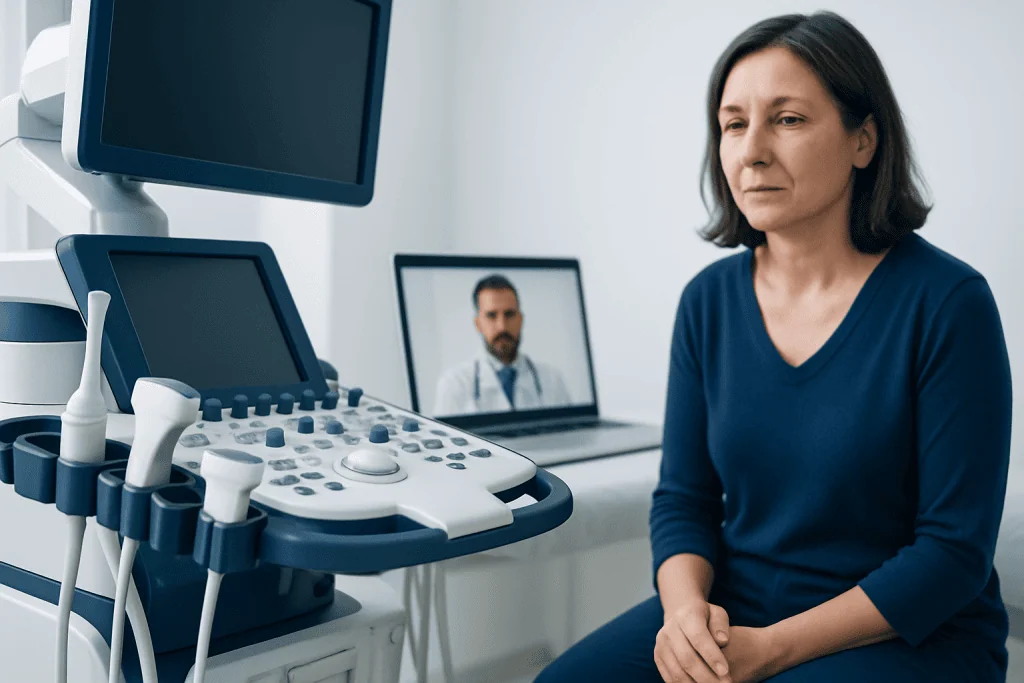
Start with the medical basics. Ask what the team understands about your condition from the records you have shared, and whether those records are sufficient to make a preliminary recommendation. If the answer is no, ask exactly what is missing, a more recent scan, an original pathology report, a specific blood panel, so you can obtain it before you travel rather than after you arrive. Our guide on how to organise your test results before traveling to Turkey covers this in detail.
Then ask about options, not just the recommended one. Are there non-surgical alternatives? Is the treatment time-sensitive, or can it reasonably wait for a date that suits you? Why does the doctor prefer one approach over another for your specific case? You are not challenging the recommendation by asking; you are checking that it was made with your circumstances in mind rather than as a standard answer.
Ask what the treatment is aiming for in practical terms: symptom relief, confirmation of a diagnosis, improved function, or something else. Also ask about limitations. A careful clinician will explain possible benefits alongside what the treatment cannot do and what remains uncertain. Be wary of any consultation, anywhere, that offers only upside. If you want a framework for weighing the answer you receive, see understanding your treatment plan before traveling to Turkey.
- What is the likely diagnosis based on my records, and how confident are you in it remotely?
- Do I need further tests before a final decision can be made?
- What are my treatment options, and why do you recommend this one for me?
- Is this treatment urgent, or can I plan it around my own schedule?
- What findings after arrival could change or postpone the plan?
- What are the main risks and limitations of the recommended approach?
Questions about tests, timing, and how long to stay

Many patients focus on the procedure and forget the calendar. One of the most valuable questions in the whole call is this: how many days should I plan to be in Turkey, counted from arrival to fit-to-fly clearance? The honest answer usually spans consultations, pre-treatment tests, the treatment itself, observation, and at least one early follow-up review. Book your return flight on the optimistic end of that range and you may pay to change it.
Ask which tests will be needed after arrival. Blood work, imaging, cardiac checks and specialist reviews are common before significant procedures. Tests from your home country are sometimes accepted if they are recent and of sufficient quality; sometimes they must be repeated to a specific standard. Ask which of your existing results the team will use and which it will redo, because repeat tests add both days and cost.
Ask specifically about flying home. When is it usually considered safe after this treatment? Will you need a companion for the journey? Are there positions, cabin conditions or connection times to avoid? Your return flight should follow medical guidance, not fare calendars: the guide on questions to ask before you book a recovery flight home walks through this decision on its own.
- How many days should I plan to stay, from arrival to fit-to-fly clearance?
- Which of my existing tests will you accept, and which will be repeated?
- Can I send scans and reports in advance so the review happens before I travel?
- How soon after arrival would treatment likely take place?
- When is it usually considered safe to fly home, and will I need a companion?
- Is there a buffer built into the schedule if a test result delays things?
Questions about safety, medications, and your personal risk factors
A good consultation includes a frank conversation about you, not just the procedure. Tell the team about chronic conditions, previous surgeries, allergies, implanted devices, smoking, pregnancy or the possibility of pregnancy, and any recent infections or health changes. Each of these can affect whether treatment is suitable, what preparation is needed, and whether extra reviews are required before a date is set.
Medications deserve their own part of the conversation. Blood thinners, diabetes medication, steroids, hormone therapy and even herbal supplements can matter around anaesthesia and procedures. Do not adjust anything yourself; any change is a decision for your treating doctors. Your job at this stage is disclosure: give a complete, written list of everything you take, including doses and non-prescription products, and ask which items the doctors will want to discuss further before treatment.
Hospitals that regularly treat international patients typically run structured pre-assessment processes, but those processes only work with complete information. Ask what would make you unsuitable for treatment right now, and what circumstances would postpone or cancel it for safety reasons after you arrive. A team willing to describe its own stopping points is telling you something reassuring about how it works. If a major operation is being discussed, it is also reasonable to ask how intensive care is arranged and who would look after you if it were needed.
- Do any of my conditions make travel or this treatment higher risk for me?
- Which of my medications or supplements do the doctors need to review before a date is set?
- Is there anything that would make me unsuitable for treatment right now?
- What findings after arrival would postpone or cancel treatment for safety reasons?
- Which changes in my health before travel would mean the plan needs to be reviewed?
Questions about costs, documents, and practical arrangements
You do not need a number recited on the call; you need the structure behind the number. Ask what the quotation includes and what is commonly billed separately, additional tests, extra hospital nights, medications, pathology, implants or devices, and further specialist reviews are the usual variables. Then ask what circumstances would change the total, and how you would be told if they did. A written, itemised quote is far easier to compare and question than a single figure, and the guide on questions to ask before accepting a treatment quote in Turkey goes deeper on exactly this.
Ask what documents to send before travel. This typically means passport information for registration, prior reports and imaging files, a medication list, and details of previous operations. If insurance, a government referral or an embassy-related process is involved, raise it in this first call, administrative approvals often take longer than the medical review, and starting them early protects your dates.
Finally, ask what practical support exists around the clinical care. International patient departments are commonly asked about interpreter services, appointment coordination, airport transfer information and accommodation guidance. Ask what is arranged for you, what is merely recommended, and what you are expected to organise yourself: the difference matters when you land in an unfamiliar city. It is also sensible to ask about cancellation and refund terms before paying any deposit; refund and cancellation questions to ask before treatment lists the specifics.
- What does the estimate include, and what is billed separately?
- What situations would change the total, and how would I find out?
- Which records and documents should I send before travel, and in what format?
- Is interpreter support available in my language, and how is it arranged?
- What are the deposit, cancellation and rescheduling terms?
Questions about the trip itself: entry, advisories, and traveling with medication
Treatment planning does not exempt you from ordinary travel planning. Before booking, check your own government’s current travel advice for Türkiye and the entry requirements that apply to your nationality, visa or e-visa rules, passport validity and any health-related entry conditions can change, and official advisory pages are updated far more often than any hospital website. Restrictions and advisories vary by country of origin, so verify against your own government’s source rather than a summary written for someone else.
Use the consultation to ask travel questions the team answers every week. If you take regular medication, ask how to carry it: as a general practice, travellers keep medicines in original packaging in hand luggage with a copy of the prescription, and some medication categories benefit from a doctor’s letter. Ask whether your specific medicines raise any issues for travel, and whether equivalents are available locally if luggage is lost. Ask about seasonal factors too, summer heat in some regions is a genuine consideration if you will be recovering from a procedure.
On the everyday do’s and don’ts: Turkey is a well-travelled destination and the practical rules are unremarkable, carry identification, use licensed taxis or arranged transfers, drink bottled water if your stomach is sensitive to change, and dress modestly when visiting mosques. For a medical trip specifically, the more important habits are keeping your documents in one folder, allowing generous time between appointments, and not scheduling strenuous sightseeing into the days around your treatment.
- What entry requirements apply to my nationality, and where do I verify them?
- How should I carry my medications, and do any of them need documentation?
- Is there anything about the season or location I should plan around?
- How will I get from the airport to my accommodation and to the hospital?
Questions about recovery, follow-up, and going home
Do not end the call without discussing what happens after treatment. Ask what the first days and weeks typically look like for someone in your situation: how much rest, what help you may need from a companion, whether dressings or mobility aids are involved, and how much time away from work is realistic to plan for. These answers shape your flight dates, your accommodation choice and what you arrange at home before you leavepreparing your home before traveling to Turkey for treatment covers that side of the planning.
Ask how follow-up works once you are back in your own country. Some patients need remote review of results, wound checks by photograph or video call, imaging at set intervals, or coordination with their local doctor. Ask who your named point of contact for follow-up will be, through which channel, and in which language, so that arrangement is agreed before you travel rather than improvised after discharge.
Finally, ask what paperwork you will receive before leaving Turkey. A discharge summary, copies of test results and imaging, prescriptions, and written fit-to-fly guidance are all things your local doctor will want to see. Ask which language the documents come in and whether translated versions are available. Teams experienced in international care can usually prepare this as a standard part of discharge, but it is much easier to confirm on the first call than to request retrospectively.
- What does early recovery typically involve for this treatment?
- Will I need a companion, and for how long?
- How does remote follow-up work after I return home, and who is my named contact?
- What documents will I receive at discharge, and in which language?
- What should my local doctor receive from you?
Step by step
- Step 1: Gather your records before the call. Collect recent reports, scans, blood results, your medication and supplement list, and details of previous treatments. Organise them by date so the doctor and coordinator can review them quickly and tell you what is missing.
- Step 2: Write your questions down first. Lead with the ones that affect your decision to travel: suitability, options, tests, risks and recovery time. Keep the list in front of you during the call; almost everyone forgets something under mild pressure.
- Step 3: Ask for a realistic travel timeline. Not just when treatment can happen, but how many days you need in Turkey overall, when tests are done, and when flying home is usually considered safe.
- Step 4: Disclose everything medical. Every regular medicine, over-the-counter product and supplement; every chronic condition, allergy, prior operation and recent health change, even the ones that seem unrelated. Do not change anything yourself: that is a decision for your treating doctors.
- Step 5: Clarify documents and practical support. What to send before travel, what the hospital arranges, what it recommends, and what you organise yourself: interpreter support, scheduling, transfers, accommodation.
- Step 6: Settle follow-up before you commit. Agree how remote follow-up works, who your contact will be, and what paperwork you leave with, so your local doctor can pick up your care without gaps.
Your checklist
- Recent medical reports and diagnosis summary
- Imaging files and radiology reports, if relevant
- Complete medication and supplement list with doses
- Allergy information and previous surgery history
- Passport details for registration planning
- A written list of your top consultation questions
- Travel date range or preferred treatment window
- Details of any chronic illness, pregnancy, or implanted device
- Insurance, referral or embassy paperwork, if any applies to you
Key takeaways
- The questions to ask at your online consultation before traveling to Turkey fall into five groups: diagnosis and options, timing and tests, safety and medications, costs and documents, and recovery and follow-up.
- Ask directly whether a plan can be confirmed remotely or only after examination in Turkey: the honest answer shapes everything you book.
- Plan your stay around fit-to-fly clearance, not the treatment date, and let flight bookings follow medical guidance.
- Disclose all conditions, medications and supplements in writing; any changes to what you take are decided by your treating doctors, not by you.
- Understand the structure of the quote, what is included, what is separate, what changes it, before you accept it.
- Check your own government’s current travel advice and entry requirements for Türkiye alongside the medical planning.
- Leave the call knowing how follow-up works at home and what documents you will carry back for your local doctor.
Frequently asked questions
What is the most important question to ask during an online consultation before traveling to Turkey?
Whether you are a suitable candidate to travel and proceed with the proposed treatment, based on your current health and records, and, immediately after that, what could change that assessment after you arrive, such as repeat imaging or findings from an in-person examination. Everything else you book depends on those two answers.
Can a treatment plan be fully confirmed during an online consultation?
Sometimes a preliminary plan can be discussed in useful detail, but a final decision is not always possible remotely. Many patients still need a physical examination, repeat imaging or pre-treatment tests in Turkey before the plan is confirmed. Ask which category you fall into so your expectations and bookings match reality.
What do I need to know before traveling to Turkey for treatment?
Beyond the medical plan: your visa or e-visa requirements and passport validity, your government’s current travel advice for Türkiye, how to carry your medications with prescriptions in hand luggage, travel insurance terms, and a realistic length of stay that runs from arrival to fit-to-fly clearance rather than just to the treatment date.
Are there current travel restrictions for Turkey?
Entry requirements and advisories change and differ by nationality, so no guide can answer this permanently. Check your own government’s official travel advice for Türkiye shortly before booking and again before departure, sources such as the US State Department, the UK Foreign Office and the CDC traveller pages are updated regularly.
What are the do’s and don’ts when visiting Turkey as a medical traveller?
The everyday rules are ordinary: carry identification, use licensed taxis or arranged transfers, and dress modestly at religious sites. For a medical trip, the more important habits are keeping medicines in original packaging with prescriptions, keeping all documents in one folder, allowing buffer days in your itinerary, and not scheduling demanding sightseeing around your treatment dates.
What documents should I prepare for the online consultation itself?
Recent reports, scans and laboratory results, a complete medication and supplement list, allergy details, and information about previous surgeries or major illnesses. A brief written summary of your history and current symptoms helps the doctor use the call time on decisions rather than data gathering.
Can I discuss costs during the consultation?
Yes, and you should, structurally. Ask what the estimate includes, what is commonly billed separately, and which situations would change the total, such as extra tests or a longer stay. Ask for the quote in writing, itemised, together with deposit and cancellation terms.
Do I need to mention supplements and non-prescription medicines?
Yes. Herbal products, vitamins and over-the-counter medicines can matter as much as prescriptions, because some affect bleeding, anaesthesia, blood sugar or recovery. List everything and let the treating doctors decide what is relevant, never stop or change anything on your own.
Add us as a Preferred Source to see more of our trusted health content across Google Search, AI Overviews and Discover.

Update history
- PublishedJuly 6, 2026
- Medical review approvedSeptember 13, 2026
- Last content updateSeptember 12, 2026
References2
More Patient Guides

How Long Does Anesthesia Last? Wear-Off Times by Type
Coming round from an operation, almost everyone asks the same two questions: when will my head feel normal, and how long is…

Flying to Turkey After a Recent Illness: When Is It Safe to Travel?
Flying to Turkey after a recent illness may be safe once you are medically stable and cleared to travel; plan airline support…

Braces, Retainers, and Dental Work Before Surgery in Turkey: What to Tell Your Team
Braces, retainers and dental work before surgery in Turkey should be shared with your care team early to plan safe anaesthesia and…

When to Stop Eating, Drinking, or Smoking Before a Procedure in Turkey
When to stop eating before a procedure in Turkey depends on your anesthesia plan; follow your care team’s exact fasting instructions for…