

Returning to Work After Treatment in Turkey: How to Plan Your First Weeks Back

Plan your return around your recovery, not the calendar. Before flying home, collect your discharge summary, medication plan and activity limits in writing. Agree a flexible return date with your employer, keep the conversation practical rather than medical, and book any local follow-up before your first week back. A lighter first fortnight with room for rest usually works better than a full-speed restart.
You may be back in your own kitchen, sleeping in your own bed, and still nowhere near ready for a full working day. That gap between being home and being back to normal is where most return-to-work plans fail. This guide walks you through what to arrange before you fly, how to talk to your employer, and how to pace your first weeks so that work supports your recovery rather than competing with it.
At a glance
- Best for: Patients preparing to resume work after treatment in Turkey
- Main focus: Energy pacing, employer conversations, documentation and follow-up planning
- When to use this guide: Before you fly home and during your first two to six weeks back
- Helpful to have ready: Discharge summary, medication plan, activity limits in writing, follow-up contacts
- Key reminder: Your return date should match your recovery, not your calendar
Why returning to work after treatment in Turkey needs its own plan
Returning to work after treatment in Turkey is not the same as returning to work after treatment at a hospital ten minutes from your house. You add a long flight, a time-zone shift, and the practical reality that your treating team is now in another country. None of this is a problem if you plan for it. Most of it becomes a problem if you do not.
The date you re-open your laptop matters far less than what sits behind it: how much energy you actually have, what your job demands physically and mentally, whether you are still taking new medication, and what support exists at home. A desk job with flexible hours is a different proposition from shift work, driving, manual handling or a safety-sensitive role. Two people who had the same procedure can have very different sensible return dates for that reason alone.
Before you leave Turkey, ask your care team what a realistic short-term routine looks like for you. Depending on the treatment, there may be periods when long commutes, heavy lifting, prolonged standing, irregular hours or intense concentration are best avoided. If your treatment involved surgery, ongoing pain management or rehabilitation, a gradual return is often the sensible route rather than an immediate full one. Our guide on planning recovery time realistically covers how to build that estimate before you commit to a date.
One honest note: no guide can tell you your personal timeline. That comes from your treating team’s advice for your specific treatment, adjusted by how your recovery actually goes. What a guide can do is help you ask the right questions early and structure the weeks around the answers.
What to arrange before you leave Turkey
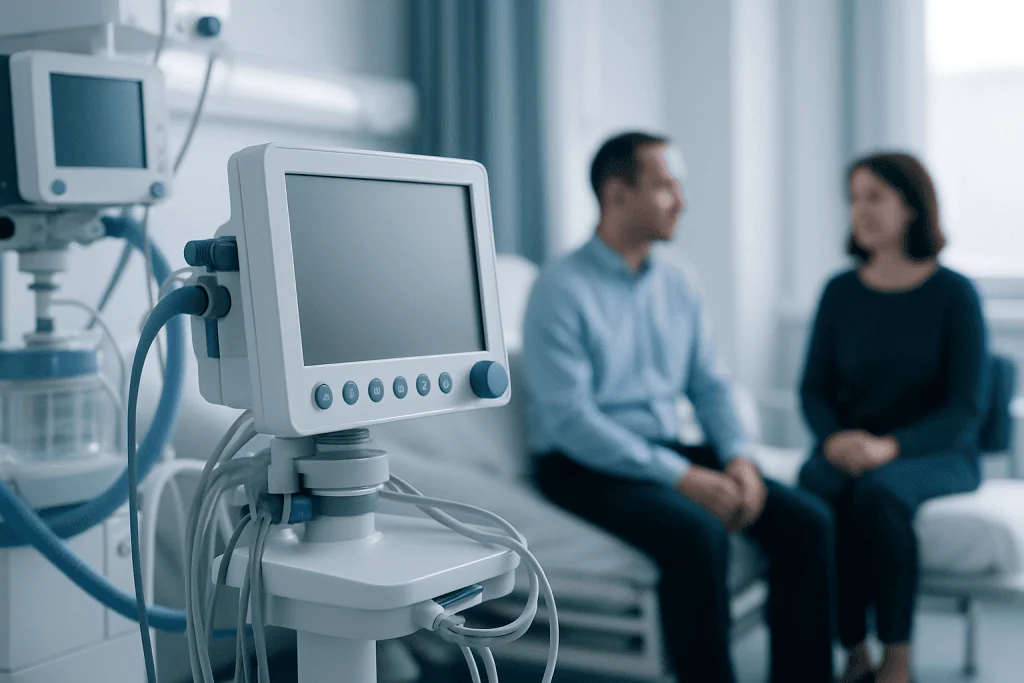
The most useful return-to-work planning happens before your flight home, not after it. Once you land, you will be tired, possibly jet-lagged, and focused on settling back into daily life. Questions that take five minutes to answer at the hospital can take days to resolve by email across time zones.
Ask for your discharge summary, a complete medication list, your follow-up schedule, wound care or rehabilitation instructions where relevant, and clear written advice on activity limits. If your employer, insurer or occupational health team may ask for evidence of treatment or recovery recommendations, request supporting documents before departure and check that they are in English or another language your workplace can use. Save digital copies on your phone and email them to yourself as a backup to the printed set.
Medication deserves particular attention, because pharmacy names, doses and availability vary between countries. Confirm what each medicine is for, how long you are expected to take it, and whether an equivalent exists at home. Our guide on returning home with new medicines explains how to organise this handover so nothing runs out mid-week. Any change to what you take, when you take it, or whether you stop is a decision for your treating doctor, so get those instructions in writing rather than relying on memory.
While you are still at the hospital, ask the international patient team to help you gather discharge papers, follow-up instructions and supporting documentation, and to clarify which future questions belong with your treating team and which belong with your local doctor. That handover matters most if you expect to need blood tests, dressing changes, rehabilitation or symptom monitoring in your home country. If you have been given specific limits on lifting, driving or flying, the guide on travelling home with new medical restrictions covers how those affect the journey itself.
- Keep printed and digital copies of all key medical documents.
- Check whether your medication is available in your home country and under what name.
- Confirm which contact handles routine questions and which handles anything more pressing.
- Ask when travel, driving, exercise and work can usually be resumed for your treatment, and get it in writing.
How to talk to your employer without oversharing

You do not owe your workplace a medical history. What most employers actually need is functional information: how many hours you can manage, whether you can sit or stand comfortably, whether you need breaks, whether certain tasks are off-limits for a while, and when follow-up appointments will take you away from your desk. Keeping the conversation at that level protects your privacy and usually makes the discussion easier for everyone.
Where possible, contact your manager or HR team before your first day back rather than on it. Tell them whether you expect a full return, a phased return, remote work, adjusted duties or temporarily reduced hours. If you genuinely do not know yet, say so plainly: your recovery is progressing and you may need flexibility for the first couple of weeks. That is a more useful message than an optimistic promise you then have to walk back.
Requirements for sickness documentation vary by country. In some places a fit note or equivalent from a local doctor is expected after a period of absence; in others, your employer’s own occupational health process leads. Find out which applies to you before you travel, so you can request the right supporting paperwork from your treating team while you are still in Turkey and share it with a local doctor if one needs to issue the formal note.
If your work is physically demanding, safety-sensitive or highly stressful, ask whether an occupational health review is appropriate before you resume full duties. Practical adjustments worth raising include later start times, shorter meetings, a workstation nearer to restrooms, more frequent breaks, no lone working for a period, or protected time for follow-up appointments. Clear expectations agreed early prevent the quiet overexertion that leads to setbacks.
Full return or phased return: how to choose
A phased return means starting with reduced hours or lighter duties and building up over an agreed period, usually a few weeks. It suits people whose stamina is still recovering, whose concentration is not yet reliable for a full day, or whose follow-up schedule would make full-time attendance awkward anyway. A full return suits people whose treatment and recovery guidance clearly support it and whose work does not conflict with any remaining restrictions.
There is no prize for choosing the harder option. A phased return that holds is better than a full return that collapses in week two and turns into a longer absence. If you are choosing between two dates, the later one with a lighter schedule is usually the safer bet, because it is far easier to accelerate a return that is going well than to retreat from one that is not.
Whichever you choose, treat the plan as provisional. Recovery is rarely linear, and a plan that assumes steady daily improvement will disappoint you. Build in a review point with your employer after the first week or two, so adjusting the arrangement is a scheduled conversation rather than an admission of failure.
Managing energy, concentration and daily routine
Being home is not the same as being recovered. The first weeks back often bring fluctuating energy, lighter sleep, shorter concentration spans and emotional ups and downs, even after a recovery that your doctors would call straightforward. Long-haul travel, disrupted routine and the sudden absence of hospital structure all pull in the same direction, and work pressure lands on top.
Pacing is the single most useful habit. Put your most demanding tasks in the part of the day when you usually feel strongest, and leave deliberate space between commitments. If you work at a desk, get up regularly, move as your team has advised, and keep water and any medication within reach so that taking them on time does not depend on remembering during a busy afternoon. If your job is active, respect the limits you were given and pay attention to discomfort and fatigue before increasing your workload, not after.
Lower the non-essential demands at home for a short period too. Stock the kitchen before your first working week, simplify errands where you can, and accept offers of help. Recovery tends to go better when limited energy is spent on essentials rather than on proving that everything is back to normal. Nobody at work benefits from you arriving exhausted because you spent Sunday demonstrating that you could still do everything you did before.
- Use a short daily plan instead of a full to-do list.
- Schedule breaks before you feel exhausted, not once you already are.
- Keep hydration, meals and medication timings consistent across the day.
- Expect progress to be uneven; judge the week, not the day.
Follow-up care after you return home
Work is much easier to resume when your medical follow-up is already organised around it, rather than squeezed in afterwards. Before your first day back, make sure you know which reviews are still needed, whether any test results are pending, and how your ongoing care is split between your treating team in Turkey and clinicians at home. If a local doctor will continue your care, share your treatment records with them as early as possible so they are not working blind.
Depending on your treatment, follow-up may include wound checks, imaging, blood tests, rehabilitation sessions, medication reviews or monitoring for side effects. Booking these before your first working week means you can plan work around them instead of negotiating time off at short notice. If blood tests are part of your plan, the guide on planning follow-up blood tests after returning home covers how to coordinate timing, labs and result-sharing between countries.
Time zones complicate communication with a treating team abroad, so save the correct contact route and understand realistic response times for routine questions. Many patients also arrange a remote review of results or progress with their treating team once early tests are done at home; our guide on remote results review after returning home explains how to time that check-in sensibly.
If language is a barrier, ask for interpreter support while you are still at the hospital so written instructions are clear before you fly, and confirm what should be monitored locally versus what warrants a direct update to the treating team. The clearer that division of responsibility is before you fly, the fewer awkward gaps appear once work fills your week.
The part nobody schedules: emotional recovery
Some people feel unexpectedly flat, anxious or vulnerable in the weeks after medical travel. It often surprises them, because the hard part is supposedly over. But hospital care is structured: someone checks on you, decisions are made for you, and each day has a shape. When that structure disappears and normal life resumes, the adjustment can be genuinely disorienting, and returning to work can sharpen it rather than soften it.
Practical recovery and emotional recovery influence each other. Poor sleep drags on concentration; frustration at slow progress tempts people into overdoing things; overdoing things sets progress back and feeds the frustration. Recognising this loop is most of the battle. Building rest into the schedule, keeping expectations for the first fortnight deliberately modest, and staying honest with the people around you about how the days are actually going all help to break it.
Your discharge paperwork explains which changes in your condition deserve a review and who handles routine questions versus more pressing ones. Keep that guidance accessible rather than filed away, and treat your local doctor as part of the picture for both the physical and the emotional side of the return. A short delay or a temporary adjustment is almost always a smaller cost than a forced return that unravels.
Step by step
- Review your discharge instructions before you travel home. Read your discharge summary, medication plan and activity advice while you are still in Turkey. If anything is unclear, ask for clarification before departure so you are not guessing from another country.
- Set a tentative return date, not a fixed promise. Base it on your recovery guidance and treat it as flexible. It is easier to bring a return forward when things go well than to step back from a date you announced too confidently.
- Talk to your employer about practicalities, not medical detail. Cover hours, tasks, breaks, adjustments and appointment time. Ask whether a phased return or occupational health review applies to your role.
- Check your home country’s paperwork requirements. Find out whether a fit note or equivalent is needed and who issues it, so you can request the right supporting documents from your treating team before you fly.
- Arrange local follow-up before your first week back. Book appointments with your local doctor, rehabilitation provider or occupational health team in advance, and share your records with them early.
- Plan your first two working weeks lightly. Cut non-essential meetings, avoid overbooking, and leave room for rest and appointment travel. Stamina and concentration usually rebuild gradually, so a lighter schedule outperforms a full-speed restart.
- Track energy and symptoms honestly. Note pain, sleep, mobility, medication timing and mental focus during the first days back. If work is clearly making recovery harder, adjust the plan early rather than waiting until you are exhausted.
- Keep your follow-up contacts easy to find. Know which contact handles routine questions and which handles anything more pressing, and keep your coordinator details and hospital instructions where you can reach them quickly.
Your checklist
- Discharge summary saved as paper and digital copies
- Medication list checked against what is available at home
- Fit note or equivalent paperwork requirements confirmed for your country
- Return-to-work date discussed with employer or HR, marked as flexible
- Follow-up appointments booked or planned before the first working week
- Travel, lifting, driving and exercise limits confirmed in writing
- Routine and non-routine contact details stored and shared with someone at home
- Home routine simplified for the first one to two weeks
- Work bag packed with medication, water and any supportive items
Key takeaways
- Plan returning to work after treatment in Turkey around your actual recovery, not external pressure or an announced date.
- Collect documents, written activity limits and medication guidance before leaving Turkey, when answers are five minutes away.
- Keep employer conversations functional: hours, tasks, breaks and appointments rather than medical detail.
- Expect energy and concentration to fluctuate; a light first fortnight with a scheduled review point works better than a full-speed restart.
- Organise local follow-up and record-sharing before your first working week, and know how responsibility is split between your treating team and clinicians at home.
Frequently asked questions
How soon can you return to work after treatment in Turkey?
There is no single timeline. It depends on your treatment, your overall health, the demands of your job and how your recovery progresses. A desk-based role may be resumable earlier than physically demanding work, but the guidance in your discharge instructions is the reference point, and your treating team’s advice for your specific case outweighs any general rule.
Should you tell your employer that you had treatment abroad?
You can, but you usually only need to share what is relevant to your return. Practical details, expected hours, restrictions, need for breaks, and follow-up appointments, matter far more to most workplaces than where or why you were treated. Keep the conversation about function, not diagnosis.
What documents should you bring home for work and follow-up?
Bring your discharge summary, treatment records, medication list, any recovery recommendations or supporting notes for your employer or insurer, and the contact details for follow-up questions. Keep printed and digital copies so you can share them with your employer, local doctor or occupational health team without delay.
Is a phased return to work a good idea after medical travel?
For many people, yes. A phased return spreads the physical and mental load, leaves room for follow-up appointments, and lets stamina and concentration rebuild gradually. It is also easier to shorten a phased return that is going well than to recover from a full return that proved too much too soon.
What if your energy drops once you are back at work?
Fluctuating energy is common after treatment, long travel and disrupted routine, even when recovery is otherwise going well. Reducing non-essential tasks, protecting breaks and raising adjustments with your manager early tends to work better than pushing through until the week collapses.
Who handles your follow-up once you are home: Turkey or your local doctor?
Usually both, with a defined split. Your discharge paperwork should state which questions and reviews belong with your treating team in Turkey and which sit with a local doctor, for example, routine blood tests or dressing changes locally, with results shared back to the treating team where relevant. Clarifying that split before you fly avoids gaps later.
Do you need a fit note if you were treated abroad?
It depends on your home country and your employer’s process. In some countries a local doctor issues the formal note, often based on the records and recommendations from your treating hospital. Check the requirement before you travel so you can request the right supporting documents from your team in Turkey while you are still there.
Add us as a Preferred Source to see more of our trusted health content across Google Search, AI Overviews and Discover.

Update history
- PublishedJuly 6, 2026
- Medical review approvedSeptember 1, 2026
- Last content updateSeptember 1, 2026
References3
- MedlinePlus: After Surgery medlineplus.gov
- GOV.UK: Taking sick leave gov.uk
- NHS: Self-help tips to fight tiredness nhs.uk
More Patient Guides

Flying After a C-Section: Timing for New Mothers
A C-section is real abdominal surgery that happens to come with a newborn attached, so the flying question has two clocks…

When Can You Drive After Anesthesia or Sedation?
You feel fine an hour after the procedure. You are chatting, you walked to the car unaided, you could obviously drive it.…

Flying After Hip Replacement: When Is It Safe?
Hip replacement recovers famously well, many patients walk further at three weeks than they had in three years. Flying is part…

Flying After Knee Replacement: When Is It Safe?
The knee is new, the physio is going well, and there is a boarding pass with your name on it. Flying after…