Type 2 Diabetes Treatment
Type 2 diabetes care focuses on controlling blood sugar, reducing cardiovascular and kidney risks, and preventing complications through lifestyle changes, medication, monitoring, and specialist follow-up.
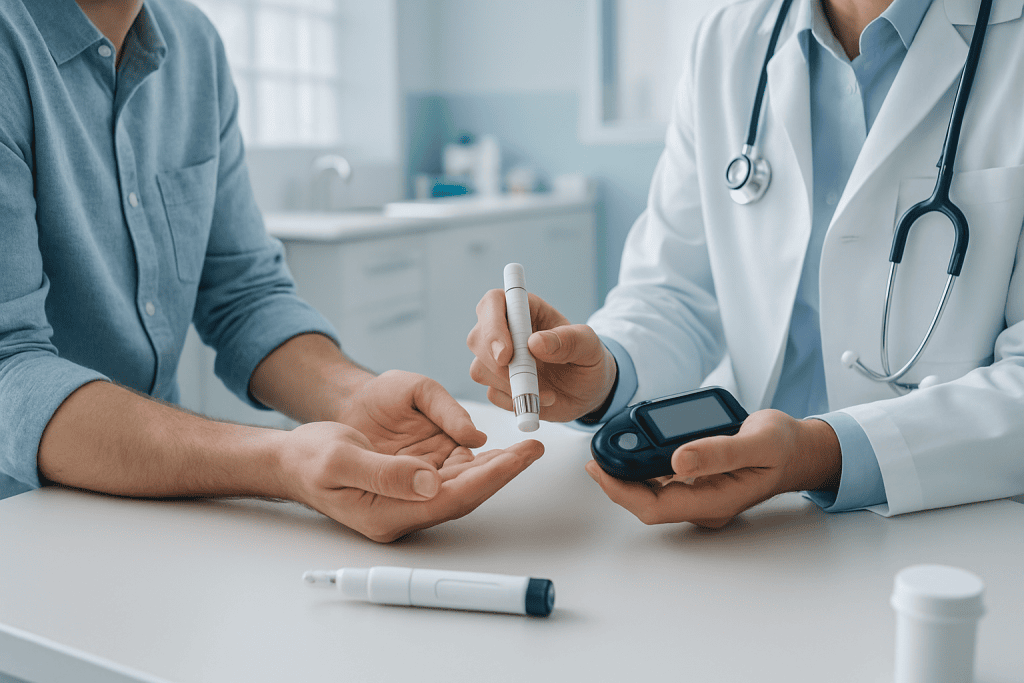
Quick answer
Type 2 diabetes is a long-term condition in which the body resists insulin and blood glucose rises above the healthy range. Treatment combines a personalised eating plan, physical activity, glucose monitoring and, when needed, tablets or insulin, alongside regular checks of the heart, kidneys, eyes, nerves and feet. The aim is stable glucose, fewer symptoms and a lower risk of long-term complications.
Diabetes Symptoms and Type 2 Diabetes: Understanding the Condition
Type 2 diabetes is a chronic metabolic condition in which the body stops responding properly to insulin, the hormone that moves glucose from the bloodstream into your cells. Over time the pancreas may also struggle to produce enough insulin, and blood glucose rises above the healthy range. Treatment combines nutrition, physical activity, glucose monitoring and medication when needed, together with regular checks of the organs that persistently high glucose can damage.
Many people first learn they have the condition after a routine blood test, without ever feeling unwell. Others notice diabetes symptoms — persistent thirst, frequent urination, fatigue, blurred vision, slow-healing cuts or unexplained weight change — and seek medical help because something feels wrong. Both routes to diagnosis are common, and neither says anything about how well the condition can be managed afterwards. What matters is what happens next: a clear diagnosis, an honest assessment of your wider health, and a plan you can actually follow.
Type 2 diabetes is common, but it should never be treated casually. When blood sugar stays elevated for months and years, it gradually affects blood vessels and nerves throughout the body. This is why modern care is not limited to lowering glucose numbers. It also focuses on reducing cardiovascular risk, protecting kidney function, preventing vision loss, preserving nerve health, supporting a healthy weight and helping you make daily choices you can sustain. A diagnosis often raises questions that go well beyond blood sugar: what it means for your heart, your kidneys, your eyes, your work, your travel plans and your long-term independence. Good care answers those questions rather than avoiding them.
What is type 2 diabetes?
Type 2 diabetes is the most common form of diabetes, in which the body becomes resistant to insulin and gradually loses the ability to keep blood glucose in a healthy range. Insulin normally acts like a key, letting glucose out of the bloodstream and into muscle, liver and fat cells where it is used for energy. In type 2 diabetes, the cells respond poorly to that key. The pancreas compensates at first by producing more insulin, which is why the condition can smoulder for years without obvious signs. Eventually the pancreas cannot keep up, glucose accumulates in the blood, and the diagnosis becomes detectable on standard blood tests. Some people have mild elevations for a long time without symptoms; others develop significant hyperglycaemia that needs prompt treatment. It differs from type 1 diabetes, an autoimmune condition in which the pancreas stops making insulin altogether, usually earlier in life.
What causes type 2 diabetes?
Type 2 diabetes is caused by a combination of insulin resistance and declining insulin production, driven by genetics, body weight, physical inactivity, age and other metabolic factors acting together. No single cause explains every case. Excess weight — particularly fat stored around the abdomen and inside the liver — makes cells less responsive to insulin. A sedentary routine reduces the muscle activity that normally helps clear glucose from the blood. Age matters because insulin production and sensitivity tend to decline over the decades. Certain conditions raise risk further, including high blood pressure, abnormal cholesterol, fatty liver disease, sleep apnoea and polycystic ovary syndrome. Some medications, such as long-term steroids, can push a predisposed person over the diagnostic threshold. Importantly, cause is not blame: many of these factors are only partly within anyone’s control, and understanding them is useful mainly because several of them can be improved.
Is type 2 diabetes genetic?
Yes, in part — type 2 diabetes runs strongly in families, and having a parent or sibling with the condition raises your own risk. But genes are a predisposition, not a sentence. Inherited factors influence how sensitive your cells are to insulin and how resilient your pancreas is, while lifestyle and environment influence whether that predisposition ever becomes disease. Two people can carry similar genetic risk and have very different outcomes depending on weight, activity, diet and other health conditions. Ethnic background also plays a role: the condition appears earlier and more often in some populations. If diabetes is common in your family, the practical conclusion is not fatalism but earlier and more regular screening, because the condition is easiest to manage when it is caught before complications begin.
Symptoms of Diabetes: What to Look For
Symptoms of diabetes appear when blood glucose rises high enough for the body to start compensating in visible ways. The kidneys work harder to filter and excrete the excess sugar, pulling water with it — which is why frequent urination and thirst so often arrive as a pair. Cells starved of usable energy produce fatigue and hunger. Fluid shifts in the lens of the eye blur vision. High glucose impairs immune function and circulation, so infections recur and wounds heal slowly. Yet one of the defining features of type 2 diabetes is how quietly it can begin: a large share of people have no obvious complaints at all, which is why routine blood testing matters so much for anyone with risk factors.
What are 5 early warning signs of diabetes?
The five diabetes symptoms most people notice first are increased thirst, frequent urination, unusual fatigue, blurred vision and slow-healing cuts or wounds. In more detail:
- Increased thirst — a persistent, hard-to-quench thirst that continues even when you drink more than usual.
- Frequent urination — needing the toilet more often, including waking at night to urinate when you did not before.
- Fatigue — feeling drained despite adequate sleep, because glucose is circulating in the blood rather than fuelling your cells.
- Blurred vision — glucose-related fluid changes in the lens of the eye can make vision fluctuate from day to day.
- Slow wound healing — cuts, grazes or blisters that take noticeably longer than usual to close, or that become infected easily.
None of these signs is unique to diabetes, and having one or two does not confirm a diagnosis. What makes them meaningful is persistence and combination — several appearing together, over weeks, without another explanation.
What are the first signs of being diabetic?
The first signs of type 2 diabetes are often subtle rather than dramatic, and some are easy to attribute to age, stress or a busy life. Beyond the classic five, early clues can include increased hunger even after meals, unexplained weight loss or weight gain, recurrent thrush or urinary infections, itchy or dry skin, tingling or numbness in the toes and feet, and darkened velvety patches of skin at the neck or armpits — a sign of insulin resistance called acanthosis nigricans. Some people notice gum problems, or that minor foot injuries go unnoticed because sensation has dulled. Because these changes creep in gradually, family members sometimes spot them before the person does. The quieter the onset, the more valuable a simple blood test becomes.
How can I tell if I have diabetes?
The only reliable way to know whether you have diabetes is a blood test — diabetes symptoms alone can neither confirm nor exclude the diagnosis. Doctors use several tests, sometimes in combination: a fasting plasma glucose test, taken after an overnight fast; a glycated haemoglobin (HbA1c) test, which reflects average glucose over the previous two to three months; an oral glucose tolerance test, which measures how your body handles a standard glucose drink; or a random glucose test when symptoms are present. An abnormal result is usually confirmed with a repeat test before a diagnosis is made. Testing can also reveal prediabetes — glucose that is above normal but below the diabetic threshold — which is an important warning stage where intervention has the greatest preventive value. Home glucose meters and wearable sensors are useful for managing known diabetes, but a formal laboratory diagnosis should come first.
Diabetes Mellitus: Where Type 2 Fits in the Wider Family
Diabetes mellitus is the full medical name for the group of conditions in which blood glucose is persistently too high, and type 2 is by far its most common member. Understanding the family helps you understand your own diagnosis. Diabetes mellitus as a whole includes type 1 diabetes, in which the immune system destroys the insulin-producing cells of the pancreas; type 2 diabetes, driven by insulin resistance; gestational diabetes, which develops during pregnancy and usually resolves after delivery but raises the mother’s later risk of type 2; and rarer forms linked to genetic syndromes, pancreatic disease, hormonal disorders or medications. Latent autoimmune diabetes in adults (LADA) can initially look like type 2 but behaves more like a slow-onset type 1, which is one reason careful diagnostic work-up matters when the picture is unusual — for example, in a slim adult who deteriorates quickly on standard tablets. The word “mellitus” distinguishes these glucose conditions from diabetes insipidus, an unrelated disorder of water balance that shares only the symptom of passing large volumes of urine.
What does diabetes II mellitus mean?
Diabetes II mellitus is simply another way of writing type 2 diabetes mellitus — the same condition described throughout this page. You may encounter this Roman-numeral form in older medical records, translated documents or laboratory reports from different countries, along with other variants such as “T2DM”, “NIDDM” (non-insulin-dependent diabetes mellitus, an outdated term) or “adult-onset diabetes” (also outdated, since the condition now appears in younger people too). If your records use several of these labels across the years, they almost certainly refer to one and the same diagnosis. This matters practically for international patients: reconciling terminology, laboratory units and medication brand names across healthcare systems is often the first step in building a coherent treatment plan from fragmented paperwork.
Who May Need Type 2 Diabetes Evaluation and Treatment
You may need evaluation for type 2 diabetes if blood tests show elevated glucose, if you have symptoms suggestive of high blood sugar, or if you carry risk factors that make the condition more likely. Screening deserves particular attention if you have excess weight, a family history of diabetes, high blood pressure, abnormal cholesterol, polycystic ovary syndrome, a history of gestational diabetes, fatty liver disease or a largely sedentary routine. Because the condition can be silent for years, waiting for symptoms of diabetes to appear before testing means waiting too long for many people.
People seek specialist care at different points in their journey. Some come at the moment of diagnosis and want a thorough plan from the beginning rather than a prescription and a leaflet. Others have lived with diabetes for years but are not reaching their glucose targets despite treatment. Some struggle with medication side effects, frequent low blood sugar episodes, weight gain, worsening kidney results, heart disease or anxiety about starting insulin. Others have been advised to intensify treatment — more tablets, injections, or surgery for weight — and want an independent expert review before making a major change. All of these are legitimate reasons for a structured re-evaluation.
A complete assessment goes well beyond confirming the diagnosis. It typically includes evaluation of cardiovascular risk, blood pressure, cholesterol profile, kidney function, urine albumin, liver enzymes, weight and body composition, eye health, foot and nerve status, and the safety of your current medication list. In selected patients, physicians also look for sleep apnoea, thyroid disease or other hormonal disorders that influence glucose control. This wider view is what turns a laboratory number into a plan that is both medically sound and practical for your daily life.
International patients often need one additional layer of help: reconciling previous medical records, medication names that differ between countries, laboratory units that do not match, and treatment recommendations that vary across healthcare systems. A careful review clarifies what has already been done properly, what needs to be repeated, and which findings genuinely matter for the next stage of care — so that time and testing are not wasted duplicating what is already known.
Conditions and Indications Addressed by Type 2 Diabetes Care
Type 2 diabetes management addresses both the disease itself and the conditions that travel with it. The most direct indication is persistent elevation of blood glucose due to insulin resistance and reduced insulin secretion. Treatment is also considered for prediabetes in some patients, especially when the risk of progression is high or cardiovascular risk factors are already present, because early intervention at that stage may delay or reduce the likelihood of developing diabetes at all.
Many patients need care because diabetes is already affecting, or threatening, other organs. Diabetic kidney disease may appear as reduced kidney filtration or increased albumin in the urine, often long before any symptom is felt. Diabetic retinopathy damages the small blood vessels of the retina and can progress silently until vision is affected — one of the strongest arguments for routine eye screening even when eyesight feels normal. Neuropathy may cause numbness, burning pain, tingling, balance problems or loss of protective sensation in the feet. Diabetes also impairs circulation and wound healing, raising the risk of foot ulcers and infections that are far easier to prevent than to treat.
Cardiovascular prevention sits at the centre of modern treatment. People with type 2 diabetes carry a higher risk of coronary artery disease, heart attack, stroke, peripheral artery disease and heart failure. For this reason, physicians pay as much attention to blood pressure, cholesterol, smoking status, kidney function, weight and family history as they do to glucose itself. In some patients, diabetes medications are chosen not only for their glucose-lowering effect but because they may offer cardiovascular or kidney benefits when clinically appropriate — a judgement that depends on the individual medical profile, not on a standard recipe.
Care may also address related metabolic conditions: obesity, fatty liver disease, high triglycerides, low HDL cholesterol and metabolic syndrome. In women, diabetes may be linked with polycystic ovary syndrome or a history of gestational diabetes. In older adults, plans must balance glucose control against the risks of hypoglycaemia, falls, frailty and medication burden. In people preparing for surgery, cancer treatment, fertility treatment or long-distance travel, diabetes management may need temporary adjustment to keep those plans safe.
The indications for structured care are therefore broad: newly diagnosed diabetes, poorly controlled diabetes, medication review, insulin initiation or reassessment, prevention of complications, management of established organ damage, preoperative optimisation, pregnancy-related counselling, weight-related metabolic care and second opinions in complex cases.
How Type 2 Diabetes Treatment Is Performed
Treatment begins with a detailed medical assessment rather than a prescription. Your physician reviews your diagnosis, symptoms, previous laboratory results, medications, family history, eating patterns, physical activity, sleep, stress, occupation and any existing complications. For patients whose care has crossed between healthcare systems, recent blood tests, medication lists, imaging reports, eye examination results and hospital records all help build the full picture; where records are incomplete, testing can be organised during the evaluation itself. From there, care usually unfolds in a recognisable sequence:
- Laboratory and clinical assessment — fasting glucose, HbA1c, kidney function, liver function, cholesterol profile, blood count and thyroid function when indicated, plus urine testing for albumin as an early marker of kidney involvement. Blood pressure, weight, waist circumference and cardiovascular risk are reviewed alongside.
- Complication screening — a foot examination for circulation, skin integrity, sensation and nerve function; retinal evaluation to screen for diabetic eye disease; and cardiac assessment where risk or symptoms warrant it.
- Pattern analysis — some patients use finger-stick glucose testing at set times of day; others benefit from continuous glucose monitoring, in which a small sensor shows glucose trends over time and reveals patterns that occasional blood tests miss, such as overnight highs, post-meal spikes or unrecognised lows.
- A personalised treatment plan — combining nutrition, activity, medication where needed, monitoring targets and a schedule for review.
What does a diabetic diet actually involve?
A diabetic diet is not a single rigid menu but a sustainable eating pattern built around carbohydrate quality and portioning, fibre-rich foods, adequate protein, healthier fats, sensible hydration and — where medically appropriate — gradual weight reduction. Effective nutrition counselling starts from your real life: cultural food preferences, meal timing, work shifts, travel, family routines and religious practices all shape what is realistic. Practical themes usually include choosing slower-digesting carbohydrates over refined ones, distributing carbohydrate across the day rather than concentrating it in one meal, increasing vegetables and legumes, moderating alcohol safely, and learning to read how specific meals affect your own glucose readings. The aim is a pattern you can keep for years, not a short-term restriction that collapses after a month. Specialist dietitians in a nutrition and diet unit can adapt these principles to your medications, kidney function and weight goals — because a plan that ignores the rest of your treatment is not a plan.
Physical activity
Regular movement improves insulin sensitivity, supports weight management and benefits the heart. Guidance is individualised: plans may combine aerobic exercise, resistance training, walking programmes and flexibility work, or medically supervised activity for patients with heart disease, neuropathy, joint problems or limited mobility. Even modest increases in activity improve glucose patterns when they are consistent and safe. Muscle is metabolically valuable — resistance training in particular helps the body use glucose more efficiently — and consistency matters far more than intensity.
Medication and insulin
Medication decisions depend on your glucose level, HbA1c target, kidney function, cardiovascular history, body weight, risk of low blood sugar, the availability of drugs in your home country and your own preferences. Options include metformin; medicines that help the body release or use insulin more effectively; drugs that increase glucose excretion through the kidneys; medications that support appetite and weight control; and insulin when needed. Some are taken by mouth, others by injection, and treatment may begin with one medicine or a combination depending on how high glucose is and whether symptoms are present. Every one of these decisions — starting, adjusting or replacing a medicine — belongs to your treating doctor, made with your full medical picture in view.
Insulin deserves a plain word, because fear of it delays good treatment for many people: insulin is not a sign of failure. For some patients it is the safest and most effective way to control high glucose — particularly when diabetes is long-standing, when the pancreas produces limited insulin, during acute illness, around surgery, during steroid treatment or when glucose is very high at diagnosis. Insulin plans range from simple to detailed, and education is what makes them work: injection technique, dose timing, storage, travel considerations, recognising and treating low blood sugar, and how doses relate to meals and activity.
Technology and follow-up
Technology supports both diagnosis and treatment when it changes decisions rather than decorating them. Electronic medical records coordinate care among specialists. Laboratory systems track metabolic and organ markers over time. Imaging and cardiac testing are used when cardiovascular disease is suspected; retinal imaging detects eye changes; vascular assessment addresses circulation concerns. Glucose meters, connected devices, insulin pens and continuous glucose monitoring let patients and clinicians act on patterns rather than isolated readings. The duration of an evaluation varies with complexity: a focused consultation and laboratory review can fit within a short visit, while patients with complications, multiple medications or wound problems may need several specialist appointments. For international patients, scheduling can usually be arranged so that key consultations and tests are completed efficiently within one stay.
“Recovery” in diabetes care does not mean healing from a single procedure. It means stabilisation, education, adjustment and long-term control. Some people notice thirst, urination, energy and vision fluctuations improving within days to weeks as glucose comes down. HbA1c reflects average glucose over several months, so treatment changes are reassessed over that horizon, not overnight.
Can Type 2 Diabetes Be Reversed?
Some people with type 2 diabetes can bring their blood glucose back into the non-diabetic range without glucose-lowering medication — but doctors call this remission, not reversal, because the underlying tendency remains and glucose can rise again. The distinction is honest rather than pedantic. Remission is most achievable in people who are relatively early in the course of the disease, who still have substantial insulin-producing capacity, and who achieve significant, sustained weight loss — whether through structured dietary change, intensive lifestyle programmes or, in selected patients, metabolic surgery. It is far less likely after many years of diabetes, when the pancreas has lost more of its function.
Is type 2 diabetes reversible for everyone?
No — remission is a realistic goal for some patients and not for others, and an honest assessment of which group you belong to is part of good care. Duration of diabetes, current weight, remaining pancreatic function, other medical conditions and the practicality of major lifestyle change all influence the odds. Even where remission is achieved, follow-up continues: glucose is monitored, complication screening carries on, and weight regain or illness can bring the condition back. And where remission is not realistic, that is not a defeat — excellent long-term control with medication protects the heart, kidneys, eyes and nerves just as meaningfully. Any change to treatment in pursuit of remission, including reducing or withdrawing medication, is a decision for your treating doctor based on measured results, never something to attempt alone.
Why Acting Early Matters
Type 2 diabetes can progress silently. You may feel entirely well while elevated glucose gradually affects blood vessels, nerves, kidneys and eyes. Delaying treatment allows high glucose and its companion risk factors to keep causing damage; acting early reduces the burden of glucose toxicity, supports pancreatic function for as long as possible, and helps prevent complications while they are still preventable rather than merely manageable.
Untreated or poorly controlled diabetes causes problems on two timescales. In the short term, very high blood sugar can lead to dehydration, weakness, infections and, in some cases, urgent metabolic complications. In the long term, diabetes raises the risk of heart attack, stroke, kidney disease, vision loss, nerve damage, foot ulcers and impaired wound healing. These risks are shaped not only by glucose but by blood pressure, cholesterol, smoking, kidney function, weight and inflammation — which is why treating the number while ignoring the rest is half a treatment.
The months immediately after diagnosis are a particular opportunity: a window to learn effective habits, choose appropriate medications and identify any complications already present. For people with long-standing diabetes, changes in health carry the same message — new numbness in the feet, worsening kidney results, recurring infections, vision changes or repeated low blood sugar episodes are all signals that the current plan needs review with the treating team, not signs to be endured quietly.
Delay is common and understandable. Some patients avoid medication hoping lifestyle change alone will be enough; others continue a regimen that stopped working years ago because they fear insulin or side effects. A careful medical review can separate necessary changes from negotiable ones, and address most fears through education, dose adjustment, alternative options or closer monitoring. The earlier a problem is recognised, the more options remain on the table.
Benefits of Type 2 Diabetes Treatment
A well-designed care plan improves how you feel day to day while reducing the risk of long-term complications. The two goals reinforce each other: the same steps that steady your glucose also protect the organs diabetes threatens.
| Benefit | What It Means for You |
|---|---|
| Better blood glucose control | More stable glucose levels can reduce diabetes symptoms such as thirst, frequent urination, fatigue and blurred vision, while supporting safer long-term health. |
| Lower cardiovascular risk | Managing blood pressure, cholesterol, weight, smoking status and selected medications can help reduce risks related to heart attack, stroke and vascular disease. |
| Kidney protection | Regular kidney testing and appropriate treatment can identify early changes and help slow progression in patients at risk of diabetic kidney disease. |
| Reduced risk of eye and nerve complications | Screening and glucose management can help detect and address retinopathy, neuropathy and foot problems before they become advanced. |
| More personalised medication choices | Treatment can be matched to your kidney function, heart history, weight goals, lifestyle and risk of low blood sugar. |
| Improved self-management | Education on nutrition, monitoring, medication use, travel and sick-day planning helps you make safer decisions between medical visits. |
Recovery and Adjustment Timeline
Type 2 diabetes treatment is a continuing process rather than a single event, but most patients move through recognisable stages after starting or changing care. The timeline below describes a typical adjustment period — your own pace will depend on how high glucose was at the start, which treatments are used and how your body responds.
| Time Period | What Patients Can Expect |
|---|---|
| Day 1 | Initial assessment may include medical history, examination, laboratory planning, medication review and discussion of immediate safety concerns such as very high glucose or low blood sugar risk. |
| First Week | Patients may begin medication changes, nutrition guidance, glucose monitoring and education on readings that warrant medical attention. Some symptoms of high glucose may start to improve. |
| First Month | Glucose patterns are reviewed and treatment may be adjusted. Patients often gain a clearer understanding of how food, activity, stress, sleep and medication affect their readings. |
| First Three Months | HbA1c and other laboratory markers may be reassessed. The care plan is refined based on response, tolerability, weight changes, kidney function and cardiovascular risk factors. |
| Longer Term | Ongoing follow-up focuses on maintaining control, preventing complications, screening the eyes, kidneys, nerves and feet, and adapting therapy as life and health needs change. |
Factors That Influence Outcomes
The results of type 2 diabetes treatment depend on several interacting factors, and understanding them helps set honest expectations. One of the most important is the duration of diabetes before treatment is optimised. People diagnosed early tend to have more remaining insulin-producing capacity, while those with long-standing diabetes may need more intensive therapy. Improvement remains possible at many stages, but the starting point shapes what “improvement” realistically means.
Baseline glucose and HbA1c influence the pace and intensity of treatment. Very high readings may require faster medication escalation or temporary insulin therapy; moderate elevations may respond well to lifestyle change plus one or more medications. Targets themselves are individualised: a younger patient without major complications may aim for different goals than an older adult with heart disease, kidney disease or a history of severe hypoglycaemia, where overly aggressive targets can do more harm than good.
Weight, body composition and activity play a significant role. Weight reduction, when medically appropriate, improves insulin resistance and may reduce the need for some medications; muscle-building activity improves glucose use and metabolic health. At the same time, plans must be realistic — a patient with joint disease, neuropathy, heart disease or limited mobility needs a modified programme, not an impossible one.
Medication selection and adherence are central. The most effective medicine is the one that is medically appropriate, tolerated, available in your country and actually taken as prescribed. Side effects, dosing complexity, cost, travel schedules, food patterns and misunderstood instructions all erode adherence, and each of these obstacles has solutions when it is discussed openly rather than hidden. International patients in particular need a plan that considers whether the same medication exists at home and how follow-up will continue after travel.
Kidney function and cardiovascular health strongly influence both choices and outcomes. Some medications are preferred or avoided depending on kidney filtration, urine albumin, heart failure risk or established cardiovascular disease. Blood pressure and cholesterol control are often as important as glucose control for preventing major complications; smoking cessation, sleep quality, dental health and prompt management of infections matter as well.
Self-monitoring and education improve safety between visits. Patients who understand their readings, recognise hypoglycaemia, and have a plan for illness and travel are simply better equipped to manage diabetes outside the clinic. Technology helps, but only when you know how to interpret trends and act on them. Finally, outcomes depend on continuity: diabetes changes over time, and a treatment that works today may need adjustment after weight change, new medications, surgery, illness, pregnancy planning, kidney changes or ageing. Regular follow-up keeps the plan aligned with your actual health rather than last year’s version of it.
What Is It Like Living With Type 2 Diabetes?
For most people, living with type 2 diabetes settles into a manageable routine rather than a daily crisis — but it is a routine that rewards attention. A typical day may involve taking medication at set times, checking glucose when the plan calls for it, thinking a little more deliberately about meals and movement, and noticing how sleep, stress and illness shift your readings. The early months carry the steepest learning curve: understanding your own patterns, adjusting habits, and absorbing new vocabulary. After that, most of the work becomes background maintenance punctuated by periodic reviews — laboratory tests a few times a year, annual eye and foot checks, and treatment adjustments as circumstances change.
The honest parts deserve saying too. There are frustrating stretches: readings that make no sense, plateaus in weight, social meals that require negotiation, travel days that scramble routines, and the mental load of a condition that never fully clocks off. Support matters — from family, from clinicians who explain rather than lecture, and from a plan built around your life instead of an idealised one. Many people find that within a year of a well-organised diagnosis they feel more in control of their health than they did before it, simply because they finally understand what their body is doing and why. Diabetes constrains some choices; it does not define a life.
Why International Patients Choose Acibadem for Type 2 Diabetes Care
International patients often come to Acibadem because they need diabetes care that is coordinated rather than fragmented. Type 2 diabetes can involve endocrinology, cardiology, nephrology, ophthalmology, neurology, vascular medicine, nutrition, wound care, bariatric and metabolic surgery consultation in selected cases, and rehabilitation support. When these perspectives arrive separately, patients collect recommendations without an overall plan; a coordinated approach aligns them around your priorities and your medical needs.
Acibadem hospitals use structured clinical processes built around patient safety and consistent care delivery. For diabetes patients this means organised diagnostic pathways, careful medication reconciliation, systematic laboratory monitoring, complication screening and referral to relevant specialists when needed. Complex cases can be reviewed through multidisciplinary collaboration, particularly where diabetes overlaps with cardiovascular disease, kidney disease, obesity, surgical planning or non-healing wounds.
Experienced physicians matter because diabetes care requires judgement: when to intensify therapy and when to simplify it, how to balance glucose targets against hypoglycaemia risk, which medications fit a particular heart and kidney profile, and how to weigh weight, nutrition and long-term prevention. The right plan for one patient may be wrong for another. Treatment planning is personalised according to diagnosis, laboratory results, comorbidities, previous treatment response, lifestyle and the follow-up that will be possible after you return home.
Logistics matter too. Acibadem International provides support in more than 20 languages, assisting with appointment coordination, medical record transfer, interpretation, hospital navigation and communication between patients and clinical teams. This is especially important in diabetes care, where medication names, test units, dietary recommendations and follow-up instructions must be understood precisely. Patients typically leave with written treatment summaries, medication plans, monitoring instructions and recommendations for continued care in their home country.
Living With Type 2 Diabetes in the Long Term
Type 2 diabetes is a lifelong condition, but it is one of the most manageable chronic diseases in medicine when care is organised well. The long-term pattern for most people is steady rather than dramatic: periodic laboratory reviews, annual screening of the eyes, kidneys, nerves and feet, treatment adjustments as health and circumstances evolve, and a set of daily habits that gradually become second nature. The plan you leave a clinic with is a starting point, not a fixed contract — it should change when your weight changes, when new medications enter your life, when you plan a pregnancy, when you face surgery, and simply as you age.
What stays constant is the logic of the condition. Glucose control protects your vessels and nerves; blood pressure and cholesterol control protect your heart and kidneys; screening finds problems while they are still small; and understanding your own patterns turns diabetes from something that happens to you into something you actively manage. Whether you are newly diagnosed, concerned about rising glucose, struggling with a treatment that no longer fits, or dealing with an established complication, a careful, comprehensive evaluation remains the single most useful step — because in type 2 diabetes, clarity is the foundation everything else is built on.
Preparation
- Bring previous blood glucose records, medication lists, laboratory results, and details of your diet and activity habits. Your doctor may request fasting blood tests, HbA1c, kidney function, cholesterol levels, and blood pressure assessment before planning treatment. Do not stop diabetes medication unless your physician advises it.
Aftercare
- Follow the personalized medication, nutrition, exercise, and glucose monitoring plan recommended by your care team. Regular follow-up is important to adjust treatment and screen for eye, kidney, nerve, heart, and foot complications. Seek medical advice promptly for very high or low blood sugar symptoms.
Turkey vs UK, Germany & USA
Type two diabetes care can vary by country because consultation models, medication access, monitoring plans, and follow-up pathways differ. The comparisons below focus on cost and patient-experience factors rather than ranking healthcare systems.
For international patients, the total cost of type two diabetes care is shaped by the depth of assessment, specialist involvement, medication plan, monitoring needs, and whether travel support is included.
| Factor | Turkey | UK | Germany | USA |
|---|---|---|---|---|
| Cost structure | Private care often offered with bundled check-up and follow-up elements for international patients. | Public and private pathways differ; private care may separate consultations, tests, and follow-up. | Costs depend on statutory or private coverage and the scope of specialist diagnostics. | Highly dependent on insurance status, network rules, medication coverage, and facility billing. |
| Specialist and hospital factors | Endocrinology, cardiology, nephrology, nutrition, and eye-care referrals may be coordinated within the same hospital group. | Specialist access may depend on referral pathways or private appointment availability. | Specialist care is often structured, with strong outpatient follow-up systems. | Specialist care is widely available, but coordination and billing may vary between providers. |
| Accreditation and quality | International patients may choose JCI-accredited hospitals with multilingual coordination and documented care pathways. | Quality standards are regulated through national systems and private hospital governance. | Hospitals and clinics follow national quality and professional standards. | Quality oversight varies by provider, accreditation status, and insurance network. |
| Waiting times | Private appointments and diagnostic scheduling are often arranged in a coordinated visit. | Public pathways may involve waiting; private care may offer faster access depending on availability. | Access depends on region, referral type, and insurance arrangement. | Access can be rapid in some private settings, but depends on provider availability and coverage authorization. |
| Travel and language logistics | International patient departments may assist with appointments, interpretation, transfers, and reports in English. | Travel support is usually arranged separately, especially outside dedicated private programs. | International services are available in many centres, but language support may vary. | Language and travel support may be available in larger centres, usually arranged separately. |
| Typical package inclusions | May include endocrinology consultation, laboratory testing, complication screening, nutrition guidance, medication review, and care coordination. | Packages vary; tests, prescriptions, and allied-health visits may be billed separately. | Structured evaluations may include laboratory and specialist assessments, with billing based on coverage and provider model. | Services are often itemized, including consultations, diagnostics, prescriptions, and monitoring devices. |
What affects your final cost
- Extent of initial assessment, including blood tests and complication screening.
- Need for cardiology, kidney, eye, foot, or nutrition consultations.
- Medication type, dose adjustments, and whether injectable therapies or insulin are needed.
- Use of glucose monitoring technology and follow-up frequency.
- Presence of related conditions such as high blood pressure, cholesterol issues, kidney disease, or obesity.
- Whether travel assistance, interpretation, reports, and remote follow-up are included.
Compare your options
Type two diabetes care is usually individualised and may combine lifestyle support, medicines, monitoring, and complication prevention. Suitability for each option is decided by a specialist after reviewing medical history, laboratory results, and personal treatment goals.
| Option | What it is | Typical use | Key considerations |
|---|---|---|---|
| Lifestyle and nutrition plan | Personalised dietary guidance, physical activity planning, weight management, sleep support, and education. | Foundation of care for most patients, used alone or with medication. | Requires ongoing support and realistic goals; plans should consider culture, travel, work, and existing health conditions. |
| Oral diabetes medicines | Tablets that help improve blood sugar control through different mechanisms. | Commonly used when lifestyle measures alone are not enough or when ongoing control is needed. | Choice depends on kidney function, heart risk, side effects, other medicines, and treatment goals. |
| Non-insulin injectable medicines | Injectable therapies that may support glucose control and weight management in selected patients. | Often considered when weight, cardiovascular risk, or blood sugar control requires additional support. | Not suitable for everyone; availability, tolerance, medical history, and follow-up needs affect selection. |
| Insulin therapy | Injected insulin used to replace or supplement the body’s insulin response. | Used when blood sugar remains high, during certain illnesses, after some procedures, or when other therapies are insufficient. | Requires education on dosing, monitoring, storage, travel planning, and recognition of low blood sugar. |
| Glucose monitoring and digital follow-up | Self-monitoring devices, continuous monitoring systems, and remote review of results where appropriate. | Helpful for medication adjustment, insulin users, frequent fluctuations, or patients needing closer follow-up. | Device choice depends on clinical need, comfort, cost, and ability to interpret results with the care team. |
| Metabolic and weight-loss interventions | Specialist weight-management programs and, for selected patients, metabolic surgery evaluation. | Considered when excess weight significantly affects diabetes control or related health risks. | Requires detailed assessment, long-term nutritional follow-up, and discussion of risks, benefits, and alternatives. |
General information only — not medical or financial advice. Final costs depend on the factors above and your individual case; request a free, personalised quote.
Frequently Asked Questions
What affects the cost of type two diabetes care abroad?
The main factors are the scope of diagnostic testing, specialist consultations, medication plan, monitoring technology, complication screening, and follow-up frequency. Travel support, interpretation, and remote follow-up can also affect the overall package.
How can I get a personalised quote from Acibadem?
You can request a free consultation by sharing your recent medical records, medication list, laboratory results, and any previous complication screening. The care team can then suggest an appropriate evaluation plan and provide a personalised quote.
Is type two diabetes treatment usually a single visit or an ongoing plan?
It is usually an ongoing care plan. An initial hospital visit can establish diagnosis, risk profile, medication needs, and screening priorities, while continued follow-up helps adjust treatment and reduce long-term complications.
Will my diabetes medicines be changed during the visit?
Medicine changes are made only after a specialist reviews your current control, kidney function, cardiovascular risk, weight goals, side effects, and other conditions. You should not stop or change prescribed treatment without medical guidance.
Can international patients receive reports and follow-up in English?
Many international patient programs, including at Acibadem, can coordinate English-language reports, interpretation, appointment planning, and follow-up guidance. Availability and included services should be confirmed when requesting your quote.
Medically reviewed by the Acıbadem International Medical Board — August 31, 2026
See our medical review board →
Update history
- PublishedJune 8, 2026
- Medical review approvedAugust 31, 2026
- Last content updateAugust 31, 2026
References3
- Type 2 Diabetes — medlineplus.gov
- Type 2 diabetes — nhs.uk
- Type 2 Diabetes — my.clevelandclinic.org