Partial Dentures — Explained by Medical Evidence, Not Myths
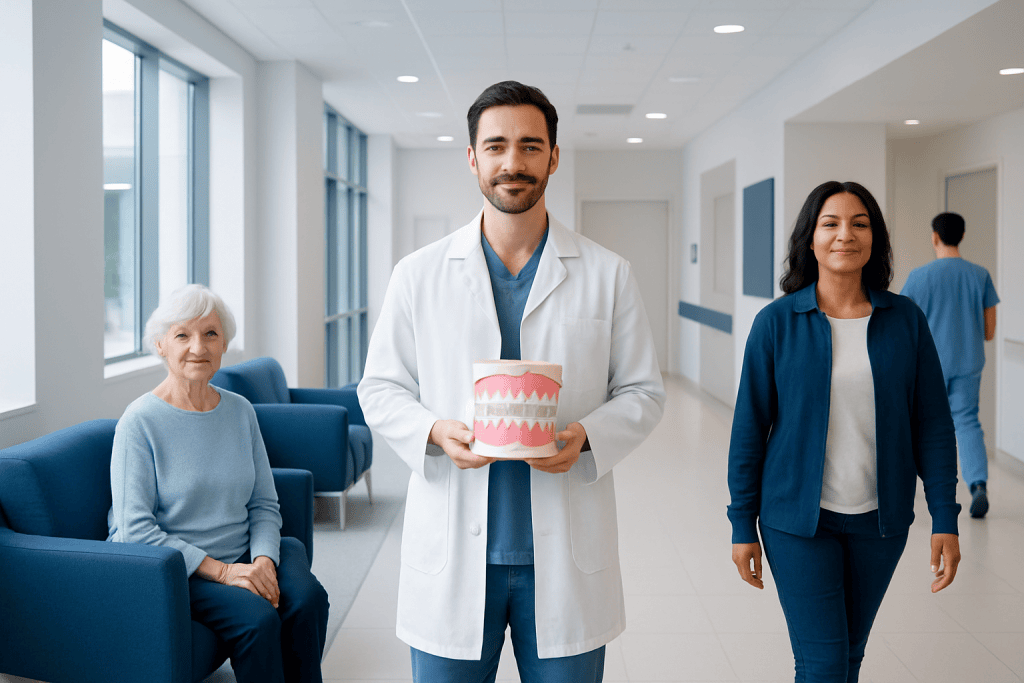
Partial dentures replace missing teeth while using remaining natural teeth for support. They can improve chewing, speech, and facial support, but they may take time to get used to.
Key Takeaways
- Partial dentures replace missing teeth while using remaining natural teeth for support.
- They can improve chewing, speech, and facial support, but they may take time to get used to.
- A dentist recommends the best design based on gum health, remaining teeth, bite, and long-term oral needs.
- Good cleaning habits and regular checkups help partial dentures last longer and protect oral health.
- Pain, sores, looseness, or difficulty chewing are signs that a denture should be professionally checked.
Partial dentures are removable dental appliances that replace one or more missing teeth when some natural teeth are still present. They can improve chewing, speech, and appearance, but the best results depend on proper fit, daily care, and regular dental follow-up.
Overview: what partial dentures are and what they do
Partial dentures are removable devices used to replace several missing teeth when a person still has some healthy natural teeth. They usually consist of replacement teeth attached to a gum-colored base, sometimes with a metal or flexible framework that helps the appliance stay in place. In simple terms, they fill the gaps left by missing teeth and use the remaining teeth and gums for support.
Medical evidence supports replacing missing teeth when they affect chewing, speech, comfort, or the way the bite works. Partial dentures can restore everyday function and appearance, but they are not a one-size-fits-all solution. A well-planned partial denture should fit comfortably, distribute pressure carefully, and protect the health of the remaining teeth and gums.
They are often chosen when fixed options are not suitable, not preferred, or need to be compared with other treatments first. Depending on the person’s dental condition, a dentist may also discuss dental implants or other restorations as alternatives. The best choice depends on oral health, bone support, bite pattern, and long-term maintenance needs.
How partial dentures help in daily life

Missing teeth can change more than appearance. They may reduce chewing efficiency, make certain foods harder to eat, affect the pronunciation of some words, and allow neighboring teeth to shift over time. A partial denture helps restore the dental arch so the mouth can work more evenly and comfortably.
Many people also notice improved support for the lips and cheeks, which can make the face look less sunken after tooth loss. This effect is especially helpful when several back teeth or visible front teeth are missing. In addition, replacing gaps may reduce strain on the remaining teeth by spreading some chewing forces more evenly.
However, partial dentures do not feel exactly like natural teeth. It is normal to need a short adjustment period while the tongue, cheeks, and bite adapt. Most people gradually become more comfortable with practice, especially when the denture is carefully designed and adjusted by a dental professional.
- They can improve chewing and help support a balanced diet.
- They may make speech clearer when front teeth are missing.
- They can reduce drifting of nearby teeth into empty spaces.
- They may improve smile appearance and facial support.
Types of partial dentures and who may need them
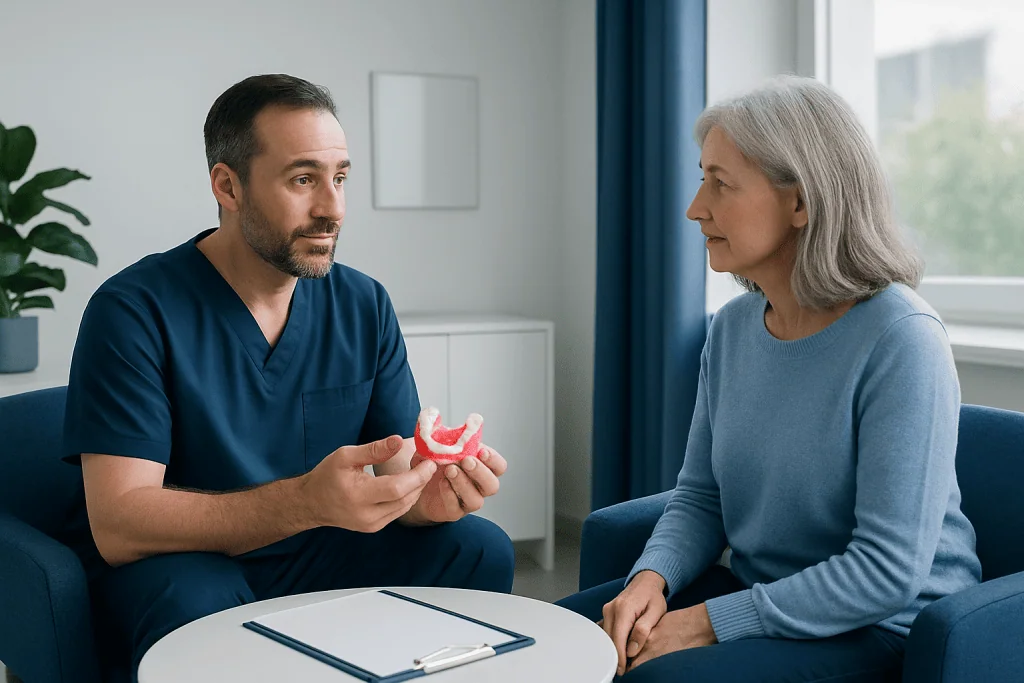
There are several types of partial dentures, and the design depends on how many teeth are missing, where the spaces are located, and how healthy the remaining teeth and gums are. Traditional removable partial dentures often use a metal framework for strength and stability. Acrylic partial dentures may be used as temporary or transitional solutions, while flexible materials are sometimes chosen for comfort or esthetics in selected cases.
A person may be a good candidate for partial dentures if they have one or more missing teeth, enough healthy remaining teeth for support, and gums that are stable enough to tolerate the appliance. They can be helpful after tooth loss caused by decay, gum disease, injury, or prior extractions. People recovering from oral treatment may also use temporary partial dentures while planning longer-term care.
Partial dentures are not ideal for everyone. If the mouth has active infection, severe untreated gum disease, extensive tooth decay, or a poorly balanced bite, those problems usually need treatment first. In some situations, a dentist may compare a removable partial denture with fixed bridgework or implant-supported tooth replacement to decide which approach best protects long-term oral function.
Symptoms and oral health problems linked to missing teeth
People often seek advice about partial dentures because missing teeth begin to affect daily comfort. Common concerns include difficulty chewing tougher foods, food getting trapped in gaps, changes in pronunciation, and feeling self-conscious when smiling. Some people also report jaw fatigue because they chew mostly on one side.
Over time, empty spaces can allow nearby teeth to tilt or move. Opposing teeth may also drift because they no longer meet a matching tooth during biting. These changes can alter the bite and sometimes contribute to uneven wear, gum irritation, or pressure on the jaw joints and muscles.
Missing teeth are sometimes the result of oral disease that still needs attention. For example, severe decay may begin with untreated tooth decay, and tooth loss in adults is often related to advanced gum disease. A partial denture replaces missing teeth, but it does not cure the underlying condition, so dental evaluation remains important.
Assessment and diagnosis before getting partial dentures
Before recommending partial dentures, a dentist assesses the mouth as a whole rather than looking only at the gap. This usually includes examining the teeth, gums, bite, jaw function, and oral hygiene habits. The goal is to choose a design that restores function without overloading the remaining teeth.
Dental X-rays and, in some cases, more detailed imaging help evaluate bone support, hidden decay, old restorations, and the roots of the remaining teeth. The dentist also checks whether the teeth that would support the denture are strong enough and whether any gum treatment, fillings, extractions, or bite adjustments are needed first.
Planning often includes discussing expectations. Patients benefit from understanding that a partial denture may require follow-up adjustments after fitting, especially during the first few weeks. If the condition of the mouth suggests a need for broader reconstruction, a dentist may also refer the patient for prosthodontic treatment planning or other specialist care.
Treatment process, adjustment period, and possible side effects
The process usually starts with impressions or digital records of the mouth, followed by design planning and one or more fitting appointments. The dentist checks how the denture sits on the gums, how it contacts the supporting teeth, and how it meets the opposing teeth when biting. Small changes are commonly made to improve comfort and stability.
At first, the denture may feel bulky or unfamiliar. Mild pressure, increased saliva, or slight changes in speech can occur while the mouth adapts. These effects usually improve with regular wear as directed by the dentist. Eating softer foods cut into small pieces and chewing slowly on both sides can help during the adjustment period.
Some side effects mean the fit should be checked rather than ignored. Persistent sore spots, looseness, clicking, trouble chewing, or pain in the gums or jaw are not signs to simply “push through.” Dentures that do not fit well can irritate soft tissues, trap plaque, and place unhealthy pressure on the remaining teeth, so professional adjustment is important.
- Follow the dentist’s instructions on when to wear or remove the denture.
- Do not adjust clasps or trim the appliance at home.
- Return for review if pressure points or ulcers develop.
- Bring the denture to checkups so fit and hygiene can be assessed.
Daily care, cleaning, and long-term maintenance
Good daily care helps partial dentures last longer and reduces the risk of gum irritation, odor, staining, and fungal overgrowth. The denture should be cleaned gently every day with products recommended by a dentist. Regular toothpaste may be too abrasive for some materials, so professional advice matters. The remaining natural teeth, tongue, and gums also need thorough cleaning.
Partial dentures should usually be handled over a sink filled with water or over a folded towel to reduce the risk of breakage if dropped. When not being worn, they are typically kept in water or a recommended soaking solution so they do not dry out or warp. Hot water should be avoided unless specifically advised, as heat can damage some dentures.
Long-term success also depends on regular dental reviews. The shape of the gums and jawbone can change over time, especially after extractions, which can affect how a denture fits. The dentist may suggest relining, repair, or replacement if the appliance becomes loose, worn, or difficult to clean. Near the end of treatment planning, some patients may seek care in centers such as Acibadem International, where multidisciplinary specialists in JCI-accredited hospitals diagnose and treat dental conditions for international patients.
When to seek medical care
A dental review is advisable if a person has missing teeth that make eating, speaking, or cleaning the mouth difficult. It is also wise to seek professional care if gaps have been present for some time and the bite seems to be changing. Early assessment can help prevent further movement of teeth and may widen the range of treatment options.
Prompt care is important if a partial denture causes ongoing pain, bleeding gums, mouth sores that do not heal, swelling, bad odor despite cleaning, or repeated looseness. These symptoms can point to a poor fit, infection, damage to the denture, or disease affecting the teeth and gums. Anyone with fever, facial swelling, pus, or severe pain should contact a dentist or doctor without delay, as these signs may indicate an urgent dental infection.
Frequently asked questions
What are partial dentures used for?
Partial dentures are used to replace one or more missing teeth when some natural teeth remain. They can improve chewing, speech, smile appearance, and support for the lips and cheeks.
Are partial dentures permanent?
Most partial dentures are removable rather than permanent. They can last for years with good care, but they may eventually need adjustment, relining, repair, or replacement as the mouth changes over time.
How long does it take to get used to partial dentures?
Many people need a few days to several weeks to adapt. Mild speech changes, extra saliva, or a feeling of fullness are common at first, but these usually improve as the mouth becomes accustomed to the appliance.
Can a person eat normally with partial dentures?
Most people can return to a broad range of foods, although adaptation takes practice. Starting with softer foods, taking small bites, and chewing evenly on both sides often makes the transition easier.
How should partial dentures be cleaned?
They should be cleaned daily using methods recommended by a dentist, and the remaining natural teeth and gums should also be brushed carefully. Dentures should be stored properly when out of the mouth and handled gently to avoid damage.
Do partial dentures damage natural teeth?
A well-designed and well-maintained partial denture should not damage teeth, but poor fit and poor hygiene can cause problems. Regular checkups help protect the supporting teeth and gums and allow early correction if the appliance becomes loose or unbalanced.
References
- American Dental Association
- National Institute of Dental and Craniofacial Research
- Mayo Clinic
- World Health Organization
This article is for general information only and is not a substitute for professional medical advice. Please consult a qualified doctor about your individual situation.
Explore treatments in Turkey — costs, top hospitals & a free quote
JCI-accredited · board-certified surgeons · reply within 24h