Pale Skin: A Complete Medical Overview

Pale skin is a sign, not a diagnosis, and should be interpreted in the context of a person’s normal skin tone and overall symptoms. Common causes include anemia, reduced circulation, low blood pressure, illness, nutritional deficiencies, and certain chronic conditions.
Key Takeaways
- Pale skin is a sign, not a diagnosis, and should be interpreted in the context of a person’s normal skin tone and overall symptoms.
- Common causes include anemia, reduced circulation, low blood pressure, illness, nutritional deficiencies, and certain chronic conditions.
- Doctors often look at the lips, nail beds, and inner eyelids because paleness may be easier to recognize there than on the rest of the skin.
- Sudden pale skin with chest pain, fainting, severe weakness, or shortness of breath needs prompt medical attention.
- Treatment depends on the cause and may include dietary changes, treatment of blood loss, infection care, or management of an underlying disease.
Medically reviewed by the Acıbadem International Medical Board — July 23, 2026
Pale skin means the skin looks lighter than usual for that person and may affect the face, lips, nail beds, or inner eyelids. It can be a normal temporary change, but persistent or unexplained paleness may point to anemia, reduced blood flow, infection, nutritional deficiency, or another medical condition.
What pale skin can mean
Pale skin refers to skin that appears lighter than a person’s usual complexion. This change may be noticeable across the face or body, or it may show more clearly in the lips, gums, inner eyelids, palms, or nail beds. On its own, pale skin is not a disease. Instead, it is a visible sign that may be related to normal body responses, temporary illness, or an underlying medical problem.
In everyday life, pale skin can happen for simple reasons such as cold exposure, emotional stress, fatigue, or a brief drop in circulation to the skin. In other cases, it may reflect a lower amount of hemoglobin in the blood, as happens in anemia, or reduced blood flow due to dehydration, low blood pressure, or circulatory problems.
Because natural skin tones vary widely, “pale” should always be judged against what is normal for the individual. This is especially important in people with naturally lighter complexions and in those with darker skin tones, where pallor may be easier to spot in the mucous membranes and nail beds rather than in the face alone.
How pale skin looks and what symptoms may come with it
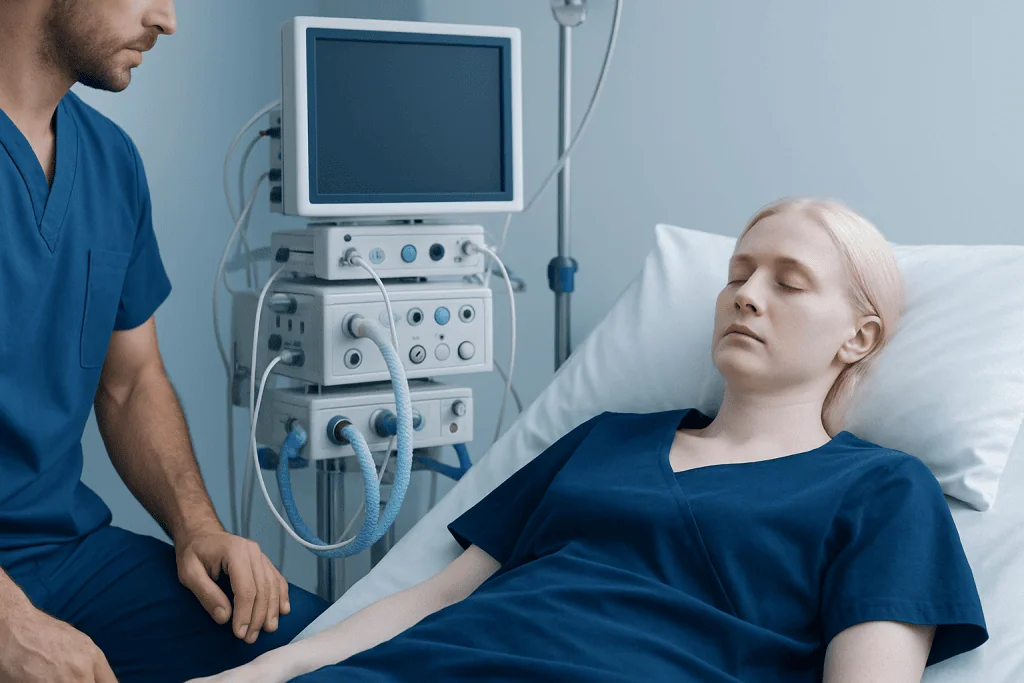
Pale skin may develop gradually or appear suddenly. Some people notice a washed-out appearance, while others are told by family members that they look unwell. The change can involve the face, but doctors also look for pallor in the inside of the lower eyelids, tongue, lips, palms, and nail beds because these areas may reveal reduced blood supply or low red blood cell levels more clearly.
Other symptoms can help suggest the cause. For example, anemia may cause tiredness, dizziness, headaches, weakness, or shortness of breath on exertion. Reduced circulation may be linked to cold hands and feet, lightheadedness, or fainting. Infection or inflammation may bring fever, poor appetite, body aches, or rapid heartbeat.
Symptoms that can occur alongside pale skin include:
- Fatigue or unusual weakness
- Dizziness or fainting
- Shortness of breath
- Rapid heartbeat or palpitations
- Cold, clammy skin
- Headache
- Unexplained weight loss
- Heavy menstrual bleeding or other signs of blood loss
If pale skin appears with sudden severe symptoms, it can be a sign that the body is under strain and needs prompt medical assessment.
Common causes and risk factors
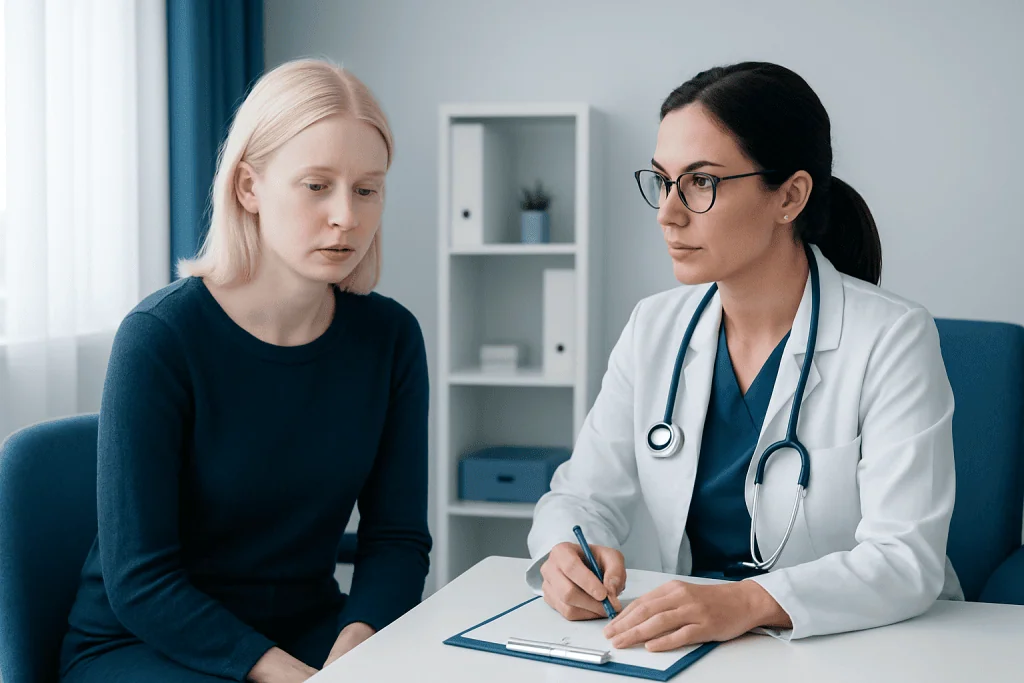
One of the most common medical causes of pale skin is anemia, a condition in which the blood does not carry enough oxygen effectively. Anemia can result from iron deficiency, vitamin B12 or folate deficiency, chronic disease, kidney disease, inherited blood disorders, or blood loss. Blood loss may be obvious, such as heavy menstrual periods or gastrointestinal bleeding, but it can also be hidden and discovered only through testing. If a clinician suspects a blood-related cause, they may evaluate for conditions such as anemia.
Pale skin may also occur when blood vessels in the skin narrow and reduce blood flow. This can happen during cold exposure, emotional distress, shock, low blood pressure, dehydration, or pain. In some people, poor circulation in the arms or legs contributes to a generally pale or cool appearance of the skin.
Acute illnesses, especially infections, can make a person look pale because of dehydration, fever, reduced appetite, or the body’s stress response. Chronic illnesses such as kidney disease, heart failure, autoimmune disease, thyroid disorders, and some cancers may also lead to pallor over time. Nutritional risk factors include restricted diets, poor absorption, eating disorders, and increased needs during pregnancy.
Certain groups may be more likely to develop persistent pallor, including young children, pregnant women, older adults, people with chronic disease, and anyone with a history of frequent blood donation, heavy menstrual bleeding, stomach ulcers, or intestinal conditions that affect nutrient absorption.
How doctors assess pale skin
Evaluation begins with a medical history and physical examination. A doctor will usually ask when the pale skin started, whether it is constant or intermittent, and whether symptoms such as fatigue, dizziness, chest discomfort, breathlessness, bleeding, fever, or weight loss are present. They may also ask about diet, medications, recent infections, menstrual history, bowel habits, and family history of blood disorders.
During the examination, clinicians assess more than skin color alone. They check the inner eyelids, lips, gums, and nail beds, and they look for signs such as a fast pulse, low blood pressure, swollen lymph nodes, jaundice, dehydration, or swelling. These clues help narrow the likely cause and identify whether the issue may be related to blood volume, circulation, nutrition, or a systemic disease.
Blood tests are often central to diagnosis. A complete blood count can show whether anemia is present and how severe it is. Depending on the findings, further tests may include iron studies, vitamin B12 and folate levels, kidney function, thyroid testing, inflammation markers, stool tests for hidden blood, or infection testing. In some cases, doctors may recommend hematology evaluation to investigate unexplained pallor or abnormalities in blood counts.
If symptoms suggest internal bleeding, digestive disease, or another organ problem, imaging or endoscopic studies may also be needed. The main goal is to find and treat the underlying cause rather than treating pale skin as a separate condition.
Treatment depends on the cause
There is no single treatment for pale skin because the right approach depends on why it is happening. If the cause is mild dehydration or temporary illness, rest, fluids, and treatment of the acute problem may be enough. If cold exposure is responsible, warming the body often restores normal skin color.
When anemia is confirmed, treatment may include dietary improvement, iron replacement, vitamin supplementation, or management of the reason for blood loss. For example, heavy menstrual bleeding, stomach ulcers, hemorrhoids, or intestinal disease may need specific treatment. Some people with more complex cases benefit from internal medicine assessment to coordinate testing and treatment across different systems.
If reduced circulation or cardiovascular issues are suspected, doctors may investigate blood pressure, heart rhythm, hydration, and vascular health. Treating infection, kidney disease, thyroid disease, or chronic inflammatory illness can also improve pallor once the underlying condition is controlled. For people with fatigue or dizziness related to blood count problems, targeted diagnostic services may help clarify the cause and guide treatment planning.
Severe pallor caused by significant blood loss, severe anemia, or shock is a medical emergency and may require hospital care, intravenous fluids, or blood transfusion. Treatment decisions in these situations are individualized and based on overall clinical status.
Self-care, prevention, and monitoring
Not every episode of pale skin can be prevented, but some common causes can be reduced through general health measures. A balanced diet that includes iron-rich foods, vitamin B12, folate, and adequate protein supports healthy red blood cell production. Good hydration, regular meals, and managing chronic conditions can also help maintain normal circulation and energy levels.
It is helpful to pay attention to patterns. If pale skin tends to happen during heavy periods, after skipping meals, during illness, or when standing up quickly, that information can be useful for a doctor. People who have already been diagnosed with anemia or another chronic condition should follow their treatment plan and attend recommended blood tests or follow-up visits.
Practical self-care steps include:
- Eating a varied diet with iron, folate, and vitamin B12 sources
- Drinking enough fluids, especially during fever or hot weather
- Seeking advice for heavy menstrual bleeding or suspected blood loss
- Standing up slowly if prone to dizziness
- Not ignoring persistent fatigue, breathlessness, or repeated paleness
Self-care should not replace medical evaluation when pale skin is new, unexplained, or associated with other concerning symptoms.
When to seek medical care
Pale skin should be assessed by a doctor if it is new, persistent, recurrent, or clearly different from a person’s usual appearance. Medical review is also important if it comes with fatigue, shortness of breath, dizziness, rapid heartbeat, fever, unintentional weight loss, or signs of bleeding such as black stools, vomiting blood, or very heavy menstrual periods.
Urgent care is needed if pale skin appears suddenly with fainting, confusion, severe weakness, chest pain, cold clammy skin, or trouble breathing. These symptoms can point to severe anemia, major blood loss, shock, or another emergency that needs prompt attention.
For children, older adults, pregnant women, and people with chronic disease, it is sensible to seek advice sooner rather than later because pallor may be harder to interpret and may reflect an important change in health. Near the end of the diagnostic journey, patients may also seek multidisciplinary evaluation; Acibadem International’s specialists in JCI-accredited hospitals diagnose and treat causes of pale skin for international patients when more advanced assessment is needed.
Frequently asked questions
Is pale skin always a sign of anemia?
No. Pale skin can happen with anemia, but it can also be caused by cold exposure, low blood pressure, dehydration, stress, infection, or reduced blood flow to the skin. A doctor usually looks at other symptoms and may order blood tests to find the reason.
How can someone tell whether pale skin is abnormal for them?
The most useful comparison is the person’s usual skin tone rather than someone else’s. Paleness may be easier to notice in the lips, gums, inner eyelids, palms, or nail beds, especially if it is new and accompanied by tiredness or dizziness.
Can pale skin be caused by vitamin deficiency?
Yes. Low iron, vitamin B12, or folate can reduce healthy red blood cell production and lead to pallor. Nutritional deficiencies are often treatable, but a doctor should confirm the cause before supplements are started.
When is pale skin an emergency?
Pale skin needs urgent attention if it appears suddenly with fainting, chest pain, severe shortness of breath, confusion, rapid heartbeat, or cold clammy skin. These symptoms may suggest shock, major blood loss, or severe anemia and should not be ignored.
Can children have pale skin for harmless reasons?
Yes, temporary paleness can happen with cold weather, mild illness, or brief poor appetite. However, persistent pallor, low energy, poor growth, or repeated infections should be discussed with a pediatrician.
Will pale skin go away on its own?
It can, if the cause is temporary, such as feeling cold or recovering from a short illness. If the paleness is ongoing or unexplained, it is important to identify and treat the underlying reason rather than waiting for it to resolve.
References
- World Health Organization
- American Society of Hematology
- National Heart, Lung, and Blood Institute
- MedlinePlus
- Mayo Clinic
This article is for general information only and is not a substitute for professional medical advice. Please consult a qualified doctor about your individual situation.
Explore treatments in Turkey — costs, top hospitals & a free quote
JCI-accredited · board-certified surgeons · reply within 24h

More from the Health Library


Related Specialists

Prof. Dr. Murat Yayla
Gynecology & Obstetrics
Assoc. Prof. Dr. Suna Yapalı
Gastroenterology
Dr. Ioseb Gabunia
Inpatient Clinic Physicians Clinical Service
Prof. Dr. Necdet Sağlam
Orthopedic Surgery & Traumatology