Leukemia Symptoms in Kids: Possible Causes and When to Seek Care
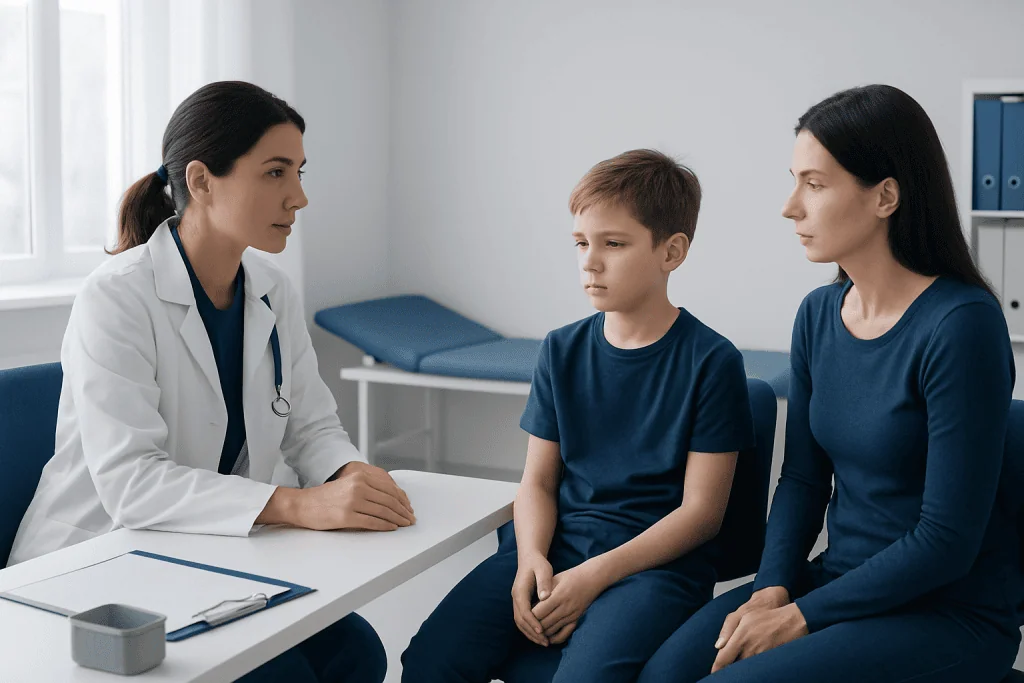
Leukemia symptoms in kids may be subtle early on and can overlap with common viral illnesses. A pattern of symptoms matters more than one symptom alone, especially if signs persist or worsen.
Key Takeaways
- Leukemia symptoms in kids may be subtle early on and can overlap with common viral illnesses.
- A pattern of symptoms matters more than one symptom alone, especially if signs persist or worsen.
- Unusual bruising, repeated fever, fatigue, bone pain, and swollen lymph nodes should be evaluated by a doctor.
- Diagnosis usually involves a physical exam, blood tests, and sometimes bone marrow testing.
- Prompt assessment helps doctors rule out serious causes and begin treatment early if needed.
Medically reviewed by the Acıbadem International Medical Board — July 23, 2026
Leukemia symptoms in kids often look like common childhood illnesses at first, but symptoms that are persistent, unusual, or happen together deserve medical attention. Key warning signs can include easy bruising, ongoing fever, tiredness, pale skin, bone pain, and frequent infections.
Overview: what leukemia symptoms in kids can look like
Leukemia symptoms in kids can include tiredness, pale skin, fever, frequent infections, easy bruising, bleeding, bone or joint pain, and swollen lymph nodes. These symptoms do not always mean a child has leukemia, because many also happen with common infections and other non-cancerous conditions. What matters most is when symptoms are unusual for the child, last longer than expected, keep returning, or appear together.
Leukemia is a cancer of the blood-forming tissues, including the bone marrow. In children, it most often affects the production of normal blood cells. When abnormal white blood cells build up, the body may have fewer healthy red blood cells, platelets, and infection-fighting cells. This can explain why symptoms may involve energy level, bruising, bleeding, infections, or body aches.
Rather than focusing on one sign alone, it can help parents think about the whole picture. A child who has persistent fatigue along with bruising, fever, or bone pain may need a medical evaluation sooner than a child with a single mild symptom. A doctor can decide whether symptoms are most likely due to a routine childhood illness or whether further tests are needed.
Common signs and symptoms parents may notice
One of the most common concerns is unusual tiredness. A child may seem less active than usual, want to rest more, or appear pale. This can happen when leukemia affects red blood cell production, leading to anemia. Parents may also notice shortness of breath during play, dizziness, or less interest in normal activities.
Easy bruising or bleeding is another important sign. A child may bruise with little injury, develop frequent nosebleeds, or have bleeding gums. Tiny red or purple spots on the skin, called petechiae, can appear when platelet levels are low. These signs can have other causes too, but they should be assessed if they are new, unexplained, or happening repeatedly.
Fever and infections can also be part of the picture. Some children have recurrent infections, fevers that keep returning, or an illness that seems slow to improve. Because leukemia can interfere with normal white blood cell function, the body may not fight infection as effectively.
Bone or joint pain may be overlooked at first, especially in active children. Pain can affect the legs, back, or joints and may cause limping, reluctance to walk, or waking at night. Other possible symptoms include swollen lymph nodes, abdominal fullness from an enlarged liver or spleen, headaches, or weight loss. For a general overview of the disease itself, parents may find it helpful to read about leukemia.
Why these symptoms happen
Leukemia begins in the bone marrow, where blood cells are made. When abnormal cells grow out of control, they can crowd out normal blood-forming cells. This causes a shortage of healthy red blood cells, platelets, and normal white blood cells. Each shortage can lead to different symptoms.
Too few red blood cells may cause fatigue, paleness, weakness, or breathlessness. Too few platelets may lead to bruising, nosebleeds, gum bleeding, or tiny skin spots. Abnormal or reduced infection-fighting cells may contribute to repeated fever or infections that are harder to recover from.
Leukemia cells can also collect in other areas of the body. If they build up in bones or joints, a child may have pain or trouble walking. If lymph nodes, the liver, or the spleen enlarge, parents may notice swelling in the neck, underarms, or groin, or a full or swollen abdomen. In some cases, headaches or vomiting can occur if there is involvement affecting the nervous system, though these symptoms have many other possible explanations too.
Possible causes and risk factors
In most children, there is no clear reason why leukemia develops. It is important for families to know that childhood leukemia is usually not caused by anything a parent did or did not do. In many cases, changes in blood-forming cells happen for reasons that are not fully understood.
Some factors can increase risk, although most children with these factors do not develop leukemia. These may include certain genetic syndromes, previous cancer treatment with chemotherapy or radiation, and rare inherited conditions affecting the immune system or bone marrow. Exposure to high levels of radiation is also a known risk factor, but this is uncommon.
Because there is usually no preventable cause, parents should not focus on finding blame. The more practical step is recognizing concerning symptom patterns and arranging a timely medical review. When symptoms fit a pattern that suggests a blood disorder, doctors may also consider other conditions besides leukemia, such as lymphoma or non-cancerous causes of anemia, bruising, or infection.
How doctors diagnose leukemia in children
Diagnosis starts with a careful medical history and physical examination. The doctor will ask how long symptoms have been present, whether they are getting worse, and whether there are signs such as bruising, bleeding, bone pain, swollen glands, or repeated infections. A physical exam may include checking the skin, lymph nodes, abdomen, and bones or joints.
Blood tests are usually the first step. A complete blood count can show whether red blood cells, white blood cells, or platelets are low or abnormal. A blood smear may help doctors look at the shape and appearance of blood cells under a microscope. These tests can suggest leukemia, but they do not always confirm it on their own.
If leukemia is strongly suspected, a child is usually referred to a specialist team for further evaluation. Bone marrow testing is commonly used to confirm the diagnosis and identify the leukemia type. Additional studies may include imaging or tests to see whether the disease has affected other areas. In some cases, doctors may use advanced diagnostics as part of a broader workup, such as PET-CT imaging when clinically appropriate, although this is not needed for every child.
Because diagnosis can be complex, children benefit from care coordinated by pediatric hematology and oncology specialists. If a child is confirmed to have leukemia, doctors may discuss treatments such as chemotherapy and, in selected cases, bone marrow transplantation.
Treatment and outlook
Treatment depends on the type of leukemia, the child’s age, test results, and overall health. In children, acute leukemias are more common than chronic forms, and treatment often begins soon after diagnosis. The goal is to destroy leukemia cells, restore healthy blood cell production, and reduce the risk of the disease returning.
Chemotherapy is the main treatment for many childhood leukemias. Some children may also need targeted therapy, immunotherapy, radiation therapy, or a stem cell transplant, depending on the leukemia subtype and response to treatment. Supportive care is also essential and may include antibiotics, blood transfusions, medicines to reduce side effects, and nutritional support.
Outlook has improved significantly over time because of advances in diagnosis, treatment planning, and supportive care. However, each child is different, and the expected course depends on the exact diagnosis and response to therapy. Families should discuss the treatment plan, possible side effects, and follow-up schedule with the child’s specialist team.
Near the end of the diagnostic and treatment journey, some families seek care at centers experienced in complex pediatric cancer care. Acibadem International’s multidisciplinary specialists and JCI-accredited hospitals diagnose and treat blood cancers for international patients, with care plans tailored to the child’s specific condition.
When to seek medical care
Parents should arrange medical care if a child has symptoms that are persistent, unexplained, or worsening over time. This is especially important when more than one warning sign happens together, such as fatigue with bruising, fever with bone pain, or pallor with repeated infections. Most of the time, there may be a less serious explanation, but a doctor should decide that after an assessment.
Medical review is particularly important for unusual bruising, bleeding without a clear reason, recurrent fever, a child who is much less energetic than usual, swollen lymph nodes that do not improve, or pain that limits walking or normal play. A child with severe weakness, trouble breathing, heavy bleeding, confusion, or signs of dehydration should receive urgent medical attention.
Parents do not need to diagnose leukemia themselves. Keeping a simple symptom timeline, noting fever episodes, bruising, pain, appetite changes, or weight loss, can help the doctor understand what has been happening. Early evaluation is helpful not only for leukemia, but also for many other childhood conditions that may need treatment.
Practical support for families during evaluation
Waiting for answers can be stressful for families, especially when symptoms are vague and tests are still in progress. It can help to focus on clear next steps: attending appointments, asking questions, and making sure the child stays hydrated, rested, and supported. Parents may wish to bring a list of symptoms, medications, previous illnesses, and family medical history to the visit.
Children often respond to the emotional tone around them, so calm, age-appropriate explanations are useful. A parent might simply say that the doctor is checking why the child has been feeling unwell. Avoiding frightening language and offering reassurance can make examinations and blood tests easier.
If leukemia is ruled out, the same careful evaluation may still identify another treatable cause of the child’s symptoms. If leukemia is confirmed, families usually meet a specialist team that explains the diagnosis and the treatment plan step by step. Either way, timely medical review is the safest and most helpful response to concerning symptoms.
Frequently asked questions
What are the earliest leukemia symptoms in kids?
Early symptoms can be subtle and may include tiredness, pale skin, fever, frequent infections, easy bruising, or bone pain. These signs often overlap with common childhood illnesses, so the pattern, persistence, and combination of symptoms are what make medical review important.
Does bruising always mean a child has leukemia?
No. Children often bruise during normal play, and bruising can also happen with minor injuries or other non-serious causes. Bruising becomes more concerning when it is frequent, unexplained, severe, or linked with bleeding, fatigue, or fever.
Can leukemia symptoms come and go?
Yes, some symptoms may seem to improve and return, especially early on. For example, fever, tiredness, or body aches may fluctuate. A symptom that keeps coming back or gradually worsens should still be checked by a doctor.
How is leukemia different from a regular infection?
A routine infection usually improves over time and fits a clear short-term pattern. Leukemia-related symptoms may last longer, recur, or appear together in ways that are less typical, such as ongoing tiredness with bruising and bone pain. Only a medical evaluation and appropriate tests can tell the difference.
What tests are usually done if leukemia is suspected?
Doctors often start with a physical exam and blood tests such as a complete blood count. If results are concerning, a child may need further specialist testing, including bone marrow examination, to confirm or rule out leukemia.
When should parents seek urgent care?
Urgent care is appropriate if a child has heavy bleeding, severe weakness, trouble breathing, confusion, extreme sleepiness, or appears seriously unwell. Even if symptoms are not severe, prompt medical review is important when there is unusual bruising, persistent fever, or marked fatigue.
References
- American Cancer Society
- National Cancer Institute
- Centers for Disease Control and Prevention
- World Health Organization
- American Academy of Pediatrics
This article is for general information only and is not a substitute for professional medical advice. Please consult a qualified doctor about your individual situation.
Leukemia in Turkey — costs, top hospitals & a free quote
JCI-accredited · board-certified surgeons · reply within 24h