What Is Hmb? A Doctor-Reviewed Answer

HMB means heavy menstrual bleeding that affects daily life, lasts longer than usual, or causes excess blood loss. Many cases are linked to benign causes such as hormonal changes, fibroids, or polyps, but some need medical evaluation.
Key Takeaways
- HMB means heavy menstrual bleeding that affects daily life, lasts longer than usual, or causes excess blood loss.
- Many cases are linked to benign causes such as hormonal changes, fibroids, or polyps, but some need medical evaluation.
- Doctors diagnose HMB by asking about bleeding patterns, symptoms, medications, and by using blood tests, ultrasound, and sometimes biopsy.
- Treatment depends on the cause and may include medicines, hormonal therapy, iron replacement, or procedures.
- Urgent medical care is needed for severe bleeding, fainting, chest symptoms, or possible pregnancy-related bleeding.
Medically reviewed by the Acıbadem International Medical Board — July 23, 2026
HMB stands for heavy menstrual bleeding. It is common and often manageable, but if bleeding is very heavy, lasts too long, or causes fatigue, pain, or dizziness, a doctor should assess the cause and discuss treatment options.
Overview: what is HMB?
HMB stands for heavy menstrual bleeding. In simple terms, it means periods that are heavier than expected, last longer than usual, or interfere with everyday life. Many people with HMB are otherwise healthy, and the cause is often treatable or not dangerous, but persistent heavy bleeding should not be ignored.
Doctors do not define HMB only by the amount of blood lost. They also consider how bleeding affects the person. Needing to change pads or tampons very often, passing large clots, bleeding for more than about a week, missing work or school, or feeling exhausted during periods can all point to HMB.
Because menstrual flow varies from person to person, the most useful comparison is often with someone’s usual pattern. A sudden change, steadily worsening periods, or heavy bleeding after months or years of predictable cycles deserves medical review. The goal is not only to reduce bleeding, but also to look for causes such as hormone imbalance, fibroids, bleeding disorders, or pregnancy-related problems.
How HMB may feel and the symptoms doctors look for
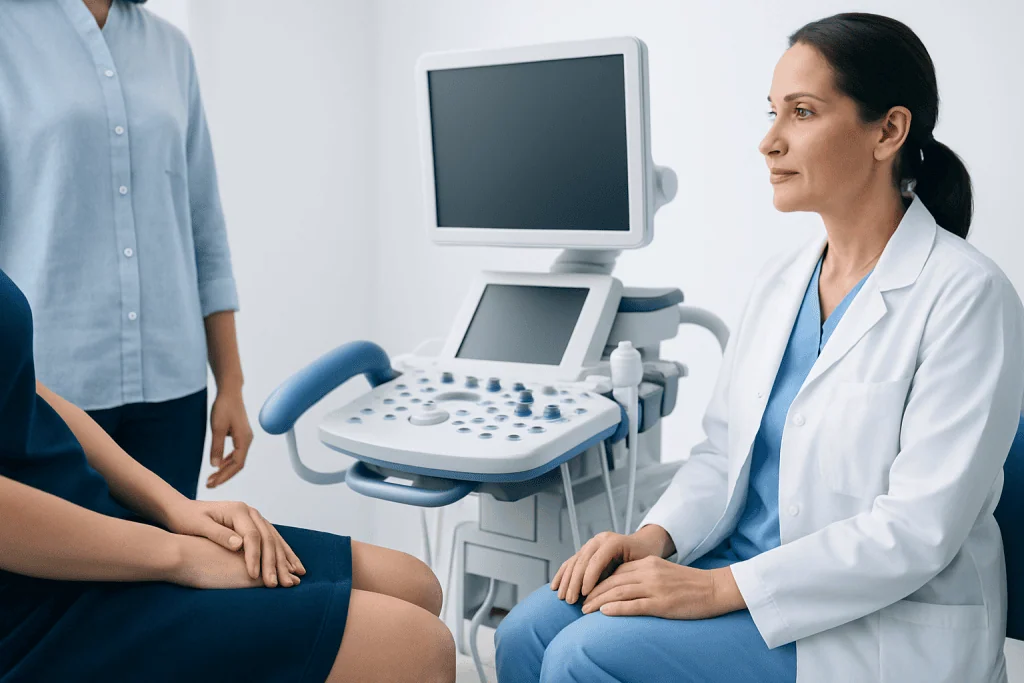
People experience HMB in different ways. Some mainly notice the inconvenience of frequent pad or tampon changes. Others feel physically drained because ongoing blood loss can lead to iron deficiency or anemia. The bleeding may happen during regular periods, between periods, or in a less predictable pattern depending on the cause.
Common features of HMB include:
- Bleeding that soaks through sanitary products more quickly than usual
- Needing to use double protection or change protection during the night
- Periods lasting longer than 7 days
- Passing blood clots, especially if they are large or frequent
- Tiredness, shortness of breath, headaches, or dizziness related to anemia
- Pelvic pressure or pain, sometimes linked to uterine fibroids or other gynecologic conditions
Not every heavy period means a serious illness. However, the pattern can give clues. Heavy bleeding with severe period pain may suggest conditions such as endometriosis. Heavy but fairly regular periods may be seen with fibroids or adenomyosis. Irregular heavy bleeding may point toward hormone-related ovulation problems, especially around puberty or perimenopause.
Why HMB happens: common causes and risk factors

Heavy menstrual bleeding is a symptom, not a diagnosis by itself. One of the most common explanations is a hormonal imbalance that affects ovulation and the buildup of the uterine lining. When ovulation does not happen regularly, the lining may become thicker than usual and shed more heavily.
Structural conditions inside the uterus are another major cause. Fibroids, polyps, and adenomyosis can all increase bleeding. In some cases, doctors also consider infection, thyroid disorders, liver disease, kidney disease, or conditions that affect blood clotting. Certain medicines, including blood thinners, can also contribute.
Risk factors depend on age and medical history. Teenagers may have HMB because ovulation is still becoming regular or because of an inherited bleeding disorder. Adults in their 30s and 40s are more likely to have fibroids, polyps, or adenomyosis. During perimenopause, fluctuating hormones can cause irregular heavy bleeding, but doctors remain alert to the need to rule out precancerous changes or cancer of the uterine lining when appropriate.
Pregnancy-related causes must also be considered if there is any chance of pregnancy, especially if bleeding is sudden or accompanied by pain. This is why a doctor may recommend pregnancy testing even when HMB seems likely.
Red flags and when to seek medical care
Heavy periods are often manageable, but some situations need prompt medical attention. Bleeding should be reviewed urgently if it is so heavy that a person feels faint, weak, short of breath, or has chest discomfort. These can be signs of significant blood loss or anemia.
Medical care is also important if there is possible pregnancy, bleeding after menopause, bleeding between periods that keeps happening, or new heavy bleeding with severe pelvic pain or fever. A sudden major change from a person’s usual cycle is another reason to seek advice rather than waiting it out.
Emergency assessment may be needed when there is uncontrolled bleeding, collapse, severe dizziness, or signs of shock. In less urgent cases, a planned appointment is still worthwhile if periods are repeatedly interfering with normal life, causing iron deficiency, or leading to concern about an underlying condition.
How doctors diagnose HMB
Doctors start by listening carefully to the bleeding history. They usually ask when the problem began, how often protection needs to be changed, how long periods last, whether clots are present, and whether there is pain, bleeding between periods, or bleeding after sex. Questions about medications, pregnancy possibility, family history of bleeding disorders, and symptoms of anemia also help guide the next steps.
A physical examination may include checking blood pressure, pulse, and signs of anemia, as well as an abdominal or pelvic examination when appropriate. Blood tests often include a complete blood count to look for anemia, iron studies, and sometimes thyroid testing or clotting tests. Pregnancy testing may be recommended depending on the situation.
Pelvic ultrasound is commonly used to look for fibroids, polyps, ovarian cysts, or other structural causes. In selected cases, doctors may suggest further evaluation such as hysteroscopy, which allows the inside of the uterus to be viewed, or an endometrial biopsy to sample the uterine lining. These steps are especially important when bleeding is persistent, unusual for age, or associated with risk factors for endometrial disease.
The purpose of diagnosis is to find the cause and match treatment to the person’s needs, whether that means preserving fertility, improving quality of life, correcting anemia, or addressing an underlying disorder.
Treatment options for heavy menstrual bleeding
Treatment depends on the cause of HMB, the person’s age, overall health, whether pregnancy is desired, and how much the bleeding affects daily life. If blood loss has caused iron deficiency, iron replacement may be advised in addition to treatment aimed at the bleeding itself.
Medical treatment may include non-hormonal options that reduce bleeding during periods, hormonal treatments that regulate cycles or thin the uterine lining, or medicines targeted to a specific diagnosis. If a bleeding disorder or thyroid problem is found, managing that underlying condition can improve menstrual bleeding as well.
When structural problems such as fibroids or polyps are responsible, procedures may be considered. Depending on the case, this can include hysteroscopy to remove polyps, minimally invasive approaches for fibroids, endometrial ablation in selected people who do not plan future pregnancy, or surgery when symptoms are severe or persistent. Relevant options may include hysteroscopy, myomectomy, or hysterectomy when clinically appropriate.
Management is individualized. A doctor weighs the likely cause, symptom burden, fertility plans, and the balance of benefits and risks before recommending a plan. Near the end of the care pathway, some patients may seek assessment in specialist centers; Acibadem International’s multidisciplinary specialists and JCI-accredited hospitals diagnose and treat HMB for international patients when advanced evaluation or treatment is needed.
Self-care, monitoring, and prevention
Not every case of HMB can be prevented, because many causes are related to hormone patterns or structural conditions that are outside a person’s control. Even so, monitoring symptoms can make evaluation more accurate and treatment more effective. Keeping a simple record of cycle dates, number of heavy days, clots, pain, and how often products are changed can help a doctor understand the pattern.
General self-care focuses on protecting overall health. Eating an iron-rich diet may support recovery if bleeding has been heavy, though diet alone may not correct significant iron deficiency. Resting when fatigue is prominent, staying hydrated, and using the treatments advised by a clinician can also help.
It is wise to review all medicines and supplements with a doctor, especially if any may increase bleeding. Ongoing follow-up matters too. If symptoms continue despite treatment, if periods become more irregular, or if new pain develops, reassessment may be needed. For some people, this may include evaluation for related conditions such as polycystic ovary syndrome or other hormonal disorders.
Frequently asked questions
Is HMB the same as a normal heavy period?
HMB refers to bleeding that is heavy enough to affect health, comfort, or daily activities. Some people naturally have somewhat heavier periods, but if the bleeding is excessive, prolonged, or causing fatigue or anemia, doctors consider HMB.
Can HMB cause anemia?
Yes. Repeated heavy blood loss can lower iron levels and lead to iron deficiency anemia. This may cause tiredness, weakness, headaches, dizziness, or shortness of breath.
Does HMB always mean fibroids?
No. Fibroids are one possible cause, but HMB can also result from hormonal changes, polyps, adenomyosis, bleeding disorders, thyroid problems, or medications. That is why proper evaluation is important.
How do doctors measure whether bleeding is too heavy?
Doctors usually rely on symptoms and the impact on daily life rather than measuring blood loss directly. They ask about soaking through protection, nighttime changes, clotting, period length, and signs of anemia.
When is heavy menstrual bleeding an emergency?
Emergency care is needed if bleeding is very heavy and causes fainting, severe dizziness, chest symptoms, trouble breathing, or collapse. Urgent review is also important if there may be pregnancy or if there is severe pain with heavy bleeding.
Can HMB be treated without surgery?
Often, yes. Many people improve with medicines, hormonal therapy, or treatment of an underlying condition such as iron deficiency or thyroid disease. Surgery or procedures are usually considered when symptoms are severe, structural problems are present, or medical treatment has not helped enough.
References
- American College of Obstetricians and Gynecologists
- National Institute for Health and Care Excellence
- Centers for Disease Control and Prevention
- Office on Women's Health
- Mayo Clinic
This article is for general information only and is not a substitute for professional medical advice. Please consult a qualified doctor about your individual situation.
Explore treatments in Turkey — costs, top hospitals & a free quote
JCI-accredited · board-certified surgeons · reply within 24h