Flipper Tooth: A Complete Medical Overview

A flipper tooth is usually a temporary removable option for replacing a missing tooth. It may improve appearance and speech, but it is not as stable or durable as permanent solutions.
Key Takeaways
- A flipper tooth is usually a temporary removable option for replacing a missing tooth.
- It may improve appearance and speech, but it is not as stable or durable as permanent solutions.
- Good cleaning habits and regular dental review help prevent irritation, odor, and gum problems.
- Pain, poor fit, sores, or trouble chewing should be assessed by a dentist.
- Long-term tooth replacement options may include bridges, dentures, or dental implants.
Medically reviewed by the Acıbadem International Medical Board — July 24, 2026
A flipper tooth is a removable temporary dental appliance that replaces one or more missing teeth, mainly to restore appearance and basic function while a person heals or decides on a longer-term solution. It can be helpful in selected situations, but comfort, fit, oral hygiene, and follow-up dental care are important for safe use.
What is a flipper tooth?
A flipper tooth is a removable temporary dental appliance that replaces one or more missing teeth. It is commonly made from a lightweight acrylic base with an artificial tooth attached, and it rests against the gums and nearby teeth. Dentists often use it as a short-term option after a tooth is removed, during healing, or while a person is considering a more durable treatment plan.
Many people choose a flipper tooth because it can quickly improve the look of the smile and help with confidence in social situations. It may also support speech by filling a visible gap, especially when the missing tooth is near the front of the mouth. However, it is best understood as a temporary prosthesis rather than a final replacement.
A flipper tooth differs from a fixed dental restoration. It can be taken out for cleaning and sleeping, and it is usually less stable than options that are attached to teeth or anchored in bone. For some people, it works well for a limited period; for others, it may feel bulky or move during eating and speaking.
Why a person may need one
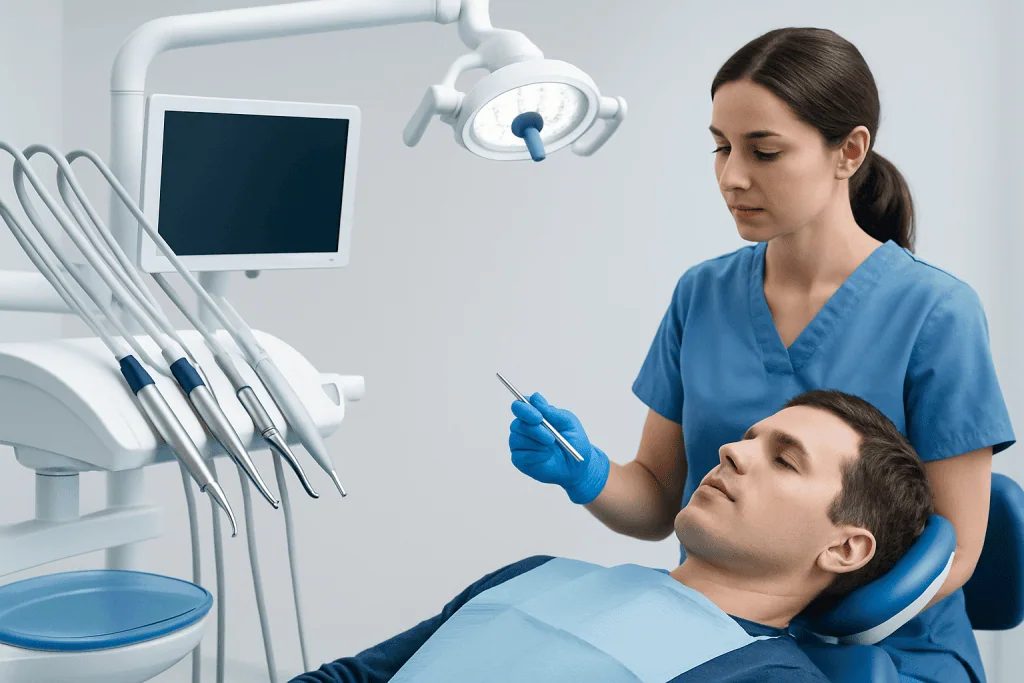
A dentist may recommend a flipper tooth after tooth loss caused by decay, trauma, gum disease, or extraction. It can be used while the gums and jaw area heal, or while a person is completing other stages of dental treatment. In this sense, it often serves as a bridge between tooth loss and a longer-term plan.
Common situations include replacing a front tooth for cosmetic reasons, maintaining the appearance of a smile after an extraction, or filling a gap while waiting for a fixed bridge or dental implant evaluation. It may also be considered if a patient is not ready for a permanent procedure or needs time for oral tissues to recover first.
In some cases, the underlying reason for tooth loss should also be addressed. For example, untreated gum disease can affect the health of surrounding teeth and gums and may influence whether a removable appliance is suitable. A complete dental exam helps identify the safest next step.
Benefits and limitations

The main benefit of a flipper tooth is that it can quickly replace a missing tooth and improve appearance. For many people, this offers emotional relief and helps them feel more comfortable speaking, smiling, and attending work or social events. It may also reduce some speech changes caused by a front-tooth gap.
Another advantage is that a flipper tooth is removable, which makes it easier to clean than a fixed restoration. It can also be adjusted or remade if the mouth changes during healing. In selected cases, it is a practical step while a dentist monitors recovery after extraction or prepares for future care.
At the same time, flipper teeth have clear limitations. They are usually less secure than bridges or implants, and they may feel loose during chewing. Hard, sticky, or very crunchy foods can dislodge or strain the appliance. Some people also notice increased saliva at first, mild speech changes, or pressure on the gums while adjusting to it.
Because it is typically made for temporary use, a flipper tooth may wear down, stain, crack, or lose fit over time. It does not stop all long-term changes in the jawbone that can happen after tooth loss. For this reason, dentists usually review whether a more durable option such as a crown-supported bridge or related restoration or implant-based treatment would be more appropriate later on.
How it is fitted and what to expect
The process usually begins with a dental examination, discussion of symptoms, and review of the missing tooth area. The dentist checks the health of the gums, the condition of neighboring teeth, the bite, and whether there are signs of infection or active decay. Imaging may be needed if the tooth was recently extracted or if future implant planning is being considered.
To make the appliance, impressions or digital scans of the mouth are taken so the laboratory can create a custom fit. If the tooth has already been removed, the flipper may be delivered after an initial healing period, depending on the clinical plan. In some cases, an immediate temporary appliance is provided soon after extraction.
When first placed, a flipper tooth can feel unusual. Mild fullness in the mouth and small changes in pronunciation are common at the beginning, but these often improve with practice. Patients are usually advised to start with softer foods, chew carefully, and insert and remove the appliance exactly as instructed.
A properly fitted appliance should not cause ongoing pain. If it rubs, clicks, feels unstable, or creates sore spots, the person should return for adjustment rather than trying to alter it at home. Changes in the gums and bone during healing can affect fit, so follow-up visits are an important part of successful temporary use.
Cleaning, daily care, and self-care tips
Cleaning is essential because plaque, food particles, and bacteria can collect on a removable dental appliance. A flipper tooth should usually be taken out and cleaned gently with products recommended by a dentist. It should also be rinsed after meals when possible. Regular cleaning helps reduce odor, staining, and irritation to the gums.
Natural teeth and gums still need normal oral hygiene. Brushing twice a day, cleaning between teeth, and keeping the tongue and gums clean all support oral health while using a flipper. If the original tooth was lost because of decay or tooth decay, preventing further disease becomes especially important.
Helpful self-care measures may include:
- Removing the appliance as directed, often during sleep unless a dentist advises otherwise.
- Handling it carefully to avoid bending or cracking.
- Avoiding very hard, sticky, or chewy foods if they make the appliance shift.
- Keeping routine dental checkups to assess fit and gum health.
- Never using very hot water, which may warp some materials.
People should not use abrasive household cleaners or try to glue a damaged flipper tooth themselves. If the appliance breaks or stops fitting correctly, it should be assessed professionally. Poor fit can irritate the gums and place stress on neighboring teeth.
Long-term alternatives to a flipper tooth
A flipper tooth is often only one step in a larger dental care plan. Long-term options depend on the location of the missing tooth, the condition of the gums and jawbone, the health of nearby teeth, and the person’s goals. The most suitable choice is individualized after a dental assessment.
One option is a fixed bridge, which uses neighboring teeth for support. Another is a conventional removable partial denture when several teeth are missing. For patients with suitable bone and gum health, dental implant treatment may provide a more stable replacement that does not rely on surrounding teeth in the same way.
If there are signs of infection, gum recession, or advanced periodontal damage, these issues usually need treatment before a final restoration is chosen. In some cases, managing periodontitis or improving oral hygiene is necessary to protect both the remaining teeth and any future prosthesis.
At centers with multidisciplinary dental services, prosthodontists, oral surgeons, and periodontists may work together to plan care. Acibadem International’s multidisciplinary specialists in JCI-accredited hospitals diagnose and treat dental conditions for international patients, including evaluation for temporary and long-term tooth replacement options.
When to seek medical care
A flipper tooth should not cause significant or persistent discomfort. A person should seek dental care if the appliance causes pain, repeated rubbing, bleeding gums, mouth sores, bad odor despite cleaning, or difficulty chewing. These problems may mean the appliance needs adjustment or that there is an underlying oral health issue.
Prompt assessment is also important if the flipper breaks, becomes loose, no longer fits after healing changes, or causes pressure on nearby teeth. Swelling, pus, fever, or severe pain may suggest infection and should be evaluated without delay. New sensitivity in adjacent teeth also deserves attention.
Anyone with ongoing tooth loss, loose teeth, gum bleeding, or trouble keeping dentures in place should have a full dental examination rather than relying on a temporary appliance alone. A dentist can check for decay, gum disease, bite problems, and bone changes, then explain whether a removable device remains appropriate or whether a more definitive treatment is needed.
Frequently asked questions
Is a flipper tooth permanent?
A flipper tooth is usually considered a temporary replacement for a missing tooth. It can be useful during healing or while planning a longer-term solution, but it is generally not designed to be as durable or stable as permanent options.
Can a person eat with a flipper tooth?
Many people can eat with a flipper tooth, but it may take time to adjust. Softer foods are often easier at first, and very hard, sticky, or chewy foods may make the appliance move or cause discomfort.
How long can someone wear a flipper tooth?
The length of use varies depending on oral healing, fit, and the overall treatment plan. Some people use it for a short period after extraction, while others may wear it longer with dental monitoring, but regular checkups are important.
Does a flipper tooth hurt?
A new flipper tooth may feel unfamiliar at first, and mild pressure can occur during the adjustment period. Ongoing pain, sores, or rubbing are not expected and should be checked by a dentist.
How should a flipper tooth be cleaned?
It should be cleaned gently with methods and products recommended by a dental professional. It is also important to clean the natural teeth, gums, and tongue every day, and to avoid harsh cleaners or very hot water that could damage the appliance.
What is the difference between a flipper tooth and a dental implant?
A flipper tooth is removable and usually temporary, while a dental implant is placed in the jawbone and is generally intended as a longer-term replacement. Implants are usually more stable, but they require a detailed evaluation to determine whether they are suitable.
References
- American Dental Association
- National Institute of Dental and Craniofacial Research
- Mayo Clinic
- Cleveland Clinic
This article is for general information only and is not a substitute for professional medical advice. Please consult a qualified doctor about your individual situation.
Explore treatments in Turkey — costs, top hospitals & a free quote
JCI-accredited · board-certified surgeons · reply within 24h