Pain Left Ball: Common Causes, Related Conditions, and When to See a Doctor

Left-sided testicle pain can come from the testicle itself, the epididymis, spermatic cord, groin muscles, or referred pain from nearby organs. Sudden severe pain, especially with swelling, nausea, or a high-riding testicle, needs urgent medical evaluation.
Key Takeaways
- Left-sided testicle pain can come from the testicle itself, the epididymis, spermatic cord, groin muscles, or referred pain from nearby organs.
- Sudden severe pain, especially with swelling, nausea, or a high-riding testicle, needs urgent medical evaluation.
- Common causes include injury, infection, epididymitis, varicocele, hernia, kidney stones, and less commonly testicular torsion.
- Diagnosis may involve an exam, urine tests, blood tests, and scrotal ultrasound.
- Treatment depends on the cause and may range from rest and supportive care to antibiotics or surgery.
Pain left ball most often refers to pain in the left testicle or nearby scrotal area. It can be caused by a minor strain or irritation, but it can also signal conditions that need prompt medical attention, especially if the pain is sudden, severe, or linked with swelling, nausea, or fever.
Overview: What pain in the left ball can mean
The phrase pain left ball usually means discomfort in the left testicle or the skin and structures around it, called the scrotum. This symptom is common and does not always point to a serious disease. In many cases, the cause is temporary, such as minor trauma, muscle strain, irritation after exercise, or inflammation in nearby tissues.
At the same time, testicular pain should not be ignored. The testicles are sensitive organs, and some problems need quick treatment to prevent complications. Pain may start in the testicle itself, or it may be referred from the groin, lower abdomen, urinary tract, or even the kidney.
Left-sided pain can sometimes be linked to conditions that are more common on that side, such as a varicocele, which is an enlargement of veins in the scrotum. However, the side alone does not reveal the diagnosis. The pattern of pain, whether it came on suddenly or gradually, and any associated symptoms are usually more helpful.
A medical assessment can clarify whether the problem is urgent or routine. Doctors typically look at the onset of pain, any swelling, urinary symptoms, fever, injury, sexual history, and whether the pain improves with rest or support.
Symptoms that can occur with left testicle pain
Pain in the left testicle can feel sharp, dull, aching, throbbing, or heavy. Some people notice constant discomfort, while others feel pain only during walking, exercise, sexual activity, or when touching the area. The symptom may affect the testicle alone or spread to the groin, lower belly, back, or inner thigh.
Other symptoms can help narrow down the cause. Swelling, redness, warmth, or tenderness may suggest inflammation or infection. A sense of heaviness or a dragging feeling can occur with a varicocele. Pain that comes in waves and radiates from the back or side toward the groin may suggest a kidney stone rather than a testicular condition.
Urinary symptoms are also important. Burning during urination, needing to urinate frequently, cloudy urine, or discharge from the penis may point to infection or inflammation of the urinary or reproductive tract. Nausea and vomiting, especially when pain starts suddenly, can be a warning sign of testicular torsion.
- Common associated symptoms include swelling or a lump in the scrotum
- Redness or warmth of the skin
- Lower abdominal or groin pain
- Fever or chills
- Pain during urination or ejaculation
- A heavy or dragging sensation on one side
Common causes and related conditions

Several different conditions can cause pain in the left testicle. A mild injury from sports, cycling, or accidental impact is a frequent reason. Pain may also come from strained groin muscles or irritation of nerves in the area, especially after lifting, twisting, or intense exercise.
Inflammation or infection is another common cause. Epididymitis, which affects the coiled tube behind the testicle, often causes gradual pain and swelling and may occur with urinary symptoms or fever. In some cases, the testicle itself becomes inflamed, a condition called orchitis. Doctors may also consider testicular cancer when there is a painless lump or persistent change in the testicle, although cancer more often causes a mass or heaviness than sudden pain.
Left-sided discomfort is also commonly linked to a varicocele, an enlarged group of veins in the scrotum that often develops on the left because of the way the veins drain. This can cause a dull ache, especially after standing for long periods. A hydrocele, spermatocele, or inguinal hernia can also produce discomfort, pressure, or visible swelling. Hernias may become more obvious when coughing or straining.
One of the most important urgent causes is testicular torsion, where the spermatic cord twists and cuts off blood flow. This usually causes sudden, severe pain and swelling and needs emergency care. Referred pain from a kidney stone can also be felt in the testicle, especially if there is back or flank pain. Less commonly, chronic pain may follow previous surgery, nerve irritation, or an old infection.
How doctors diagnose the cause
Diagnosis begins with a careful history and physical examination. A doctor will ask when the pain started, whether it was sudden or gradual, and whether there was injury, fever, urinary discomfort, sexual exposure, exercise, or heavy lifting. They may also ask about previous hernias, surgeries, kidney stones, or fertility concerns.
The physical exam usually includes checking the testicles, epididymis, spermatic cord, groin, abdomen, and nearby lymph nodes. The clinician may look for swelling, redness, tenderness, a high-riding testicle, a lump, or signs of hernia. Although this examination can strongly suggest the cause, it is often combined with tests to confirm the diagnosis.
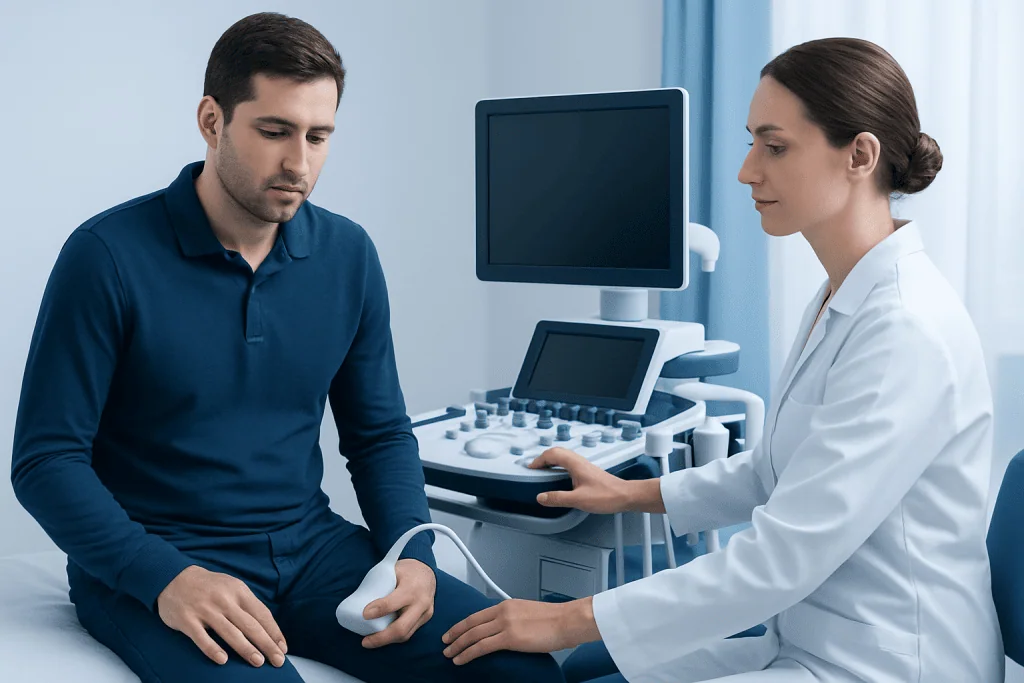
Urine testing may identify infection or blood in the urine. Blood tests may be used when infection or inflammation is suspected. If there is concern about sexually transmitted infections, additional testing may be advised. Ultrasound of the scrotum is one of the most useful imaging tests because it can show blood flow, inflammation, fluid collections, varicocele, masses, or signs of torsion.
When symptoms suggest a urinary tract problem or stone, doctors may order imaging of the kidneys or urinary system. In selected cases, a patient may be referred to a urologist for more detailed evaluation, especially if the pain is persistent, recurrent, or associated with a mass or fertility issues.
Treatment options for left testicle pain
Treatment depends entirely on the underlying cause. Minor injuries and muscle-related pain may improve with rest, scrotal support, limited physical activity, and simple pain relief recommended by a doctor. Ice wrapped in cloth can sometimes help reduce swelling in the first day or two, but direct ice contact should be avoided.
If infection or inflammation is diagnosed, treatment may include antibiotics when a bacterial cause is likely, along with pain control and supportive care. Conditions such as epididymitis and orchitis usually need follow-up to make sure symptoms are improving. If a sexually transmitted infection is involved, partners may also need evaluation and treatment according to medical advice.
Structural conditions may need procedure-based or surgical treatment. A symptomatic varicocele may be assessed for varicocele treatment when pain persists or fertility is affected. An inguinal hernia may need repair if it is painful or enlarging. Sudden torsion requires urgent surgery to restore blood flow and protect the testicle, and severe injury may also need surgical care.
When pain is persistent, unexplained, or associated with a lump, a specialist may recommend further evaluation and treatment in a urology unit. This can include urology care for diagnosis and management, and if a suspicious mass is found, testicular cancer treatment may be discussed based on imaging and pathology findings. The right approach is guided by the exact diagnosis rather than the symptom alone.
Self-care, prevention, and monitoring at home
Some everyday steps may reduce the chance of minor scrotal pain or help support recovery. Wearing supportive underwear during sports or physical work can reduce strain. Protective gear is important in contact sports. Hydration, prompt treatment of urinary symptoms, and safer sexual practices may help lower the risk of certain infections.
It is also helpful to avoid heavy lifting or strenuous activity if pain has already started, especially if a hernia or muscle strain is possible. Gentle rest is usually better than pushing through discomfort. People with recurring symptoms should avoid self-diagnosing and seek proper assessment, since different conditions can feel similar.
Self-checking the testicles once in a while may help a person notice a new lump, asymmetry, or persistent swelling. A normal testicle can have slight natural differences in position or size, so the goal is simply to notice changes that are new or persistent. Any unexplained mass, increasing heaviness, or lasting discomfort should be brought to a doctor’s attention.
Near the end of the care pathway, some patients benefit from specialist evaluation in a center that sees both routine and urgent scrotal problems. Acibadem International’s multidisciplinary specialists and JCI-accredited hospitals evaluate and treat urologic conditions for international patients when advanced assessment is needed.
When to seek medical care
Urgent medical care is needed if the pain is sudden, severe, or starts with swelling, nausea, vomiting, or a testicle that looks higher than usual. These symptoms can occur with testicular torsion, which is a time-sensitive emergency. Prompt treatment can make a major difference.
Medical care is also important if there is fever, redness, pus or discharge, painful urination, blood in the urine, a new lump, or pain after significant injury. Even when the cause is not dangerous, these features often mean the problem will not improve with home care alone.
Non-urgent medical review is reasonable for pain that is mild but lasts more than a few days, keeps coming back, or interferes with work, sleep, exercise, or sexual activity. Chronic or recurrent discomfort deserves evaluation because it may reflect a treatable issue such as varicocele, hernia, infection, or referred pain from the urinary tract.
Anyone unsure about the seriousness of the symptom should contact a qualified healthcare professional. It is safer to have persistent or unusual scrotal pain assessed than to wait and hope it resolves on its own.
Frequently asked questions
Is pain in the left ball always serious?
No. Left testicle pain can happen after a minor injury, muscle strain, or temporary irritation. Still, sudden severe pain or pain with swelling, nausea, fever, or a lump should be checked promptly because some causes need urgent treatment.
Why is left testicle pain common with varicocele?
Varicoceles are more often found on the left side because of the way the left testicular vein drains into the body. They can cause a dull ache, heaviness, or discomfort that is more noticeable after standing or exercise. A doctor can confirm this with examination and ultrasound.
Can a kidney stone cause pain in the left testicle?
Yes. A kidney stone can cause referred pain that travels from the side or lower back into the groin and testicle. This type of pain may come in waves and may happen with nausea, blood in the urine, or trouble urinating.
How do doctors tell the difference between torsion and infection?
The timing and pattern of symptoms are very important. Torsion usually causes sudden, intense pain and often nausea, while infection may build more gradually and may come with fever or urinary symptoms. Ultrasound is commonly used to check blood flow and help confirm the cause.
Should someone go to the emergency room for sudden left testicle pain?
Yes, sudden severe testicle pain should be treated as an emergency until a doctor rules out torsion. Fast evaluation is important because delayed treatment can harm the testicle. It is better to seek urgent care right away than wait at home.
Can exercise or cycling cause pain in the left ball?
Yes. Pressure, friction, muscle strain, or minor trauma from exercise, cycling, or lifting can irritate the groin and scrotal area. If the pain is mild and improving, rest and support may help, but persistent or worsening pain should be evaluated.
This article is for general information only and is not a substitute for professional medical advice. Please consult a qualified doctor about your individual situation.
Explore treatments in Turkey — costs, top hospitals & a free quote
JCI-accredited · board-certified surgeons · reply within 24h
Add us as a Preferred Source to see more of our trusted health content across Google Search, AI Overviews and Discover.

More from the Health Library

Itchy Vagina No Discharge: Common Causes, Related Conditions, and When to See a Doctor
Is the Heart a Muscle? A Doctor-Reviewed Answer

What Does Pneumonia Sound Like? A Doctor-Reviewed Answer
How to Clean Belly Button? Here Is What the Evidence Says

Does Apple Cider Vinegar Help with Bloating? A Doctor-Reviewed Answer