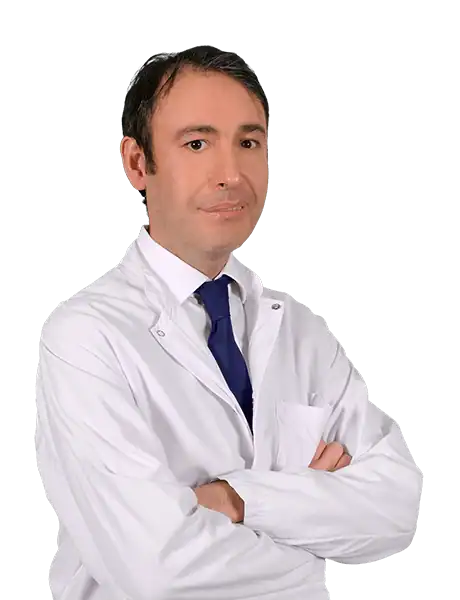
Is the Heart a Muscle? A Doctor-Reviewed Answer
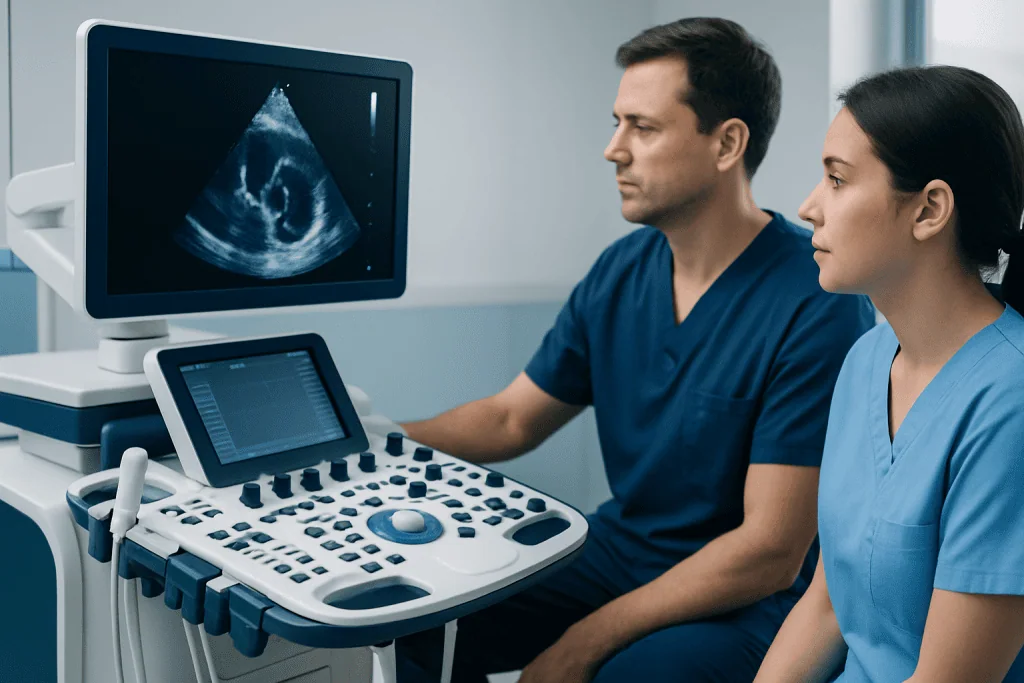
The heart is made primarily of cardiac muscle, also called the myocardium. Cardiac muscle is different from skeletal and smooth muscle because it contracts automatically and rhythmically.
Key Takeaways
- The heart is made primarily of cardiac muscle, also called the myocardium.
- Cardiac muscle is different from skeletal and smooth muscle because it contracts automatically and rhythmically.
- The heart has its own electrical system that coordinates each heartbeat.
- Many brief sensations such as occasional skipped beats are harmless, but chest pain, fainting, or severe breathlessness need urgent medical assessment.
- Healthy lifestyle habits and management of conditions such as high blood pressure can help protect heart muscle health.
Yes, the heart is a muscle—specifically, a specialized involuntary muscle called cardiac muscle. It works continuously and automatically to pump oxygen-rich blood and nutrients around the body.
Is the Heart a Muscle?
Yes, the heart is a muscle. More precisely, it is an organ made largely of a highly specialized type of muscle tissue called cardiac muscle, or the myocardium. This muscle contracts in a regular rhythm to pump blood to the lungs, where blood receives oxygen, and then to the rest of the body.
For most people, simply learning that the heart is a muscle is not a cause for concern. The heart is designed to work automatically throughout life, without a person having to consciously control each beat. However, symptoms such as persistent chest pressure, sudden shortness of breath, fainting, or a fast or irregular heartbeat that does not settle should be medically assessed.
A doctor can evaluate concerning heart-related symptoms by discussing them carefully, examining the person, and using tests such as an electrocardiogram (ECG), blood tests, echocardiography, or exercise testing when appropriate. These tests help assess the heart’s rhythm, structure, pumping ability, and blood supply.
What Makes Cardiac Muscle Different?
The body has three main types of muscle tissue: skeletal muscle, smooth muscle, and cardiac muscle. Skeletal muscles move the bones and are largely under voluntary control, such as when a person walks or lifts an object. Smooth muscle lines structures including blood vessels, the digestive tract, and the bladder, where it works involuntarily.
Cardiac muscle is found only in the heart. Its cells are short, branched, and interconnected, allowing electrical signals and contraction forces to move efficiently across the heart. This coordinated arrangement enables the upper chambers of the heart, called the atria, and the lower pumping chambers, called the ventricles, to contract in an organized sequence.
Unlike an arm or leg muscle, the heart normally does not need a conscious command to contract. Specialized cells within the heart generate electrical impulses, and the heart’s conduction system spreads those impulses so that each heartbeat is coordinated. Although the brain and hormones can change the heart rate in response to activity, stress, fever, or rest, the basic heartbeat begins within the heart itself.
How the Heart Muscle Pumps Blood
Each heartbeat has two main phases. During relaxation, called diastole, the heart chambers fill with blood. During contraction, called systole, the heart muscle squeezes to move blood forward. The right side of the heart sends blood to the lungs, while the left side pumps oxygen-rich blood through the aorta to the body’s tissues.
The left ventricle has the thickest muscle wall because it must create enough pressure to circulate blood throughout the body. The right ventricle has a thinner wall because it pumps blood only to the nearby lungs. Heart valves open and close with changes in pressure, helping blood flow in one direction rather than backward.
Like every working muscle, the myocardium needs a constant supply of oxygen and nutrients. The coronary arteries deliver blood directly to the heart muscle. If blood flow through these arteries is significantly reduced or blocked, part of the heart muscle may be damaged. This is why new chest discomfort, particularly when it occurs with exertion or is accompanied by sweating, nausea, breathlessness, or pain spreading to the arm, jaw, back, or shoulder, needs urgent attention.
Why the Heart Does Not Get Tired Like Other Muscles
The heart works continuously, yet it has features that allow it to sustain this workload. Cardiac muscle cells contain many mitochondria, structures that produce energy for cells. The heart also has an exceptionally rich blood supply through the coronary arteries and uses oxygen efficiently.
Importantly, the heart rests briefly between contractions. At a normal resting heart rate, the relaxation phase occurs thousands of times each day. During this phase, the heart chambers refill and much of the blood supply to the heart muscle itself takes place.
Still, the heart can be affected by disease or excessive strain. Long-standing high blood pressure can make the heart work harder and may cause its muscle to thicken. Coronary artery disease can limit oxygen delivery. Inflammation, certain infections, inherited conditions, alcohol or drug exposure, and some cancer treatments may also affect the myocardium in some people.
Heart muscle problems are not always obvious at first. Depending on the cause, a person may notice reduced exercise tolerance, unusual fatigue, palpitations, ankle swelling, chest discomfort, dizziness, or shortness of breath. These symptoms have many possible causes, including non-heart-related ones, so clinical assessment is important when they are new, persistent, or worsening.
Heart Rate, Palpitations, and Normal Changes
It is normal for the heart rate to change. It commonly rises during exercise, emotional stress, pain, fever, dehydration, pregnancy, or after caffeine or nicotine. It usually slows during sleep and periods of relaxation. A stronger awareness of the heartbeat can also occur after activity or while lying quietly, and it does not automatically mean that there is a heart problem.
Palpitations are sensations of pounding, fluttering, racing, or skipped beats. Occasional brief palpitations are common and may be linked to stress, poor sleep, stimulants, alcohol, or certain medicines. However, recurrent palpitations, especially when paired with dizziness, fainting, chest pain, or breathlessness, should be evaluated to look for an abnormal heart rhythm.
A clinician may ask when the sensation begins, how long it lasts, what seems to trigger it, and whether there are associated symptoms. An ECG records the heart’s electrical activity at one moment in time. If symptoms come and go, a portable rhythm monitor may be useful to record the heartbeat over a longer period.
When to Seek Medical Care
Emergency medical care is needed for chest pressure, heaviness, squeezing, or pain that lasts more than a few minutes, returns repeatedly, or occurs with shortness of breath, sweating, nausea, fainting, or pain spreading to the jaw, arm, shoulder, or back. Sudden severe breathlessness, collapse, or a sustained rapid or irregular heartbeat with weakness or dizziness also requires urgent assessment.
A non-urgent medical appointment is appropriate for new or frequent palpitations, reduced ability to exercise, repeated dizziness, ankle or leg swelling, breathlessness when lying down, or unexplained fatigue. These symptoms do not necessarily indicate a serious heart condition, but they should not be dismissed if they persist or change.
During an assessment, a doctor may check blood pressure, pulse, heart and lung sounds, and signs of fluid retention. Depending on the findings, investigations may include an ECG, echocardiogram, blood tests, a chest X-ray, an ambulatory rhythm monitor, or tests that evaluate blood flow to the heart. The choice of tests depends on the person’s symptoms, health history, and risk factors.
Supporting Heart Muscle Health
Many measures that support overall health also help protect the heart muscle. Regular physical activity suited to a person’s abilities, a balanced eating pattern rich in vegetables, fruits, whole grains, legumes, and unsaturated fats, adequate sleep, and stress management can all be helpful. People who are new to exercise or have symptoms should seek medical advice before starting a strenuous program.
Avoiding tobacco and limiting alcohol are important for heart health. It is also useful to keep blood pressure, cholesterol, and blood glucose within a clinician-recommended range. Taking prescribed medicines consistently and attending follow-up appointments can reduce strain on the heart for people with conditions such as hypertension, diabetes, or established cardiovascular disease.
Family history can matter. A person should tell a clinician if close relatives have had early heart disease, unexplained fainting, cardiomyopathy, or sudden cardiac death. In selected situations, relatives may benefit from screening or genetic counseling.
Acibadem International’s multidisciplinary specialists and JCI-accredited hospitals can assess heart symptoms and provide coordinated care for international patients when evaluation or treatment is needed.
Frequently asked questions
Is the heart the strongest muscle in the body?
The phrase "strongest muscle" depends on how strength is measured. The heart is not the largest muscle, but it is remarkably durable because it contracts continuously throughout life and pumps blood around the body. Its ability to work without voluntary control makes it unique.
Can a person control their heart muscle?
A person cannot directly command the heart to beat in the way they can move an arm or leg. However, breathing, exercise, relaxation, stress, and some medications can influence heart rate through the nervous system. The heart's own electrical system sets the basic rhythm.
What is the heart muscle called?
The heart muscle is called the myocardium. It forms the muscular middle layer of the heart wall and creates the force needed to pump blood. The myocardium is supplied with oxygen-rich blood by the coronary arteries.
Can heart muscle heal after damage?
The heart has limited ability to regenerate muscle cells after major injury. Following a heart attack, damaged tissue may be replaced by scar tissue rather than fully functioning cardiac muscle. Early treatment and long-term medical care can help preserve remaining heart function and reduce future risk.
Are skipped heartbeats always dangerous?
No. Brief, occasional skipped or extra beats are often harmless, particularly during stress, fatigue, dehydration, or caffeine use. Medical review is recommended if they are frequent, prolonged, new, or associated with chest pain, fainting, dizziness, or shortness of breath.
How can doctors check whether the heart muscle is healthy?
Doctors use a person's symptoms, medical history, examination, and tests to assess heart health. An ECG evaluates electrical activity, while an echocardiogram can show heart structure and pumping function. Blood tests, rhythm monitoring, exercise testing, or imaging may also be used when clinically appropriate.
This article is for general information only and is not a substitute for professional medical advice. Please consult a qualified doctor about your individual situation.
Heart care in Turkey — expert evaluation and treatment
JCI-accredited · board-certified surgeons · reply within 24h
Add us as a Preferred Source to see more of our trusted health content across Google Search, AI Overviews and Discover.
Check your numbers in seconds
BMI, calories, due date, blood pressure and 30+ more clinical calculators — free, instant, doctor-reviewed ranges.

More from the Health Library

How to Make Yourself Sneeze? A Doctor-Reviewed Answer

Can You Take Celebrex 200 MG Twice a Day? Here Is What the Evidence Says

How Long to Leave Hydrogen Peroxide in Ear? Causes, Explanations, and Next Steps

Add vs adhd: How to Tell the Difference and When It Matters

Dizziness After Waking Explained: Common Triggers and Red Flags

Can You Get Herpes From Sharing a Drink? Here Is What the Evidence Says
Cardiology Specialists at Acibadem
Prof. Dr. Ahmet Karabulut
Cardiology
Prof. Dr. Ahmet Kaya Bilge
Cardiology
Prof. Dr. Ahmet Oytun Baykan
Cardiology
Prof. Dr. Ahmet Tulga Ulus
Cardiovascular Surgery