

Hashimoto Thyroiditis
Hashimoto thyroiditis is an autoimmune thyroid condition that can cause hypothyroidism, fatigue, weight changes and neck discomfort. Care focuses on accurate diagnosis, hormone replacement when needed and long-term monitoring.
Quick answer
Hashimoto disease (Hashimoto thyroiditis) is an autoimmune condition in which the immune system attacks the thyroid gland, often leading to an underactive thyroid. Care involves blood tests for TSH, free T4 and thyroid antibodies, ultrasound when needed, and daily levothyroxine if hormone levels are low. When levels are still normal, structured monitoring may be all that is required. Treatment is long term and adjusted over time.
Hashimoto Disease: Why the Right Diagnosis and Follow-Up Matter
Hashimoto disease is an autoimmune condition in which the immune system mistakenly attacks the thyroid gland, gradually reducing its ability to produce thyroid hormone. It is one of the most common causes of an underactive thyroid, it mainly affects women, and it usually develops slowly over years rather than weeks. Care is not built around a single procedure. It centres on confirming the diagnosis, deciding whether thyroid hormone replacement is needed, checking the gland for nodules or enlargement, and monitoring both hormone levels and symptoms over the long term.
The name appears in several forms, and they all describe the same condition. Doctors usually write Hashimoto thyroiditis or chronic autoimmune thyroiditis. In everyday searches you will also see it written informally as hashimotos, without the apostrophe. Whichever spelling you use, the underlying medicine is identical: an autoimmune process directed at the thyroid, with consequences that depend on how much of the gland’s function is affected.
Living with the condition can be confusing, because its symptoms often resemble the effects of stress, ageing, disrupted sleep, menopause, depression or ordinary lifestyle change. Many people first seek help because they feel persistently tired, gain weight without a clear change in diet, feel unusually cold, notice dry skin or thinning hair, or develop a sense of fullness in the neck. Others discover the condition by chance — during routine blood tests, a fertility evaluation, pregnancy planning, or the investigation of a thyroid nodule. Both routes to diagnosis are common, and neither means the condition is more or less significant.
If you have received differing medical opinions, the uncertainty can feel harder still. Laboratory reference ranges, treatment thresholds and prescribing customs vary between clinics and laboratories, and it is entirely reasonable to want a clear, evidence-based explanation of what your own results mean. Hashimoto thyroiditis is usually a lifelong condition, and small adjustments in thyroid hormone levels can have a meaningful effect on energy, metabolism, mood, heart rhythm, fertility and overall wellbeing. That is why an accurate diagnosis and a sensible monitoring plan matter more than any single prescription.
What is Hashimoto’s thyroiditis?
Hashimoto’s thyroiditis is chronic inflammation of the thyroid gland caused by the body’s own immune system. Immune cells infiltrate the gland, and the blood usually contains antibodies directed against thyroid components — most often anti-thyroid peroxidase (anti-TPO) antibodies and anti-thyroglobulin antibodies. Over time, this immune activity can damage the cells that make thyroid hormone. The thyroid sits at the front of the neck and produces hormones that help regulate metabolism, body temperature, heart rate, energy use, digestion, menstrual function and many other processes, which explains why an underactive gland can produce such a wide range of symptoms. In some people the inflamed gland enlarges; in others it slowly shrinks over many years.
What are the causes of Hashimoto’s thyroiditis?
The exact cause of Hashimoto’s thyroiditis is not fully understood, but it is best explained as a combination of genetic susceptibility and environmental triggers. A family history of thyroid or autoimmune disease increases the likelihood of developing it, and it is considerably more common in women. It can also cluster with other autoimmune conditions in the same person or the same family — for example type 1 diabetes, pernicious anaemia, celiac disease or Addison disease. Factors that researchers have studied include excess iodine intake, certain viral infections, radiation exposure and the immune shifts that follow pregnancy. None of these alone explains the condition, and having a risk factor does not mean you will develop hashimoto disease. It sits at the opposite end of the autoimmune thyroid spectrum from Graves disease, in which antibodies overstimulate the gland rather than damaging it.
What is the first stage of Hashimoto’s?
The first stage of Hashimoto’s is usually silent: thyroid antibodies are present in the blood, but hormone levels remain normal and there may be no symptoms at all. Some people stay in this stage for years, and some never progress beyond it. If thyroid damage advances, the next stage is often subclinical hypothyroidism, in which thyroid-stimulating hormone (TSH) rises while free thyroxine remains within range. Overt hypothyroidism — clearly low hormone output — may follow later, but progression is not inevitable. Occasionally, an early inflammatory phase releases stored hormone into the blood and causes temporary overactive-thyroid features before levels settle or fall; clinicians sometimes call this hashitoxicosis. Because the course varies so much between individuals, careful observation rather than immediate medication is often the correct plan at the beginning.
Hashimoto’s Thyroiditis Symptoms: What to Look For
Hashimoto’s thyroiditis symptoms develop gradually and reflect a slowing of the body’s metabolism as thyroid hormone output falls. In the early antibody-positive stage there may be no symptoms at all. As thyroid function declines, the picture usually builds over months or years, which is one reason many people attribute the changes to age, work or stress before the thyroid is ever tested.
Common symptoms that lead people to seek a thyroid evaluation include:
- Persistent fatigue that does not improve with rest
- Weight gain, or difficulty losing weight despite genuine effort
- Increased sensitivity to cold
- Constipation and sluggish digestion
- Dry skin, thinning hair and brittle nails
- Muscle aches, cramps and joint discomfort
- A slower heart rate than usual
- Heavy or irregular menstrual periods
- Low mood, memory concerns or difficulty concentrating — often described as “brain fog”
- A hoarse or deeper voice, or a puffy face
- Neck tightness, a visible swelling at the front of the neck, or discomfort with collars or swallowing
None of these symptoms is unique to the thyroid. Anaemia, vitamin deficiencies, sleep disorders, depression, menopause and several other conditions can produce a very similar picture, which is why diagnosis should never rest on symptoms alone. Blood testing settles the question in most cases.
What does it feel like to have Hashimoto’s?
Many people with Hashimoto’s describe a sense that their internal pace has slowed: tired despite adequate sleep, mentally foggy at work or study, cold in rooms that feel comfortable to everyone else, and frustrated by weight that will not shift. Some notice a feeling of fullness or tightness in the neck, or become newly aware of swallowing. Others feel entirely well and only learn of the condition through a blood test. Both experiences are typical, because how you feel depends less on the antibodies themselves and more on how much thyroid hormone your gland is still producing. When hormone levels are corrected, many of these sensations ease gradually — although fatigue and weight in particular often have more than one contributing cause and deserve a broader look.
How serious is Hashimoto’s disease?
For most people, Hashimoto’s disease is a manageable long-term condition rather than a dangerous one, provided thyroid function is checked periodically and treated when it falls. The condition becomes a genuine medical problem mainly when significant hypothyroidism goes unrecognised or untreated for a long time: it can then contribute to unfavourable cholesterol levels, strain on the heart and circulation, fertility difficulties, low mood and slowed thinking. Severe, long-neglected hypothyroidism is uncommon but can become medically serious. The other reason for taking hashimoto disease seriously is structural: the gland can enlarge (a goitre) or develop nodules, and while most nodules are benign, they should be assessed on their own merits by ultrasound. With sensible monitoring and treatment where needed, most people live entirely normal lives with this condition.
Who May Need Evaluation or Treatment for Hashimoto Thyroiditis
You may be referred for evaluation because of symptoms, an abnormal blood test, a family history of thyroid problems, or a finding on imaging done for another reason. The condition is more common in women and often appears in adulthood, but it also occurs in men, adolescents and older adults. A family history of autoimmune conditions — thyroid or otherwise — increases the likelihood that unexplained fatigue or weight change deserves thyroid testing rather than reassurance alone.
A thorough evaluation typically includes a clinical history, a physical examination and targeted laboratory tests. The core blood tests are thyroid-stimulating hormone (TSH) and free thyroxine (free T4). Free T3 is sometimes measured, although it is not usually necessary for diagnosis. Thyroid antibody testing — particularly anti-TPO and anti-thyroglobulin antibodies — supports the diagnosis of autoimmune thyroiditis and helps distinguish it from other causes of an underactive gland.
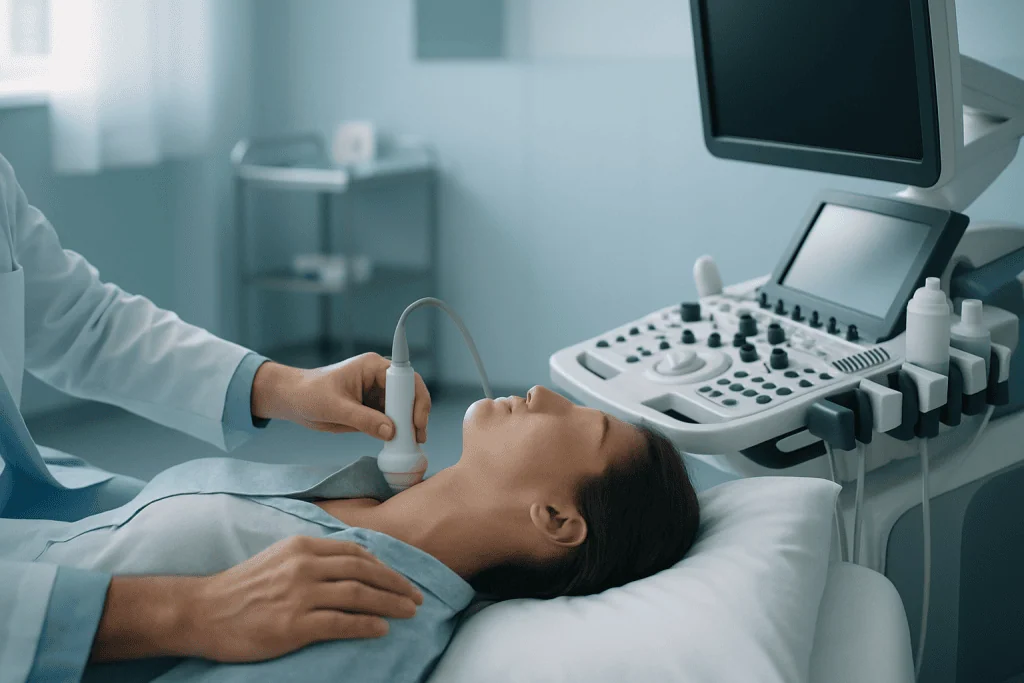
Thyroid ultrasound is recommended when the gland feels enlarged, when nodules are suspected, when there are neck symptoms, or when previous imaging has shown abnormalities. Ultrasound assesses the size, texture and inflammation pattern of the gland and characterises any nodules. If a nodule shows features that warrant closer evaluation under international risk-based criteria, a fine-needle aspiration biopsy may be considered.
Specialist review is particularly worthwhile in certain situations: abnormal TSH results, persistent symptoms despite treatment, pregnancy or plans for pregnancy, infertility or recurrent pregnancy loss, existing heart disease, thyroid nodules or goitre, complex medication interactions, or genuine uncertainty about whether a current thyroid hormone dose is right. People who have taken thyroid medication for years without a structured reassessment also benefit from a careful review — bodies change, and doses that suited you a decade ago may not suit you now.
Equally important, evaluation can establish that the thyroid is not the explanation. If antibodies are present but hormone levels are normal, and symptoms persist, the correct next step may be to look for other treatable causes rather than to start hormone replacement that the gland does not yet need.
Conditions and Situations Addressed by Hashimoto Thyroiditis Care
Hashimoto thyroiditis care covers a spectrum, from early autoimmune changes with normal hormone levels through to established hypothyroidism with structural changes in the gland. The most common indication for treatment is hypothyroidism caused by autoimmune thyroid damage. When the gland cannot produce adequate hormone, replacement therapy restores thyroid hormone availability and relieves the physiological strain of an untreated deficiency.
Subclinical hypothyroidism is the next most frequent situation: TSH is elevated, but free T4 remains within the reference range. Not everyone in this position needs medication immediately. The decision depends on how high the TSH is, whether symptoms are present, antibody status, age, cardiovascular risk, pregnancy status, fertility goals, and whether thyroid function is stable or drifting downward on repeat testing. Treatment thresholds genuinely differ for young adults, older adults and people trying to conceive, which is why specialist interpretation adds value here.
Goitre — enlargement of the thyroid — is another situation the care pathway addresses. Enlargement may be mild and noticed only on examination or ultrasound, or it may cause visible swelling. In some patients it produces pressure symptoms: a sensation of tightness, difficulty swallowing, or discomfort when lying flat. Most goitres associated with Hashimoto thyroiditis are managed medically and monitored with imaging; a minority need further assessment.
Thyroid nodules deserve their own mention. Hashimoto thyroiditis changes the texture of the gland and can coexist with nodules. Most nodules are benign, but each should be evaluated according to its ultrasound appearance, size, growth pattern and clinical risk factors. Having Hashimoto thyroiditis does not mean a nodule is cancerous — it simply means the gland should be examined carefully rather than assumed to be uniform.
Reproductive health is a central part of care for many patients. Thyroid hormone matters for ovulation, menstrual regularity, early pregnancy and fetal development. Women planning pregnancy, already pregnant, or undergoing fertility treatment usually need closer monitoring and different treatment targets than non-pregnant adults, and thyroid function is commonly assessed before and during fertility treatment.
Finally, care takes account of the company this condition keeps. People with autoimmune thyroiditis may have, or be at increased risk of, other autoimmune conditions. Not everyone needs broad screening, but symptoms and medical history guide sensible additional testing. Hashimoto thyroiditis is also only one entity within the wider field of thyroid disease, and part of a good evaluation is confirming which thyroid condition you actually have before committing to long-term treatment.
How Hashimoto Thyroiditis Care Is Performed Step by Step
How do you treat Hashimoto’s thyroiditis?
You treat Hashimoto’s thyroiditis by replacing the hormone the thyroid can no longer make — most commonly with daily levothyroxine — when levels are genuinely low, and by monitoring without medication when levels remain normal. There is currently no medicine that switches off the underlying autoimmune process itself; treatment manages its consequences. That distinction matters, because it explains why antibody levels are not the treatment target, why some antibody-positive patients need no medication at all, and why the condition is followed over time rather than treated once and forgotten. The pathway below describes how that care is typically organised.
- Step 1 — consultation and review of your history and previous results
- Step 2 — physical examination of the neck and general assessment
- Step 3 — laboratory testing of thyroid function and antibodies
- Step 4 — thyroid ultrasound when there is a structural question to answer
- Step 5 — fine-needle biopsy only if a nodule meets criteria for sampling
- Step 6 — medication planning if hypothyroidism is confirmed
- Step 7 — repeat testing, dose adjustment and long-term monitoring
Initial Consultation and Medical Review
The first step is a detailed consultation. Your physician reviews symptoms, prior thyroid results, medication history, supplements, family history, pregnancy plans, menstrual history, heart conditions, digestive issues, weight changes and previous imaging. This matters particularly if your records come from more than one clinic or laboratory, where reference ranges and reporting customs can vary. If you already take thyroid medication, your doctor will ask exactly how and when you take it. Levothyroxine absorption can be affected by timing, food, coffee, calcium, iron, acid-reducing medicines, certain cholesterol medicines and some supplements — a patient who appears to need a higher dose may in fact simply need a more consistent routine, and that is a conversation for the treating doctor, not a change to make alone.
Physical Examination
The physician examines the neck to assess thyroid size, tenderness, nodules and lymph nodes. The examination also looks for signs of hypothyroidism or of over-replacement: changes in heart rate, skin texture, reflexes, swelling, tremor or blood pressure. These findings are interpreted together with the laboratory results rather than in isolation — a principle that protects patients from being treated on the basis of a single number.
Laboratory Testing
Blood tests form the core of both diagnosis and monitoring. TSH and free T4 are the standard measures of thyroid function; antibody tests identify the autoimmune cause. Depending on your situation, additional tests may assess cholesterol, blood count, vitamin B12, iron stores, vitamin D, blood sugar, liver and kidney function, or markers related to other autoimmune conditions. If you already take thyroid hormone, the timing of the blood draw relative to your dose may be discussed so that results can be interpreted accurately. For pregnant patients or those preparing for pregnancy, targets are more specific and testing intervals are usually shorter.
Thyroid Ultrasound and Imaging When Needed
Ultrasound uses sound waves, involves no radiation, and shows whether the gland is enlarged, inflamed, heterogeneous in texture, or carrying nodules. Modern equipment lets the radiologist evaluate the internal characteristics of a nodule — composition, margins, calcifications and blood-flow pattern — which determines whether follow-up imaging or biopsy is warranted. Not every patient needs an ultrasound at every visit. Imaging is used when it can answer a specific clinical question: is a nodule present, has a goitre changed, do neck symptoms correspond to thyroid enlargement?
Fine-Needle Aspiration Biopsy When Indicated
If a nodule meets criteria for further evaluation, a fine-needle aspiration biopsy may be recommended. A very thin needle is guided into the nodule, usually under ultrasound guidance, to collect a small sample of cells for pathology. The result helps distinguish benign nodules from those that require closer evaluation or treatment. It is an outpatient procedure, and most patients return to normal activities shortly afterwards.
Medication Planning
If hypothyroidism is confirmed and treatment is appropriate, the physician selects a thyroid hormone dose based on weight, age, TSH level, the degree of hormone deficiency, pregnancy status and heart health. Younger, otherwise healthy adults often start at standard replacement dosing; older adults and those with heart disease are usually started lower and adjusted gradually, because a rapid rise in thyroid hormone can place stress on the heart. Levothyroxine is generally prescribed once daily, taken on an empty stomach with water and separated from interfering medicines and supplements; some patients are advised a bedtime schedule instead if it improves consistency. Consistency is the point — switching brands or formulations can shift thyroid levels in some individuals, so follow-up testing is usually arranged after any change. Some patients who continue to feel unwell despite normal results ask about combination therapy or alternative thyroid preparations. These options exist but need careful specialist discussion, because excess thyroid hormone raises the risk of palpitations, atrial fibrillation, bone loss, anxiety, insomnia and muscle weakness. Decisions rest on symptoms, test results, safety and current evidence — not on preparation fashion.
Monitoring and Dose Adjustment
After starting or changing therapy, blood tests are repeated once enough time has passed for levels to stabilise. Adjustments are made gradually. The goal is not to push TSH to the lowest possible number, but to reach a range that is safe and appropriate for you specifically. Once stable, most patients move to periodic monitoring rather than frequent visits. Testing usually becomes more frequent during pregnancy, after major weight change, after starting medicines that affect absorption or metabolism, after gastrointestinal surgery, or when symptoms change noticeably.
Daily Life After Starting Treatment
This is outpatient care: there is no hospital stay to recover from, and most patients carry on with normal life while evaluation and treatment proceed. Improvement after starting hormone replacement is gradual rather than immediate. Cold intolerance and constipation often ease as levels normalise; fatigue and weight tend to respond more slowly and are frequently influenced by sleep, nutrition, anaemia, insulin resistance, mood, other medicines or coexisting conditions. Because the condition is chronic, the most valuable outcome of good care is understanding: how to take medication reliably, when to repeat testing, which changes deserve earlier review, and how pregnancy, ageing, weight change and other illnesses can alter your thyroid needs over time.
Why Acting Early Matters and the Risks of Delay
Hashimoto thyroiditis usually progresses slowly, which makes postponing evaluation tempting. But untreated or under-treated hypothyroidism affects multiple body systems. People may experience worsening fatigue, weight gain, constipation, high cholesterol, menstrual irregularity, fertility difficulties, low mood, slowed thinking and reduced exercise tolerance. In older adults the picture is often subtle yet still clinically important.
Cardiovascular health deserves particular attention. Hypothyroidism can contribute to unfavourable cholesterol levels and may worsen existing heart conditions; over a long period, significant untreated hypothyroidism places strain on the heart and circulation. Severe hypothyroidism is uncommon, but it can become medically serious when ignored for years.
For women who are pregnant or trying to conceive, early thyroid assessment matters most of all. Adequate thyroid hormone is necessary in early pregnancy, and treatment targets differ from those used outside pregnancy. Women with known Hashimoto thyroiditis usually discuss pregnancy planning with their physician before conception, or as early as possible once pregnancy is confirmed.
Acting early cuts both ways: it also protects you from unnecessary treatment. Some patients are started on thyroid medication without a complete evaluation; others take supplements or high-dose iodine products that can worsen thyroid imbalance in certain circumstances. A structured assessment clarifies whether medication is needed at all, whether an existing dose remains appropriate, and whether the symptoms in question may have a different, equally treatable cause.
Weight, Nutrition and Daily Life With Hashimoto Thyroiditis
How can you lose weight with Hashimoto’s thyroiditis?
The honest answer has two parts: first, thyroid hormone levels need to be corrected, because a genuinely underactive thyroid slows metabolism and retains fluid; second, once levels are in range, weight management follows the same principles as for anyone else — sustained attention to diet quality, portion, physical activity, sleep and stress. Hormone replacement typically reverses the portion of weight gain that was directly attributable to hypothyroidism, which is often more modest than people hope. Weight that remains after levels normalise usually has other contributors worth reviewing: insulin resistance, medication effects, sleep problems or mood. What treatment must never become is a weight-loss tool — doctors do not prescribe thyroid hormone above replacement needs for this purpose, because excess hormone carries real risks to heart rhythm and bone.
On nutrition more broadly, no single diet has been proven to treat the autoimmune process itself. Sensible principles apply: adequate but not excessive iodine, a balanced diet that supports stable weight, and caution with supplements. Calcium, iron and some multivitamin products can interfere with levothyroxine absorption when taken close together, and high-dose iodine or thyroid-labelled supplements can unbalance the gland — which is why supplement decisions and medication timing belong in a conversation with your treating doctor rather than in trial and error. Gluten restriction is relevant when coexisting coeliac disease has actually been confirmed, not as a routine measure for every thyroid patient. Regular activity, good sleep and treatment of coexisting conditions do more for daily wellbeing than any restrictive protocol.
Benefits of Hashimoto Thyroiditis Treatment
What treatment achieves depends on the stage of the condition, the degree of hormone deficiency and your overall health. The table below summarises the realistic benefits.
| Benefit | What It Means for You |
|---|---|
| Correction of hypothyroidism | When thyroid hormone is low, replacement therapy restores hormone levels to a medically appropriate range and supports normal body function. |
| Improved symptoms over time | Fatigue, cold intolerance, constipation, dry skin and cognitive slowing may improve as levels stabilise, although other causes of symptoms should be considered in parallel. |
| Better reproductive planning | For patients planning pregnancy or fertility treatment, careful thyroid management supports safer preparation and appropriate monitoring in early pregnancy. |
| Reduced risk of over-treatment | Specialist monitoring helps avoid excess thyroid hormone, which can affect heart rhythm, bone health, sleep and anxiety symptoms. |
| Appropriate evaluation of nodules or goitre | Ultrasound, and biopsy when indicated, identify thyroid changes that need observation or further care. |
| Long-term disease understanding | You gain a clear plan for testing intervals, medication routine, lifestyle considerations and when reassessment is due. |
Recovery and Follow-Up Timeline
Hashimoto thyroiditis management is outpatient care. “Recovery” here means symptom improvement, dose refinement and settling into a sustainable monitoring rhythm.
| Time Period | What Patients Can Expect |
|---|---|
| Day 1 | Consultation, examination, review of previous results, and planning of blood tests or ultrasound. If medication is needed, dose and timing are explained. |
| First Week | Normal activities continue. Blood test and ultrasound results are reviewed and the care plan refined. Medication routines may be adjusted for better absorption. |
| First Month | Some patients notice gradual symptom change, though stabilisation takes longer. A biopsy or additional testing, if needed, may be scheduled in this period. |
| After Dose Adjustment | Repeat thyroid testing is performed once levels have had time to stabilise. The physician increases, decreases or maintains the dose based on results and symptoms. |
| Longer Term | Once stable, follow-up becomes periodic. Monitoring intensifies during pregnancy, after major weight change, with new interacting medicines, or when symptoms shift. |
Factors That Influence Outcomes and a Good Result
A good result means more than a laboratory value inside a reference range. It means your thyroid function is appropriate for your age and circumstances, your symptoms have been interpreted thoughtfully, your medication routine is safe and workable, and any structural findings in the gland are being followed correctly.
Diagnostic accuracy comes first. Fatigue, weight change, mood symptoms and hair loss occur with hypothyroidism — and also with anaemia, vitamin deficiencies, sleep disorders, depression, chronic stress, insulin resistance, medication effects and inflammatory conditions. If every symptom is attributed to the thyroid, other treatable causes get missed. If mild thyroid dysfunction is dismissed without context, you may stay unwell unnecessarily. The honest middle path is testing, context and review.
Medication consistency strongly affects outcomes. Levothyroxine needs to be absorbed reliably, and taking it with breakfast, coffee, calcium, iron or certain other medicines can undermine that, producing unstable TSH results that look like disease progression when they are really a routine problem. People who travel across time zones, keep irregular schedules or take several medicines often need practical guidance to keep the routine steady.
The dose itself is the third factor. Too little hormone leaves hypothyroidism under-treated. Too much produces its own symptoms — palpitations, shakiness, anxiety, sweating, insomnia, unintended weight loss, and bone loss over time. Older adults and patients with cardiovascular disease need particular care, because rapid or excessive dosing places stress on the heart.
Life stage matters throughout. Pregnancy increases thyroid hormone requirements in many women already on replacement therapy. Weight change, menopause, gastrointestinal conditions, bariatric surgery and new medicines can all shift dosing needs. Regular reassessment keeps the plan aligned with your current physiology rather than the physiology you had at diagnosis.
Structure should be watched as well as function. If you have a goitre or nodules, ultrasound follow-up may be needed even when hormone levels are perfectly controlled — a stable TSH does not answer a structural question. And finally, communication holds the whole plan together: you should leave every review understanding what your results mean, how to take your medication, and when testing is next due. Clear written documentation also lets any physician who sees you later continue the same plan without starting from zero.
How Hashimoto Thyroiditis Care Is Organised at Acibadem
Hashimoto thyroiditis can look straightforward and turn out to be layered: autoimmune disease, hormone replacement, nodules, pregnancy planning, cardiovascular risk, absorption problems and overlapping symptoms from unrelated conditions can all sit in one patient. At Acibadem, care for the condition is led by endocrinology, with collaboration from radiology, pathology, nuclear medicine, general surgery, cardiology, gynaecology, reproductive medicine or internal medicine when the clinical picture calls for it. When nodules or complex findings are present, cases can be discussed in specialist boards so that imaging, pathology, laboratory data and clinical priorities are weighed together rather than in sequence.
The diagnostic pathway is built to answer questions, not to multiply tests. High-resolution thyroid ultrasound assesses gland texture, inflammation, nodules and goitre; image-guided biopsy is used when a nodule genuinely meets criteria for sampling; laboratory testing covers thyroid function, antibody status and — where clinically appropriate — metabolic risk, nutritional deficiencies and related conditions. For patients already taking thyroid hormone, physicians review the full treatment history rather than the latest TSH alone: dose changes over time, symptoms, medication timing, formulation switches, digestive conditions, supplement use, pregnancy plans and heart health. That kind of review is most useful precisely for the patients whose levels fluctuate or whose symptoms persist despite apparently normal results.
Because Hashimoto thyroiditis is a long-term condition, every evaluation ends with continuity in mind. Written summaries and follow-up recommendations set out the current status of the gland, the reasoning behind any medication decision, the monitoring intervals that apply, and any imaging follow-up that is due — so that the plan can be carried forward reliably at future reviews rather than reconstructed from memory each time.
Personalised planning is the constant. A young woman planning pregnancy, an older patient with heart disease, a patient with a suspicious-looking nodule and a patient with fatigue but entirely normal thyroid function all carry the same diagnosis label — and need four different plans. Some need medication. Some need a dose adjustment. Some need ultrasound surveillance. Some need investigation of a different cause of their symptoms altogether. The plan should match the person, not only the diagnosis.
Living With Hashimoto Thyroiditis Long Term
For most people, the turning point is not a prescription but an explanation: what the blood tests mean, whether the antibodies matter, whether the symptoms actually match the thyroid function, how the medication works, and how often monitoring is genuinely needed. Once those questions are answered, hashimoto disease usually settles into the background of life — a condition reviewed periodically, adjusted occasionally, and managed safely over decades. The condition rarely rewards urgency, but it consistently rewards continuity: steady medication habits, sensible testing intervals, reassessment at life transitions such as pregnancy or menopause, and imaging follow-up when the gland itself raises a structural question. With that framework in place, thyroid hormone levels can generally be kept where they should be, and your energy, metabolism and daily wellbeing can be judged on their own terms rather than through the fog of an untreated thyroid.
Preparation
- Your doctor may request thyroid function tests, thyroid antibody tests and sometimes thyroid ultrasound before treatment planning. Bring previous blood test results, imaging reports and a list of current medications or supplements. Do not stop thyroid medication unless your physician instructs you to do so.
Aftercare
- Follow-up blood tests are usually needed to adjust thyroid hormone dosage and monitor TSH and free T4 levels. Take medication exactly as prescribed, preferably at the same time each day and away from certain supplements. Report persistent fatigue, palpitations, weight changes or pregnancy plans to your doctor.
Turkey vs UK, Germany & USA
Hashimoto thyroiditis care is usually long-term, so total cost depends on diagnostic workup, medication needs and follow-up planning rather than a single procedure. Comparing countries can help international patients understand how hospital setting, specialist access and travel support may affect the overall experience.
The comparison below focuses on factors that may influence cost and patient experience for Hashimoto thyroiditis diagnosis and ongoing care.
| Factor | Turkey | UK | Germany | USA |
|---|---|---|---|---|
| Care setting and access | Private hospitals often coordinate endocrinology consultation, laboratory testing and imaging in one pathway. | Public and private pathways differ; private care may offer more flexible scheduling. | Specialist care is available through structured public or private systems, with referral requirements varying by pathway. | Care is often specialist led, with costs strongly influenced by insurance status and provider network. |
| Hospital and specialist factors | Final cost may vary by hospital category, endocrinologist experience and access to internationally accredited facilities, including JCI-accredited options. | Consultant fees, hospital location and private clinic policies can influence pricing. | University hospitals, private clinics and specialist centers may have different fee structures. | Provider reputation, facility fees and insurance contracts can create wide cost variation. |
| Diagnostics included | Packages may include specialist consultation, thyroid blood tests, antibody tests and ultrasound when clinically needed. | Testing may be billed through separate providers depending on care route. | Laboratory and imaging services may be arranged within the same system or billed separately. | Consultation, laboratory testing and imaging are commonly itemized, especially in private billing. |
| Waiting time and scheduling | Private international patient departments may help arrange appointments and testing within a coordinated visit. | Waiting time depends on public or private pathway and local demand. | Scheduling can vary by region, referral route and specialist availability. | Access may be rapid in some private settings but depends on insurance authorization and provider availability. |
| Travel and language logistics | International patient services may support translation, appointment planning and medical report coordination. | Travel logistics are usually arranged by the patient; language support depends on provider. | Language assistance may be available in larger centers, but arrangements vary. | Travel, accommodation and language support are usually separate from medical billing. |
| Follow-up model | Follow-up may be planned remotely or through coordinated return visits, depending on clinical need. | Follow-up may be through general practice, endocrinology or private clinics. | Long-term monitoring is usually structured through local physicians and specialists. | Ongoing visits and repeat tests may be influenced by insurance coverage and provider network. |
What affects your final cost
- Whether the visit is for diagnosis, medication adjustment, monitoring or evaluation of neck symptoms.
- The range of blood tests required, including thyroid function and autoimmune antibody testing.
- Whether thyroid ultrasound or additional imaging is recommended.
- Need for consultation with an endocrinologist, internist, dietitian or other specialist.
- Medication type, dose adjustments and frequency of follow-up testing.
- International patient services such as translation, report preparation and appointment coordination.
Compare your options
Hashimoto thyroiditis management is individualized; suitability for each option is decided by a specialist after clinical examination and thyroid testing.
| Option | What it is | Typical use | Key considerations |
|---|---|---|---|
| Diagnostic assessment | Clinical review with thyroid function tests, autoimmune antibody tests and medical history evaluation. | Used to confirm Hashimoto thyroiditis, assess thyroid hormone status and investigate symptoms such as fatigue or weight changes. | Testing helps distinguish autoimmune thyroid disease from other causes of symptoms; repeat testing may be needed over time. |
| Monitoring without hormone replacement | Regular follow-up when thyroid hormone levels are still within an acceptable range. | May be considered when symptoms are mild or laboratory results do not yet show clear hypothyroidism. | Monitoring frequency is decided by the physician; patients should report new symptoms or neck changes. |
| Thyroid hormone replacement | Prescription medicine used to replace insufficient thyroid hormone. | Commonly used when Hashimoto thyroiditis causes hypothyroidism or when hormone levels require correction. | Dose must be individualized and adjusted using follow-up blood tests; patients should not change dose without medical advice. |
| Thyroid ultrasound and nodule evaluation | Imaging to assess thyroid size, texture and nodules when indicated. | Used for neck swelling, discomfort, abnormal examination findings or follow-up of thyroid nodules. | Ultrasound findings may require monitoring or further specialist assessment; not every patient needs imaging at every visit. |
| Supportive lifestyle and symptom care | Education on medication timing, nutrition considerations, fatigue management and associated autoimmune conditions when relevant. | Used alongside medical monitoring to improve adherence and address patient concerns. | Lifestyle measures do not replace prescribed hormone therapy when it is needed; supplements should be discussed with a doctor. |
General information only — not medical or financial advice. Final costs depend on the factors above and your individual case; request a free, personalised quote.
Frequently Asked Questions
What affects the cost of Hashimoto thyroiditis care?
Cost is influenced by the type of consultation, laboratory tests, ultrasound needs, medication planning, follow-up frequency and whether additional specialists are involved. International patient services such as translation and report coordination may also affect the package.
How can I get a personalised quote from Acibadem?
You can request a free consultation by sharing recent thyroid test results, ultrasound reports if available, current medications and symptoms. The medical team can review your information and prepare a personalised care plan and quote.
Is Hashimoto thyroiditis usually treated with surgery?
Hashimoto thyroiditis is usually managed with monitoring and thyroid hormone replacement when needed. Surgery is not typical for the autoimmune condition itself, but a specialist may evaluate surgery separately if there are concerning nodules, significant compression symptoms or other specific findings.
Will my package include blood tests and ultrasound?
Packages vary according to clinical need. A typical assessment may include an endocrinology consultation and thyroid blood tests, while ultrasound is added when examination findings, symptoms or previous reports suggest it is appropriate.
Can follow-up be done after I return home?
In many cases, ongoing monitoring can be coordinated with repeat blood tests and remote communication, depending on your clinical situation. Your specialist will advise how follow-up should be organized and what results should be shared.
Is this information medical or financial advice?
No. This is general educational information. Diagnosis, treatment decisions and final costs should be confirmed through a specialist assessment and a personalised quotation.
Medically reviewed by the Acıbadem International Medical Board — August 31, 2026
See our medical review board →
Update history
- PublishedJune 8, 2026
- Medical review approvedAugust 31, 2026
- Last content updateAugust 31, 2026
References2
- Hashimoto's Disease (Chronic Lymphocytic Thyroiditis) — my.clevelandclinic.org
- Hashimoto Thyroiditis — ncbi.nlm.nih.gov