Nulliparous — Explained by Medical Evidence, Not Myths

Nulliparous describes someone who has never given birth; it does not by itself mean infertility or a health problem. The term is different from related words such as pregnant, infertile, and never having conceived.
Key Takeaways
- Nulliparous describes someone who has never given birth; it does not by itself mean infertility or a health problem.
- The term is different from related words such as pregnant, infertile, and never having conceived.
- Being nulliparous can influence how clinicians assess pregnancy, labor, and certain gynecologic risks.
- Medical history, age, symptoms, and overall health matter more than the term alone.
- Anyone with pelvic pain, abnormal bleeding, trouble conceiving, or pregnancy concerns should speak with a qualified doctor.
Medically reviewed by the Acıbadem International Medical Board — July 25, 2026
Nulliparous means a person has never given birth to a baby beyond the stage used medically to define a birth. It is a descriptive medical term rather than a disease, but it can be relevant in pregnancy care, gynecology, and long-term health discussions.
Overview: what nulliparous means
Nulliparous means a person has never given birth. In everyday use, it often refers to a woman who has not delivered a baby, but in medical records the term is simply part of obstetric history. It does not describe whether someone has tried to conceive, is currently pregnant, or has any fertility problem.
The word comes from obstetric terminology used to document pregnancy and birth history clearly. Clinicians may use related terms such as parity (number of births) and nulliparity (the state of never having given birth). This language helps doctors communicate consistently during routine gynecologic care, prenatal visits, labor management, and imaging reports.
Importantly, nulliparous is not a diagnosis. A person may be nulliparous by choice, because of age or life circumstances, because of a current or previous pregnancy that did not result in birth, or because of a fertility issue. The term by itself does not explain why someone has not given birth and should not be used to make assumptions about health.
How nulliparous differs from related terms
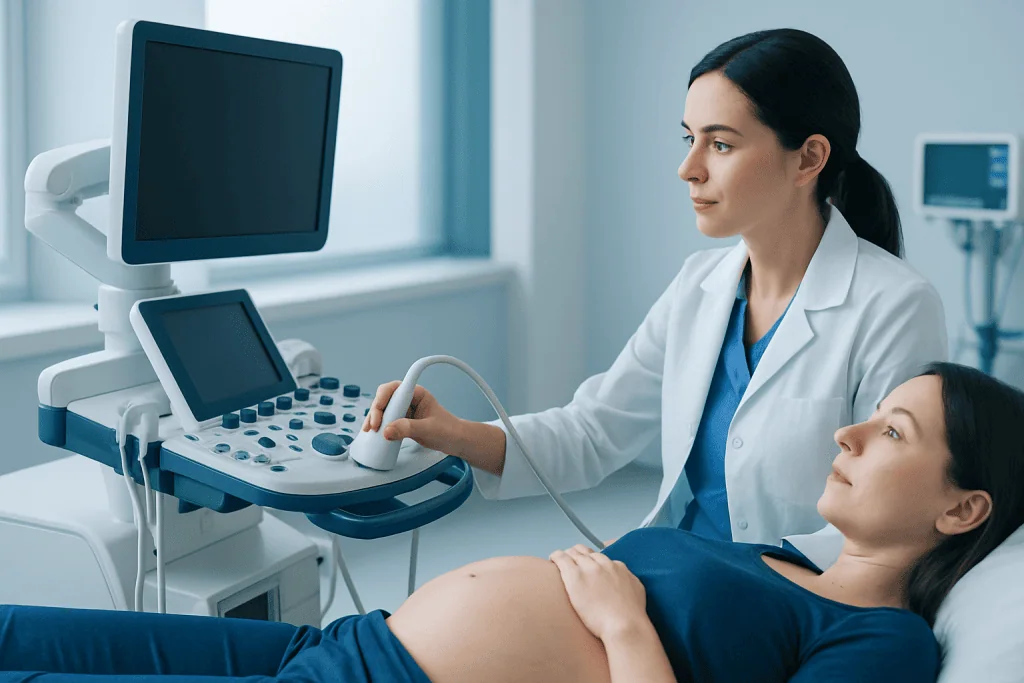
Many people confuse nulliparous with terms such as nulligravida, primigravida, and infertility. Nulliparous means no prior birth. Nulligravida means never having been pregnant. A person can be pregnant for the first time and still be nulliparous until a birth occurs. In the same way, someone may have been pregnant before but still be nulliparous if no pregnancy reached birth.
Infertility is different as well. Infertility refers to difficulty becoming pregnant or carrying a pregnancy, depending on the clinical context. A nulliparous person may have normal fertility, may be using contraception, may not be trying to conceive, or may be living with a reproductive condition. The term alone does not answer any of these questions.
Doctors may also use the shorthand “gravida” and “para” in charts. These terms count pregnancies and births separately because they offer different information. This distinction can be especially useful when discussing miscarriage, ectopic pregnancy, assisted reproduction, or planning for prenatal care and delivery.
- Nulliparous: never given birth
- Nulligravida: never been pregnant
- Primigravida: pregnant for the first time
- Multiparous: has given birth before
Why doctors ask about it

Obstetric and gynecologic history helps guide safe, individualized care. Whether a person is nulliparous may affect how a clinician interprets symptoms, estimates certain risks, and plans monitoring. For example, in pregnancy, a first birth can be associated with different labor patterns compared with someone who has delivered before.
Outside pregnancy, nulliparity may be one factor considered when evaluating menstrual problems, pelvic organ support, contraception choices, and long-term reproductive health. It is usually reviewed together with age, menstrual history, family history, lifestyle, prior surgeries, body weight, and other medical conditions.
Doctors may ask about nulliparity during routine exams, fertility assessments, and imaging reports because it can add context. If there are concerns about ovulation, the uterus, the ovaries, or the fallopian tubes, further evaluation may be appropriate. Depending on symptoms, this may include tests for conditions such as polycystic ovary syndrome or endometriosis.
Health implications and common myths
One of the most common myths is that being nulliparous is itself unhealthy. In reality, nulliparity is a description, not an illness. Many nulliparous people are completely healthy and may never need any treatment related to reproductive health. What matters is the broader medical picture, including symptoms, age, personal goals, and screening needs.
Another myth is that nulliparous automatically means infertile. This is not true. A person may be nulliparous because they have not tried to conceive, because they are early in reproductive life, or because prior pregnancies did not result in birth. When pregnancy is desired and does not occur after an appropriate period, doctors evaluate for possible causes rather than relying on labels.
Some research has shown that never having given birth can be associated with different risks for certain conditions compared with having given birth, but these patterns are not destiny and they do not apply equally to every person. Risk assessment in medicine is always individualized. Preventive care, regular screening, and timely review of symptoms are more useful than focusing on one term alone.
For people planning pregnancy, being nulliparous may simply mean there are no prior births to guide expectations for labor and delivery. A clinician may discuss prenatal care, nutrition, folic acid, weight, vaccines, and management of any chronic diseases. If there are concerns about conception, IVF and fertility treatment may be discussed when appropriate after proper evaluation.
When nulliparity matters in pregnancy and gynecology
During pregnancy, nulliparous status can help clinicians tailor care. For example, first-time birth may be associated with different experiences of labor, cervical change, and delivery planning. This does not mean complications will occur, only that the care team considers previous birth history as one part of routine risk assessment.
In gynecology, nulliparity may be relevant when discussing contraception, painful periods, fibroids, abnormal uterine bleeding, or pelvic examinations. The physical findings and treatment choices depend on the person’s symptoms and goals. For example, a patient with heavy bleeding, anemia, and pressure symptoms may need imaging and further review for uterine fibroids.
If fertility is a concern, doctors may review ovulation, hormones, semen analysis for a partner when relevant, and imaging to assess the reproductive organs. Some patients benefit from targeted treatments or supportive procedures such as intrauterine insemination or other reproductive endocrinology care. The aim is to identify the cause rather than assume nulliparity is the cause.
In some cases, uterine cavity evaluation or surgery may be used to diagnose or treat structural issues, such as polyps or certain fibroids. When clinically indicated, options can include minimally invasive approaches like hysteroscopy. These decisions depend on symptoms, reproductive plans, and examination findings.
Evaluation, self-care, and prevention
Because nulliparous is not a disease, there is no treatment for the term itself. Evaluation is only needed if a person has symptoms, is trying to conceive without success, is pregnant, or has questions about reproductive health. A doctor may begin with a history of menstrual cycles, pain, prior pregnancies, contraception, sexual health, medications, and family history.
Testing, when needed, may include a pelvic exam, ultrasound, hormone testing, or referral to a gynecologist or fertility specialist. Screening recommendations such as cervical cancer screening should be followed according to age and individual risk factors. People with chronic conditions like diabetes, thyroid disease, or high blood pressure may benefit from preconception counseling before trying to become pregnant.
Self-care focuses on general reproductive health rather than on nulliparity itself. Helpful steps include maintaining a balanced diet, staying physically active, avoiding smoking, limiting alcohol, managing stress, and keeping vaccinations up to date. If pregnancy is desired, taking folic acid as recommended by a clinician and reviewing medications in advance can support safer planning.
People who are not planning pregnancy can discuss reliable contraception with their doctor. Those who are planning pregnancy may benefit from advice on timing, cycle tracking, and when to seek a fertility evaluation. Clear communication with a healthcare professional is often the most effective way to separate normal variation from a medical issue.
When to seek medical care
Medical care is appropriate whenever symptoms or concerns are present. A person should speak with a doctor if they have severe period pain, heavy or irregular bleeding, pelvic pain, pain during sex, unusual discharge, or symptoms that interfere with daily life. These symptoms may or may not be related to nulliparity, but they deserve proper assessment.
Anyone who wishes to become pregnant and has concerns about fertility should consider an evaluation based on age and time trying to conceive. Earlier assessment may be especially important for people with irregular cycles, known gynecologic conditions, prior pelvic infection, or a history suggesting reduced fertility.
Urgent medical attention is needed for severe abdominal pain, fainting, heavy bleeding, fever with pelvic pain, or symptoms in early pregnancy such as one-sided pain or bleeding, because these can signal emergencies. For international patients seeking coordinated care, Acibadem International’s multidisciplinary specialists and JCI-accredited hospitals provide diagnosis and treatment across gynecology, fertility, and pregnancy-related services.
Frequently asked questions
Does nulliparous mean infertile?
No. Nulliparous only means a person has never given birth. It does not indicate whether they can become pregnant, whether they have tried to conceive, or whether they have a reproductive disorder.
Can someone be pregnant and still be nulliparous?
Yes. A person who is pregnant for the first time is still nulliparous until a birth occurs. This is why doctors record pregnancy history and birth history separately.
What is the difference between nulliparous and nulligravida?
Nulliparous means never having given birth. Nulligravida means never having been pregnant at all. A person who has had a pregnancy that did not result in birth may be nulliparous but not nulligravida.
Is being nulliparous a medical problem?
Not by itself. It is a descriptive term used in medical history, not a diagnosis. Whether it has clinical importance depends on the person’s age, symptoms, pregnancy plans, and overall health.
Why might a doctor note that a patient is nulliparous?
Doctors include it as part of obstetric and gynecologic history. It can help guide pregnancy care, labor expectations, fertility evaluation, and interpretation of some gynecologic symptoms or imaging findings.
When should a nulliparous person see a doctor?
A doctor visit is a good idea if there is pelvic pain, heavy or irregular bleeding, painful periods, pain during sex, or questions about pregnancy planning. Medical advice is also important if pregnancy is desired but not occurring, or if there are urgent symptoms such as severe pain or heavy bleeding.
References
- American College of Obstetricians and Gynecologists
- World Health Organization
- National Institute for Health and Care Excellence
- Centers for Disease Control and Prevention
- Office on Women's Health
This article is for general information only and is not a substitute for professional medical advice. Please consult a qualified doctor about your individual situation.
Explore treatments in Turkey — costs, top hospitals & a free quote
JCI-accredited · board-certified surgeons · reply within 24h
Check your numbers in seconds
BMI, calories, due date, blood pressure and 30+ more clinical calculators — free, instant, doctor-reviewed ranges.