White Toes: A Complete Medical Overview

White toes are commonly linked to reduced blood flow, especially after cold exposure or pressure. Color changes may be temporary, but persistent whiteness, pain, numbness, or sores need medical assessment.
Key Takeaways
- White toes are commonly linked to reduced blood flow, especially after cold exposure or pressure.
- Color changes may be temporary, but persistent whiteness, pain, numbness, or sores need medical assessment.
- Possible causes include Raynaud phenomenon, peripheral artery disease, frostbite, skin changes, and nerve-related problems.
- Diagnosis focuses on history, physical examination, circulation checks, and sometimes blood tests or vascular imaging.
- Treatment depends on the cause and may include warming the feet, changing footwear, managing circulation risks, or treating an underlying condition.
White toes usually mean that blood flow to one or more toes has temporarily decreased, often because of cold exposure, tight footwear, or spasm of small blood vessels. In some cases, white toes can also signal circulation, nerve, skin, or autoimmune conditions that benefit from medical evaluation.
Overview: what white toes can mean
White toes usually happen when blood flow to the toes is reduced for a short time. This can occur after exposure to cold temperatures, emotional stress, or pressure from tight shoes or prolonged positioning. In many people, the color returns once the feet are warmed or pressure is relieved.
Still, white toes are not a diagnosis on their own. They are a sign that may be related to blood vessel spasm, poor circulation, skin thickening, injury from cold, nerve problems, or less commonly an inflammatory or autoimmune disorder. The context matters: whether the change affects one toe or several, whether it is painful, and whether the skin later turns blue or red.
A practical way to think about white toes is to separate brief, reversible episodes from ongoing discoloration. If the toes repeatedly become white in the cold, Raynaud syndrome may be considered. If a toe stays pale, painful, numb, or develops a wound, a circulation problem may need timely medical attention.
How white toes may look and feel
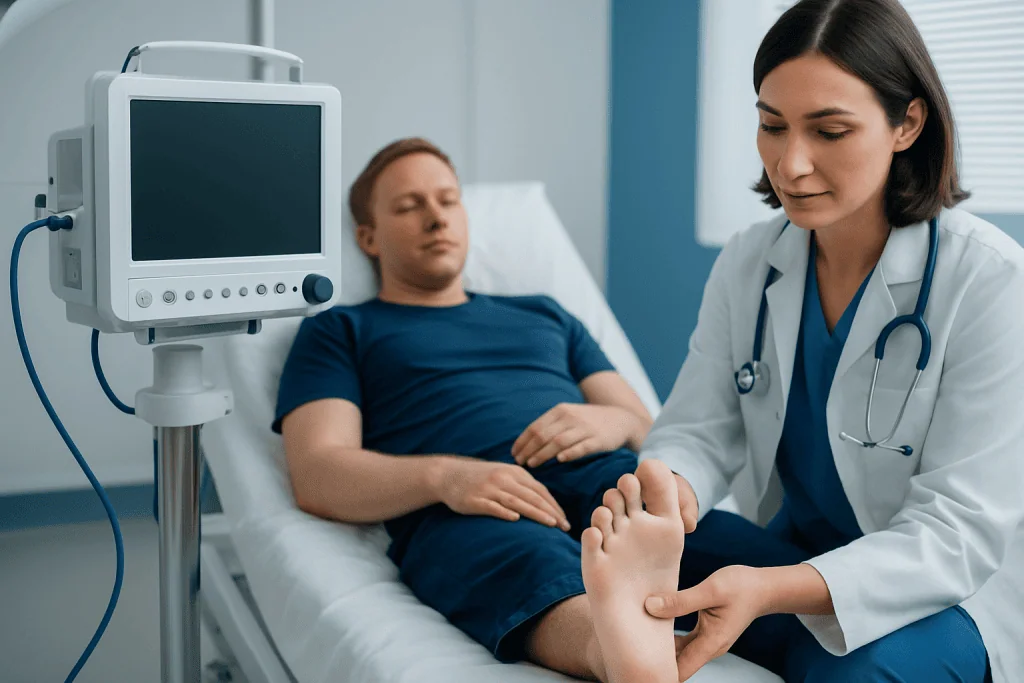
The appearance of white toes can vary. Some people notice sharply demarcated pale areas on one or more toes, while others see the entire toe turn white or waxy. In episodes related to blood vessel spasm, the color may then change to blue and later red as circulation returns.
Sensations are often just as important as color. White toes may feel cold, numb, tingling, tight, or painful. A person may also describe throbbing or burning as the toes warm up again. If pressure from footwear is the trigger, there may be tenderness, rubbing marks, or callused skin nearby.
Associated features can help narrow the cause. Warning signs include:
- Persistent pallor that does not improve with warming
- Pain at rest or with walking
- Swelling, ulcers, or blackened skin
- One foot being much colder than the other
- Repeated episodes with color changes in fingers as well
Because several different conditions can lead to toe discoloration, a pattern over time is often more informative than a single episode. Keeping note of when the whiteness happens, how long it lasts, and what relieves it can be useful during a medical visit.
Common causes and risk factors
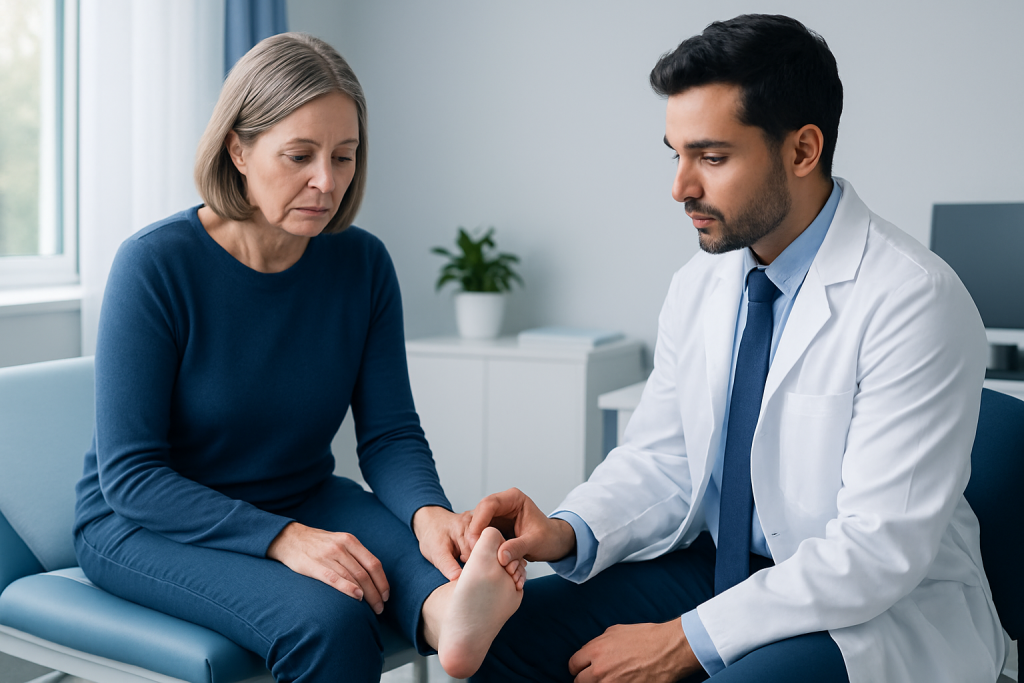
The most common reason for white toes is temporary narrowing of the small blood vessels. Cold weather is a frequent trigger. In Raynaud phenomenon, these vessels overreact to cold or stress, reducing blood flow and causing the toes or fingers to become pale, then sometimes blue and red. Episodes can be uncomfortable but are often manageable once identified.
Other causes relate to circulation in larger blood vessels. Peripheral artery disease can reduce blood flow to the feet, especially in older adults and in people who smoke or have diabetes, high blood pressure, or high cholesterol. In this setting, white toes may occur with cramping in the legs during walking, slow-healing sores, or a cooler foot.
White toes can also result from direct cold injury such as frostnip or frostbite, pressure from very tight footwear, or local trauma. Skin conditions that create thick scale or a pale, macerated surface may sometimes be mistaken for circulation-related whiteness. Less commonly, autoimmune diseases, inflammation of blood vessels, blood-clotting problems, or certain medicines that constrict blood vessels may contribute.
Risk factors include smoking, diabetes, vascular disease, repeated exposure to cold, poorly fitting shoes, a history of autoimmune disease, and jobs or activities that involve vibration or prolonged standing. Medicines such as some decongestants or stimulants may worsen vessel spasm in susceptible people, so a doctor may review recent prescriptions and over-the-counter products.
How doctors evaluate white toes
Medical evaluation begins with a detailed history. A clinician will ask when the color change started, whether it comes and goes, and if it is triggered by cold, exercise, stress, or footwear. They will also ask about pain, numbness, wounds, smoking history, diabetes, recent injuries, and symptoms elsewhere in the body such as finger color changes, joint pain, or rashes.
The physical exam focuses on the feet and circulation. A doctor may compare skin temperature, look for ulcers or pressure marks, assess capillary refill, and feel pulses at the foot and ankle. If blood flow seems reduced, noninvasive tests such as a Doppler ultrasound or ankle-brachial index may be recommended to check circulation in more detail.
When an autoimmune, inflammatory, or blood-related cause is possible, blood tests may be ordered. In selected cases, vascular imaging helps show whether an artery is narrowed or blocked. If the main issue appears to be skin disease, fungal infection, or pressure-related changes, examination by a dermatologist or podiatry specialist may be helpful.
When symptoms point to poor circulation, doctors may recommend vascular surgery evaluation or other circulation-focused care. The aim is not always surgery; often it is to clarify the severity of reduced blood flow and choose the safest treatment plan.
Treatment options depend on the cause
Treatment for white toes is guided by what is causing the color change. If episodes are brief and brought on by cold, simple warming measures and trigger avoidance may be enough. People with Raynaud-related symptoms may be advised to wear insulated socks, avoid sudden temperature changes, and discuss medicines that can relax blood vessels if symptoms are frequent or severe.
If tight shoes or repeated friction are contributing, changing footwear is important. Shoes should have adequate toe room and should not compress the front of the foot. Moisture control, skin care, and treatment of calluses or pressure points may also improve comfort and reduce recurring symptoms.
When a circulation disorder is present, care may include lifestyle measures and treatment of the underlying vascular problem. This can involve smoking cessation, management of diabetes, blood pressure and cholesterol control, supervised walking programs, or medicines recommended by a physician. In selected cases, procedures to improve blood flow may be considered, sometimes after cardiovascular surgery or vascular specialist assessment.
If a systemic disease is suspected, treatment targets the underlying condition as well as toe symptoms. Cold injuries need prompt and appropriate rewarming, while infection or tissue injury requires medical care. For patients with complex symptoms, multidisciplinary assessment may help identify whether the main issue is vascular, rheumatologic, neurologic, or dermatologic.
Prevention and self-care at home
Prevention focuses on protecting blood flow and reducing triggers. Keeping the whole body warm is often more effective than warming the feet alone, because overall body temperature influences how much the blood vessels in the toes constrict. Layered clothing, warm socks, and dry, well-fitted shoes can make a meaningful difference in cold environments.
Footwear should allow the toes to move freely. Tight shoes, narrow toe boxes, and overly snug socks can increase pressure and worsen paleness or numbness. People who stand for long periods may benefit from shifting position regularly, elevating the feet when resting, and checking the skin for pressure spots or blisters.
Stopping smoking is one of the most important steps for circulation health. Managing blood sugar, cholesterol, and blood pressure also supports healthy blood vessels. Gentle activity such as walking may improve circulation over time, though anyone with known artery disease or foot wounds should ask a clinician what level of activity is safe.
Self-care should stay gentle. It is best not to place very cold or very hot objects directly on pale toes, as numb skin can be injured easily. Gradual warming, dry socks, and medical advice for repeated episodes are safer approaches.
When to seek medical care
White toes should be medically assessed if the color change does not improve after warming, keeps recurring, or is accompanied by pain, numbness, swelling, or sores. A prompt evaluation is also sensible if only one toe or one foot is affected, or if the foot feels unusually cold compared with the other side.
Urgent care is especially important if a toe becomes white and then dark blue, purple, or black, or if there is severe pain, sudden loss of feeling, or signs of infection such as redness, drainage, or fever. These symptoms may indicate a more serious circulation problem or tissue injury.
People with diabetes, known vascular disease, autoimmune disease, or a history of smoking should have a lower threshold for seeking care. Near the end of the diagnostic process, some patients may benefit from coordinated evaluation by specialists. Acibadem International’s multidisciplinary teams in JCI-accredited hospitals diagnose and treat circulation and foot-related conditions for international patients, including assessment through services such as comprehensive check-up when appropriate.
Frequently asked questions
Are white toes always caused by poor circulation?
Not always. White toes often relate to reduced blood flow, but the trigger may be temporary vessel spasm from cold, pressure from footwear, or a skin or nerve issue. A doctor can help distinguish brief harmless episodes from circulation problems that need treatment.
Can cold weather make toes turn white?
Yes, cold exposure is a common trigger. In some people, blood vessels in the toes narrow sharply in response to cold, causing the skin to look pale or white until circulation returns. Repeated cold-triggered attacks can suggest Raynaud phenomenon.
Is it normal if the toes turn white and then red?
This can happen when blood flow briefly decreases and then returns. The sequence of white followed by red, and sometimes blue in between, is often seen with blood vessel spasm. If it happens often, is painful, or starts later in life, medical advice is recommended.
What is the difference between white toes and frostbite?
White toes are a sign, while frostbite is one specific cold injury that can cause pale or waxy skin. Frostbite usually follows significant cold exposure and may involve numbness, hard skin, blistering, or later tissue damage. Any suspected frostbite should be assessed by a healthcare professional.
When should someone worry about white toes?
Concern is higher when the toes stay white, become painful, feel numb, or develop sores or dark discoloration. One-sided symptoms, a very cold foot, or symptoms in someone with diabetes or known vascular disease also deserve prompt evaluation.
Can tight shoes cause white toes?
Yes. Shoes with a narrow toe box or excessive pressure can temporarily reduce circulation or compress nerves, leading to pale, numb, or tingling toes. Choosing shoes with enough room for the toes is an important part of prevention.
References
- American Academy of Dermatology
- National Heart, Lung, and Blood Institute
- American Heart Association
- Mayo Clinic
- National Institute of Arthritis and Musculoskeletal and Skin Diseases
This article is for general information only and is not a substitute for professional medical advice. Please consult a qualified doctor about your individual situation.
Explore treatments in Turkey — costs, top hospitals & a free quote
JCI-accredited · board-certified surgeons · reply within 24h
Check your numbers in seconds
BMI, calories, due date, blood pressure and 30+ more clinical calculators — free, instant, doctor-reviewed ranges.