Oxygen Therapy: Early Signs, Risk Factors, and How It Is Treated
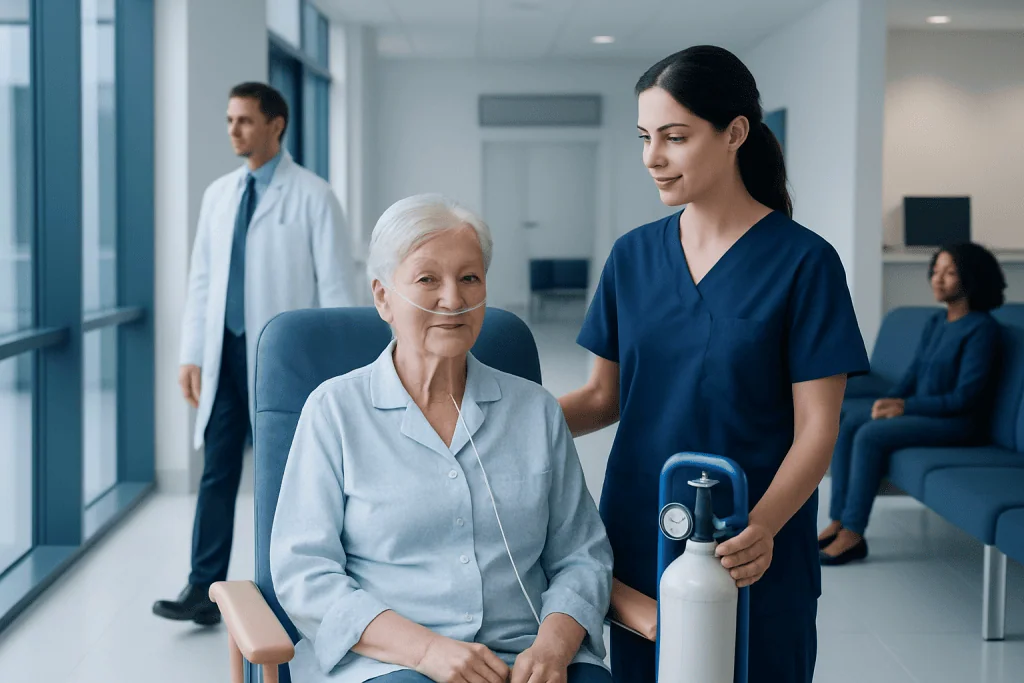
Oxygen therapy is used when blood oxygen levels are below a safe range. It may be needed for lung disease, heart problems, sleep-related breathing disorders, or acute illness.
Key Takeaways
- Oxygen therapy is used when blood oxygen levels are below a safe range.
- It may be needed for lung disease, heart problems, sleep-related breathing disorders, or acute illness.
- Common signs of low oxygen include shortness of breath, fatigue, bluish lips or fingertips, and confusion.
- Treatment may be short term in hospital or long term at home, depending on the cause.
- Safe use is essential because oxygen supports combustion and should only be used as prescribed.
- Medical review is important if breathing symptoms worsen or oxygen needs change.
Oxygen therapy is a medical treatment that increases the amount of oxygen a person breathes when blood oxygen levels are too low. It can relieve symptoms, protect vital organs, and support recovery in short-term illnesses or long-term health conditions.
Overview: what oxygen therapy is and why it is used
Oxygen therapy is a treatment that provides extra oxygen to a person whose body is not getting enough on its own. It does not cure the underlying condition, but it helps maintain healthy oxygen levels so the brain, heart, and other organs can function properly. Doctors prescribe it when tests show low blood oxygen, also called hypoxemia.
This treatment can be given in several settings. Some people need oxygen for a short time during pneumonia, after surgery, or during a severe flare of a lung condition. Others need long-term oxygen at home because of chronic diseases such as chronic obstructive pulmonary disease, certain interstitial lung diseases, advanced heart failure, or low oxygen during sleep.
Oxygen therapy can be delivered through a nasal cannula, which is a small tube under the nose, or through a face mask. The amount and duration depend on the cause of low oxygen, how severe it is, and whether it occurs at rest, with activity, or during sleep. Because too little and too much oxygen can both be harmful in some situations, treatment should always follow a clinician’s guidance.
Early signs and symptoms that may suggest low oxygen
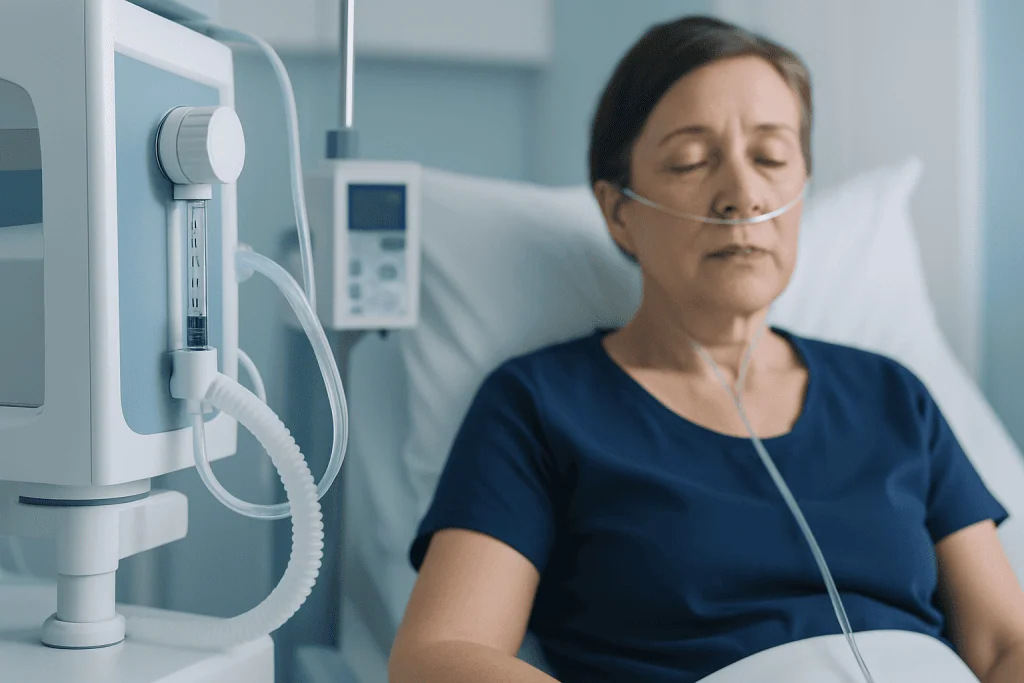
The early signs that lead to oxygen therapy are usually signs of low oxygen rather than signs caused by the therapy itself. Shortness of breath is common, but some people notice reduced exercise tolerance before they feel clearly breathless. Everyday tasks such as walking, climbing stairs, or getting dressed may become unusually tiring.
Other symptoms can include rapid breathing, a fast heartbeat, headache, poor concentration, dizziness, restlessness, or fatigue that seems out of proportion to activity. In some cases, low oxygen causes bluish discoloration of the lips, tongue, or fingertips. This can be a sign that the body is not getting enough oxygen and needs urgent medical attention.
Older adults and people with chronic illness may not always describe classic breathlessness. They may appear confused, unusually sleepy, irritable, or weaker than usual. Because symptoms alone cannot confirm oxygen levels, doctors often use pulse oximetry and blood tests to determine whether oxygen therapy is needed.
- Shortness of breath or chest tightness
- Fatigue or reduced stamina
- Rapid breathing or racing heartbeat
- Headache, confusion, or trouble focusing
- Bluish lips, nails, or skin tone changes
Who may need oxygen therapy: causes and risk factors
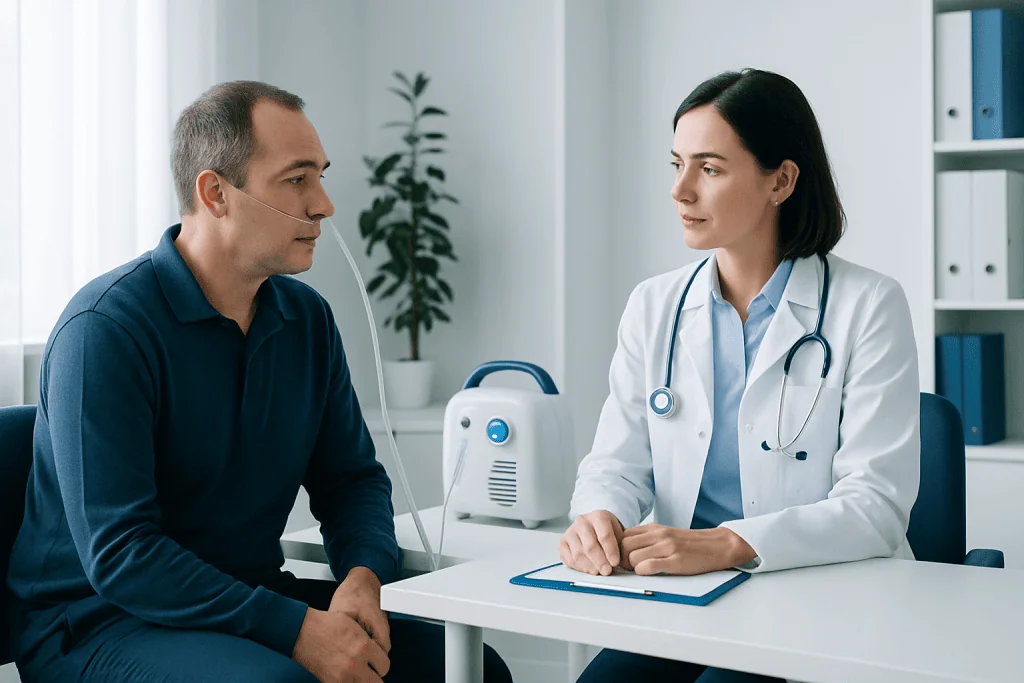
Oxygen therapy is most often used when an illness or long-term condition prevents the lungs from moving enough oxygen into the blood. Common causes include chronic obstructive pulmonary disease (COPD), pneumonia, severe asthma attacks, pulmonary fibrosis, and other chronic lung disorders. People recovering from major infections or surgery may also need temporary oxygen support.
Heart conditions can also reduce oxygen delivery, especially if the heart cannot pump effectively or if fluid builds up in the lungs. Some people need oxygen because of sleep-related breathing disorders, including sleep apnea, although many of these patients are treated primarily with airway support such as positive pressure rather than oxygen alone. In emergency settings, trauma, smoke inhalation, severe allergic reactions, and blood clots in the lungs may also lower oxygen levels.
Risk factors for needing oxygen therapy include smoking, long-standing lung disease, occupational exposure to dust or chemicals, advanced age, obesity-hypoventilation, neuromuscular disorders, severe infection, and living with chronic heart disease. People who already have a condition affecting breathing may be more likely to need oxygen during air travel, physical exertion, or an acute illness.
Not everyone with shortness of breath needs oxygen therapy. Breathlessness can occur even when oxygen levels are normal, and low oxygen can sometimes be present without dramatic symptoms. This is why professional assessment is important before starting treatment.
How doctors diagnose the need for oxygen therapy
Diagnosis begins with a medical history and physical examination. Doctors ask when symptoms occur, whether they worsen during exercise or sleep, and whether there is a known lung, heart, or neuromuscular condition. They also review smoking history, medications, and any recent infection, travel, or surgery.
The simplest test is pulse oximetry, which estimates oxygen saturation using a small sensor on the finger or ear. This test is quick and useful, but it may be less accurate in some situations, so a clinician may order an arterial blood gas test for a more precise measurement. Blood gas analysis can show both oxygen and carbon dioxide levels, which is especially important in some lung diseases.
Additional tests help identify the underlying cause. These may include chest imaging, lung function tests, exercise testing, sleep studies, heart evaluation, and laboratory tests. If a person may have structural or chronic lung disease, doctors may arrange diagnostic imaging as part of the workup. The main goal is not only to confirm low oxygen, but also to understand why it is happening and whether it is likely to be temporary or long term.
Treatment options and how oxygen therapy is delivered
Oxygen therapy is tailored to the individual. In hospital, it may be delivered through a nasal cannula or face mask and adjusted closely based on oxygen readings, symptoms, and the underlying illness. In more serious cases, noninvasive breathing support such as mechanical ventilation support may be needed if oxygen alone is not enough to maintain adequate breathing.
For home use, common options include oxygen concentrators, compressed oxygen cylinders, and portable systems. A concentrator takes oxygen from room air and is often used for regular home treatment. Portable systems can help people stay mobile during daily activities. Some patients need oxygen continuously, while others use it only during sleep, exercise, or flare-ups.
Treatment plans include the prescribed flow rate, how many hours a day oxygen should be used, and follow-up monitoring. Oxygen should not be changed without medical advice. In some conditions, excessive oxygen can worsen carbon dioxide retention, so the safest target range may differ from one patient to another.
Oxygen therapy is often part of broader care. Depending on the cause, treatment may include inhaled medicines, antibiotics, pulmonary rehabilitation, treatment for heart disease, smoking cessation, or specialist support for advanced lung conditions. For some people with severe respiratory failure, evaluation by pulmonology specialists helps guide long-term management and follow-up.
Living with oxygen therapy: safety, self-care, and prevention
Many people adapt well to oxygen therapy once they understand how and when to use it. Good self-care includes wearing the device as prescribed, keeping equipment clean, and attending follow-up visits so oxygen levels can be checked over time. Moisturizing the nostrils with clinician-approved products, protecting the skin where tubing touches the face, and pacing daily activities can improve comfort.
Safety is essential because oxygen makes fire burn more easily. People using oxygen should never smoke or allow smoking nearby. Oxygen equipment should be kept away from open flames, gas stoves, candles, and heat sources. Hands should be clean and free of grease or oil when handling equipment, and electrical cords should be in good condition.
Self-care also includes addressing the underlying condition. Quitting smoking, staying up to date with recommended vaccines, avoiding respiratory irritants, taking medicines as prescribed, and practicing breathing or pulmonary rehabilitation exercises can all reduce future flare-ups. Travel and exercise are often still possible, but it is wise to plan ahead with a doctor, especially for flights or high-altitude trips.
Near the end of the care journey, some patients and families benefit from coordinated specialist support. Acibadem International’s multidisciplinary specialists and JCI-accredited hospitals diagnose and treat respiratory and related conditions for international patients when further evaluation is needed.
When to seek medical care
Medical care is needed promptly if a person has severe shortness of breath, chest pain, confusion, bluish lips or fingertips, or a sudden drop in oxygen readings if they monitor at home. These symptoms may signal a serious problem that needs urgent assessment, especially if they begin suddenly or worsen quickly.
People already using oxygen should contact their care team if they need higher amounts than prescribed, if equipment is not working properly, or if breathlessness is increasing despite treatment. A review is also important for frequent headaches, increasing sleepiness, swelling in the legs, repeated chest infections, or difficulty carrying out normal daily activities.
It is also sensible to seek medical advice for new or persistent symptoms even when they seem mild. Early assessment can help identify conditions such as infection, worsening chronic lung disease, or sleep-related breathing disorders before they become more serious. When appropriate, doctors may also evaluate related conditions such as pneumonia or recommend further respiratory testing.
Frequently asked questions
What is oxygen therapy used for?
Oxygen therapy is used to treat low blood oxygen levels. It helps the body get enough oxygen when the lungs or heart cannot do so effectively on their own. Doctors may prescribe it for short-term illness, long-term lung disease, sleep-related breathing problems, or recovery after surgery or infection.
How does someone know if they need oxygen therapy?
A person may have symptoms such as shortness of breath, fatigue, confusion, or bluish lips, but symptoms alone are not enough to diagnose low oxygen. Doctors usually confirm the need with pulse oximetry or an arterial blood gas test. The decision depends on oxygen readings, the cause, and when low oxygen occurs.
Can oxygen therapy be used at home?
Yes, many people use oxygen therapy safely at home with the right equipment and medical follow-up. Home systems may include an oxygen concentrator, cylinders, or portable devices. A doctor will explain the flow rate, when to use it, and how to use it safely.
Is oxygen therapy the same as treatment for sleep apnea?
Not exactly. Some people with sleep apnea have low oxygen at night, but the main treatment is often positive airway pressure rather than oxygen alone. A sleep study helps determine the most appropriate treatment plan.
Are there risks with oxygen therapy?
Oxygen therapy is generally safe when used as prescribed, but there are important precautions. Fire safety is essential because oxygen supports combustion, and in some lung conditions too much oxygen may cause problems. Regular review helps make sure the treatment remains safe and effective.
Can oxygen therapy improve daily life?
For people with documented low oxygen, it can reduce breathlessness during activity, support better sleep, and help protect organs from the effects of chronic hypoxemia. Some people feel more energetic once oxygen levels are corrected. The degree of improvement depends on the underlying condition and overall treatment plan.
References
- World Health Organization
- American Thoracic Society
- National Heart, Lung, and Blood Institute
- Global Initiative for Chronic Obstructive Lung Disease
- National Institute for Health and Care Excellence
This article is for general information only and is not a substitute for professional medical advice. Please consult a qualified doctor about your individual situation.
Explore treatments in Turkey — costs, top hospitals & a free quote
JCI-accredited · board-certified surgeons · reply within 24h