Clay Mask — Explained by Medical Evidence, Not Myths

Clay mask products mainly help by absorbing surface oil and reducing temporary shine. They do not remove toxins from the body or replace proven treatment for skin disease.
Key Takeaways
- Clay mask products mainly help by absorbing surface oil and reducing temporary shine.
- They do not remove toxins from the body or replace proven treatment for skin disease.
- Overuse can damage the skin barrier and cause dryness, burning, or irritation.
- People with eczema, rosacea, very sensitive skin, or active rashes should be cautious.
- Patch testing and limiting use to the product instructions can reduce side effects.
A clay mask can help absorb excess oil and leave the skin feeling smoother for a short time, but medical evidence does not support claims that it “detoxes” the body or treats all skin problems. The best results come from choosing the right formula, using it correctly, and avoiding overuse—especially on sensitive or inflamed skin.
What a Clay Mask Really Does
A clay mask is a topical skin-care product made with mineral-rich clays such as kaolin or bentonite. From a medical perspective, its main effect is fairly simple: it binds some oil, debris, and moisture on the skin surface, which can make the face feel cleaner and look less shiny for a limited period. This can be useful for people with oily skin, especially in the T-zone.
Many popular claims go beyond the evidence. A clay mask does not “pull toxins out of the body,” shrink pores permanently, or cure acne on its own. Pores cannot truly open and close, although they may appear smaller when oil and buildup are reduced. The benefit is mostly cosmetic and supportive, not a replacement for medical skin care when there is a true skin disorder.
That said, clay masks are not inherently harmful. Used appropriately, they may be a reasonable addition to a simple skin-care routine. The key is understanding their limits and matching the product to the person’s skin type, barrier health, and any underlying condition.
Possible Benefits of a Clay Mask
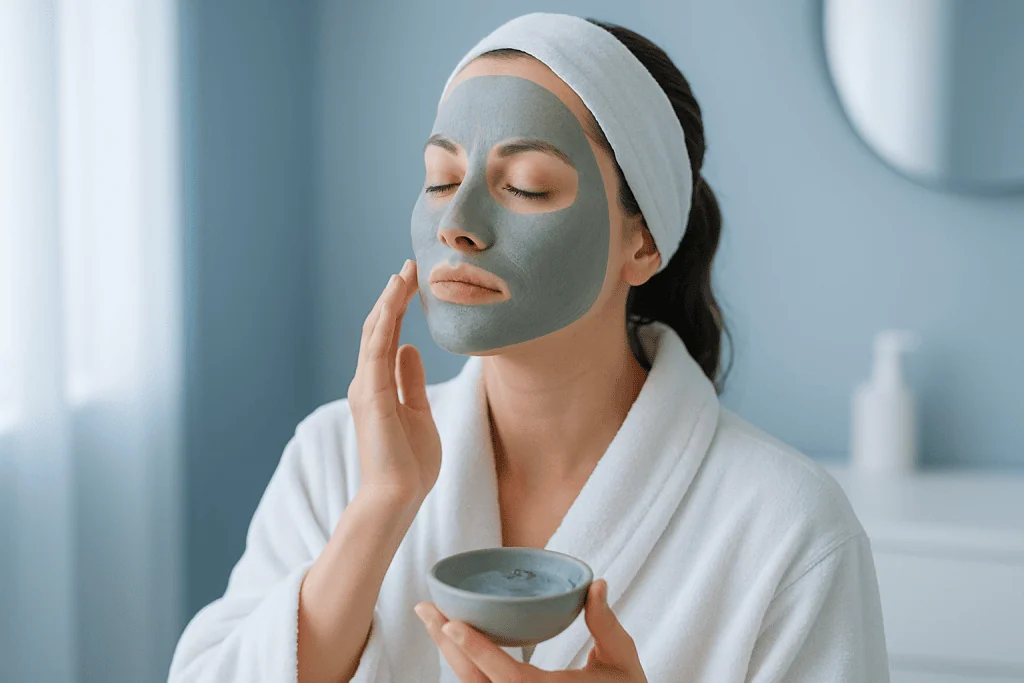
The strongest practical benefit of a clay mask is oil absorption. For people with oily or combination skin, this can reduce greasy shine and improve how makeup or sunscreen sits on the skin. Some users also notice a smoother feel because the mask removes some surface buildup and dead skin cells.
Clay masks may also offer a temporary visual improvement in skin texture. When excess sebum is reduced, pores may look less noticeable and the skin can appear more matte. This effect is short-term, but some people find it helpful before social events or as part of a routine focused on oil control.
In some formulations, clay is combined with ingredients such as niacinamide, sulfur, salicylic acid, or gentle humectants. Those added ingredients may influence how the product behaves. For example, a clay mask paired with acne-care ingredients may be more useful for breakouts than clay alone, though persistent acne still often needs a broader plan, such as evaluation for acne and guidance on evidence-based treatment.
- May reduce surface oil and shine
- Can leave skin feeling cleaner and smoother
- May temporarily improve the appearance of pores
- Can complement, but not replace, medical skin treatment
Common Myths and What Evidence Supports

One of the most common myths is that a clay mask detoxifies the body. Skin is not a major organ for removing internal toxins in the way the liver and kidneys are. A mask can remove oil and product residue from the skin surface, but there is no good medical evidence that it extracts systemic toxins from inside the body.
Another myth is that a clay mask is always good for acne. In reality, acne has several causes, including oil production, clogged pores, inflammation, and hormones. A clay mask may help manage oiliness, but it is not enough for everyone. People with moderate, persistent, or scarring acne often do better with a structured skin plan that may include topical retinoids, benzoyl peroxide, or other options under professional advice.
A third myth is that tighter skin after a mask means it is working better. That tight feeling usually reflects drying of the product and temporary water loss from the skin surface. It is not a sign of deeper cleansing. In fact, too much tightness can mean the product is too harsh or has been left on too long, especially in people prone to eczema or skin barrier irritation.
Who May Benefit—and Who Should Be Careful
People with oily or combination skin may benefit the most from a clay mask, particularly if they want occasional oil control rather than intensive treatment. It may also be reasonable for adolescents and adults who notice shine but do not have severe sensitivity. A well-formulated product used once or twice weekly may fit into a basic routine that also includes a gentle cleanser, moisturizer, and daily sunscreen.
Extra caution is needed for people with dry skin, sensitive skin, rosacea, eczema, active dermatitis, sunburn, or skin that feels stinging or raw. In these situations, clay may worsen dryness and irritation. Individuals using prescription acne products, exfoliating acids, or retinoids may also have a more vulnerable skin barrier and should avoid layering too many drying products.
If the skin has painful cysts, crusting, widespread redness, or recurrent rashes, self-treatment with masks is not the best first step. These signs may suggest a condition that needs medical assessment rather than cosmetic care. In such cases, a dermatology evaluation can help identify whether the issue is acne, contact dermatitis, seborrheic dermatitis, rosacea, or another skin problem.
How to Use a Clay Mask Safely
Safe use starts with the product label. Different formulas vary in strength, pH, fragrance content, and added actives. In general, a thin layer on clean skin for the time recommended by the manufacturer is enough. Leaving a clay mask on until it becomes very dry and cracked is not necessary and may increase irritation.
A patch test is a sensible precaution, especially for sensitive skin. Applying a small amount behind the ear or on the inner forearm and waiting 24 to 48 hours can help identify obvious irritation or allergy before facial use. Although true allergy to clay itself may be less common, fragrances, preservatives, botanicals, and essential oils in the formula can trigger reactions.
After removal, the skin should be rinsed gently and followed with a bland moisturizer to support the skin barrier. It is usually best not to combine a clay mask on the same day with strong exfoliants, scrubs, or multiple acne treatments unless a dermatologist has advised otherwise. If a person is exploring professional support for persistent skin concerns, options may be discussed within a broader dermatology evaluation and skin-care plan.
- Use only as directed
- Patch test before first use
- Do not apply to broken, sunburned, or actively inflamed skin
- Moisturize after use
- Stop if burning, swelling, or prolonged redness occurs
Side Effects, Skin Reactions, and Overuse
The most common side effects of a clay mask are dryness, tightness, flaking, redness, and temporary irritation. These effects are more likely when the product is used too often, left on too long, or combined with other drying skin-care products. People sometimes misinterpret irritation as proof that a product is “drawing out impurities,” but discomfort usually means the skin barrier is being stressed.
Some users develop contact dermatitis, especially from fragrance, preservatives, dyes, or plant extracts added to the mask. Symptoms can include itching, burning, a red rash, or swelling. If this happens, the product should be stopped and the skin rinsed with lukewarm water. A bland moisturizer may help, but persistent or severe reactions should be assessed by a doctor.
Repeated barrier damage can make the skin more reactive over time. When the outer barrier is disrupted, the face may sting even with water, moisturizer, or sunscreen. In those cases, the priority is repairing the barrier rather than continuing exfoliating or drying treatments. Medical review may be helpful, especially if the reaction resembles psoriasis, eczema, or another inflammatory skin condition rather than simple dryness.
Choosing a Product and Building a Sensible Routine
For oily skin, a simple clay mask without heavy fragrance is often a reasonable starting point. For dry or sensitive skin, products with added soothing or moisturizing ingredients may be better tolerated, though even these should be used carefully. There is no clear evidence that a more expensive product is automatically more effective; formulation and skin compatibility matter more than marketing claims.
A balanced routine matters more than any single mask. Gentle cleansing, regular moisturizing, and daily sun protection generally provide more reliable long-term benefit than frequent masking. If breakouts are the main concern, consistent acne care is usually more effective than repeated use of oil-absorbing products alone. In some cases, clinicians may recommend treatments that support skin renewal, such as chemical peel approaches or other targeted therapies, but these should be chosen according to skin type and diagnosis.
People bothered by post-acne marks, persistent textural changes, or visible scarring should avoid trying to treat everything with home masks. These concerns often need a more individualized approach. Depending on the issue, a doctor may discuss options such as laser skin resurfacing or other procedures after evaluating active inflammation, pigmentation risk, and healing tendency.
When to Seek Medical Care
Medical care is appropriate if a clay mask causes significant burning, swelling, blistering, hives, or facial pain. These symptoms may suggest a strong irritant reaction or allergy and should not be ignored. Urgent care is especially important if there is trouble breathing, lip swelling, or eye involvement.
A doctor should also be consulted if skin problems are ongoing despite careful home care. Acne that is painful, leaves scars, or affects confidence and daily life can often be treated effectively with evidence-based medical options. The same is true for recurrent redness, scaling, itching, or rashes that may reflect an underlying inflammatory condition rather than a simple cosmetic issue.
Near the end of a careful evaluation, some patients may benefit from specialist review and tailored treatment. Acibadem International’s multidisciplinary specialists and JCI-accredited hospitals diagnose and treat skin conditions for international patients, especially when symptoms are persistent or the diagnosis is uncertain.
Frequently asked questions
Is a clay mask good for all skin types?
No. A clay mask is usually better suited to oily or combination skin because it absorbs surface oil. People with dry, very sensitive, eczema-prone, or rosacea-prone skin may find it irritating unless the product is very gentle and used sparingly.
Can a clay mask detox the skin or body?
A clay mask can remove some oil and residue from the skin surface, but it does not detox the body. Claims about pulling toxins out from inside the body are not supported by strong medical evidence.
How often should a clay mask be used?
The safest approach is to follow the product instructions and start conservatively. Many people do well with occasional use rather than frequent application, especially if they also use acne treatments, exfoliants, or retinoids.
Why does my skin feel tight after using a clay mask?
Tightness usually happens because the mask dries on the surface and reduces moisture in the outer skin layer. It does not mean the mask is working more deeply. If the feeling is strong or followed by redness or flaking, the product may be too drying.
Can a clay mask treat acne?
A clay mask may help with oiliness, which can be one part of acne care, but it is not a complete acne treatment. Persistent, inflamed, or scarring acne often needs a broader plan guided by a qualified doctor.
Should a clay mask be left on until it cracks?
Usually no. Letting the mask become very dry and cracked can increase irritation and water loss from the skin. It is generally better to remove it according to the product instructions rather than waiting for maximum dryness.
References
- American Academy of Dermatology
- National Eczema Association
- National Rosacea Society
- Mayo Clinic
- Cleveland Clinic
This article is for general information only and is not a substitute for professional medical advice. Please consult a qualified doctor about your individual situation.
Explore treatments in Turkey — costs, top hospitals & a free quote
JCI-accredited · board-certified surgeons · reply within 24h

More from the Health Library



Related Specialists

Dr. Abdullah Özel
Pediatric Surgery
Dr. İlke Karagöz
Aesthetic Plastic & Reconstructive Surgery
Dr. Zeynep Karaca
Pediatrics
Prof. Dr. Hale Göksever Çelik
Gynecology & Obstetrics