Endometriosis after Hysterectomy: Procedure, Recovery and Results

A hysterectomy removes the uterus but does not by itself remove endometriosis located elsewhere in the pelvis or abdomen. Symptoms often improve after hysterectomy when visible endometriosis and related pelvic disease are thoroughly treated during surgery.
Key Takeaways
- A hysterectomy removes the uterus but does not by itself remove endometriosis located elsewhere in the pelvis or abdomen.
- Symptoms often improve after hysterectomy when visible endometriosis and related pelvic disease are thoroughly treated during surgery.
- Keeping the ovaries can avoid immediate surgical menopause but may leave hormonal stimulation that can contribute to ongoing symptoms in some people.
- Recovery varies by surgical approach: minimally invasive procedures generally involve a shorter recovery than open abdominal surgery.
- New, persistent, or worsening pelvic pain after hysterectomy should be assessed, as several conditions can cause similar symptoms.
Hysterectomy can be an effective option for selected people with severe endometriosis-related symptoms, especially when other treatments have not provided adequate relief. It does not automatically remove every endometriosis lesion, so outcomes depend on the type of surgery, whether ovaries are retained, and whether disease outside the uterus is treated at the same time.
Overview: Endometriosis After Hysterectomy
Endometriosis after hysterectomy refers to ongoing or returning symptoms caused by endometriosis that was not fully removed, microscopic disease that was not visible at surgery, or disease that later becomes active. A hysterectomy removes the uterus and ends menstrual bleeding, but endometriosis consists of tissue-like lesions that may also be present on the ovaries, pelvic lining, bowel, bladder, ligaments, or other areas outside the uterus.
For some people, hysterectomy is considered after medication, conservative surgery, or other symptom-management approaches have not achieved acceptable relief. It may be particularly relevant when endometriosis occurs alongside adenomyosis, large fibroids, heavy bleeding, or uterine pain. The decision is personal and should include discussion of symptom goals, fertility wishes, ovarian health, age, other medical conditions, and the possible need for treatment of disease beyond the uterus.
Hysterectomy is not a cure for every case of endometriosis, but it can offer meaningful long-term relief for carefully selected patients. A surgeon experienced in complex pelvic disease can assess whether removing endometriosis lesions, treating ovarian endometriomas, or involving bowel or urinary-tract specialists may be appropriate alongside the hysterectomy.
Does Endometriosis Get Better After a Hysterectomy?
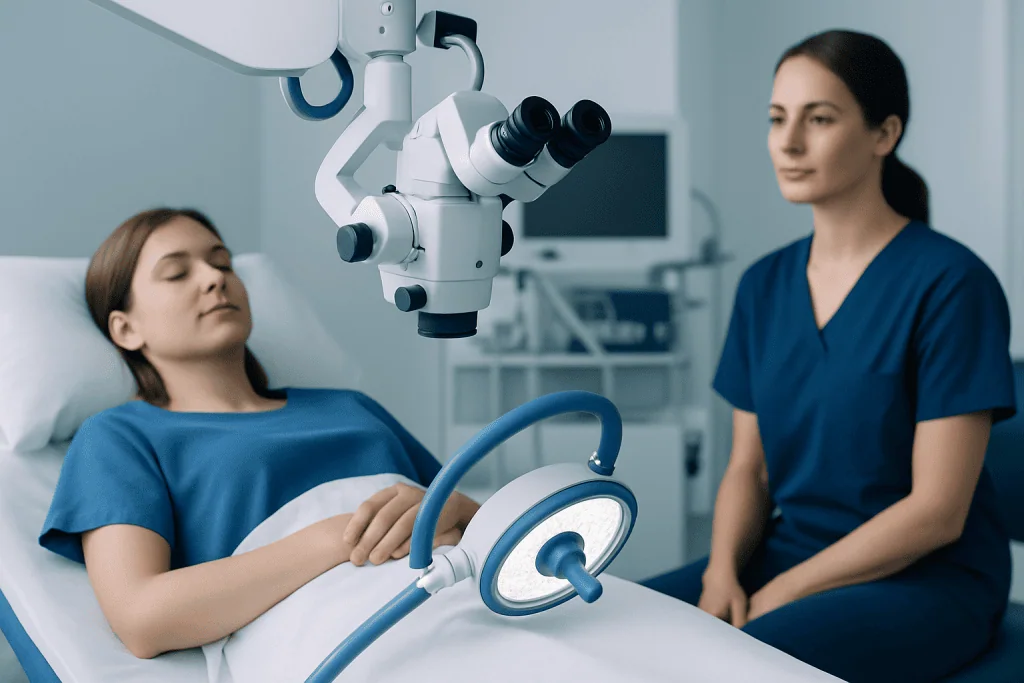
Many people have less pelvic pain, heavy bleeding, painful periods, and pressure symptoms after hysterectomy for endometriosis. The greatest improvement is generally expected when the uterus is a major source of symptoms and when all visible endometriosis is carefully excised or treated during the same operation. Hysterectomy also prevents future uterine bleeding and pregnancy.
However, improvement is not guaranteed. Endometriosis-related pain can continue if lesions remain outside the uterus, if scar tissue or pelvic-floor muscle pain is present, or if another condition contributes to symptoms. Pain can also have more than one cause, including bladder pain syndrome, irritable bowel syndrome, nerve-related pain, or pelvic adhesions.
Whether to remove the ovaries is an important part of planning. Retaining one or both ovaries preserves natural hormone production and may help avoid immediate menopause, but ovarian hormones can continue to stimulate remaining endometriosis. Removing both ovaries may lower the chance of hormonally driven symptoms in some cases, yet it causes surgical menopause and has its own health considerations. The best approach should be individualized with a gynecologist.
People seeking a broader explanation of the condition can read about endometriosis. A detailed review of symptoms, prior treatment response, imaging findings, and reproductive plans helps set realistic expectations before surgery.
How Hysterectomy for Endometriosis Works

A hysterectomy removes the uterus and cervix in a total hysterectomy. In some circumstances, the cervix may be left in place; this is called a supracervical or subtotal hysterectomy. The fallopian tubes are often removed at the same time because this may reduce future risk of some tubo-ovarian cancers, while removal of the ovaries is a separate decision.
The operation may be performed through laparoscopy, robot-assisted laparoscopy, vaginal surgery, or an open abdominal incision. Minimally invasive approaches use small abdominal incisions and a camera to guide the procedure. They are often possible for endometriosis, although extensive scarring, large masses, deeply infiltrating disease, or the need for complex bowel or bladder surgery can affect the safest approach.
For endometriosis, the procedure commonly involves more than removing the uterus. The surgeon examines the pelvis and may excise visible implants, release adhesions, remove endometriomas when appropriate, and assess disease involving the bowel, bladder, ureters, or diaphragm. Excision means cutting lesions out rather than only destroying their surface. The exact surgical plan depends on the location and severity of disease.
People whose symptoms remain difficult to control despite less invasive care may discuss hysterectomy for gynecologic conditions with a qualified specialist. A preoperative consultation should include a clear explanation of the intended procedure, alternatives, expected benefits, and possible limits of surgery.
Candidacy and Step-by-Step Surgical Planning
Hysterectomy is usually not the first treatment for endometriosis, particularly for people who hope to become pregnant in the future. It may be considered when symptoms substantially affect daily life, non-surgical treatments are ineffective or unsuitable, previous conservative surgery has not provided lasting relief, or there is a separate uterine condition such as adenomyosis that contributes to pain and bleeding.
Before surgery, assessment may include a pelvic examination, ultrasound, magnetic resonance imaging in selected cases, review of prior operative reports, and blood tests when needed. Imaging can help identify ovarian cysts or deep disease, but it cannot detect every lesion. A clinician will also review medicines, anesthesia considerations, past abdominal surgery, and the possibility of needing input from colorectal, urology, pain-management, or fertility specialists.
On the day of surgery, anesthesia is given so the patient is asleep and pain-free. The surgeon performs the planned approach, inspects and treats visible endometriosis where safely possible, removes the uterus, and sends relevant tissue for laboratory examination. If complex disease is found, the procedure may be adapted according to the consented plan and safety needs.
Thorough preparation is valuable because endometriosis can affect multiple pelvic organs. At Acibadem International, multidisciplinary specialists and JCI-accredited hospitals assess and treat endometriosis for international patients, with care plans based on the individual’s symptoms and surgical findings.
How Long Does It Take to Recover From Hysterectomy for Endometriosis?
Recovery time depends mainly on the surgical route, the extent of endometriosis treatment, overall health, and whether other organs required treatment. After a laparoscopic, robotic, or vaginal hysterectomy, many people can walk on the day of surgery or the next day and gradually resume light daily activities over the following days. Full recovery commonly takes several weeks.
Open abdominal hysterectomy usually requires a longer recovery because of the larger incision and greater healing demands. Many people need around six to eight weeks before returning to their usual activity level, although the timeline may be longer after extensive excision of endometriosis or surgery involving the bowel or urinary tract.
During recovery, it is usually important to rest, take short walks as advised, drink fluids, prevent constipation, and avoid heavy lifting and strenuous exercise until the surgical team says it is safe. Vaginal intercourse, swimming, and use of tampons are commonly restricted until healing has been checked, often at a postoperative appointment. Specific instructions vary, so the operating team’s guidance takes priority.
Fatigue, abdominal tenderness, light vaginal spotting, and changes in bowel habits can occur during early healing. Pain should gradually improve rather than become more severe. People who have had both ovaries removed may also develop menopausal symptoms soon after surgery and should discuss symptom management and longer-term bone and cardiovascular health with their clinician.
Can Endometriosis Grow With No Uterus?
Yes. Endometriosis can remain active or cause symptoms without a uterus because its lesions grow outside the uterus. If endometriosis tissue remains after hysterectomy, it may still respond to hormones produced by the ovaries or, to a lesser degree, hormones made elsewhere in the body.
This does not mean that every person will have recurrent disease or pain. Many people have durable symptom relief, particularly after complete treatment of visible lesions. Still, persistent or recurrent pain can occur, and it is important not to assume that it is always due to endometriosis. A structured assessment can identify other possible explanations and guide treatment.
Depending on symptoms and findings, management after hysterectomy may include pain-focused physiotherapy, hormonal treatment when appropriate, treatment for bowel or bladder conditions, or further surgery in selected cases. Repeat surgery is considered carefully because each procedure can carry risks such as adhesions and injury to surrounding organs.
When ovarian cysts or endometriomas are part of the clinical picture, a gynecologist may discuss laparoscopic evaluation and treatment as part of a tailored management plan. The aim is to balance symptom relief with safety and preservation of healthy tissue where relevant.
How Long Will I Be Off Work After Laparoscopy for Endometriosis?
Time away from work after laparoscopy for endometriosis varies with the extent of surgery and the demands of the job. After a straightforward diagnostic laparoscopy or limited treatment, some people return to desk-based work in about one to two weeks. More extensive excision, removal of an ovarian cyst, hysterectomy, or physically demanding work can require several weeks or longer.
Recovery should be based on how the person feels, not only on a calendar date. Concentration, fatigue, pain control, bowel function, mobility, and the ability to travel safely all matter. Jobs involving lifting, prolonged standing, repetitive bending, or manual labor usually require a more cautious return than sedentary work.
The surgical team can provide an individualized work recommendation at discharge and during follow-up. A graduated return, adjusted hours, or temporary lifting restrictions may be helpful. It is sensible to avoid driving until the person can move comfortably, is no longer taking sedating pain medicine, and can perform an emergency stop safely.
Endometriosis-related surgery may involve different techniques depending on disease location. For individuals with fertility concerns, discussion of IVF treatment options may be appropriate before definitive uterine surgery, since hysterectomy prevents carrying a pregnancy.
Risks, Benefits and When to Seek Medical Care
Potential benefits of hysterectomy for endometriosis include reduced bleeding, relief of uterine pain, improved quality of life, and avoidance of future uterine procedures. For people who no longer wish to carry a pregnancy and have persistent, severe symptoms, these benefits can be significant. The operation is permanent, so fertility and emotional wellbeing should be discussed openly before proceeding.
Like all major surgery, hysterectomy has possible risks. These include bleeding, infection, blood clots, anesthesia-related complications, wound problems, injury to the bladder, bowel, ureters, blood vessels, or nerves, and formation of scar tissue. Complex endometriosis can increase surgical complexity. Removing the ovaries also brings the effects of immediate menopause, which should be weighed against potential symptom benefits.
When to seek medical care: Promptly contact the surgical team for fever, worsening rather than improving pain, heavy vaginal bleeding, increasing redness or discharge from an incision, vomiting that prevents drinking, painful urination, new leg swelling, chest pain, shortness of breath, or fainting. Emergency assessment is important for chest pain, breathing difficulty, severe bleeding, or signs of a serious allergic reaction.
After the initial recovery period, arrange a medical review for ongoing pelvic pain, new bowel or bladder symptoms, pain during sex, or symptoms that affect daily life. Follow-up allows clinicians to consider endometriosis as well as other treatable causes and to build a long-term care plan.
Frequently asked questions
Can hysterectomy cure endometriosis?
Hysterectomy can greatly improve symptoms for some people, but it is not an automatic cure for endometriosis. The uterus is removed, while endometriosis lesions can exist elsewhere in the pelvis or abdomen. Outcomes are often better when visible lesions are treated at the time of surgery.
Should the ovaries be removed during hysterectomy for endometriosis?
This decision depends on age, symptoms, disease extent, menopause considerations, and personal preferences. Keeping the ovaries preserves natural hormones but may allow remaining endometriosis to remain hormonally active. Removing both ovaries causes immediate surgical menopause, so the potential benefits and long-term effects should be discussed carefully with a gynecologist.
Will periods stop after hysterectomy for endometriosis?
Yes, periods stop after the uterus is removed because menstrual bleeding comes from the uterine lining. If the ovaries are retained, the body may still have hormonal cycles, even though there is no period. Endometriosis-related symptoms may still occur if disease remains outside the uterus.
Is pain after hysterectomy always caused by recurrent endometriosis?
No. Persistent pain may be related to remaining endometriosis, but it can also arise from adhesions, pelvic-floor muscle dysfunction, bowel or bladder conditions, nerve pain, or other causes. A clinician can assess the pattern of symptoms and recommend appropriate tests or treatment.
Can someone get pregnant after a hysterectomy?
No. Because the uterus is removed, a person cannot carry a pregnancy after hysterectomy. If ovaries are retained, eggs may still be present, and options such as egg retrieval with a gestational carrier may be discussed in jurisdictions where this is legal and appropriate.
What is the difference between laparoscopic hysterectomy and open hysterectomy?
Laparoscopic hysterectomy uses small incisions and a camera, while open hysterectomy uses a larger abdominal incision. Minimally invasive surgery often has a shorter hospital stay and recovery, but it is not suitable for every situation. The safest approach depends on anatomy, prior surgery, and the extent of endometriosis.
References
- American College of Obstetricians and Gynecologists
- European Society of Human Reproduction and Embryology
- National Institute for Health and Care Excellence
- Mayo Clinic
- World Health Organization
This article is for general information only and is not a substitute for professional medical advice. Please consult a qualified doctor about your individual situation.
Endometriosis in Turkey — costs, top hospitals & a free quote
JCI-accredited · board-certified surgeons · reply within 24h

Perinatology (High-Risk Pregnancy) Department
1 specialists in this unitMore from the Health Library



Related Specialists

Dr. Ahsen Ercan
Physical Medicine & Rehabilitation
Asst. Prof. Dr. Gökhan Arslanhan
Cardiovascular Surgery
Prof. Dr. Ethem Kumbay
Cardiology
Dr. İlknur Reyhan Sözenoğlu
Anesthesiology