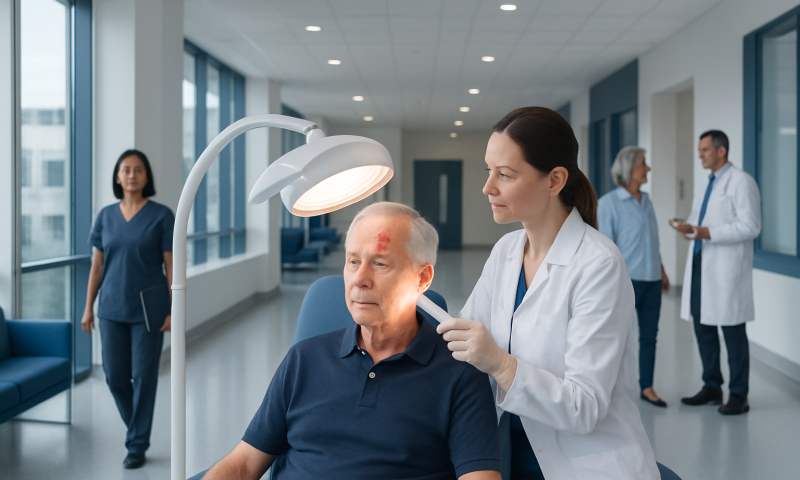
Orgasim: An Evidence-Based Guide for Patients

Orgasim usually means orgasm, a normal part of sexual response in many people. There is a wide range of what is normal in timing, intensity, and frequency of orgasm.
Key Takeaways
- Orgasim usually means orgasm, a normal part of sexual response in many people.
- There is a wide range of what is normal in timing, intensity, and frequency of orgasm.
- Stress, medications, hormones, relationship factors, and some medical conditions can affect orgasm.
- Pain, loss of sensation, or ongoing difficulty reaching orgasm deserves medical evaluation if it causes concern or distress.
- Assessment may involve medical history, medication review, and sometimes pelvic, urologic, hormonal, or mental health evaluation.
Orgasim commonly refers to orgasm, the peak of sexual pleasure that involves physical and emotional changes in the body. Most variation is normal, but persistent trouble reaching orgasm, pain, distress, or sudden changes can sometimes point to a health issue worth discussing with a qualified doctor.
Overview: What “Orgasim” Means
Orgasim is generally a misspelling or alternate spelling of orgasm. Orgasm is the climax phase of sexual response and may include pleasurable muscle contractions, changes in breathing and heart rate, release of sexual tension, and a sense of physical or emotional satisfaction. People experience orgasm in different ways, and there is no single “correct” pattern.
Some people orgasm easily and regularly, while others do so less often, take longer, or may not orgasm at all in certain situations. These differences can be shaped by age, physical health, mental wellbeing, medications, hormone levels, cultural background, relationship context, and personal preferences. Variation by itself is not necessarily a sign of disease.
What matters most medically is whether there has been a persistent problem, a sudden change from a person’s usual pattern, pain, reduced sensation, or distress. When symptoms interfere with quality of life or relationships, a healthcare professional can help identify possible causes and treatment options in a respectful, confidential way.
How Orgasm Works in the Body
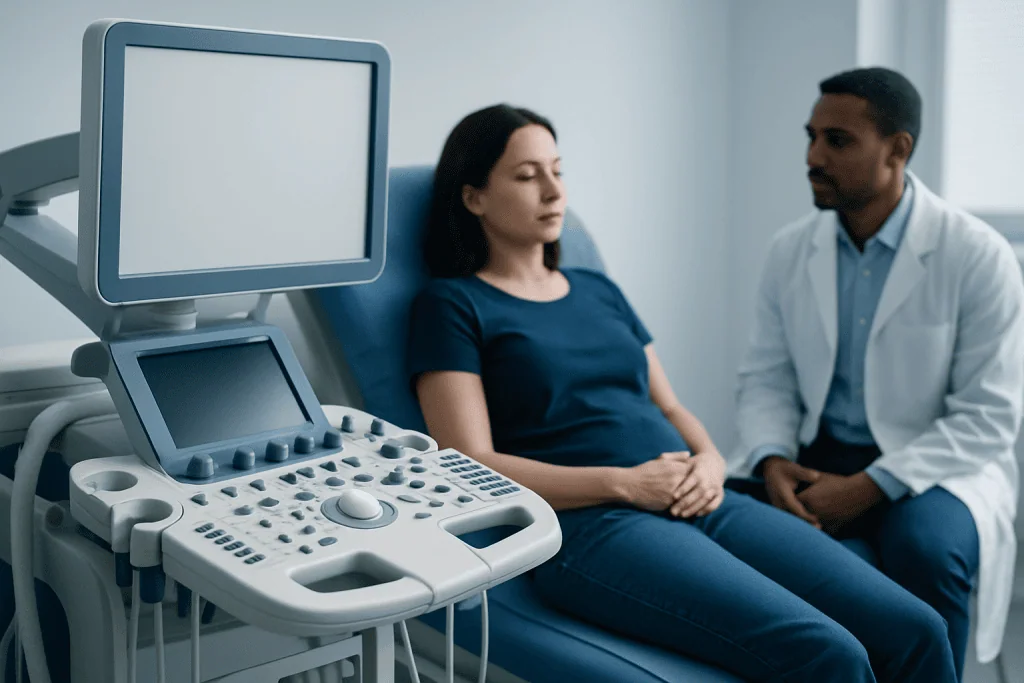
Orgasm is part of a broader sexual response cycle that often includes desire, arousal, plateau, orgasm, and resolution. The body’s nervous system, blood vessels, muscles, hormones, and brain all play a role. During arousal, blood flow increases to the genitals, sensitivity rises, and muscle tension builds. At orgasm, rhythmic contractions may occur in the pelvic muscles and genital organs, followed by a release of tension.
Although the underlying biology is shared, orgasm can feel different from person to person. Some describe intense pelvic contractions, while others notice warmth, tingling, emotional release, or whole-body relaxation. The experience can also vary within the same person over time depending on stress, fatigue, health, or the type of stimulation.
It is also important to know that orgasm and sexual satisfaction are not identical. A person may feel satisfied without orgasm, and an orgasm does not always mean a sexual experience felt comfortable or emotionally fulfilling. This distinction can help guide conversations with clinicians when someone is concerned about changes in sexual health.
What Is Normal, and What May Be a Problem?

There is a broad normal range for orgasim. Some people reach orgasm quickly, some slowly, and some only in certain circumstances. Frequency also varies widely. A person may have more than one orgasm, one orgasm, or none during sexual activity and still be within a normal range.
Medical evaluation may be helpful when a person has one or more of the following:
- Persistent difficulty reaching orgasm despite adequate arousal and enough time
- Delayed orgasm or absent orgasm that causes personal distress
- Pain during orgasm or pain with sexual activity
- Numbness, reduced genital sensation, or a sudden change in orgasm intensity
- Concerns after surgery, childbirth, menopause, or starting a new medication
- Problems with erection, ejaculation, vaginal dryness, or pelvic floor symptoms
Sometimes these concerns overlap with other sexual health conditions. For example, pain with intercourse may relate to vaginismus, and trouble with arousal or orgasm in men may occur alongside erectile dysfunction. Identifying the full picture can make treatment more effective.
Common Causes of Difficulty, Pain, or Change in Orgasim
Several physical and psychological factors can affect orgasm. Stress, anxiety, depression, trauma, relationship conflict, body image concerns, and performance pressure may reduce arousal or make orgasm more difficult. Fatigue, poor sleep, and alcohol or substance use can also change sexual response.
Medications are another common reason for change. Certain antidepressants, blood pressure medicines, hormonal treatments, and other drugs can affect libido, arousal, sensation, ejaculation, or orgasm. A person should not stop prescribed medicine without medical advice, but a clinician may be able to adjust the treatment plan if sexual side effects are significant.
Hormonal and medical conditions also matter. Menopause, low testosterone, thyroid disorders, diabetes, neurological disease, chronic pain, pelvic surgery, and cardiovascular disease may contribute. In some people, pelvic floor muscle problems or urologic issues play a role, and symptoms may overlap with conditions such as prostatitis. Because orgasm depends on many body systems, careful evaluation is often more useful than assuming the cause is “just stress.”
How Doctors Evaluate Sexual and Orgasm Concerns
Assessment usually begins with a detailed conversation. A doctor may ask when the problem started, whether it happens every time or only in certain situations, whether desire and arousal are present, and whether pain, dryness, erection changes, ejaculation changes, or relationship factors are involved. Medication use, alcohol, sleep, medical history, surgeries, and emotional wellbeing are also relevant.
Depending on the symptoms, the next step may include a physical examination. This could involve a general exam, pelvic exam, or urologic exam to look for signs of infection, hormonal change, nerve problems, pelvic floor tension, or structural concerns. Some people may also benefit from blood tests to assess hormones, blood sugar, or thyroid function.
In selected cases, referral to a specialist may help. Gynecology, urology, endocrinology, pelvic floor physical therapy, and mental health professionals can all be part of care. The goal is not only to rule out disease, but also to understand comfort, function, and quality of life in a comprehensive way.
Treatment Options and Support
Treatment depends on the cause. If a medication is contributing, a doctor may review alternatives. If vaginal dryness, hormonal changes, or pelvic pain are involved, management may focus on the underlying issue. If orgasm difficulty is related to nerve, hormonal, or vascular factors, treatment may be tailored after appropriate evaluation.
Behavioral and educational approaches can also be useful. These may include learning more about arousal patterns, allowing enough time for stimulation, reducing pressure to perform, improving communication with a partner, and addressing fear or discomfort around sex. When mental health or relationship stress plays a role, counseling or sex therapy can be an important part of treatment.
Some people need procedural or specialist care for related conditions. Depending on the underlying diagnosis, this may involve gynecology evaluation and treatment, urology care, or fertility support if sexual dysfunction is affecting attempts to conceive. Near the end of the care pathway, some patients may choose evaluation at centers such as Acibadem International, where multidisciplinary specialists in JCI-accredited hospitals assess sexual health concerns for international patients.
Self-Care, Communication, and Healthy Sexual Wellbeing
Self-care is not a substitute for medical treatment, but it can support sexual wellbeing. Managing stress, improving sleep, staying physically active, limiting excess alcohol, and treating ongoing medical conditions may all help sexual response. Many people also benefit from a calmer setting, more time for arousal, and less pressure to achieve a specific outcome.
Open communication with a partner can reduce anxiety and misunderstandings. Talking about comfort, preferences, pace, pain, or emotional needs may improve intimacy and make sexual experiences more satisfying. It may also help to remember that orgasm is only one part of sexual wellbeing, not the sole measure of a healthy sex life.
If pain or muscle tension is part of the problem, a clinician may suggest targeted therapies such as pelvic floor rehabilitation or referral through physical therapy and rehabilitation. If there is significant distress, low mood, or trauma-related symptoms, psychological support can be just as important as physical care.
When to Seek Medical Care
A doctor’s visit is advisable if orgasim becomes persistently difficult, painful, or very different from a person’s usual experience. Medical advice is also important when sexual symptoms are accompanied by vaginal bleeding, unusual discharge, pelvic pain, erection problems, urinary symptoms, genital numbness, or side effects after starting a new medication.
Prompt evaluation is especially helpful after pelvic surgery, childbirth injury, menopause-related changes, or if there are chronic conditions such as diabetes, neurological disease, or cardiovascular disease. Sudden loss of genital sensation, severe pain, or signs of infection should not be ignored.
Seeking help for sexual health is appropriate and common. A qualified clinician can assess whether symptoms are mainly related to stress and lifestyle, linked to a treatable medical condition, or best managed with specialist support.
Frequently asked questions
Is orgasim the same as orgasm?
Yes. In most cases, orgasim is simply a misspelling or alternate spelling of orgasm. Orgasm refers to the peak of sexual pleasure and release during sexual activity.
Is it normal to have trouble reaching orgasm sometimes?
Yes. Occasional difficulty reaching orgasm is common and can happen بسبب stress, fatigue, distractions, relationship concerns, or alcohol use. It becomes more important to assess when the problem is persistent, new, or causing distress.
Can medications affect orgasm?
Yes. Some medicines, especially certain antidepressants and other long-term treatments, can affect desire, arousal, or orgasm. A person should speak with the prescribing doctor before making any changes, because safer alternatives may be available.
Does pain during orgasm mean something serious?
Not always, but it should be evaluated if it happens repeatedly. Pain may be related to pelvic floor tension, infection, inflammation, endometriosis, prostatitis, or other gynecologic or urologic issues.
Can anxiety or stress cause orgasm problems?
Yes. Anxiety, depression, trauma, and relationship stress can strongly affect sexual response. In many cases, addressing emotional wellbeing is an important part of treatment, alongside any needed medical evaluation.
When should someone see a doctor about orgasim concerns?
A doctor should be consulted if there is ongoing inability to orgasm, pain, numbness, sudden change, or distress. Medical advice is also important when symptoms occur with pelvic pain, urinary issues, erectile problems, abnormal bleeding, or after surgery or childbirth.
References
- World Health Organization
- American College of Obstetricians and Gynecologists
- National Institute of Diabetes and Digestive and Kidney Diseases
- National Health Service
- Mayo Clinic
This article is for general information only and is not a substitute for professional medical advice. Please consult a qualified doctor about your individual situation.
Heart care in Turkey — expert evaluation and treatment
JCI-accredited · board-certified surgeons · reply within 24h
Check your numbers in seconds
BMI, calories, due date, blood pressure and 30+ more clinical calculators — free, instant, doctor-reviewed ranges.