Dark Chocolate and Period Cramps: A Complete Clinical Guide for Patients

Dark chocolate may offer mild comfort for some people, but it does not reliably treat period cramps. Its possible benefits are linked to cocoa content, magnesium, and enjoyment rather than a direct medical effect.
Key Takeaways
- Dark chocolate may offer mild comfort for some people, but it does not reliably treat period cramps.
- Its possible benefits are linked to cocoa content, magnesium, and enjoyment rather than a direct medical effect.
- Severe, worsening, or disruptive menstrual pain can be a sign of an underlying condition such as endometriosis or fibroids.
- Evidence-based options for period cramps include heat, exercise, rest, and doctor-guided medicines or hormonal treatments.
- Choosing small portions of higher-cocoa dark chocolate is generally better than sugary chocolate products if it is used as a comfort food.
Dark chocolate and period cramps are often discussed together because dark chocolate contains magnesium and plant compounds that may help some people feel slightly better during menstruation. However, it is not a proven treatment for dysmenorrhea, and persistent or severe pain should be assessed medically.
Overview: Can Dark Chocolate Help Period Cramps?
Dark chocolate and period cramps are commonly linked in everyday health advice, and there is a reasonable explanation for why some people feel better after eating it. Dark chocolate contains cocoa, small amounts of magnesium, and plant compounds called flavanols, all of which may support relaxation, mood, and overall comfort during menstruation. Still, current evidence does not show that dark chocolate is a reliable medical treatment for menstrual cramps.
Period cramps, also called dysmenorrhea, happen when the uterus contracts in response to hormone-like chemicals called prostaglandins. These contractions can cause lower abdominal pain, back pain, nausea, fatigue, and bowel changes. Because pain has both physical and emotional aspects, a comforting food such as dark chocolate may make some people feel more at ease, even if it does not change the underlying uterine contractions very much.
The effect also depends on the type of chocolate. Products with more cocoa and less added sugar generally contain more of the compounds people are referring to when they talk about dark chocolate benefits. In contrast, milk chocolate and highly processed sweets often contain less cocoa and more sugar and fat, which may not offer the same potential advantages.
For most healthy adults, eating a modest amount of dark chocolate as part of a balanced diet is reasonable. But if cramps are intense, new, worsening, or interfering with school, work, sleep, or daily activities, medical evaluation is more important than relying on home remedies alone.
Why Dark Chocolate Might Seem Helpful
Several factors may explain why dark chocolate sometimes appears to help with period cramps. One is magnesium, a mineral involved in muscle and nerve function. Magnesium has been studied in relation to menstrual symptoms because it may support muscle relaxation in some people. Dark chocolate contains magnesium, but usually not in amounts that would replace medical treatment or targeted supplementation when a doctor recommends it.
Another factor is mood. Menstrual discomfort can feel worse when it is combined with stress, poor sleep, irritability, or low mood. Dark chocolate can be pleasurable to eat and may briefly improve emotional comfort, which can change how pain is perceived. This does not mean the pain is imaginary; it means the nervous system and emotions influence the experience of pain.
Cocoa also contains flavanols and small amounts of stimulants such as theobromine and caffeine. These substances may affect circulation, alertness, or sense of well-being, but they can also bother some people, especially if they are sensitive to caffeine, have reflux, or notice headaches after chocolate. The response is individual, so what feels helpful to one person may not help another.
It is also worth remembering that cravings during menstruation are common. Sometimes dark chocolate is chosen because it is satisfying, easy to find, and associated with comfort. That can be part of healthy self-care, but it should be seen as supportive rather than curative.
What the Evidence Says About Menstrual Pain
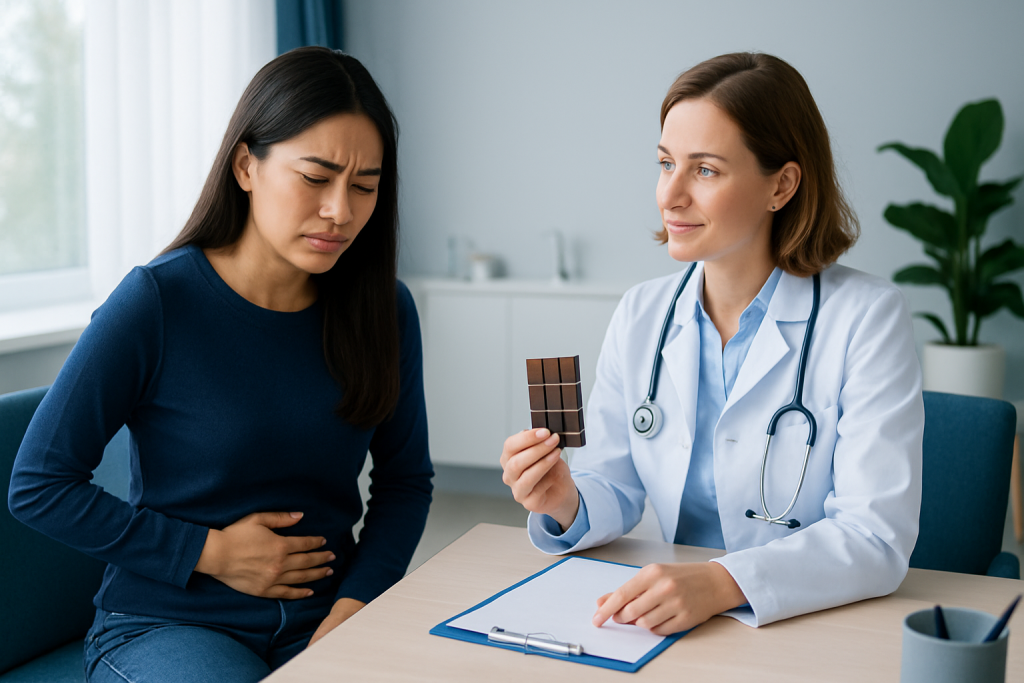
Research on diet and menstrual symptoms is growing, but it remains mixed. Some small studies suggest that nutrients such as magnesium may play a role in menstrual comfort, and cocoa-rich foods are sometimes included in discussions about foods that may help. However, the available evidence does not support dark chocolate as a standard or primary treatment for dysmenorrhea.
The strongest medical evidence for period cramp relief still supports established approaches such as nonsteroidal anti-inflammatory drugs when they are safe for the individual, heat therapy, and in some cases hormonal treatments. These options work more directly on prostaglandins or ovulation-related menstrual pain pathways than chocolate does.
That said, nutrition still matters. A balanced eating pattern, regular hydration, sufficient sleep, and consistent physical activity may reduce the overall burden of menstrual symptoms for some people. Dark chocolate can fit into this picture if it is enjoyed in moderation, but it is best understood as one small part of a broader self-care plan.
If menstrual pain is severe, it may be related to an underlying condition rather than ordinary cramps. Conditions such as endometriosis or uterine fibroids can cause significant pain, heavy bleeding, pelvic pressure, or fertility concerns. In these situations, lifestyle measures alone are often not enough.
How to Choose Chocolate If Someone Wants to Try It
If a person wants to see whether dark chocolate helps them feel better during their period, a practical approach is to choose a product with a higher cocoa content and lower added sugar. In general, darker chocolate contains more cocoa solids and may provide more of the compounds commonly associated with potential benefits. Portion size also matters, since chocolate is calorie-dense and some products are high in sugar and saturated fat.
Keeping a symptom diary can be useful. Recording pain level, bleeding, food choices, sleep, stress, and any medicines taken may help identify whether dark chocolate is actually linked with improvement or whether the change is due to other factors. This is especially helpful because menstrual symptoms naturally vary from one cycle to the next.
Chocolate is not ideal for everyone. People with migraine triggered by chocolate, reflux symptoms, diabetes requiring careful carbohydrate planning, or caffeine sensitivity may find that it worsens symptoms or is simply not worth trying as a comfort measure. Individual medical advice is important when there are other health conditions involved.
It may also help to pair dark chocolate with other supportive habits rather than expecting it to work on its own. Warm fluids, gentle movement, regular meals, and rest often do more for overall comfort than any single food choice.
Better-Supported Ways to Relieve Period Cramps
When menstrual pain is bothersome, several approaches have better support than dark chocolate. Heat is one of the simplest. A heating pad or hot water bottle on the lower abdomen can ease muscle tension and reduce pain for many people. Light physical activity, stretching, or walking may also help by improving circulation and supporting the body’s natural pain-modulating systems.
Over-the-counter pain medicines, especially anti-inflammatory medicines, are commonly used for cramps because they help reduce prostaglandin activity. These are not appropriate for everyone, including some people with stomach ulcers, kidney disease, bleeding disorders, or certain medication interactions, so it is sensible to ask a clinician or pharmacist if there is any uncertainty.
For ongoing or severe symptoms, doctors may discuss hormonal treatments that reduce ovulation or lighten periods, which can lessen cramping in many patients. Depending on symptoms and future pregnancy plans, treatment may be tailored individually. Options may include gynecology evaluation and, when needed, fertility care if painful conditions are affecting reproductive health.
Some people benefit from broader evaluation when pain is persistent. If there are signs of an underlying pelvic condition, doctors may recommend imaging, lab tests, or referral for specialist care. When a structural problem is present, management may involve targeted treatment rather than symptom relief alone, such as treatment for uterine fibroids.
When to Seek Medical Care
Most period cramps improve with time, rest, heat, and standard pain relief measures. However, medical care is important if pain is severe enough to disrupt daily activities, starts suddenly after years of mild periods, becomes progressively worse, or does not respond to usual treatment. These patterns can suggest secondary dysmenorrhea, meaning pain caused by another condition rather than routine menstrual cramps.
Other reasons to seek care include very heavy bleeding, bleeding between periods, pain during sex, pelvic pain outside the menstrual period, fainting, fever, unusual vaginal discharge, or trouble becoming pregnant. These symptoms do not always mean something serious, but they do deserve a proper medical assessment.
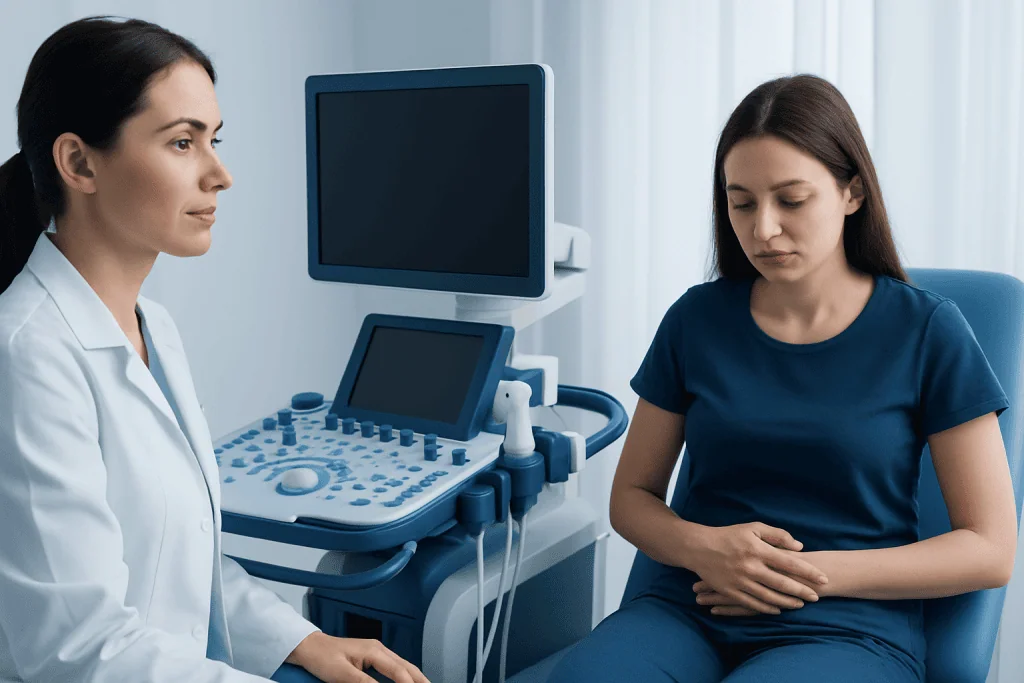
Doctors may ask about menstrual timing, pain pattern, bowel and bladder symptoms, sexual health, and family history. Depending on the situation, they may perform a pelvic exam and order tests such as ultrasound. If needed, they may evaluate for conditions including ovarian cysts or other gynecologic causes of pelvic pain.
For international patients who need further assessment, Acibadem International’s multidisciplinary specialists and JCI-accredited hospitals diagnose and treat gynecologic conditions using individualized care plans. The key step is obtaining a clear diagnosis rather than assuming food-based remedies will be enough.
Prevention, Self-Care, and a Balanced Perspective
There is no guaranteed way to prevent all menstrual cramps, but regular self-care can reduce symptom burden for many people. Helpful habits include regular exercise, consistent sleep, stress management, not smoking, and eating a varied diet with fruits, vegetables, whole grains, and adequate hydration. These measures support overall health and may make each cycle easier to manage.
Some people find it useful to prepare for cramps before bleeding begins, especially if their pattern is predictable. This may include having a heating pad ready, planning lighter activities on the most uncomfortable day, and speaking with a doctor about the best timing for pain relief medicines. Tracking symptoms over a few months can reveal useful patterns.
Dark chocolate can have a place in this plan if it is enjoyed mindfully and does not trigger other symptoms. It may provide a sense of comfort and small nutritional benefits, but it should not create pressure to self-treat significant pain with food alone. Menstrual health deserves the same thoughtful attention as any other recurring health concern.
The most reassuring message is that painful periods are common, and effective help is available. If dark chocolate offers comfort, that can be part of a practical routine. But if cramps are severe, persistent, or changing, a qualified clinician can help identify the cause and recommend the most appropriate treatment.
Frequently asked questions
Does dark chocolate actually stop period cramps?
No, dark chocolate is not a proven treatment that stops period cramps. Some people may feel slightly better because of comfort, mood effects, or small amounts of magnesium, but stronger symptom relief usually comes from heat, exercise, or doctor-guided medicines.
What kind of chocolate is best if someone wants to try it for cramps?
If someone wants to try chocolate, dark chocolate with a higher cocoa content and less added sugar is usually the better choice. It generally contains more cocoa-related compounds than milk chocolate, although it still should be eaten in moderation.
Can chocolate make period symptoms worse?
Yes, for some people it can. Chocolate may worsen reflux, trigger migraines in susceptible individuals, or be unhelpful if large amounts of sugar lead to bloating or energy swings.
Are severe period cramps normal?
Mild to moderate cramps are common, but severe pain that interferes with normal life should not be ignored. It can sometimes signal a condition such as endometriosis, fibroids, or another pelvic disorder that needs medical evaluation.
What helps period cramps more than dark chocolate?
Heat therapy, gentle exercise, adequate rest, and anti-inflammatory pain medicines are usually better-supported options. If symptoms keep recurring or are intense, a doctor may recommend hormonal treatment or further testing.
When should a person see a doctor about menstrual pain?
A doctor should be seen if cramps are getting worse, start suddenly after previously mild periods, do not improve with usual care, or are accompanied by heavy bleeding, fever, pain during sex, or pelvic pain outside menstruation. Medical review is also important if period pain affects school, work, sleep, or fertility.
References
- American College of Obstetricians and Gynecologists
- National Institute for Health and Care Excellence
- Office on Women's Health
- World Health Organization
This article is for general information only and is not a substitute for professional medical advice. Please consult a qualified doctor about your individual situation.
Explore treatments in Turkey — costs, top hospitals & a free quote
JCI-accredited · board-certified surgeons · reply within 24h
Check your numbers in seconds
BMI, calories, due date, blood pressure and 30+ more clinical calculators — free, instant, doctor-reviewed ranges.