Do Dates Have Fiber? Causes, Explanations, and Next Steps

Dates contain dietary fiber, especially when eaten whole and dried. Fiber in dates may help support bowel regularity, but large portions can also cause bloating or discomfort in some people.
Key Takeaways
- Dates contain dietary fiber, especially when eaten whole and dried.
- Fiber in dates may help support bowel regularity, but large portions can also cause bloating or discomfort in some people.
- Digestive symptoms after eating dates are often mild and related to portion size, hydration, or overall diet.
- Medical review is important for persistent constipation, ongoing diarrhea, blood in the stool, severe pain, or unexplained weight loss.
- Doctors evaluate bowel symptoms with a history, physical exam, and sometimes stool tests, blood tests, or imaging.
Yes, dates do have fiber, and for most people this is a harmless, helpful part of eating fruit. Their fiber may support regular bowel movements and fullness, but digestive symptoms, sudden bowel changes, or red flags such as bleeding or weight loss should be assessed by a doctor.
Overview: Do Dates Have Fiber?
Yes, dates do have fiber. Dates are naturally rich in carbohydrates and also provide dietary fiber, which helps add bulk to stool and supports normal digestion. For many people, this is one reason dates are often included in a balanced eating pattern.
Most of the time, questions about dates and fiber come up because someone wants to improve constipation, feel fuller between meals, or understand whether dates might trigger bloating. In many cases, eating dates in moderate amounts is well tolerated. However, digestion varies from person to person, and a food that feels helpful for one person may cause gas or discomfort for another.
It can also help to keep the question in context. Dates are not a treatment for digestive disease, but they can be one fiber-containing food within an overall healthy diet that includes water, vegetables, fruits, legumes, and whole grains. If symptoms are frequent or concerning, a medical assessment is more useful than relying on one food alone.
How Fiber in Dates Affects Digestion

Dietary fiber is the part of plant food that is not fully digested in the small intestine. It moves through the digestive tract and helps influence stool consistency, bowel movement frequency, and the gut environment. Dates contain this type of plant fiber, which is why they may help some people who struggle with mild constipation.
Because dates are dried fruit, they are relatively concentrated. That means a small serving can provide both natural sugars and fiber. This concentration can be useful for people who want an energy-dense snack, but it also means portion size matters. Eating a large amount at once may cause fullness, bloating, cramping, or looser stools in sensitive individuals.
Fiber works best when paired with adequate fluid intake. If someone increases fiber quickly without drinking enough water, bowel symptoms may temporarily feel worse rather than better. Gradual changes are usually easier on the digestive system.
- Fiber may help support regular bowel movements.
- Moderate portions are often easier to tolerate than large servings.
- Drinking enough fluids helps fiber work more effectively.
- Individual tolerance depends on overall diet, gut sensitivity, and any underlying digestive condition.
Common Reasons Dates May Seem Helpful or Unhelpful

Dates may seem helpful when someone has mild constipation related to low fiber intake. In that situation, adding fiber-containing foods can support stool bulk and regularity over time. Dates may also be satisfying because they are soft, sweet, and easy to include in snacks or meals.
On the other hand, dates may seem unhelpful if they are eaten in large portions or if a person has a sensitive digestive tract. Some people notice gas, bloating, abdominal discomfort, or diarrhea after dried fruit. This can happen because of the overall fiber load, the natural sugars, or the way certain carbohydrates are handled in the gut.
Symptoms are not always caused by dates themselves. A low-fluid diet, sudden dietary changes, limited physical activity, stress, medications, or an underlying bowel condition can also play a role. If constipation or diarrhea keeps returning, it is important to look beyond a single food and consider the whole pattern.
Ongoing bowel changes may sometimes relate to conditions such as irritable bowel syndrome or other digestive disorders. In those cases, symptom tracking and medical advice are more helpful than simply adding more dried fruit.
When Digestive Symptoms Need Medical Review
Most mild bloating, occasional constipation, or brief stool changes after eating dates are not dangerous. Still, some symptoms should not be ignored. A doctor should evaluate symptoms that are severe, persistent, or associated with warning signs.
Red flags include blood in the stool, black stools, ongoing vomiting, severe or worsening abdominal pain, persistent constipation, prolonged diarrhea, fever, nighttime symptoms that interrupt sleep, unexplained weight loss, or signs of dehydration. New bowel changes in an older adult also deserve attention.
People with known digestive conditions, a history of bowel surgery, diabetes, or swallowing difficulties may need more individualized advice about dried fruits and fiber intake. Anyone with significant pain or inability to pass stool or gas should seek prompt medical care.
- Seek care urgently for severe pain, heavy bleeding, fainting, or signs of dehydration.
- Make a routine appointment for symptoms that last more than a few weeks or keep recurring.
- Medical review is especially important if bowel changes come with weight loss or fatigue.
How a Doctor Evaluates Bowel Changes
If someone asks about dates because of constipation, diarrhea, bloating, or abdominal discomfort, a doctor usually starts with the overall picture rather than the food alone. The medical history often covers when symptoms began, stool pattern, diet, fluid intake, medications, activity level, recent travel, and any family history of digestive disease.
A physical exam may include checking the abdomen for tenderness, distension, bowel sounds, or signs of dehydration. Depending on the symptoms, the doctor may recommend blood tests, stool tests, or imaging. Persistent constipation or bleeding may also lead to a more detailed bowel evaluation.
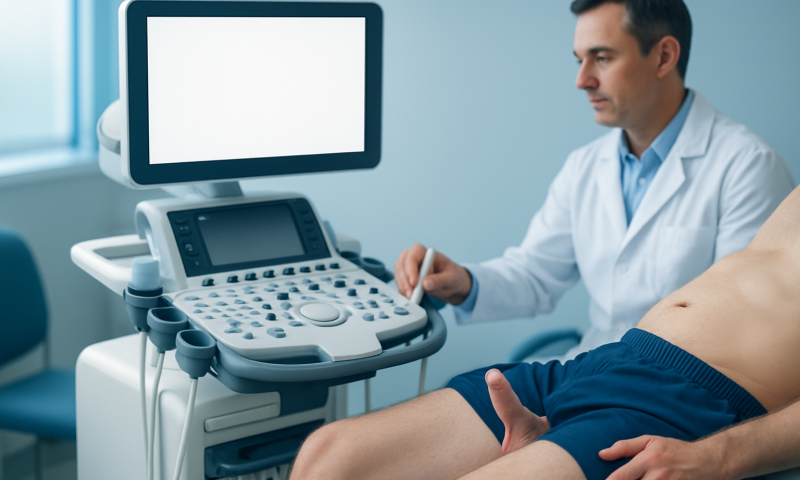
When symptoms point to a structural or inflammatory cause, further testing may be needed. In some cases, doctors may consider tests such as colonoscopy to examine the large intestine or endoscopy if upper digestive symptoms are also present. If there is concern about severe pain, obstruction, or other abdominal problems, abdominal ultrasound may also be useful in selected situations.
The goal is to identify whether symptoms are due to diet, a functional bowel issue, medication side effects, or a condition that needs treatment. This step-by-step approach helps avoid unnecessary restrictions while making sure important causes are not missed.
Practical Ways to Eat Dates and Increase Fiber Safely
For people who tolerate them well, dates can be part of a fiber-conscious diet. A simple approach is to start with a small portion and see how the body responds. Eating them with other foods, such as yogurt, nuts, or oatmeal, may also make them feel more balanced and satisfying.
It helps to increase total fiber gradually rather than suddenly. A dramatic jump in fiber intake can cause temporary bloating or gas. Spreading fiber across the day and drinking enough water are often better tolerated than eating a large amount at one time.
Dates should not be the only source of fiber. A varied diet usually works best, including vegetables, berries, beans, lentils, and whole grains. People managing blood sugar concerns should also remember that dates are naturally sweet and portion awareness matters.
- Start with a modest amount rather than a large serving.
- Increase fiber slowly over several days to weeks.
- Drink enough water throughout the day.
- Choose a variety of fiber sources, not just dried fruit.
- Track symptoms if certain foods seem to trigger discomfort.
Next Steps and When to Seek Medical Care
If the question is simply whether dates contain fiber, the answer is yes. If the deeper concern is constipation, bloating, diarrhea, or another bowel symptom, the next step is to observe the pattern: how often it happens, what foods are involved, and whether there are any red flags. Keeping a brief food and symptom diary can help make doctor visits more productive.
Medical care is appropriate when symptoms do not improve, interfere with daily life, or come with bleeding, significant pain, fever, vomiting, or unexplained weight loss. Patients with ongoing digestive concerns may also benefit from specialist assessment for conditions such as Crohn's disease or other gastrointestinal disorders when clinically indicated.
At Acibadem International, multidisciplinary specialists in JCI-accredited hospitals evaluate digestive symptoms and provide individualized care for international patients when further assessment is needed. Reassuringly, many bowel complaints turn out to be manageable with diet changes, hydration, and targeted medical guidance once the cause is clear.
Frequently asked questions
Do dates have fiber or are they mostly sugar?
Dates do contain dietary fiber, even though they are also naturally sweet. Because they are dried fruit, their sugars and calories are concentrated, so portion size still matters.
Can dates help with constipation?
They may help some people with mild constipation because fiber can support stool bulk and bowel regularity. They work best as part of an overall routine that also includes fluids, movement, and a varied high-fiber diet.
Why do dates sometimes cause bloating or gas?
Bloating can happen if someone eats a large amount of dates at once or increases fiber too quickly. Some people also have more sensitive digestion and may react to dried fruit more than to fresh fruit.
How many dates should a person eat for fiber?
There is no single number that suits everyone. Starting with a small portion and adjusting based on comfort, energy needs, and overall diet is usually the safest approach.
Are dates safe for people with irritable bowel symptoms?
Some people with irritable bowel symptoms tolerate dates well, while others notice more bloating or loose stools. If symptoms are frequent, a doctor or dietitian can help identify whether dates are a trigger within the broader diet.
When should someone see a doctor for bowel changes?
Medical review is important for symptoms that persist, keep returning, or interfere with daily life. Urgent evaluation is needed for severe pain, blood in the stool, black stools, repeated vomiting, dehydration, or unexplained weight loss.
References
- National Institutes of Health
- Academy of Nutrition and Dietetics
- National Institute of Diabetes and Digestive and Kidney Diseases
- American College of Gastroenterology
This article is for general information only and is not a substitute for professional medical advice. Please consult a qualified doctor about your individual situation.
Medical weight-loss options in Turkey — costs & eligibility
JCI-accredited · board-certified surgeons · reply within 24h

More from the Health Library


Related Specialists

Prof. Dr. Hüseyin Bayram
Orthopedic Surgery & Traumatology
Dr. Buket Özel Bingöl
Otorhinolaryngology
Dr. Kamil Kayayurt
Emergency Service
Dt. Elif Ceren Güzeler
Oral & Dental Health