Cardiac Muscle Tissue: What Patients Need to Know
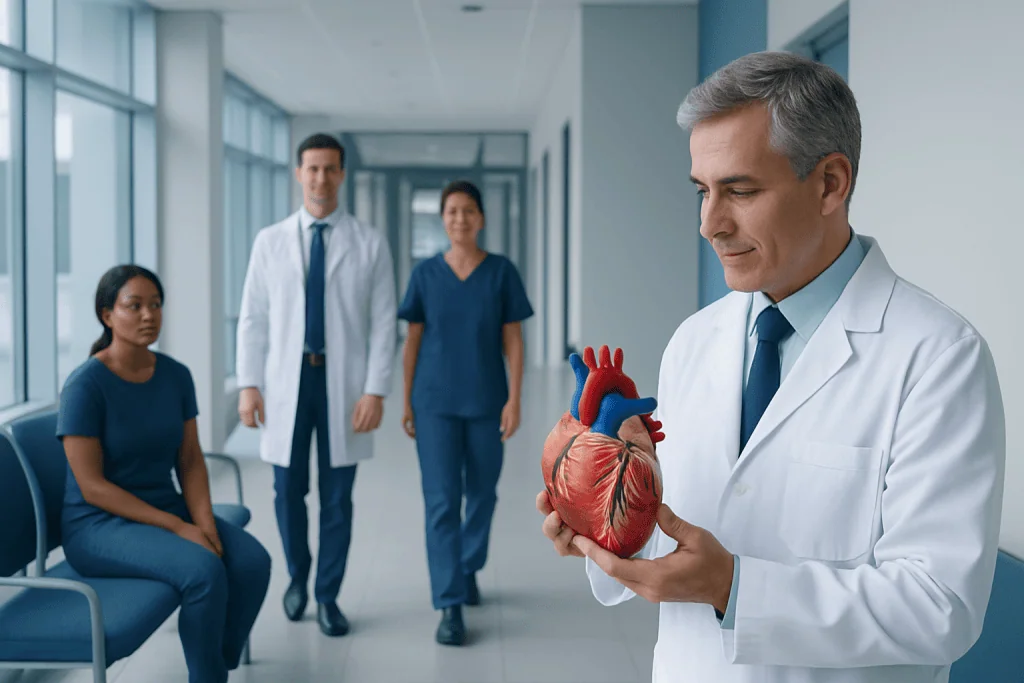
Cardiac muscle tissue is involuntary, striated muscle found only in the heart. It contracts in a coordinated rhythm to pump oxygen-rich and oxygen-poor blood through the body.
Key Takeaways
- Cardiac muscle tissue is involuntary, striated muscle found only in the heart.
- It contracts in a coordinated rhythm to pump oxygen-rich and oxygen-poor blood through the body.
- Conditions such as coronary artery disease, cardiomyopathy, infection, and high blood pressure can injure heart muscle.
- Symptoms like chest pain, shortness of breath, palpitations, fainting, or leg swelling should be medically assessed.
- Healthy lifestyle habits and routine care for blood pressure, cholesterol, and diabetes help support heart muscle health.
Cardiac muscle tissue is the specialized muscle that makes up the heart wall and keeps blood moving through the body. Understanding how it works, what can damage it, and when symptoms need medical attention can help patients protect heart health.
Overview: what cardiac muscle tissue is
Cardiac muscle tissue is the specialized muscle that forms the middle layer of the heart wall, called the myocardium. Its job is to contract in a steady, organized way so the heart can pump blood to the lungs and the rest of the body. Unlike skeletal muscles, which are moved voluntarily, cardiac muscle works automatically without conscious effort.
This tissue is unique because it combines strength, endurance, and precise electrical coordination. Heart muscle cells are connected to one another so that electrical signals can spread quickly across the heart, allowing the chambers to beat in sequence. That coordination helps maintain an effective heartbeat and stable circulation.
For patients, the most important point is that cardiac muscle tissue is essential to life and depends on a constant supply of oxygen and nutrients from the coronary arteries. When the heart muscle becomes weak, inflamed, scarred, or deprived of blood flow, symptoms may appear and medical evaluation may be needed.
How cardiac muscle tissue works
Cardiac muscle tissue contracts through a highly organized process that begins with the heart’s electrical system. Signals usually start in the sinoatrial node, often called the heart’s natural pacemaker, and travel through the atria and ventricles. This electrical pattern tells the muscle fibers when to shorten and relax, creating the familiar heartbeat.
Each cardiac muscle cell contains structures that support repeated contraction without tiring quickly. The cells are rich in mitochondria, which produce energy, and they contain contractile proteins that help the heart squeeze blood forward. Because the heart must beat continuously, day and night, its muscle tissue is built for endurance rather than short bursts of effort.
The heart’s right and left sides work together but serve different roles. The right side pumps blood to the lungs to pick up oxygen, while the left side pumps oxygen-rich blood to the body. Healthy cardiac muscle tissue must be strong enough to generate pressure, flexible enough to fill properly between beats, and coordinated enough to avoid rhythm problems.
When this balance is disrupted, pumping may become less effective. In some people the muscle becomes too weak, too stiff, or too thick. These changes can contribute to disorders such as heart failure or cardiomyopathy, depending on the underlying cause.
What makes cardiac muscle different from other muscle types

The human body has three main muscle types: skeletal, smooth, and cardiac. Skeletal muscle moves the limbs and body, smooth muscle is found in organs such as the intestines and blood vessels, and cardiac muscle is found only in the heart. Cardiac muscle shares some features with skeletal muscle, such as a striped appearance under the microscope, but it behaves very differently.
One important difference is control. Skeletal muscle is voluntary, meaning a person chooses when to move it. Cardiac muscle tissue is involuntary, so it beats automatically. Another key difference is connectivity: heart muscle cells are linked by specialized junctions that help electrical impulses pass rapidly from cell to cell.
Cardiac muscle also has a built-in rhythm. Even without signals from the brain, the heart can continue to beat because of its own electrical pacemaker cells. The nervous system and hormones can speed up or slow down the heart rate, but the basic rhythm starts within the heart itself.
- Skeletal muscle: voluntary movement, attached to bones
- Smooth muscle: involuntary movement in organs and blood vessels
- Cardiac muscle tissue: involuntary, rhythmic, found only in the heart
What can damage cardiac muscle tissue
Cardiac muscle tissue can be damaged in several ways. One of the most common is reduced blood flow caused by narrowing or blockage in the coronary arteries. If part of the heart muscle does not receive enough oxygen, it can become injured or die, which may result in a heart attack. Over time, this may leave scar tissue that weakens the heart’s pumping ability.
Heart muscle can also be affected by long-term pressure overload. Conditions such as high blood pressure force the heart to work harder, which can make the muscle thicken and become stiffer. At first this may help the heart compensate, but over time it can reduce efficiency and increase the risk of heart failure and rhythm disturbances.
Other causes include viral or immune-related inflammation, inherited muscle disorders, alcohol or substance misuse, certain medications, and metabolic problems such as thyroid disease. Infections that affect the myocardium may lead to myocarditis, while genetic or acquired changes in heart muscle structure may lead to arrhythmia or other complications.
Not every change in the heart muscle causes immediate symptoms. Some conditions develop gradually and are discovered during routine examinations, imaging tests, or evaluation of symptoms such as fatigue or shortness of breath. This is one reason regular cardiovascular care is important, especially for people with risk factors.
Symptoms that may suggest a heart muscle problem
Cardiac muscle tissue itself does not cause a person to “feel” the heart directly in most situations, but problems affecting the heart muscle can lead to recognizable symptoms. Common warning signs include chest discomfort, shortness of breath, unusual fatigue, palpitations, dizziness, fainting, or swelling in the legs and ankles. Some people notice reduced exercise tolerance or feel unusually breathless during routine activities.
Symptoms vary depending on whether the issue involves poor blood flow, weakness of the muscle, stiffness, inflammation, or an abnormal rhythm. For example, a person with reduced pumping function may develop fluid retention and breathlessness, while someone with an electrical disturbance may feel racing, fluttering, or skipped beats.
It is also possible to have heart muscle disease with few or no symptoms at first. That is especially true in early stages of some inherited cardiomyopathies or slowly developing changes related to high blood pressure. Because symptoms can overlap with other conditions, only a qualified medical assessment can determine the cause.
- Chest pain or pressure
- Shortness of breath at rest or with activity
- Palpitations or irregular heartbeat
- Dizziness or fainting
- Fatigue, weakness, or leg swelling
How doctors evaluate cardiac muscle tissue
Evaluation usually begins with a medical history, symptom review, family history, and physical examination. A doctor may ask about chest pain, exercise tolerance, infections, medications, alcohol use, and whether close relatives have had sudden cardiac death or diagnosed heart disease. These details help guide the next steps.
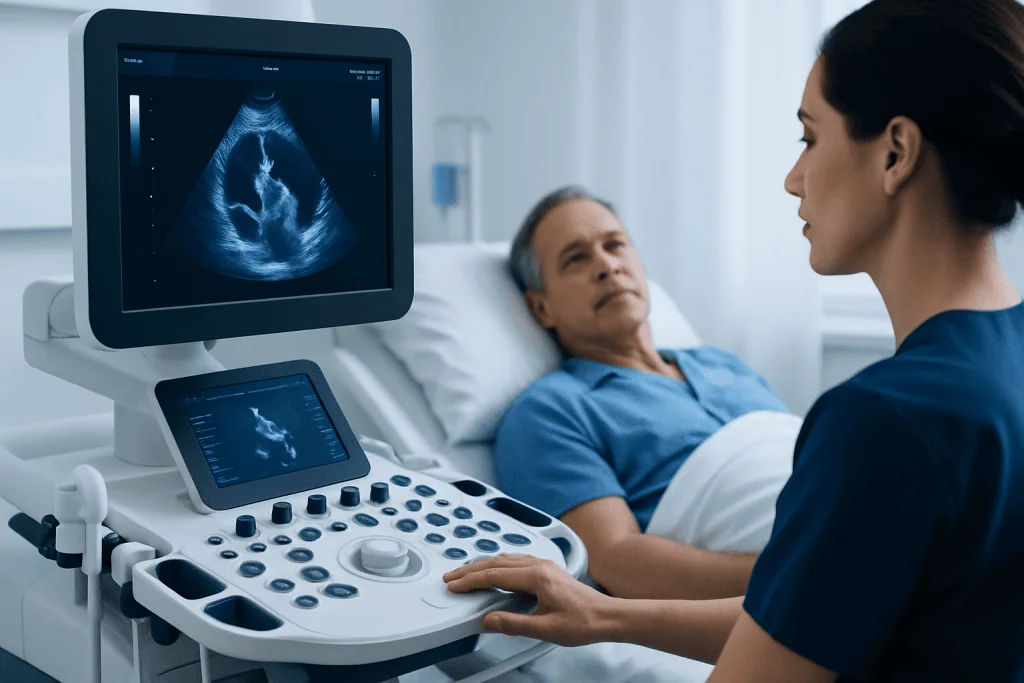
Common tests include an electrocardiogram to check the heart’s electrical activity, blood tests to look for signs of muscle injury or inflammation, and echocardiography to assess heart structure and pumping function. Depending on the situation, doctors may also use stress testing, ambulatory rhythm monitoring, cardiac MRI, or coronary imaging to examine blood flow and heart muscle more closely.
If symptoms suggest blocked coronary arteries, patients may need advanced evaluation and treatment planning, including coronary angiography. In selected cases, imaging can identify areas of scar, inflammation, poor contraction, or thickened muscle. This helps doctors distinguish between ischemic damage, cardiomyopathy, myocarditis, and other causes.
Diagnosis is not based on one test alone. Doctors consider symptoms, examination findings, imaging, electrical patterns, and risk factors together. This combined approach helps create a treatment plan tailored to the underlying problem rather than the symptom alone.
Treatment options and supporting heart muscle health
Treatment depends on what is affecting the cardiac muscle tissue. If reduced blood flow is the problem, care may focus on restoring circulation and preventing further artery blockage. This can include medicines, lifestyle changes, and procedures such as coronary artery bypass graft surgery or other interventions when appropriate.
If the muscle is weak or stiff, treatment may aim to improve pumping efficiency, reduce strain on the heart, and manage fluid buildup. Patients with rhythm problems may need medication, monitoring, or procedures such as cardiac ablation when an abnormal electrical pathway is identified. Inflammation, infection, or endocrine causes are treated according to the underlying condition.
Self-care is also an important part of treatment. This often includes controlling blood pressure, cholesterol, blood sugar, and body weight; avoiding smoking; limiting alcohol; and following a heart-healthy eating pattern. Regular physical activity may be recommended, but the type and intensity should match the patient’s condition and the doctor’s advice.
For international patients who need further assessment, Acibadem International’s multidisciplinary specialists and JCI-accredited hospitals diagnose and treat heart muscle conditions using coordinated cardiology and cardiac surgery services. Patients benefit most when treatment is based on a clear diagnosis and ongoing follow-up.
When to seek medical care
Medical care should be sought promptly if symptoms suggest a heart problem. Chest pain, pressure, severe shortness of breath, sudden fainting, new confusion, or symptoms that come on suddenly and strongly should be treated as urgent. Rapid assessment is especially important if symptoms occur with exertion or are accompanied by sweating, nausea, or pain spreading to the arm, jaw, or back.
Non-emergency symptoms also deserve attention when they are new, persistent, or worsening. Examples include palpitations, ongoing fatigue, swelling in the ankles, unexplained breathlessness, or a clear drop in exercise capacity. People with diabetes, high blood pressure, high cholesterol, or a family history of heart disease should be particularly cautious.
Regular checkups can help identify heart muscle strain before major complications develop. A doctor can advise on screening, lifestyle changes, and whether specialist evaluation is needed. Early attention often improves management and helps protect long-term heart function.
Frequently asked questions
What is cardiac muscle tissue in simple terms?
Cardiac muscle tissue is the special muscle that makes up the heart. It contracts and relaxes automatically so the heart can pump blood throughout the body.
Is cardiac muscle tissue the same as the myocardium?
The myocardium is the main layer of the heart wall made of cardiac muscle tissue. In everyday use, people often use the terms interchangeably because the myocardium is the heart's working muscle.
Can cardiac muscle tissue repair itself after injury?
Heart muscle has limited ability to regenerate compared with some other tissues. After a significant injury, such as a heart attack, damaged areas may heal with scar tissue rather than fully normal muscle.
What diseases affect cardiac muscle tissue?
Cardiac muscle tissue can be affected by coronary artery disease, heart attack, cardiomyopathy, myocarditis, heart failure, and some rhythm disorders. High blood pressure and certain inherited conditions can also change the way the heart muscle works.
How do doctors check if heart muscle is healthy?
Doctors may use a physical examination, electrocardiogram, blood tests, and imaging such as echocardiography or cardiac MRI. The exact tests depend on symptoms, risk factors, and the suspected cause.
Can lifestyle choices protect cardiac muscle tissue?
Yes. Not smoking, staying physically active, eating a heart-healthy diet, and managing blood pressure, cholesterol, and diabetes can all help protect heart muscle health. Regular medical care is also important, especially for people with risk factors.
References
- American Heart Association
- National Heart, Lung, and Blood Institute
- MedlinePlus
- Mayo Clinic
- European Society of Cardiology
This article is for general information only and is not a substitute for professional medical advice. Please consult a qualified doctor about your individual situation.
Heart care in Turkey — expert evaluation and treatment
JCI-accredited · board-certified surgeons · reply within 24h
Check your numbers in seconds
BMI, calories, due date, blood pressure and 30+ more clinical calculators — free, instant, doctor-reviewed ranges.