

Vanishing Twin Syndrome: Symptoms, Causes, and Treatment Options

Vanishing twin syndrome means one fetus in a twin or multiple pregnancy stops developing and is reabsorbed or no longer visible on later ultrasound. Some people have no symptoms, while others notice light bleeding, spotting, pelvic cramping, or a sudden change in pregnancy symptoms.
Key Takeaways
- Vanishing twin syndrome means one fetus in a twin or multiple pregnancy stops developing and is reabsorbed or no longer visible on later ultrasound.
- Some people have no symptoms, while others notice light bleeding, spotting, pelvic cramping, or a sudden change in pregnancy symptoms.
- Most cases are linked to early developmental or chromosomal problems in the lost twin rather than anything the pregnant person did.
- Treatment is usually supportive and focused on monitoring the ongoing pregnancy and checking for complications when needed.
- Medical review is important for bleeding, pain, fever, heavy cramping, fluid leakage, or reduced fetal movement later in pregnancy.
Vanishing twin syndrome is the early loss of one fetus in a multiple pregnancy, usually during the first trimester. It is often discovered on follow-up ultrasound, and in many cases the remaining fetus continues to develop normally with careful prenatal monitoring.
Overview
Vanishing twin syndrome is a term used when one fetus in a twin or multiple pregnancy stops developing and is no longer seen on a later ultrasound. This most often happens in the first trimester, after an earlier scan has shown two gestational sacs, two embryos, or twin heartbeats. The tissue from the lost twin may be reabsorbed by the pregnant person, the placenta, or the surviving twin.
For many families, the diagnosis brings mixed emotions. There may be grief for the lost twin alongside relief that the other fetus appears to be developing. In early pregnancy, vanishing twin syndrome is not usually caused by something the pregnant person did or did not do. It is commonly thought to result from developmental abnormalities that occurred very early.
The outlook depends partly on when the loss occurs. When it happens early, the remaining fetus often continues to grow normally and the pregnancy can proceed without major problems. When the loss occurs later, doctors may monitor the pregnancy more closely because the risks to the surviving fetus and the pregnant person can be higher.
How It Is Found and What It Can Feel Like
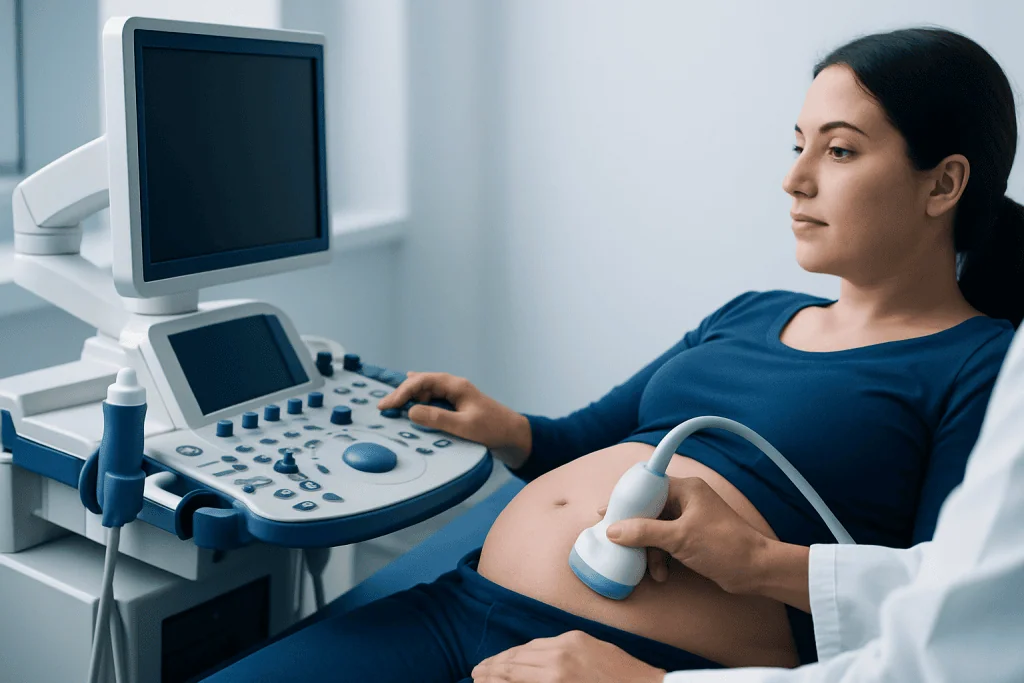
Vanishing twin syndrome is often found during routine prenatal imaging. A first ultrasound may show a twin pregnancy, but a later scan shows only one viable fetus. In some cases, there was never a scan early enough to confirm twins, so the loss may only be suspected because of bleeding, pain, or laboratory findings that do not match a typical single pregnancy.
Symptoms vary widely. Some people have no symptoms at all and only learn about it on ultrasound. Others may notice signs that can resemble a threatened miscarriage, especially in the first trimester.
- Light vaginal bleeding or spotting
- Mild pelvic or lower abdominal cramping
- Passing small amounts of tissue
- A sudden decrease in nausea, breast tenderness, or other pregnancy symptoms
- Occasionally, back pain or pelvic pressure
These symptoms are not specific to vanishing twin syndrome. They can also occur with implantation bleeding, subchorionic bleeding, miscarriage, or other early pregnancy conditions. Because symptoms overlap, an ultrasound and clinical evaluation are important to understand what is happening.
Causes and Risk Factors

In many cases, the lost twin had a major developmental problem that made continued growth impossible. Chromosomal abnormalities are believed to be a common reason. This means vanishing twin syndrome is usually not related to everyday activities such as walking, working, sexual activity, or mild exercise, unless a doctor has advised restrictions for another medical reason.
Some pregnancies are more likely to be affected simply because multiple pregnancies are more common in certain situations. Twin and higher-order pregnancies occur more often with increasing maternal age and with some fertility treatments. As early ultrasound has become more common, vanishing twin syndrome is also recognized more often than in the past.
Possible risk factors or related circumstances include:
- Pregnancies conceived with IVF treatment or other assisted reproductive techniques
- Maternal age over 30 years
- Natural twin or multiple pregnancy
- Placental or implantation problems in early pregnancy
- Less commonly, uterine abnormalities or other maternal health issues
Even when risk factors are present, there is usually no single action that clearly caused the loss. For that reason, medical teams generally focus on confirming the diagnosis, supporting emotional well-being, and monitoring the continuing pregnancy.
Diagnosis and What Doctors Monitor
Ultrasound is the main tool used to diagnose vanishing twin syndrome. A doctor may see two sacs or embryos on an early scan and one on a later scan, or one twin may appear much smaller and no longer show cardiac activity. The timing of the scan matters because very early pregnancy findings can change over days or weeks.
Doctors also review symptoms, medical history, and the course of the pregnancy. Blood tests such as hCG levels are not enough to confirm vanishing twin syndrome on their own, because hormone levels can vary in normal pregnancies and in twin pregnancies. When bleeding occurs, additional tests may be used to check blood type, anemia, or other causes of symptoms.
Monitoring depends on the stage of pregnancy and whether the remaining fetus appears healthy. Follow-up may include repeat ultrasounds to assess growth, heartbeat, amniotic fluid, and placental appearance. If the loss happened later in pregnancy, specialists may watch more carefully for signs of preterm labor, growth restriction, or rare clotting and placental complications.
In some cases, vanishing twin syndrome can affect prenatal screening results. Certain blood tests or cell-free DNA screening may be harder to interpret for a period of time because genetic material from the lost twin may remain detectable. This is one reason doctors may recommend discussing screening plans with a specialist in maternal-fetal medicine or genetics.
Treatment Options and Pregnancy Care
There is no treatment that can reverse vanishing twin syndrome once one fetus has stopped developing. Care is usually supportive and tailored to the needs of the pregnant person and the health of the remaining fetus. In early uncomplicated cases, treatment often means observation, rest as advised, and regular prenatal follow-up.
If there is bleeding or pain, doctors assess whether the symptoms fit a stable early loss or suggest another problem, such as ectopic pregnancy, infection, or a more extensive miscarriage. Management may include pelvic examination, ultrasound, and blood tests. If the surviving fetus is doing well, many pregnancies continue with standard prenatal care plus a few additional checks.
When the loss occurs later in pregnancy, management may become more specialized. A high-risk pregnancy team may evaluate the placenta, fetal growth, and circulation, especially in pregnancies where twins shared a placenta. Depending on the findings, this can involve more frequent ultrasounds and fetal surveillance. Some patients already under fertility care may continue follow-up with pregnancy follow-up and check-ups through their obstetric team.
Emotional support is also an important part of treatment. Some parents feel uncertain about whether their loss “counts” because the ongoing pregnancy continues. It does. Counseling, support groups, and sensitive conversations with the care team can help families process grief while preparing for the rest of the pregnancy. If there are concerns about the surviving fetus or the pregnancy is otherwise complex, referral to a perinatology specialist may be appropriate.
Outlook, Prevention, and Self-care
In most first-trimester cases, the outlook for the remaining fetus is good. Many pregnancies continue to term without major complications, especially when the surviving fetus has normal growth and heartbeat on follow-up scans. The outlook can be less predictable when the loss happens in the second or third trimester, or when the pregnancy involves shared placental circulation.
There is no reliable way to prevent vanishing twin syndrome because it is usually related to factors that arise very early in embryonic development. However, general prenatal care supports the healthiest possible pregnancy overall. This includes early obstetric assessment, taking prenatal vitamins with folic acid as advised, managing chronic conditions, avoiding tobacco and alcohol, and following medical guidance on medicines and supplements.
Self-care after the diagnosis is both physical and emotional. Many people can continue normal daily activity unless a doctor recommends otherwise. It may help to keep follow-up appointments, report new symptoms promptly, rest when needed, and seek support from trusted family members or a mental health professional if feelings of sadness or anxiety become hard to manage.
For international patients who need coordinated evaluation, Acibadem International’s multidisciplinary specialists and JCI-accredited hospitals diagnose and manage complex pregnancies, including situations that may overlap with high-risk pregnancy care.
When to Seek Medical Care
Any bleeding or significant cramping in pregnancy should be discussed with a qualified clinician. Although vanishing twin syndrome can be mild, similar symptoms can also occur with conditions that need urgent attention. A medical review can confirm whether the remaining fetus is well and whether any treatment or observation is needed.
Prompt medical advice is especially important if there is:
- Heavy bleeding or passing large clots
- Moderate to severe abdominal or pelvic pain
- Fever, chills, or foul-smelling discharge
- Dizziness, fainting, or shoulder pain
- Fluid leakage from the vagina
- Reduced fetal movement later in pregnancy
People who conceived through fertility treatment, have a history of pregnancy complications, or have been told they are carrying twins should keep all scheduled scans. If symptoms appear suddenly or feel severe, urgent evaluation is the safest step.
Frequently asked questions
Is vanishing twin syndrome the same as a miscarriage?
Vanishing twin syndrome is a type of pregnancy loss, but it refers specifically to the loss of one fetus in a twin or multiple pregnancy while the pregnancy may continue with the other fetus. A miscarriage often means the entire pregnancy ends. The experience can still be emotionally significant and deserves medical and emotional support.
Can vanishing twin syndrome happen without symptoms?
Yes. Many people have no noticeable symptoms and only learn about it during a routine ultrasound. Others may have light bleeding, spotting, or mild cramping, which is why imaging is important for diagnosis.
Does losing one twin harm the surviving baby?
When the loss happens early in the first trimester, the remaining fetus often develops normally. Risks may be higher if the loss occurs later in pregnancy or if the twins shared a placenta. Follow-up with an obstetrician helps clarify the outlook in each individual case.
Did stress, exercise, or sex cause vanishing twin syndrome?
In most cases, no. Vanishing twin syndrome is usually linked to early developmental or chromosomal problems in the lost twin rather than routine daily activities. People should still follow any pregnancy-specific restrictions given by their doctor.
Can vanishing twin syndrome affect prenatal genetic testing?
Yes, it can. Some screening tests, especially certain blood-based genetic screens, may be harder to interpret for a time because DNA from the lost twin can remain in the bloodstream. A doctor or genetic counselor can advise on the best testing plan.
Is treatment always needed?
Not always. Many early cases do not require a procedure or special medication and are managed with observation and routine prenatal care. Treatment is focused on monitoring the ongoing pregnancy and addressing symptoms or complications if they arise.
References
- American College of Obstetricians and Gynecologists
- Society for Maternal-Fetal Medicine
- National Health Service
- March of Dimes
- Cleveland Clinic
This article is for general information only and is not a substitute for professional medical advice. Please consult a qualified doctor about your individual situation.
Explore treatments in Turkey — costs, top hospitals & a free quote
JCI-accredited · board-certified surgeons · reply within 24h

More from the Health Library



Related Specialists

Dt. Selen Burçak Şimşek
Oral & Dental Health
Prof. Dr. Mehmet Ali Vardar
Gynecology & Obstetrics
Fzt. Cihan Seyyah
Physical Medicine and Rehabilitation
Dr. Yeşim Tasalı
Ophthalmology