

Heart Transplant: Candidacy, Procedure Steps, and Recovery Timeline

A heart transplant is considered for selected people with end-stage heart failure or certain severe heart diseases when standard treatments are no longer enough. Evaluation for transplant candidacy is detailed and includes heart testing, overall health assessment, and review of social and emotional support.
Key Takeaways
- A heart transplant is considered for selected people with end-stage heart failure or certain severe heart diseases when standard treatments are no longer enough.
- Evaluation for transplant candidacy is detailed and includes heart testing, overall health assessment, and review of social and emotional support.
- Recovery happens in stages: intensive monitoring right after surgery, rehabilitation in the following weeks, and lifelong follow-up with anti-rejection medicines.
- Benefits can include better survival, improved symptoms, and better quality of life, but risks include rejection, infection, and medication side effects.
- People with worsening heart failure symptoms, fainting, chest pain, or severe shortness of breath should seek urgent medical care.
A heart transplant is a surgery that replaces a severely diseased heart with a healthy donor heart when other treatments no longer control advanced heart failure. It involves careful candidacy review, a complex operation, and long-term follow-up with medicines that help prevent rejection.
Overview: What a Heart Transplant Is and How It Works
A heart transplant is an operation in which surgeons remove a person’s failing heart and replace it with a healthy donor heart. It is usually considered when a person has advanced heart failure or another serious heart condition that has not improved enough with medicines, procedures, devices, or other surgery. The goal is not simply to prolong life, but also to improve breathing, energy, exercise tolerance, and day-to-day functioning.
In most cases, the donor heart comes from a deceased donor whose heart is matched as closely as possible for blood type, body size, and urgency. Once transplanted, the new heart can pump blood more effectively than the diseased heart it replaces. However, because the body recognizes the donor organ as foreign, lifelong immune-suppressing medicines are needed to reduce the risk of rejection.
A heart transplant is not the first treatment used for heart disease. It is one option within the broader care of severe heart failure, usually after careful review by a transplant team. Many people first receive optimized medical therapy, implanted devices, or temporary mechanical support before transplant becomes appropriate.
Who May Be a Candidate for a Heart Transplant
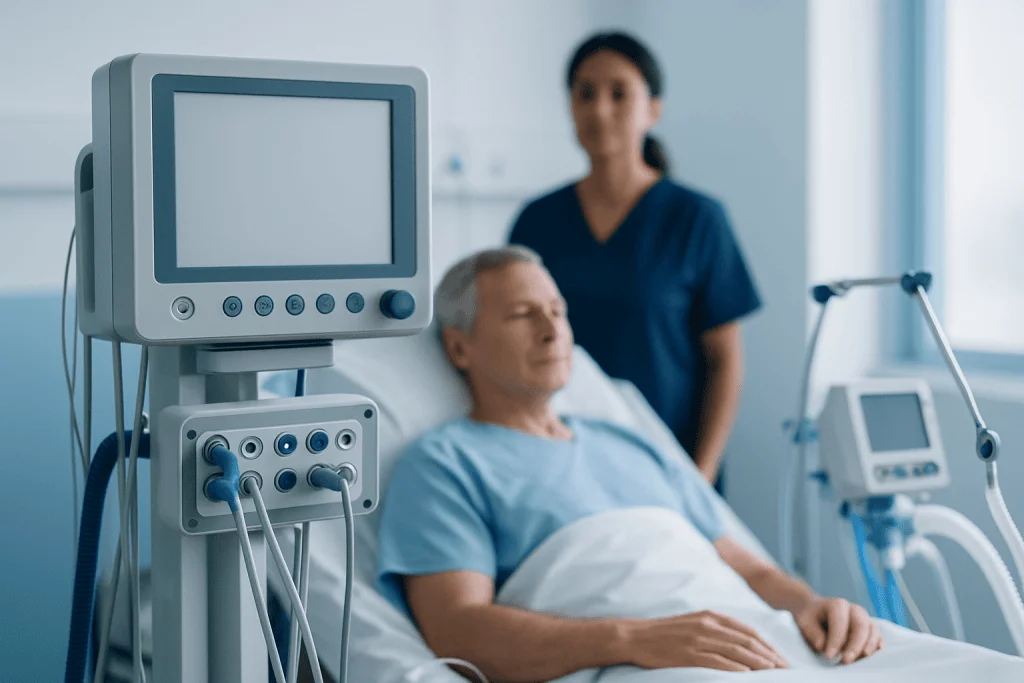
Heart transplant candidacy is based on more than the condition of the heart alone. Doctors consider whether the person has severe, usually irreversible heart disease and whether symptoms remain serious despite the best available treatment. Common reasons include end-stage heart failure from cardiomyopathy, severe coronary artery disease with extensive heart damage, certain congenital heart diseases, or life-threatening rhythm problems that cannot be controlled by other means.
To decide whether transplant is the best option, the transplant team also looks at the health of other organs, especially the lungs, kidneys, liver, and brain. The person’s age alone is not usually the deciding factor; overall fitness, frailty, nutrition, and ability to recover after surgery are often more important. Emotional readiness, understanding of the process, and reliable family or caregiver support also matter because transplant follow-up is intensive.
Some conditions may make a transplant less suitable or delay it until they are better controlled. These can include active infection, certain cancers, ongoing substance misuse, severe disease in other organs, or difficulty taking medicines consistently. In some cases, a ventricular assist device may be used as a bridge to transplant or as longer-term support; this may be discussed alongside heart failure treatment options during evaluation.
How Doctors Evaluate and Prepare a Patient
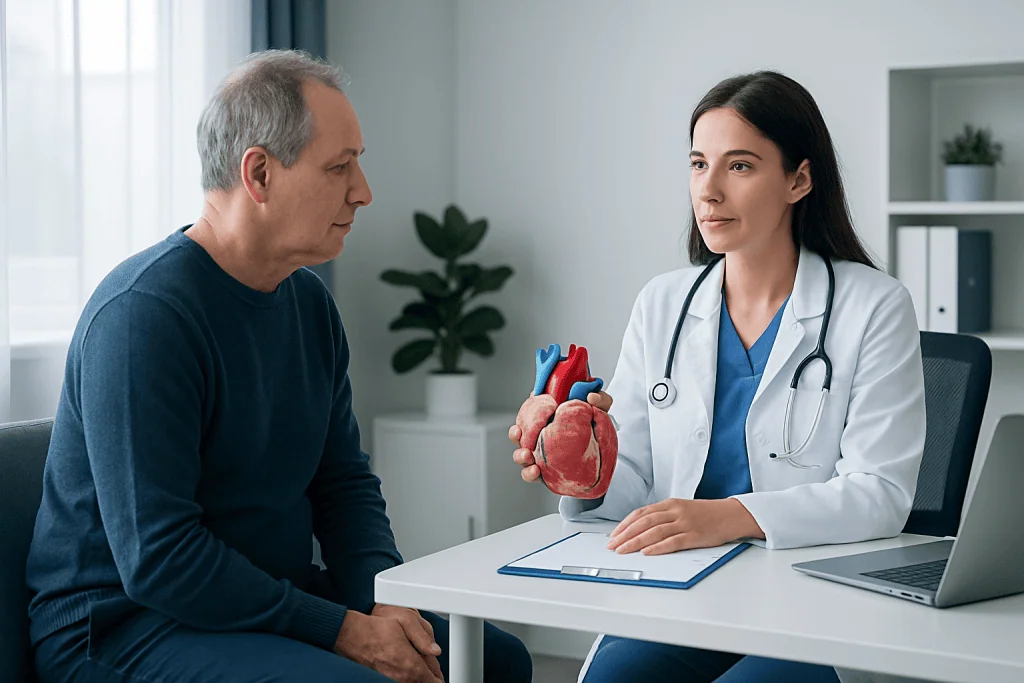
Before a patient can be placed on a transplant waiting list, a detailed evaluation is carried out. This commonly includes blood tests, heart imaging, electrocardiography, coronary assessment when needed, lung function tests, and checks for infection or other medical problems. Doctors may also assess kidney and liver function, review vaccination status, and screen for conditions that could increase the risk of complications after surgery.
Transplant evaluation also includes conversations with cardiologists, transplant surgeons, anesthesiologists, nurses, pharmacists, dietitians, psychologists, and social workers. These discussions help the team understand whether the patient can manage the complex medication schedule and long-term follow-up. Education is an important part of preparation, because patients and families need to recognize signs of infection, rejection, and medication side effects.
If a patient is accepted for transplant, they are placed on a waiting list according to medical urgency and matching criteria. While waiting, the transplant team aims to keep the person as stable as possible through medicines, close monitoring, and sometimes advanced therapies such as cardiac rehabilitation or circulatory support. The waiting period can vary, so maintaining communication with the transplant center is essential.
Heart Transplant Procedure: Step by Step
When a suitable donor heart becomes available, the patient is asked to come to the hospital quickly. Final checks are performed to make sure transplantation is still safe and appropriate. The operation is done under general anesthesia, and the surgical team prepares the chest and connects the patient to a heart-lung machine, which temporarily takes over circulation and oxygenation during part of the procedure.
The surgeon opens the chest, removes most of the diseased heart, and leaves parts of the upper chambers in place depending on the surgical technique being used. The donor heart is then sewn into position and connected to the major blood vessels. Once these connections are secure, blood flow is restored to the donor heart, which is supported as needed while it begins to function in the chest.
After the heart is working adequately, the heart-lung machine is disconnected. Temporary wires and drainage tubes are usually placed, and the chest is closed. The patient is then transferred to intensive care for close monitoring. In selected situations, the transplant team may use imaging and other tests after surgery to check heart function and look for early complications. Depending on the person’s prior heart disease, related issues such as coronary artery disease may still be relevant to long-term care planning.
Recovery Timeline After Heart Transplant
Recovery after heart transplant happens in phases rather than all at once. In the first days after surgery, patients stay in the intensive care unit, where the team monitors blood pressure, oxygen levels, kidney function, bleeding, and the new heart’s performance. Breathing support is usually temporary, and patients begin gentle movement as soon as it is safe. Medicines to prevent rejection start early and are adjusted carefully.
Over the next one to three weeks, patients typically move from intensive care to a regular hospital ward as their condition stabilizes. During this stage, the focus shifts to wound healing, walking, nutrition, breathing exercises, and learning the medication routine. Doctors may perform blood tests, echocardiography, and heart biopsy or other monitoring methods to look for signs of rejection, even if the patient feels well.
In the first few months after discharge, follow-up visits are frequent. Energy and activity often improve gradually, but recovery speed varies from person to person depending on age, strength before surgery, and other medical conditions. Many patients benefit from structured cardiovascular rehabilitation to rebuild stamina safely. Long term, people usually return to many usual activities, but they need lifelong medications, infection precautions, and regular specialist follow-up.
Benefits, Risks, and Long-Term Outlook
For carefully selected patients, a heart transplant can offer important benefits. These may include relief of severe shortness of breath, reduced fatigue, better exercise capacity, and improved quality of life. In many cases, transplant also improves survival compared with untreated end-stage heart failure. Some people are able to return to work, travel, and other meaningful daily activities after recovery.
At the same time, heart transplant remains major surgery with significant risks. Early risks include bleeding, blood clots, stroke, kidney problems, rhythm disturbances, and complications related to anesthesia or infection. A major long-term concern is rejection, in which the immune system attacks the donor heart. Rejection may cause symptoms, but it can also develop silently, which is why routine testing is so important.
Long-term medicines that suppress the immune system are essential, but they can have side effects such as increased infection risk, high blood pressure, diabetes, kidney strain, bone thinning, or changes in cholesterol. Over time, some patients may also develop a special form of coronary artery disease affecting the transplanted heart. With careful follow-up and adherence to treatment, many complications can be detected early and managed promptly.
Self-Care, Lifestyle, and Preventing Complications
After a heart transplant, self-care becomes a central part of long-term health. Patients are usually advised to take medicines exactly as prescribed, never stop them without medical advice, and keep an updated medication list. Good hand hygiene, food safety, and avoiding close contact with people who have contagious illnesses can help reduce infection risk, especially during the early months after transplant.
Heart-healthy habits still matter after the operation. Doctors often recommend a balanced diet, regular physical activity guided by the care team, avoiding tobacco, limiting alcohol if advised, and maintaining a healthy body weight. Monitoring blood pressure, blood sugar, and cholesterol may also be part of routine care because immune-suppressing medicines can affect these values.
Patients should attend all scheduled follow-up appointments, even when they feel well. These visits help detect rejection, medication effects, and vascular changes before they cause major symptoms. Near the end of the care journey, some international patients may seek coordinated transplant evaluation and follow-up support; Acibadem International’s multidisciplinary specialists and JCI-accredited hospitals diagnose and treat complex cardiac conditions for international patients.
When to Seek Medical Care
A person waiting for a heart transplant should seek urgent medical care for worsening shortness of breath, chest pain, fainting, severe swelling, confusion, new bluish skin color, or a sudden drop in exercise tolerance. These symptoms may signal worsening heart failure, low blood flow, or another serious complication that needs prompt attention.
After transplant, patients should contact their transplant team promptly if they develop fever, chills, cough, vomiting, diarrhea, reduced urine output, sudden weight gain, swelling, unusual fatigue, rapid heartbeat, or pain around the surgical wound. Any sign of infection or possible rejection should be assessed without delay, because early treatment can be very important.
Emergency care is also important for symptoms such as severe chest pain, trouble breathing at rest, fainting, stroke-like symptoms, or heavy bleeding. A transplant center can best advise the patient on which symptoms require same-day review and which need emergency services immediately.
Frequently asked questions
What is a heart transplant used for?
A heart transplant is used for people with severe heart disease when the heart can no longer pump effectively despite the best available treatment. It is most often considered in advanced heart failure or certain complex heart conditions that seriously limit survival or quality of life.
How long does it take to recover from a heart transplant?
Initial hospital recovery usually takes days to a few weeks, depending on the patient’s condition and whether complications occur. Full recovery takes longer, often several months, with gradual improvement in strength, activity, and adjustment to lifelong medicines and follow-up.
Can the body reject a transplanted heart?
Yes. Rejection can happen because the immune system recognizes the donor heart as foreign. This is why patients need lifelong anti-rejection medicines and regular monitoring, including tests that may detect rejection before symptoms appear.
What are the main risks after heart transplant surgery?
The main risks include infection, rejection, bleeding, blood clots, kidney problems, and side effects from immune-suppressing medicines. Long-term concerns can also include high blood pressure, diabetes, and disease affecting the blood vessels of the transplanted heart.
Who is not always eligible for a heart transplant?
Not everyone with heart failure is a suitable candidate. Active infection, serious uncontrolled disease in other organs, certain cancers, substance misuse, or inability to follow the treatment plan may prevent or delay transplant until the situation changes.
Can a person live a normal life after a heart transplant?
Many people are able to return to many daily activities and enjoy a better quality of life after recovery. However, life after transplant still involves regular checkups, careful medication use, and healthy habits to protect the new heart and reduce complications.
References
- American Heart Association
- National Heart, Lung, and Blood Institute
- International Society for Heart and Lung Transplantation
- Centers for Disease Control and Prevention
- Mayo Clinic
This article is for general information only and is not a substitute for professional medical advice. Please consult a qualified doctor about your individual situation.
Heart care in Turkey — expert evaluation and treatment
JCI-accredited · board-certified surgeons · reply within 24h

More from the Health Library


Related Specialists

Dr. Şule Albayrak
Dermatology
Assoc. Prof. Dr. Bahadır Topuz
Urology
Assoc. Prof. Dr. Abdülhak Hamit Karayağız
General Surgery
Dt. Hakan Karagözoğlu
Oral Dental & Maxillofacial Surgery