Baby Panda: What Patients Need to Know

Baby panda is not a recognized medical condition by itself. The term usually refers to a panda cub, but it can also be used informally to describe appearance, behavior, or social media trends.
Key Takeaways
- Baby panda is not a recognized medical condition by itself.
- The term usually refers to a panda cub, but it can also be used informally to describe appearance, behavior, or social media trends.
- If the phrase is linked to symptoms such as unusual sleepiness, eye changes, fever, breathing difficulty, or poor feeding, a doctor should assess the person rather than the label.
- Good medical care focuses on the actual symptom, age, and overall health history.
- Parents and patients should avoid self-diagnosing based on nicknames or internet phrases alone.
Baby panda most often means a giant panda cub, not a medical diagnosis. In healthcare conversations, however, the phrase may come up as a nickname, a visual description, or a search term linked to a symptom, so understanding the context helps patients know when simple reassurance is enough and when medical advice is needed.
Overview: What does baby panda mean?
Baby panda usually means a young giant panda. It is a common everyday phrase, and for most people it has no medical meaning at all. However, people sometimes type unusual phrases into search engines when they are trying to describe a symptom, a physical appearance, or a behavior they do not know the medical name for.
In patient education, it is helpful to clarify that “baby panda” is not an official disease, syndrome, or diagnosis. A doctor would not diagnose someone with “baby panda.” Instead, a clinician would ask what the person means by the term. For example, are they referring to dark circles around the eyes, excessive sleepiness, a newborn’s appearance, a viral video, or a concern about growth and development?
This distinction matters because health decisions should be based on symptoms, examination findings, and medical history rather than on informal labels. If someone is using “baby panda” to describe a real health concern, the safest next step is to identify the symptom clearly and seek appropriate medical advice when needed.
Why people search for the term in health-related situations
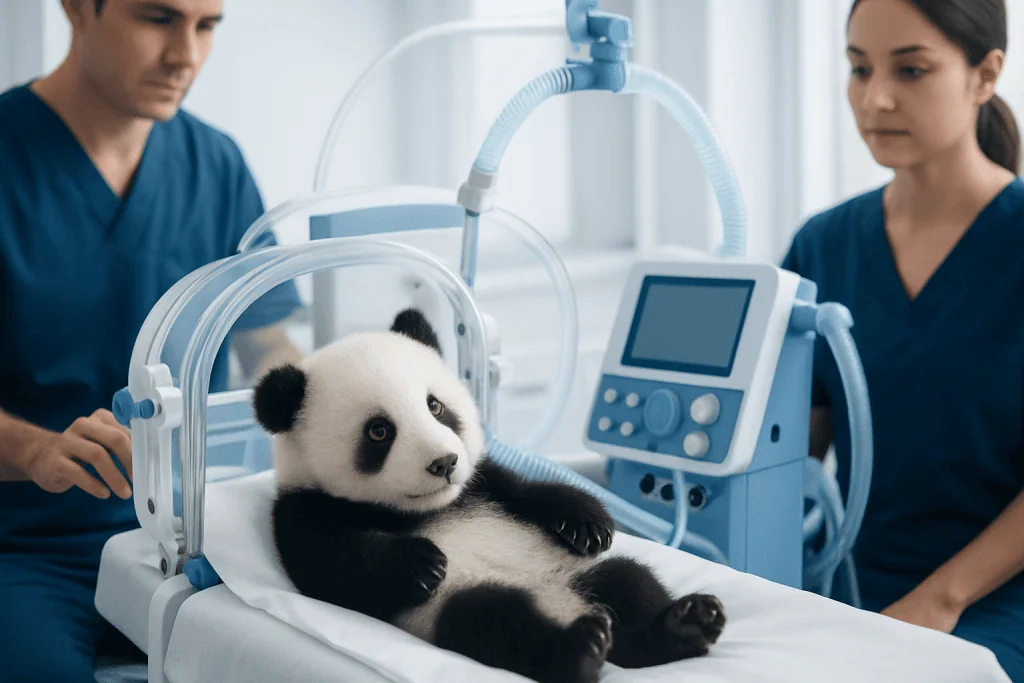
People often search broad or unclear terms when they are worried but do not know the right medical language. A parent might search “baby panda” because a newborn seems unusually sleepy or because dark markings around the eyes look different from what they expected. Another person might use the phrase after seeing it on social media, in parenting forums, or in translated content where the original meaning was unclear.
Search behavior is also shaped by images and comparisons. Many nonmedical terms are used to describe facial features, skin color, eye swelling, or infant behavior. What matters clinically is not the nickname itself, but whether there are symptoms such as fever, breathing trouble, poor feeding, vomiting, weakness, rash, or changes in alertness.
For this reason, doctors generally move from the informal phrase to the real concern. They may ask:
- Who has the symptom: a newborn, child, or adult?
- What exactly is being noticed: eye changes, sleepiness, skin color, movement, or behavior?
- How long has it been present?
- Are there any warning signs such as pain, dehydration, or breathing difficulty?
Possible symptom meanings behind the phrase
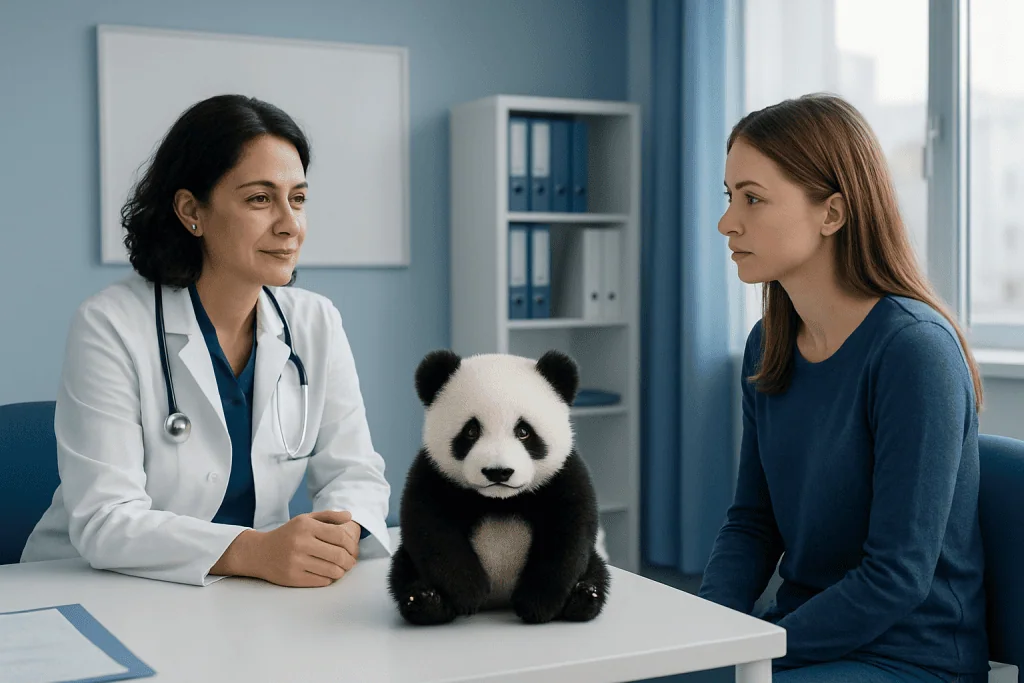
When people use a term like “baby panda” in a medical context, they are often trying to describe one of several broad issues. One possibility is dark circles or discoloration around the eyes. These can be related to tiredness, allergies, nasal congestion, skin pigmentation, or, less commonly, injury or another medical problem. If the change is sudden, one-sided, painful, or associated with swelling, it deserves medical review.
Another possible meaning is unusual sleepiness or low activity, especially in a baby or young child. Infants do sleep a great deal, but excessive drowsiness that makes feeding difficult, reduces responsiveness, or appears with fever or breathing changes can be a sign of illness. In children, fatigue may sometimes relate to infection, anemia, poor sleep, dehydration, or other underlying concerns.
Some families may use the phrase for a cuddly, rounded appearance in a newborn or infant. In many cases, this is simply descriptive and harmless. Still, babies should be assessed if there are concerns about growth, poor weight gain, jaundice, feeding difficulty, or delayed development. When the concern is about the eyes, skin, or face, a pediatrician may recommend evaluation and, if needed, referral for eye conditions or skin-related assessment.
Less often, a search for “baby panda” may be completely unrelated to symptoms and reflect curiosity about animal care, developmental milestones in wildlife, or media content. If there are no human health concerns, no medical action is required.
How doctors evaluate the real concern
Because “baby panda” is not a diagnosis, assessment begins with a careful history. The doctor or pediatrician will ask what was noticed, when it started, whether it is getting worse, and whether there are related symptoms. In children and infants, feeding, sleep pattern, urine output, temperature, and behavior are especially important. In adults, fatigue, allergy symptoms, trauma, skin changes, and medication use may also matter.
The physical examination depends on the complaint. If the issue is around the eyes, a doctor may look for swelling, redness, bruising, allergic signs, vision changes, or eyelid abnormalities. If the concern is excessive sleepiness, the exam may include hydration status, breathing, heart rate, temperature, and neurological responsiveness. Laboratory tests or imaging are only used when the symptoms suggest a specific underlying problem.
For example, dark circles with sneezing and chronic congestion may point toward allergic rhinitis, while pallor and low energy may prompt evaluation for anemia. If the person has eye pain, visual changes, or persistent swelling, more detailed eye examination may be advised. The goal is to identify the actual cause rather than treating the informal label.
Treatment depends on the underlying cause
There is no treatment for “baby panda” itself because it is not a disease. Care depends entirely on what the phrase is referring to. If dark under-eye circles are linked to poor sleep, allergies, or nasal congestion, treatment may focus on improving sleep habits, managing allergens, and addressing upper airway symptoms. If a baby is excessively sleepy because of dehydration or infection, prompt medical treatment is needed for that specific problem.
Eye-related concerns may require simple observation, allergy treatment, skin care advice, or specialist follow-up. If swelling, redness, discharge, or visual symptoms are present, a doctor may recommend further evaluation and targeted management. Nasal blockage and recurring sinus symptoms can sometimes contribute to under-eye discoloration, and if those symptoms are ongoing, a clinician may assess for sinusitis or other ear, nose, and throat conditions.
When the issue involves fatigue, poor feeding, weak growth, or repeated illness, treatment may include nutritional guidance, blood tests, infection management, or referral to a pediatric specialist. Some children may benefit from broader assessment if sleep-disordered breathing, recurrent infections, or developmental concerns are suspected. In selected cases, doctors may also suggest pediatric check-up or a more complete general check-up to clarify the cause.
Prevention and self-care
Self-care starts with observing the person clearly and describing what is actually happening. Instead of using an informal phrase, it helps to note specific details such as dark circles, puffiness, poor feeding, sleepiness, fever, rash, or eye discharge. This makes communication with a doctor more precise and supports faster, safer care.
General healthy habits may reduce some common issues behind these symptoms. These include regular sleep, good hydration, balanced nutrition, allergy control where appropriate, and keeping routine child health visits up to date. For infants, caregivers should follow safe feeding guidance, monitor wet diapers, and watch for changes in alertness or comfort.
People should avoid applying unproven remedies around the eyes, especially in babies and young children. Creams, herbal products, and home treatments may irritate delicate skin or delay proper diagnosis. If an eye or facial change persists, worsens, or appears together with pain or fever, professional advice is a better choice than repeated home experiments.
When to seek medical care
Medical attention is important if “baby panda” is being used to describe symptoms rather than a harmless nickname. Urgent assessment is recommended for breathing difficulty, poor responsiveness, seizures, dehydration, blue lips, severe swelling, or a baby who cannot feed normally. Eye pain, sudden vision changes, significant facial injury, or swelling around one eye also need prompt evaluation.
Non-urgent but timely medical review is sensible if dark circles, puffiness, fatigue, poor growth, or unusual sleepiness continue for more than a short period or keep returning. A child should also be assessed if there are repeated infections, snoring, mouth breathing, persistent nasal blockage, or concerns about development.
For international patients who need coordinated assessment, Acibadem International’s multidisciplinary specialists and JCI-accredited hospitals evaluate symptoms based on the underlying cause rather than informal search terms. The most appropriate department may include pediatrics, ophthalmology, ENT, or general medicine depending on the person’s age and symptoms.
Frequently asked questions
Is baby panda a real medical diagnosis?
No. Baby panda is not a recognized medical diagnosis or disease name. It is usually an informal phrase, so a doctor will focus on the actual symptom or concern behind the term.
Why would someone use the phrase baby panda when talking about health?
People sometimes use everyday nicknames when they do not know the medical term for what they see. They may be describing dark circles around the eyes, swelling, sleepiness, or a baby’s appearance rather than a specific illness.
Should parents worry if a baby seems very sleepy?
Babies normally sleep a lot, but unusual sleepiness can be important if the baby is hard to wake, feeds poorly, has a fever, or seems less responsive than usual. In those situations, a medical assessment is recommended.
What can dark circles around the eyes mean?
Dark circles may be related to tiredness, allergies, nasal congestion, skin pigmentation, or other common causes. If they appear suddenly, come with swelling or pain, or affect one side more than the other, a doctor should evaluate them.
Can I treat eye-area changes at home?
Mild symptoms may improve with rest, hydration, and addressing common triggers such as allergies, but the eye area is sensitive. Home remedies should be used cautiously, especially in babies and children, and persistent or painful changes need medical advice.
When is the term baby panda not a health issue at all?
Very often, it simply refers to a giant panda cub or a playful nickname. If there are no symptoms, no discomfort, and no change in health, there is usually no medical concern.
References
- American Academy of Pediatrics
- Centers for Disease Control and Prevention
- National Health Service
- Mayo Clinic
- World Health Organization
This article is for general information only and is not a substitute for professional medical advice. Please consult a qualified doctor about your individual situation.
Explore treatments in Turkey — costs, top hospitals & a free quote
JCI-accredited · board-certified surgeons · reply within 24h