Tiroides: What Patients Need to Know

The tiroides, or thyroid gland, helps regulate metabolism, energy use, body temperature, and heart rate. Common thyroid problems include hypothyroidism, hyperthyroidism, thyroid nodules, thyroiditis, and goiter.
Key Takeaways
- The tiroides, or thyroid gland, helps regulate metabolism, energy use, body temperature, and heart rate.
- Common thyroid problems include hypothyroidism, hyperthyroidism, thyroid nodules, thyroiditis, and goiter.
- Symptoms vary widely and may develop gradually, so blood tests and imaging are often needed for diagnosis.
- Treatment depends on the specific condition and may include monitoring, medication, radioactive iodine, or surgery.
- A medical review is important for neck swelling, unexplained weight changes, palpitations, persistent fatigue, or swallowing difficulty.
Tiroides is the Spanish term often used to refer to the thyroid gland and common thyroid conditions. These disorders are usually manageable when recognized early, evaluated properly, and treated according to the underlying cause.
Overview: what tiroides means and why it matters
Tiroides usually refers to the thyroid gland, a small butterfly-shaped gland at the front of the neck. Although it is small, it has an important role in controlling how the body uses energy. Thyroid hormones influence heart rate, temperature regulation, digestion, mood, menstrual patterns, and how quickly the body burns calories.
When the tiroides makes too little hormone, body processes may slow down. When it makes too much, they may speed up. Some people also develop inflammation, enlargement of the gland, or growths called nodules. Because these changes can affect many systems at once, thyroid disorders may be mistaken for stress, aging, menopause, or general fatigue.
Most thyroid conditions can be diagnosed with a careful medical history, physical examination, and simple blood tests. Treatment is based on the exact problem rather than on symptoms alone. A precise diagnosis matters because the best approach for an underactive thyroid is different from the treatment for an overactive thyroid, thyroiditis, or nodules.
How the thyroid works in the body
The thyroid produces the hormones thyroxine, also called T4, and triiodothyronine, also called T3. These hormones help regulate metabolism, which is the way the body converts food into energy. The gland is controlled by thyroid-stimulating hormone, or TSH, which is released by the pituitary gland in the brain.
This system works through a feedback loop. If thyroid hormone levels fall, the pituitary usually releases more TSH to signal the gland to work harder. If hormone levels rise, TSH usually drops. Because of this relationship, TSH is often one of the first tests used when evaluating tiroides-related symptoms.
The thyroid also needs iodine to make its hormones. In many regions, iodine intake is adequate because of iodized salt and a varied diet. Even so, thyroid disease can still happen for many other reasons, including autoimmune conditions, inflammation, nodules, inherited tendencies, pregnancy-related changes, and some medicines.
Common thyroid conditions and their symptoms
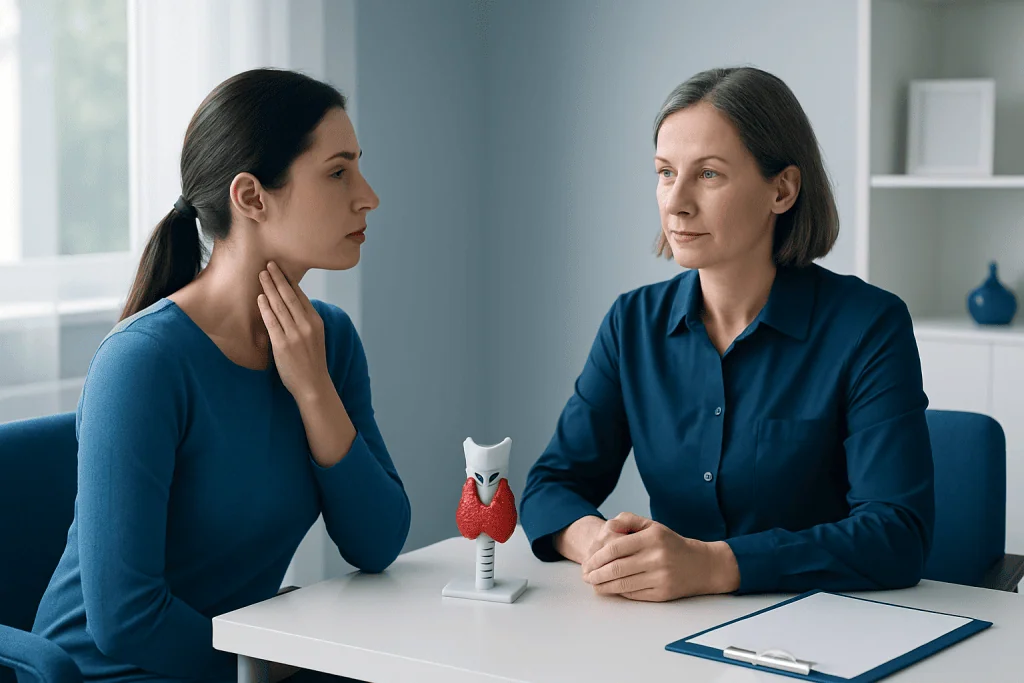
The most common tiroides disorders include hypothyroidism, hyperthyroidism, thyroid nodules, goiter, and thyroiditis. Hypothyroidism means the gland is underactive. It may cause tiredness, feeling cold, dry skin, constipation, slowed thinking, depression, heavier periods, and weight gain. Symptoms often appear gradually, so some people do not notice the change at first.
Hyperthyroidism means the gland is overactive. It may lead to palpitations, anxiety, heat intolerance, sweating, tremor, frequent bowel movements, sleep problems, muscle weakness, and unintentional weight loss. Some people also notice changes in their eyes, especially in autoimmune thyroid disease such as Graves’ disease.
Thyroid nodules are lumps within the gland. Many cause no symptoms and are found during a routine examination or imaging for another reason. Larger nodules or an enlarged thyroid, called a goiter, may cause visible neck swelling, a feeling of pressure, hoarseness, cough, or trouble swallowing. Most nodules are benign, but some need further testing to rule out thyroid cancer.
Thyroiditis refers to inflammation of the gland. It can temporarily cause pain, tenderness, or fluctuations in hormone levels. In some forms, the thyroid first releases extra hormone and later becomes underactive for a period of time. The pattern can be confusing, which is one reason proper testing is important.
Causes and risk factors
Autoimmune disease is one of the leading causes of thyroid problems. In Hashimoto’s thyroiditis, the immune system gradually damages the gland and often causes hypothyroidism. In Graves’ disease, immune signals overstimulate the gland and cause hyperthyroidism. A family history of thyroid disease can increase the likelihood of these conditions.
Other causes include thyroid inflammation after a viral illness, pregnancy or the postpartum period, iodine imbalance, certain medications, previous radiation to the head or neck, and benign or malignant nodules. Age and sex also matter. Thyroid disorders are more common in women, though they can affect anyone, including men and children.
Risk can also be higher in people with other autoimmune diseases, such as type 1 diabetes or celiac disease. People who have had thyroid surgery, neck radiation, or treatment for an overactive thyroid may later develop low thyroid function. For some individuals, several factors are present at the same time.
Having a risk factor does not mean a person will definitely develop a thyroid problem. It simply means symptoms or routine test changes may deserve closer attention. A doctor can decide whether monitoring is enough or whether more specific evaluation is needed.
How doctors diagnose tiroides problems
Diagnosis begins with symptoms, medical history, and a neck examination. A doctor may ask about energy level, bowel habits, menstrual changes, weight changes, sleep, mood, family history, recent pregnancy, and any medicines or supplements being taken. During the examination, the thyroid may be checked for enlargement, tenderness, or nodules.
Blood tests are central to diagnosis. TSH is commonly measured first, and free T4 is often added to understand thyroid function more clearly. Depending on the situation, doctors may also request free T3, thyroid antibodies, or other tests to clarify whether the problem is autoimmune, temporary, or persistent.
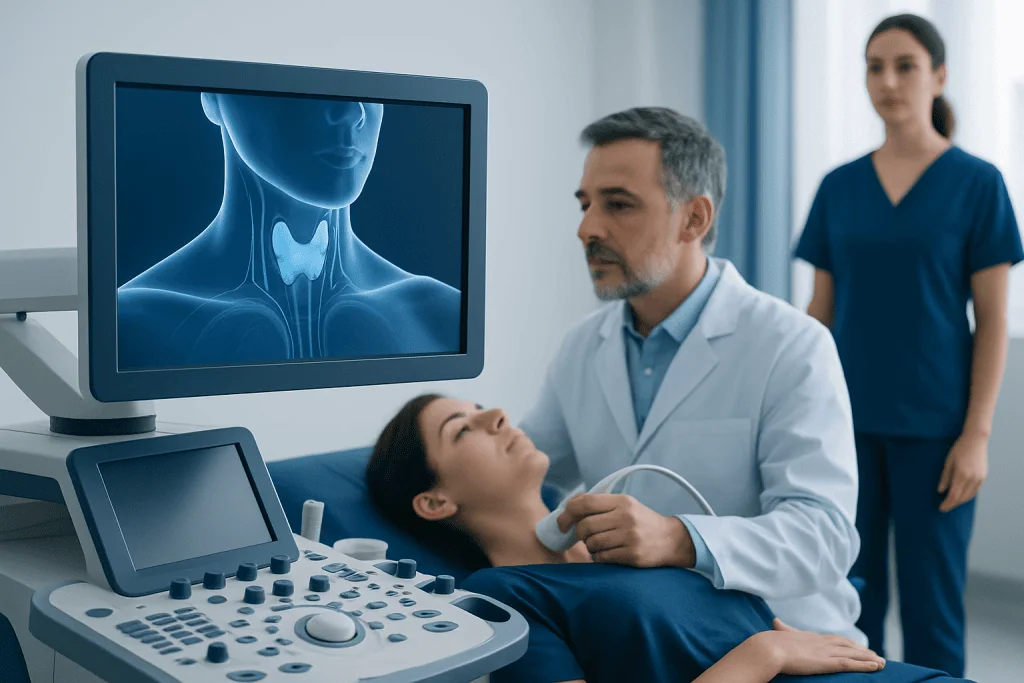
If a lump or swelling is present, imaging may be recommended. A thyroid ultrasound can show the size of the gland and the features of any nodules. In selected cases, a radioactive iodine uptake scan or other nuclear medicine study helps determine whether a gland is overactive and why. If a nodule has suspicious features, a doctor may advise a thyroid biopsy using a fine needle to collect cells for examination.
These tests help distinguish among underactive thyroid, overactive thyroid, inflammation, benign enlargement, and cancer risk. Reaching the correct diagnosis helps avoid unnecessary treatment and allows care to be tailored to the specific condition.
Treatment options for thyroid disorders
Treatment for tiroides conditions depends on the diagnosis, symptom severity, age, general health, and whether a patient is pregnant or planning pregnancy. Hypothyroidism is usually treated with thyroid hormone replacement to restore normal levels. Monitoring blood tests over time helps the doctor adjust treatment so the dose matches the body’s needs.
Hyperthyroidism can be treated in several ways. Options may include medicines that reduce thyroid hormone production, medicines to help control symptoms such as fast heart rate, radioactive iodine, or surgery. The best choice depends on the cause of the overactivity, the size of the gland, any eye involvement, and the patient’s overall circumstances.
Thyroid nodules may only need observation if they are small and have reassuring features. Others may require repeat imaging, biopsy, or removal if they are suspicious, large, or causing pressure symptoms. When surgery is recommended, this may involve part or all of the gland through thyroid surgery. In people with confirmed cancer, management is guided by the specific type and stage of the disease, sometimes within a broader plan for thyroid cancer.
Most patients do well with consistent follow-up and individualized care. Near the end of the care pathway, or when diagnosis is complex, multidisciplinary input can be helpful. Acibadem International’s multidisciplinary specialists and JCI-accredited hospitals evaluate and treat thyroid conditions for international patients when advanced assessment or coordinated care is needed.
Prevention, self-care, and living well with thyroid disease
Not all thyroid conditions can be prevented, especially those related to the immune system. Even so, regular medical follow-up can prevent complications and help symptoms improve sooner. People who already have a diagnosis often benefit from taking medicine exactly as prescribed and attending scheduled blood test checks.
Balanced nutrition supports overall health, but thyroid disease should not be self-treated with supplements or online remedies. Excess iodine can worsen some thyroid conditions, and some supplements may interfere with testing or treatment. It is sensible to tell a doctor about vitamins, herbal products, and any over-the-counter medicines being used.
Daily self-care can make treatment easier to manage. Helpful steps may include keeping a consistent medication routine, asking when tablets should be taken in relation to food or other medicines, and reporting new symptoms rather than changing treatment without medical advice.
- Keep follow-up appointments for blood tests and neck examinations.
- Ask about pregnancy planning if thyroid disease is present or suspected.
- Seek review if symptoms return despite treatment.
- Do not ignore a new neck lump, voice change, or swallowing difficulty.
When to seek medical care
A person should seek medical advice if they notice persistent fatigue, unexplained weight gain or weight loss, ongoing constipation, heat or cold intolerance, palpitations, tremor, mood changes, or swelling at the front of the neck. These symptoms do not always mean a thyroid disorder is present, but they are good reasons for an evaluation.
Prompt medical assessment is especially important if there is a rapidly enlarging neck mass, difficulty breathing, trouble swallowing, a new hoarse voice that does not improve, or a very fast or irregular heartbeat. Pregnant people and those planning pregnancy should also ask about thyroid testing if they have symptoms, a history of thyroid disease, or a strong family history.
Because symptoms can overlap with many other conditions, diagnosis should not rely on symptoms alone. A qualified doctor can decide which tests are appropriate and whether monitoring, medication, or specialist care is needed.
Frequently asked questions
What does tiroides mean?
Tiroides is a commonly used term for the thyroid gland or thyroid-related conditions. The thyroid is a hormone-producing gland in the neck that helps regulate metabolism, energy use, body temperature, and heart rate.
What are the first signs of a thyroid problem?
Early signs depend on whether the thyroid is underactive or overactive. Common clues include fatigue, weight changes, constipation, heat or cold intolerance, palpitations, anxiety, dry skin, or a swelling in the neck. Because these symptoms are nonspecific, blood tests are often needed.
Are thyroid nodules usually cancerous?
Most thyroid nodules are benign, meaning they are not cancer. However, some nodules need ultrasound assessment and sometimes a needle biopsy to check for suspicious features. A doctor can advise which nodules only need monitoring and which need further evaluation.
Can thyroid disease be cured?
Some thyroid conditions are temporary, while others require long-term management. Many people with thyroid disease live well with treatment, especially when the diagnosis is clear and follow-up is consistent. The outlook depends on the specific disorder and its cause.
Can stress cause thyroid disease?
Stress alone is not considered a direct cause of most thyroid disorders. However, stress can make symptoms feel worse or overlap with thyroid symptoms, which may delay recognition. A medical evaluation is the best way to separate stress-related symptoms from hormone-related conditions.
When should someone see a doctor about tiroides symptoms?
A doctor should be consulted for ongoing fatigue, unexplained weight change, heart palpitations, neck swelling, trouble swallowing, or a persistent voice change. Medical advice is also important during pregnancy or when there is a personal or family history of thyroid disease.
References
- American Thyroid Association
- National Institute of Diabetes and Digestive and Kidney Diseases
- Mayo Clinic
- Cleveland Clinic
- World Health Organization
This article is for general information only and is not a substitute for professional medical advice. Please consult a qualified doctor about your individual situation.
Medical weight-loss options in Turkey — costs & eligibility
JCI-accredited · board-certified surgeons · reply within 24h
Check your numbers in seconds
BMI, calories, due date, blood pressure and 30+ more clinical calculators — free, instant, doctor-reviewed ranges.