Cloudy Vision: A Complete Medical Overview

Cloudy vision can feel like looking through fog, a film, or dirty glass. Common causes include dry eyes, cataracts, corneal problems, eye inflammation, and retinal disease.
Key Takeaways
- Cloudy vision can feel like looking through fog, a film, or dirty glass.
- Common causes include dry eyes, cataracts, corneal problems, eye inflammation, and retinal disease.
- Sudden cloudy vision, especially with pain, flashes, floaters, or weakness, needs urgent medical care.
- Diagnosis usually involves an eye exam, vision testing, and sometimes imaging of the eye.
- Treatment depends on the cause and may include lubricating drops, medicines, laser care, or surgery.
Cloudy vision means sight appears hazy, filmy, dim, or less clear than usual. It is a symptom rather than a diagnosis, and it can result from minor surface irritation or more serious eye conditions that need prompt medical evaluation.
Overview: What Cloudy Vision Means
Cloudy vision is a common term people use when eyesight no longer looks crisp or clear. Instead of true sharp focus, objects may seem foggy, milky, dim, or as though a thin film is covering the eye. Some people notice it in one eye only, while others feel that both eyes are affected.
This symptom is not a disease by itself. Rather, it is a sign that something is affecting the way light passes through the eye or how the brain processes visual signals. The cause may be relatively simple, such as dryness on the eye surface, or it may involve the lens, cornea, retina, optic nerve, or blood vessels.
Cloudy vision is different from a brief episode of tired eyes after reading or screen use, although strain can make vision seem less clear. It may also be different from classic “blurry vision,” since some people describe cloudiness more as a haze, glare, or dullness than an out-of-focus image. Because the symptom can have many causes, persistent or sudden changes should be evaluated by a qualified eye doctor.
How Cloudy Vision Can Feel
People describe cloudy vision in different ways. One person may say that colors look faded or that lights have halos. Another may feel as though they are seeing through steam, smoke, or smeared glass. The exact sensation often offers clues about the underlying problem.
Associated symptoms are also important. Cloudy vision may happen together with eye redness, dryness, itching, discharge, pain, light sensitivity, double vision, floaters, flashes of light, headaches, or trouble seeing at night. Some causes develop slowly over months, while others appear suddenly over minutes or hours.
A healthcare professional may ask whether the cloudiness is constant or intermittent, whether it affects near or distance vision, and whether it improves with blinking or artificial tears. They may also ask about recent illness, eye injury, contact lens wear, diabetes, high blood pressure, and current medications.
- Foggy or hazy sight
- Dim or dull vision
- Halos around lights
- Increased glare, especially at night
- A film-like sensation over the eye
- Reduced color brightness or contrast
Common Causes and Risk Factors

Cloudy vision can begin at the front of the eye or deeper inside it. Surface causes include dry eye, allergies, corneal irritation, or contact lens problems. These may temporarily disturb the smooth tear film that helps create clear vision. Infections or inflammation of the cornea can also cause cloudiness, often with pain, tearing, or light sensitivity.
Inside the eye, one of the most common causes is cataract, a gradual clouding of the natural lens. Cataracts often lead to increasing glare, faded colors, and trouble with night driving. A related eye condition, cataract, becomes more common with aging but may also occur after injury, steroid use, or certain medical conditions.
Other important causes include glaucoma, uveitis, bleeding inside the eye, retinal problems, and complications of diabetes. Diabetes can affect the tiny blood vessels in the retina and cause fluctuating or worsening vision, such as diabetic retinopathy. Rarely, cloudy vision may be linked to neurologic issues such as migraine aura or optic nerve disease.
Risk factors depend on the cause but often include older age, diabetes, autoimmune disease, smoking, long-term sun exposure, contact lens misuse, eye trauma, steroid medicines, and a personal history of eye disease. Recent eye surgery or infection can also raise the likelihood of cloudy vision and should never be ignored.
How Doctors Diagnose Cloudy Vision
Diagnosis starts with a careful medical history and eye examination. The doctor will ask when the symptom began, whether it is getting worse, and whether there are warning signs such as pain, flashes, floaters, or vision loss in part of the visual field. Even simple details, such as whether blinking briefly clears the haze, can be useful.
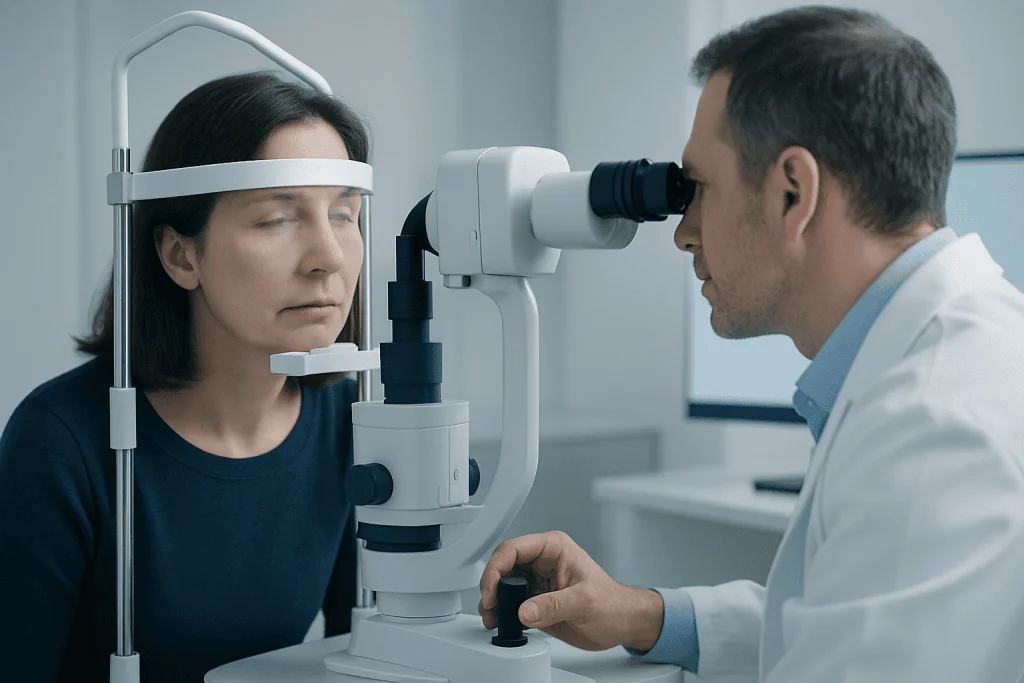
An eye exam may include visual acuity testing, refraction, slit-lamp examination, pupil assessment, and measurement of eye pressure. The doctor may use special drops to widen the pupils and examine the retina and optic nerve more closely. This helps identify whether the problem is on the eye surface, in the lens, or at the back of the eye.
Additional tests depend on the suspected cause. These may include corneal staining, tear film assessment, optical coherence tomography, retinal photography, ultrasound, or blood tests when inflammation or systemic disease is suspected. If the cloudy vision may relate to broader health conditions, the person may also need assessment for diabetes, blood pressure problems, or neurologic disease.
In some settings, advanced imaging can help clarify the diagnosis and guide treatment planning. Diagnostic support may include a comprehensive eye examination and, where appropriate, retinal imaging or other targeted ophthalmic tests.
Treatment Options Depend on the Cause
There is no single treatment for cloudy vision because management depends on what is causing it. If dry eye is responsible, treatment may involve lubricating eye drops, changes in screen habits, improving indoor humidity, or addressing eyelid inflammation. If a contact lens issue is the cause, lens wear may need to stop until the eye heals.
When infection or inflammation is present, prescription treatment may be needed. Depending on the diagnosis, this may include antibiotic, antiviral, anti-inflammatory, or immune-modulating medicines. It is important not to self-treat red, painful, or suddenly cloudy vision with over-the-counter products alone, because delayed care can worsen some conditions.
If cataract is the main reason for reduced clarity, vision often improves with cataract surgery once symptoms interfere with daily life. For retinal disease related to diabetes or swelling at the back of the eye, treatment may include observation, medicine injections, laser procedures, or retina treatment as advised by a specialist.
Glaucoma, uveitis, corneal scars, and retinal detachment each require their own treatment plans. The most important message is that cloudy vision is treatable in many cases, but the best results usually come from identifying the cause early rather than waiting for vision to worsen.
Self-care, Prevention, and Protecting Eye Health
Not every cause of cloudy vision can be prevented, but healthy habits can reduce risk and support long-term eye health. Regular eye checks are especially important for adults over 40, people with diabetes, those with a family history of eye disease, and anyone who notices gradual changes in sight. Early detection often makes treatment simpler and more effective.
Daily eye care measures can also help. Wearing sunglasses that block ultraviolet light, taking breaks during prolonged screen use, staying hydrated, and using contact lenses exactly as directed all support clearer vision. People with dry eye may benefit from avoiding smoke, using a humidifier, and limiting direct air from fans or car vents.
General health matters too. Good blood sugar control, blood pressure management, not smoking, and a balanced diet rich in fruits, vegetables, and omega-3 sources may help protect the eyes over time. Anyone with diagnosed eye disease should follow the recommended review schedule, even if symptoms seem mild.
For international patients who need specialist evaluation, Acibadem International’s multidisciplinary teams in JCI-accredited hospitals diagnose and treat a wide range of eye conditions with coordinated care when needed.
When to Seek Medical Care
Cloudy vision should be assessed promptly if it is sudden, severe, or clearly getting worse. Urgent medical care is especially important if the symptom comes with eye pain, marked redness, nausea, headache, sensitivity to light, flashes, many new floaters, a curtain-like shadow, or loss of side vision. These features can point to conditions that threaten sight if treatment is delayed.
Medical attention is also needed after an eye injury, chemical exposure, or if cloudy vision develops in someone with diabetes, recent eye surgery, or a known inflammatory eye disorder. Vision changes affecting only one eye can still be serious and should not be dismissed. If there are neurologic symptoms such as facial droop, weakness, confusion, or trouble speaking, emergency care is essential.
Even when symptoms are mild, it is sensible to book an eye appointment if cloudy vision lasts more than a short time, keeps returning, or interferes with reading, driving, work, or daily tasks. A professional assessment can distinguish a temporary eye-surface problem from a deeper condition that needs targeted treatment.
Frequently asked questions
Is cloudy vision the same as blurry vision?
Not always. People often use the terms interchangeably, but cloudy vision may feel more like haze, dimness, or a film over the eye rather than simple poor focus. A doctor can help distinguish whether the problem involves the eye surface, lens, retina, or another part of the visual system.
Can dry eyes cause cloudy vision?
Yes. Dry eye can disturb the tear film that keeps the front of the eye smooth and clear, leading to fluctuating hazy vision. Symptoms often improve with blinking or lubricating drops, but persistent dryness should still be evaluated.
Does cloudy vision mean a cataract?
Cataract is one common cause, especially in older adults, but it is not the only one. Corneal problems, infection, inflammation, glaucoma, and retinal disease can also make vision seem cloudy. A full eye examination is needed to confirm the reason.
When is cloudy vision an emergency?
Urgent care is needed if cloudy vision starts suddenly or comes with pain, redness, flashes, many floaters, a shadow over the vision, or a severe headache. It is also an emergency if there are stroke-like symptoms such as weakness or trouble speaking. Fast evaluation helps protect vision and overall health.
Can diabetes cause cloudy vision?
Yes. Changes in blood sugar can temporarily affect the eye's focusing system, and diabetes can also damage the retina over time. Anyone with diabetes and new cloudy vision should arrange a prompt medical assessment.
Will cloudy vision go away on its own?
Sometimes it can, especially if the cause is temporary dryness, tired eyes, or a mild surface irritation. However, cloudy vision that persists, recurs, or worsens should not be assumed to be harmless. A proper diagnosis is the safest way to know whether treatment is needed.
References
- American Academy of Ophthalmology
- National Eye Institute
- Centers for Disease Control and Prevention
- Mayo Clinic
- National Health Service
This article is for general information only and is not a substitute for professional medical advice. Please consult a qualified doctor about your individual situation.
Explore treatments in Turkey — costs, top hospitals & a free quote
JCI-accredited · board-certified surgeons · reply within 24h
Check your numbers in seconds
BMI, calories, due date, blood pressure and 30+ more clinical calculators — free, instant, doctor-reviewed ranges.