How Many Times Should I Pee a Day? Causes, Explanations, and Next Steps

A typical adult urinates around 6 to 8 times a day, but a healthy range can be broader. How often someone pees depends on fluid intake, caffeine, alcohol, medications, age, and bladder habits.
Key Takeaways
- A typical adult urinates around 6 to 8 times a day, but a healthy range can be broader.
- How often someone pees depends on fluid intake, caffeine, alcohol, medications, age, and bladder habits.
- Frequent urination is often harmless, but burning, blood in urine, fever, pain, or sudden major changes need medical review.
- Doctors usually assess urinary frequency with a history, physical exam, urine tests, and sometimes blood tests or imaging.
- Treatment depends on the cause and may involve lifestyle changes, treating infection, or managing bladder, prostate, kidney, or blood sugar problems.
Most adults pee about 6 to 8 times in 24 hours, and for many people, some variation is completely normal. Urination patterns can change with fluid intake, caffeine, weather, pregnancy, age, and medications, but certain symptoms may point to a medical issue that deserves evaluation.
Overview: What Is a Normal Number of Times to Pee in a Day?
For most adults, peeing about 6 to 8 times in 24 hours is considered typical. Some healthy people may go a little less often or a little more often, especially if they drink a lot of water, exercise heavily, live in a hot climate, or regularly consume caffeine or alcohol. In many cases, a change in urination frequency is harmless and reflects daily habits rather than disease.
The more useful question is not only how many times a person urinates, but whether the pattern is new, persistent, or linked with other symptoms. Someone who has always urinated 9 times a day and feels well may be perfectly normal for them. By contrast, a sudden jump from 5 times a day to 12 times a day can deserve attention, particularly if it comes with urgency, pain, nighttime waking, or leaking.
It also helps to distinguish frequent urination from producing a lot of urine. Frequent urination means going often, sometimes in small amounts. Excessive urine volume means the body is making more urine than usual, which can happen with high fluid intake, uncontrolled diabetes, or certain medications. These are related but not always the same problem.
What Can Change Urination Frequency?
Urination frequency naturally varies from day to day. A person who drinks several large bottles of water, has coffee in the morning, and drinks tea or soda later will usually urinate more than on a day with lower fluid intake. This is expected and is one of the most common reasons people notice they are peeing more often.
Other everyday factors can also play a role. Cold weather may increase the urge to urinate in some people. Anxiety can temporarily make the bladder feel more active. Pregnancy often increases urination because of hormonal changes and pressure on the bladder. As people age, bladder capacity may decrease and nighttime urination can become more common.
Some medicines increase urination on purpose or as a side effect. Diuretics, often used for blood pressure or swelling, are a common example. Certain drinks and foods can also irritate the bladder in some individuals, including caffeine, alcohol, carbonated beverages, and very acidic or spicy items. A simple bladder diary for a few days can help connect symptoms to habits.
Common Causes of Peeing More Often

Frequent urination can happen for many reasons, and not all are serious. A urinary tract infection is a common cause, especially when peeing is accompanied by burning, urgency, or lower abdominal discomfort. The need to urinate often can also result from an overactive bladder, where the bladder muscle contracts more often than it should, causing sudden urges even when the bladder is not full.
Medical conditions can also affect urinary frequency. High blood sugar can make the kidneys pass more water into the urine, so frequent urination may be a symptom of diabetes. Hormonal imbalances, some kidney conditions, and bladder inflammation can also contribute. In men, an enlarged prostate may make it harder to empty the bladder fully, leading to repeated trips to the bathroom.
Sometimes the issue is related to how the bladder stores or empties urine. Pelvic floor problems, constipation, bladder stones, and rarely tumors can change urinary patterns. Relevant conditions may include urinary tract infection, diabetes, or prostate enlargement. Because the causes vary widely, the surrounding symptoms and the person’s age, sex, medical history, and medications all matter.
- High fluid intake
- Caffeine or alcohol use
- Urinary tract infection
- Overactive bladder
- Pregnancy
- Diabetes or high blood sugar
- Enlarged prostate
- Diuretic medications
Symptoms That May Suggest a Medical Problem
Frequent urination is more likely to need medical attention when it appears with other warning signs. Burning or pain while urinating can suggest irritation or infection. Blood in the urine should always be checked by a doctor, even if it happens only once. Fever, chills, back pain, or side pain can point to a more significant infection involving the kidneys.
A sudden increase in thirst along with frequent urination can be a clue to diabetes or another condition affecting fluid balance. Leakage, weak stream, trouble starting urination, or a feeling that the bladder does not fully empty may suggest a bladder outlet problem or prostate issue. Waking many times each night to urinate can also affect sleep and quality of life, even when the cause is not dangerous.
Symptoms such as severe pain, confusion, reduced urine output, swelling, or signs of dehydration should not be ignored. Although many urinary changes are manageable, these symptoms deserve prompt assessment to identify the cause and prevent complications.
How Doctors Evaluate Frequent Urination
A doctor usually begins with a careful history. They may ask how often the person urinates during the day and night, how much fluid they drink, whether caffeine or alcohol is involved, and whether there is pain, urgency, leakage, blood, fever, or increased thirst. Medication review is important because common drugs can change bladder function or urine output.
The next step is often a physical examination and a urine test. A urine dipstick or urinalysis can look for infection, blood, glucose, and other clues. Depending on the symptoms, blood tests may be recommended to check kidney function, blood sugar, or electrolyte balance. Some people benefit from keeping a bladder diary that records timing, fluid intake, and approximate urine amounts over several days.
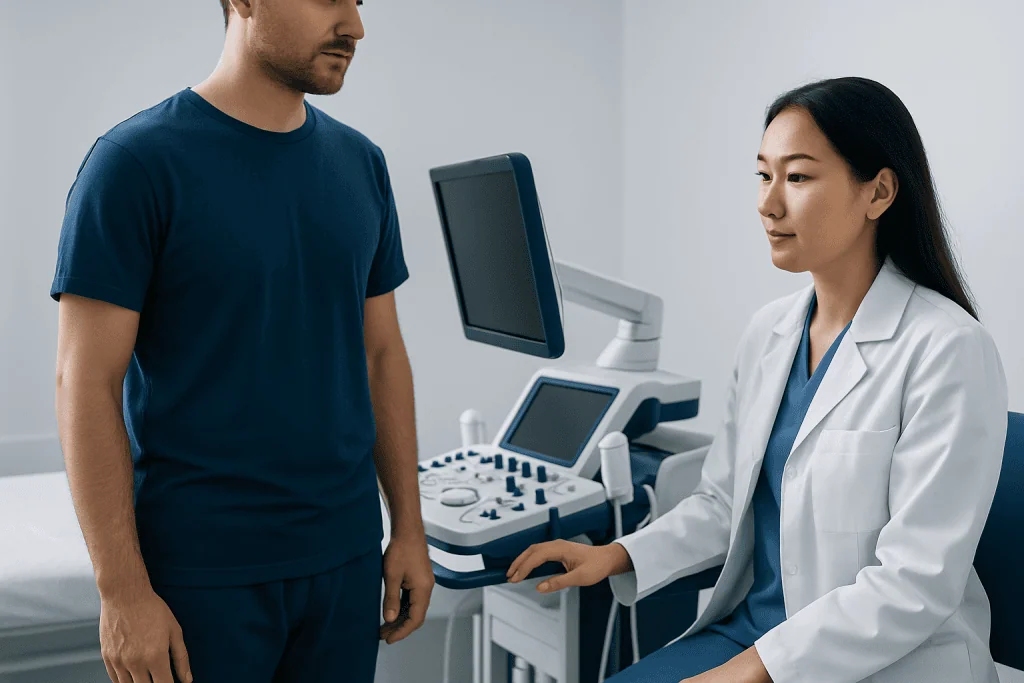
If symptoms persist or the cause is unclear, a doctor may arrange further tests. These can include ultrasound of the kidneys or bladder, measurement of how much urine remains after emptying, or specialist evaluation by a urologist. In selected cases, cystoscopy or urodynamic testing may help clarify whether the problem involves the bladder lining, urine flow, or bladder muscle function. Imaging such as MRI or CT scan is not needed for everyone, but may be useful when a structural problem is suspected.
Treatment and Next Steps
Treatment depends on the underlying cause rather than the number of bathroom trips alone. If the pattern is related to fluids, caffeine, alcohol, or timing of drinks, simple changes may be enough. Reducing bladder irritants, spacing fluids through the day, and avoiding large amounts close to bedtime can help many people. Bladder training and pelvic floor exercises may also improve symptoms in people with urgency or overactive bladder.
When an infection is present, treatment is directed at the infection. If blood sugar is high, diabetes management becomes an important part of improving urinary symptoms. Men with prostate-related symptoms may need assessment for bladder emptying and treatment options based on the degree of obstruction and discomfort. If a structural problem is found, a doctor may discuss procedures or surgery when appropriate.
Specialist care may involve tests and treatments tailored to the cause, such as urology evaluation or robotic urologic surgery for selected anatomical or prostate-related conditions. Near the end of the care pathway, patients who need coordinated assessment can be seen by Acibadem International, where multidisciplinary specialists in JCI-accredited hospitals diagnose and treat urinary symptoms for international patients.
Self-care Tips and When to Seek Medical Care
Self-care starts with noticing patterns rather than trying to force the body to urinate less. A person can track how often they go, what they drink, and whether symptoms follow coffee, tea, alcohol, sparkling drinks, or late-evening fluids. It may also help to treat constipation, maintain a healthy weight, and use the bathroom regularly instead of waiting too long or going “just in case” too often.
Medical care is sensible when urinary frequency lasts more than a few days without an obvious explanation, keeps interrupting sleep, or interferes with daily life. A person should also arrange a medical review if they have burning, urgency, leaking, increased thirst, pelvic discomfort, weak stream, or trouble emptying the bladder. These symptoms do not always mean something serious, but they do warrant a proper assessment.
Urgent medical attention is important if there is blood in the urine, fever, vomiting, severe back or side pain, inability to pass urine, confusion, or signs of dehydration. These red flags can suggest infection, obstruction, kidney involvement, or another issue that should not wait.
Frequently asked questions
Is peeing 10 times a day normal?
It can be normal for some people, especially if they drink a lot of fluids or use caffeine regularly. It is more concerning if this is a new change, happens with pain or urgency, or repeatedly wakes them at night.
How many times should I pee a day if I drink a lot of water?
People who drink more fluid usually urinate more often, so the number may be higher than the average 6 to 8 times a day. What matters most is whether the pattern matches fluid intake and whether there are any warning symptoms.
Is it normal to pee more at night as you get older?
Nighttime urination can become more common with age because of changes in bladder capacity, sleep patterns, and certain health conditions. Even so, frequent nighttime urination should be discussed with a doctor if it is new, disruptive, or associated with swelling, snoring, or urinary symptoms.
Can anxiety make someone pee more often?
Yes. Anxiety can increase body awareness and make the bladder feel more sensitive, leading to frequent urges. However, persistent symptoms should not automatically be blamed on stress without checking for medical causes.
What is the difference between frequent urination and overactive bladder?
Frequent urination simply means going to the bathroom more often than usual. Overactive bladder is a specific condition that usually includes sudden urgency, frequent daytime urination, and sometimes leakage.
When should frequent urination be checked by a doctor?
It should be checked if it lasts more than a few days without a clear reason, disturbs sleep, or affects daily life. Prompt review is especially important if there is burning, blood in the urine, fever, back pain, unusual thirst, or trouble passing urine.
References
- National Institute of Diabetes and Digestive and Kidney Diseases
- American Urological Association
- Mayo Clinic
- National Health Service
- Centers for Disease Control and Prevention
This article is for general information only and is not a substitute for professional medical advice. Please consult a qualified doctor about your individual situation.
Explore treatments in Turkey — costs, top hospitals & a free quote
JCI-accredited · board-certified surgeons · reply within 24h
Check your numbers in seconds
BMI, calories, due date, blood pressure and 30+ more clinical calculators — free, instant, doctor-reviewed ranges.

More from the Health Library



Related Specialists

Dr. Hakan Özbay
Orthopedic Surgery & Traumatology
Dr. Ersen Hürmüzlü
Infectious Diseases & Clinical Microbiology
Dr. Ufuk Güngör
Physical Medicine & Rehabilitation
Dr. Melike Lider Gezer
Ophthalmology