

Sjogren Syndrome
Sjögren syndrome care focuses on diagnosing and managing an autoimmune condition that causes dry eyes, dry mouth, fatigue, joint pain and organ involvement. Treatment is individualized to relieve symptoms and reduce complications.
Quick answer
Sjögren's syndrome is a chronic autoimmune disease in which the immune system attacks moisture-producing glands, causing dry eyes and dry mouth, often with fatigue and joint pain. There is no single procedure to correct it: treatment combines lubricating eye therapy, saliva support, dental prevention and, when joints, skin, lungs, kidneys or nerves are involved, immune-modulating medication with regular specialist monitoring.
What Is Sjogren’s Syndrome?
Sjogren’s syndrome is a chronic autoimmune disease in which the immune system attacks the body’s moisture-producing glands, above all the tear and salivary glands. The result is persistent dry eyes and dry mouth, often accompanied by fatigue and joint pain. It affects women more often than men, tends to appear in middle age, and can occur on its own or alongside another autoimmune condition. Treatment is not a single procedure; it is a long-term, personalised care plan built around symptom relief, protection of the eyes and teeth, and monitoring for disease activity beyond the glands.
It is worth being precise about one point early: Sjögren’s syndrome is not only a dryness condition. In most people the immune attack concentrates on the tear and salivary glands, but in some it also affects the joints, skin, lungs, kidneys, nerves, blood vessels or digestive system. Fatigue can be one of the most limiting symptoms of all, even when the outward signs of the disease are subtle. This is why a proper evaluation looks at the whole body, not just the eyes and mouth, and why the level of treatment differs so much from one person to the next.
The condition is also easy to miss. Its first signs often seem ordinary: dry eyes after a long day, a mouth so dry that speaking becomes uncomfortable, tiredness that rest does not fix, or joint pain that comes and goes. Many people see several doctors before the pattern becomes clear. Others are told their symptoms are due to ageing, stress, medications, allergies, menopause or screen use. Each of those explanations can be true — which is exactly why careful, structured testing matters when dryness persists and does not fit the usual causes.
Receiving a diagnosis can bring relief, but it also raises new questions. People ask whether the disease will damage their eyes or teeth, whether it can reach internal organs, and whether they will need lifelong medication. The honest answer is that the condition behaves differently from person to person. Some people need focused care for dryness and prevention of complications. Others need systemic autoimmune treatment and monitoring by several specialists. Neither group can be identified from symptoms alone, which is why objective testing sits at the centre of good care.
How do you pronounce Sjögren’s syndrome?
The name is most commonly pronounced “SHOW-grins” — the initial “Sj” sounds like “sh”. The condition is named after Henrik Sjögren, the Swedish ophthalmologist who first described the pattern of dry eyes, dry mouth and arthritis as a single disease. You will see the name written several ways: Sjögren’s with the Swedish umlaut, sjogren’s without it, or simply sjogrens in everyday searches. All of these refer to the same condition, and older medical texts sometimes call it sicca syndrome, from the Latin word for dry.
Is Sjögren’s disease serious?
Sjogren’s disease is serious in the sense that it is chronic, has no quick fix, and can cause lasting damage to the eyes and teeth when dryness goes unmanaged. For many people, however, the disease remains confined to the glands and can be controlled well with local therapies and consistent prevention. The situations that demand closer attention are systemic involvement — inflammation reaching the lungs, kidneys, nerves, skin or blood vessels — and the small subset of patients who develop lymphoma, a cancer of the lymphatic system that occurs more often in people with Sjögren’s than in the general population. Neither outcome is typical, but both are the reason structured follow-up exists. Seriousness, in short, is individual: it depends on which tissues are involved and how early the disease is recognised.
What is the life expectancy of someone with Sjogren’s syndrome?
For most people, life expectancy with Sjogren’s syndrome is broadly similar to that of people without the condition, particularly when the disease stays limited to the tear and salivary glands. What changes is not usually the length of life but the amount of attention certain risks deserve. Patients with significant organ involvement need closer monitoring and more active treatment. Patients with persistent salivary gland enlargement, swollen lymph nodes or certain blood test patterns need regular review because of the association with lymphoma. This is why doctors distinguish carefully between glandular disease and systemic disease at diagnosis — the follow-up plan is built around that distinction rather than around a single prognosis that fits everyone.
Sjögren’s Syndrome Symptoms
Sjögren’s syndrome symptoms centre on dryness, but they extend well beyond it, and their intensity often fluctuates from week to week. Because the disease usually develops gradually, many people adjust their routines around symptoms for years — carrying water everywhere, avoiding contact lenses, keeping eye drops in every bag — before anyone connects the pieces. The most common symptoms include:
- Dry eyes — a gritty, burning or sandy sensation, sensitivity to light, blurred vision that improves with blinking, redness, or difficulty tolerating contact lenses.
- Dry mouth — frequent thirst, trouble speaking for long periods, difficulty swallowing dry foods without liquid, changes in taste, mouth sores, bad breath, hoarseness, or repeated dental cavities despite good hygiene.
- Fatigue — a deep tiredness that does not improve with rest and can be more disabling than the dryness itself.
- Joint pain and stiffness — often in the small joints, sometimes with morning stiffness or muscle aches.
- Salivary gland swelling — enlargement of the glands in front of the ears or under the jaw, which may come and go.
- Dryness elsewhere — dry skin, a dry cough, dryness of the nose and throat, and vaginal dryness in women.
Less commonly, the disease produces symptoms from organ involvement: shortness of breath or a persistent cough from the lungs, numbness, tingling or burning pain from the nerves, purplish rashes or ulcers from inflamed blood vessels, or abnormalities detected on kidney tests. These features do not appear in most patients, but they change the treatment approach substantially when they do, which is why doctors ask about them systematically rather than waiting for patients to raise them.
What are three signs of Sjögren’s syndrome?
The three most characteristic signs are persistent dry eyes, persistent dry mouth, and profound fatigue. When all three occur together — particularly in a woman in middle age — the probability of Sjögren’s rises considerably. Joint pain and recurring salivary gland swelling are close behind as supporting features. That said, no combination of symptoms confirms the diagnosis by itself. Dryness is common in the general population and has many causes, so the three signs are a reason to test, not a conclusion in themselves.
What do the first symptoms of Sjögren’s usually feel like?
The earliest symptoms most people describe are small and easy to dismiss: eyes that feel gritty by the afternoon, needing a sip of water to swallow bread or crackers, waking at night to drink, a voice that tires quickly, or a run of dental cavities after years of healthy teeth. Some people first notice that contact lenses have become intolerable; others notice cracked lips, a burning tongue or repeated oral fungal infections. Fatigue often arrives early too, though it is rarely attributed to an autoimmune disease at first. The common thread is persistence — these symptoms do not resolve the way ordinary dryness from a dry room or a late night does.
Who May Need Evaluation for Sjogren Syndrome
Evaluation for Sjogren syndrome is worth considering when dry eyes or dry mouth are persistent, unexplained, or accompanied by fatigue, joint pain, gland swelling or other autoimmune features. It is also worth considering when symptoms are already interfering with daily life: repeated eye inflammation, frequent cavities, mouth infections, chronic cough, unexplained numbness or rashes, or severe tiredness that has resisted the usual explanations. None of these findings proves the diagnosis, but each justifies a structured assessment rather than another round of guesswork.
The condition can occur by itself — often called primary Sjögren syndrome — or together with another autoimmune disease, such as rheumatoid arthritis, lupus, systemic sclerosis or autoimmune thyroid disease, including Graves disease. Autoimmune conditions tend to cluster: a person already living with one, such as celiac disease or Crohn disease, has a somewhat higher tendency to develop another. When Sjögren’s accompanies an existing autoimmune diagnosis, its dryness symptoms are sometimes attributed to the first disease or its medications, delaying recognition.
Sjögren’s is considerably more common in women, but men develop it too, and diagnosis in men is often delayed precisely because the condition is less expected. Symptoms typically begin gradually and wax and wane, which is another reason the pattern can be missed for years.
Diagnosis requires more than a symptom checklist, because many things cause dryness that have nothing to do with autoimmunity. Common culprits include antihistamines, antidepressants, diuretics and sleep medications, as well as dehydration, diabetes, previous radiation therapy to the head and neck, certain viral infections and age-related changes in the glands. A careful evaluation separates these causes from Sjögren’s and — just as importantly — establishes whether autoimmune inflammation is currently active, since that is what determines whether immune-directed treatment makes sense.
Is Sjögren’s syndrome hereditary?
Sjögren’s syndrome is not directly inherited — there is no single gene that passes the disease from parent to child. What does run in families is a genetic susceptibility to autoimmunity in general. Relatives of people with Sjögren’s are somewhat more likely to develop it, or another autoimmune condition such as lupus or autoimmune thyroid disease, than people with no family history. Even so, most relatives never develop the disease. Current understanding is that genes create the background risk, and other factors — possibly including hormonal changes and prior infections — contribute to whether the disease actually appears. Having a parent or sibling with Sjögren’s is a reason to take persistent dryness symptoms seriously, not a prediction that they will occur.
How to Test for Sjogren Syndrome
Testing for Sjogren syndrome combines blood tests, eye tests, salivary assessment and, when needed, a small gland biopsy — there is no single test that confirms or excludes the disease on its own. Doctors build the diagnosis from several pieces of objective evidence, weighed against the symptom history and the exclusion of other causes. This layered approach is slower than a single blood draw, but it is what keeps patients from being either wrongly labelled or wrongly reassured.
Which blood tests are used for Sjögren’s?
The core blood tests look for the autoantibodies most associated with the disease: anti-SSA/Ro and anti-SSB/La. Doctors also commonly check antinuclear antibodies, rheumatoid factor, inflammatory markers, blood counts, kidney function, liver enzymes, thyroid function, immune protein levels and complement levels. These tests do three jobs at once: they support or weaken the case for Sjögren’s, they screen for overlapping autoimmune conditions, and they establish a baseline for monitoring. It is important to know that antibodies can be negative in a meaningful number of genuine cases — a negative blood panel narrows the picture but does not close the question when symptoms and other tests point towards the disease.
How are the eyes tested?
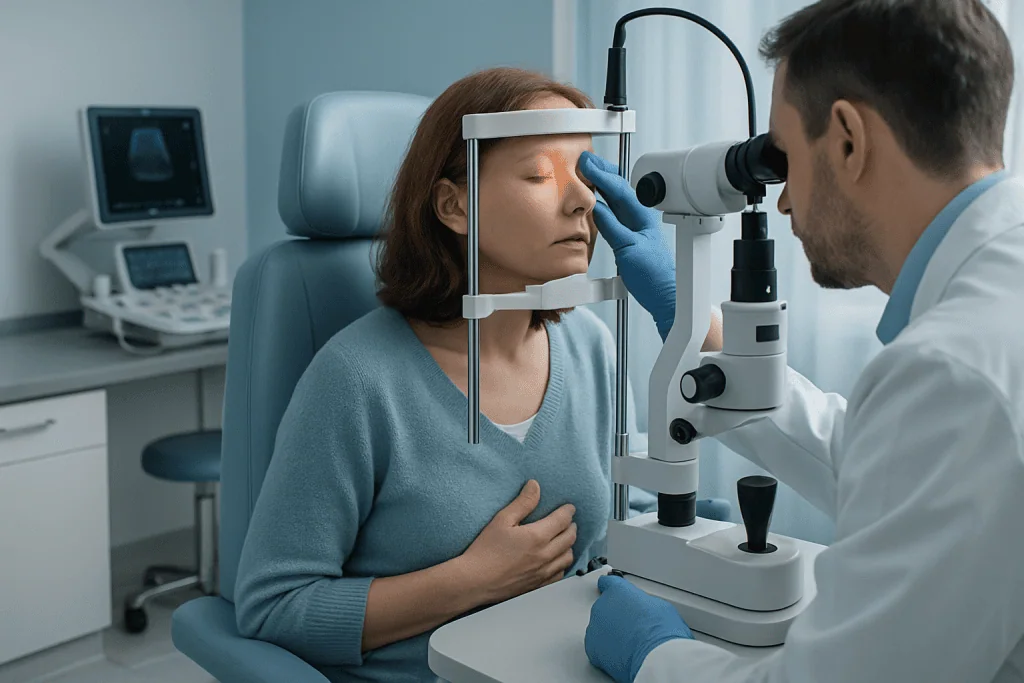
Eye testing measures both how much tear fluid the eyes produce and whether dryness has damaged the surface of the eye. Tear production is typically measured with a small paper strip placed at the edge of the eyelid for a few minutes. Special dyes applied as drops then reveal areas of the cornea and conjunctiva injured by dryness. An ophthalmologist interprets these findings together, because they determine not only whether the eyes meet diagnostic thresholds but also whether anti-inflammatory eye treatment is needed to protect the cornea.
How is saliva assessed?
Salivary assessment may include measuring how much saliva the glands produce over a set time, a dental examination to document dryness-related decay and gum changes, and imaging of the salivary glands. Ultrasound can show the structural changes that chronic inflammation produces inside the glands and may help direct further evaluation. Because dental damage is one of the most common and most preventable consequences of the disease, this part of the assessment matters as much for planning treatment as for confirming the diagnosis.
How is Sjögren’s syndrome diagnosed when blood tests are negative?
When symptoms and objective dryness tests suggest Sjögren’s but the antibodies are negative, doctors may recommend a minor salivary gland biopsy. A few tiny glands are taken from the inner surface of the lower lip in a short outpatient procedure under local anaesthesia, and a pathologist examines them for the characteristic clusters of immune cells. The biopsy is the most direct evidence available of the autoimmune process in the glands, and it often settles diagnostic uncertainty that blood tests cannot. The final diagnosis rests on combining these elements — symptoms, antibodies, eye findings, salivary findings and, where performed, biopsy results — rather than on any single result.
When systemic disease is suspected, testing extends beyond the glands. Lung function tests and chest imaging assess respiratory involvement; urine tests and kidney blood tests detect kidney effects; nerve conduction studies investigate numbness, tingling or burning pain. The purpose is to define the true extent of the disease before treatment decisions are made, so that neither undertreatment nor unnecessary immune suppression occurs.
How to Treat Sjögren’s Syndrome
Treatment for Sjögren’s syndrome works on three levels at once: relieving dryness and protecting the tissues it threatens, treating systemic inflammation where it exists, and monitoring over time so that complications are caught early. Because the disease is chronic, care combines daily self-management with medication, specialist input and periodic review — and the right mix looks different for a patient with mild glandular disease than for one with lung or nerve involvement.
Dry eye treatment
Dry eye therapy usually begins with preservative-free artificial tears used regularly through the day, with thicker lubricating gels or ointments at night. When dryness has inflamed the ocular surface, anti-inflammatory eye drops may be added, and eyelid inflammation — a frequent companion of dry eye — is managed with eyelid hygiene. In selected patients, small plugs placed in the tear drainage ducts help the eye’s own tears remain on the surface longer. The goals are consistent: improve comfort, protect the cornea from injury, and reduce inflammation where it is present. Most of these measures work best used daily, not only during flares.
Dry mouth treatment
Dry mouth care combines symptom relief with aggressive dental prevention. Saliva substitutes, sugar-free lozenges or chewing gum, and strategies to reduce night-time dryness address comfort. When the salivary glands retain some function, medications that stimulate saliva production may be considered by the treating doctor. Dental prevention is the part patients underestimate most: chronic dryness changes the oral environment and accelerates decay, so fluoride treatments, frequent dental review, prompt management of oral fungal infections and dietary guidance carry real weight. The connection between oral health and systemic diseases runs in both directions in Sjögren’s, which is why dentistry sits inside the care team rather than outside it. Patients are also advised to avoid tobacco and to limit alcohol-containing mouthwashes, both of which worsen dryness.
Everyday self-care
Daily habits work alongside prescribed therapy rather than instead of it, and they carry real weight in Sjögren’s. Using a humidifier at night, avoiding smoke, wind and air-conditioning drafts, and wearing wrap-around glasses outdoors all reduce tear evaporation. Sipping water through the day, chewing sugar-free gum containing xylitol and keeping caffeine moderate ease oral dryness, while lip balm protects against cracking. Dry skin responds to fragrance-free moisturisers applied after bathing, and water-based lubricants help with vaginal dryness. Individually these steps are small; together they lower the daily burden of symptoms and reduce the workload placed on medication.
Systemic treatment
When symptoms extend beyond dryness, systemic medication enters the picture. Antimalarial immune-modulating therapy is often used for joint pain, skin symptoms and some patterns of fatigue. Short courses of corticosteroids may be used for flares, though long-term use is approached cautiously because of side effects. When organs such as the lungs, kidneys or nerves are involved, or when blood vessels are inflamed, stronger immune-suppressing medications may be needed, and biologic therapy may be considered by specialists when conventional treatment is insufficient. Every one of these choices balances potential benefit against safety — other medical conditions, infection history, vaccination status, pregnancy plans and drug interactions all shape the decision, which is why medication selection and any changes belong with the treating physician rather than with general guidance.
Prevention and monitoring
The third level of treatment is protecting the future. Sjögren’s can increase the risk of dental decay, oral infections, corneal injury and swallowing difficulty, and in a small subset of patients it is associated with lymphoma. Not everyone carries these risks to the same degree, and recognising who does allows monitoring to be proportionate. Pregnancy planning deserves specific mention: patients who carry anti-SSA/Ro or anti-SSB/La antibodies benefit from counselling and coordinated monitoring, because these antibodies can rarely be associated with heart rhythm problems in the developing baby. Most pregnancies in women with Sjögren’s are successful, and planning with rheumatology and obstetrics reduces avoidable risk.
What treatment cannot do
It is fair to state the limits plainly. No currently available treatment switches off the underlying autoimmune process permanently. What treatment can do — and does, for many patients — is control symptoms, protect the eyes and teeth from progressive damage, suppress inflammation where it threatens organs, and keep the disease under regular observation so that changes are caught early. Understanding this from the start makes the daily routines of care easier to sustain, because their purpose is clear.
How Sjögren Syndrome Care Is Organised
Initial assessment and preparation
Care begins with a structured consultation. The physician reviews the history of dryness, fatigue, pain, infections, dental problems, eye symptoms, rashes, gland swelling, medication use, previous autoimmune diagnoses and family history. Prior blood tests, imaging, biopsy reports, eye examination results and a current list of medications and supplements all make the evaluation faster and more precise, which is particularly relevant for patients who have already seen several doctors. A focused physical examination typically covers the eyes, mouth, salivary glands, lymph nodes, joints, skin, lungs and nervous system, and the doctor identifies any medications or conditions that could be causing or worsening the dryness independently of autoimmunity.
Building the treatment plan
Once the testing described above is complete, the medical team sorts the findings into practical categories: dryness-related disease, pain and fatigue, systemic inflammation, organ involvement, complication risk and lifestyle factors. The plan is then tailored accordingly. For many patients, care starts with dry eye and dry mouth management, dental prevention, a proper fatigue workup and a follow-up schedule. For others, immune-modulating therapy is introduced from the outset because of inflammatory joint disease, significant skin involvement, nerve symptoms, lung or kidney disease, or vasculitis. The plan also names what will be measured at follow-up, so that “better” or “worse” can be judged against objective points rather than impressions alone.
Technology and specialist coordination
Modern Sjögren’s care uses objective testing to move beyond guesswork: tear measurement, ocular surface staining and imaging, salivary flow assessment, gland ultrasound, high-quality laboratory diagnostics, cross-sectional imaging, lung function testing and pathology review each contribute where clinically indicated. Because the disease crosses specialty boundaries, coordination matters as much as technology. Rheumatology typically leads the systemic evaluation, while ophthalmology, dentistry or oral medicine, dermatology, pulmonology, nephrology, neurology, gastroenterology, haematology and obstetrics participate according to each patient’s findings. In complex presentations, discussion among specialists keeps the treatment plan aligned and prevents the fragmented care that patients with multi-system diseases so often describe.
How long do assessment and response take?
The diagnostic and treatment-planning process is usually outpatient. How long it takes depends on whether a diagnosis already exists, whether systemic symptoms are present and how many specialist evaluations are needed. Some patients complete the main assessment and receive a plan within a short series of visits; others need staged testing, biopsy results or review after medication begins. Response to treatment is similarly graded. Artificial tears can improve comfort quickly, while anti-inflammatory eye treatment takes longer to show its effect. Dry mouth strategies help day to day, but dental protection is a matter of consistency over months and years. Immune-modulating medications often need weeks to months to reach their full effect, and follow-up appointments exist to adjust doses, monitor side effects and confirm that no organ involvement is emerging.
Why Acting Early Matters
Early evaluation matters because untreated Sjögren’s causes complications that are largely avoidable. Persistent dry eye damages the ocular surface over time, increasing discomfort, light sensitivity and the risk of corneal injury. Chronic dry mouth drives rapid dental decay, gum disease, oral infections and difficulty eating. Once dental or ocular damage has occurred, reversing it is harder — and more expensive in every sense — than preventing it would have been.
Early recognition also matters for systemic disease, which often begins quietly. A chronic cough, an abnormal urine test, new numbness, recurrent gland swelling or an unexplained rash may be the first indication that the disease has moved beyond the tear and salivary glands. Identifying that involvement while it is early allows inflammation to be treated before it produces lasting tissue damage, and it changes the intensity of monitoring appropriately.
Delay also prolongs uncertainty, and uncertainty has its own cost. Many people reorganise their lives around symptoms without realising effective strategies exist: avoiding social meals because swallowing is difficult, abandoning contact lenses, reducing working hours because of fatigue, or accepting repeated dental procedures as inevitable. A structured diagnosis and plan replaces that slow accommodation with an understanding of what is actually happening and what can realistically be improved.
Findings such as persistent salivary gland enlargement, lasting lymph node swelling, unexplained weight loss, night sweats or certain abnormal blood tests deserve particular diligence in follow-up. They do not automatically indicate a dangerous condition, but because Sjögren’s carries a higher lymphoma risk than the general population, careful monitoring of these features is a standing part of long-term care rather than an optional extra.
Benefits of Sjögren Syndrome Treatment
What treatment delivers depends on which symptoms and organs are involved, but the consistent aim is the same: less discomfort now, and protected function over the years ahead.
| Benefit | What It Means for You |
|---|---|
| Relief from dry eyes and dry mouth | Daily activities such as reading, working on a screen, speaking, eating and sleeping may become more comfortable with consistent therapy. |
| Protection of the eyes and teeth | Early care can reduce the risk of corneal injury, dental cavities, gum disease and oral infections related to chronic dryness. |
| Better control of systemic symptoms | Joint pain, fatigue, skin symptoms or inflammatory features may improve when the underlying autoimmune activity is identified and treated appropriately. |
| Detection of organ involvement | Targeted testing can identify lung, kidney, nerve or blood vessel involvement that may need closer treatment and monitoring. |
| A coordinated long-term plan | Patients receive guidance on medications, follow-up, dental and eye care, warning signs and how to sustain treatment between appointments over the long term. |
Recovery and Response Timeline
Because Sjögren’s is chronic, “recovery” really means symptom response and disease control rather than a one-time healing period. Improvement is usually gradual, and the pace varies with the treatments used and the severity of disease.
| Time Period | What Patients Can Expect |
|---|---|
| Day 1 | The first visit usually focuses on history, examination, review of prior records and planning of diagnostic tests. Symptom-relief measures may begin immediately. |
| First Week | Many patients complete key eye, blood and oral assessments. Lubrication, hydration strategies and dental-prevention steps may start to improve day-to-day comfort. |
| First Month | Test results are reviewed, the diagnosis is confirmed or refined, and medications may be adjusted. Some treatments begin to show early benefit, while others require more time. |
| First Three Months | Doctors assess response, side effects and whether systemic symptoms are improving. Additional specialist input may be added if lung, kidney, nerve or skin involvement is suspected. |
| Longer Term | Ongoing follow-up focuses on stable symptom control, prevention of dental and eye complications, medication monitoring and early detection of disease changes. |
Factors That Influence Outcomes
Outcomes in Sjögren’s depend on several factors: how early the disease is recognised, whether it stays limited to the glands, whether organs are involved and how consistently treatment is followed. Patients with mild glandular disease often do well with local therapies, dental protection and regular monitoring. Patients with systemic involvement need more intensive treatment and closer follow-up — not because their outlook is fixed, but because their disease demands more active management to stay controlled.
Objective diagnosis is one of the strongest foundations of a good result. Dryness symptoms alone are not enough to guide treatment. Measuring tear production, assessing the ocular surface, evaluating salivary function and checking immune markers lets clinicians match the level of therapy to the level of disease. Just as importantly, it protects patients whose dryness has another cause from receiving immune-suppressing medication they do not need.
Medication selection and monitoring matter throughout. Some patients respond well to conservative measures; others need immune-modulating treatment. In every case, doctors weigh other illnesses, infection history, liver and kidney function, pregnancy plans, vaccination status and possible drug interactions. Regular blood monitoring during systemic treatment detects side effects early and allows adjustments before problems grow. The right medication managed carelessly can do worse than a modest medication managed well.
Dental and eye care habits strongly shape long-term results. Even excellent medical care cannot fully protect the teeth if dryness is severe and preventive dental routines are inconsistent. Dry eye therapy, similarly, works when used daily rather than only during flares. Patients who understand why each part of the routine exists tend to sustain it — which is precisely why good clinics spend time on explanation, not just prescription.
General health plays a supporting role. Adequate sleep, physical activity within tolerance, smoking cessation, management of reflux or allergies, sensible nutrition and hydration, and treatment of overlapping conditions such as thyroid disease or anaemia all influence fatigue and overall well-being. The aim is not to blame every symptom on Sjögren’s, but to find and treat every contributor that can be treated.
Finally, communication between patient and care team is essential. Symptoms change, and new developments — gland swelling, persistent fever, weight loss, unexplained bruising, worsening breathlessness, new numbness or abnormal urine findings — should be reported at follow-up rather than absorbed silently into daily life. Long-term care works best when patients know which symptoms are expected parts of the disease and which represent a change worth investigating.
Moving Forward With a Clearer Plan
Sjögren’s syndrome is a complex disease, but it is a navigable one. With the right evaluation, many symptoms can be reduced, most complications can be prevented, and systemic involvement can be identified and treated in proportion to its severity. The foundation of effective care is understanding the full picture: what is actually causing the dryness, whether autoimmune activity is present, which tissues are involved and what level of treatment the evidence genuinely supports.
What follows from that foundation is not a dramatic intervention but a sustainable routine — daily protection for the eyes and mouth, medication where inflammation warrants it, dental and eye care as fixed habits rather than emergencies, and follow-up that watches for change. That routine is unglamorous, but for most people living with Sjögren’s it is the difference between a disease that dictates the shape of each day and one that has been put, deliberately and knowledgeably, in its place.
Preparation
- Bring previous blood tests, imaging, eye evaluations, dental records and a list of medications. Your doctor may request autoimmune blood tests, tear and saliva assessments, and organ-specific evaluations when needed. Avoid changing prescribed medicines before the visit unless advised by your physician.
Aftercare
- Follow your rheumatologist’s medication plan and attend regular monitoring visits for eyes, mouth, joints and internal organs. Use prescribed artificial tears, saliva substitutes and dental prevention measures as recommended. Report new symptoms such as swelling, fever, persistent cough, nerve symptoms or worsening fatigue promptly.
Turkey vs UK, Germany & USA
Sjögren syndrome care often involves rheumatology, ophthalmology, dentistry or oral medicine, and sometimes other specialties. Comparing destinations can help patients understand how diagnosis, long-term monitoring, symptom treatment, travel, and hospital services may influence the overall care experience.
The total cost and experience of Sjögren syndrome care depend on the complexity of symptoms, the need for specialist investigations, and whether care is delivered as an outpatient pathway or requires hospital-based treatment.
| Factor | Turkey | UK | Germany | USA |
|---|---|---|---|---|
| Price drivers | Often packaged around specialist consultation, tests, imaging if needed, and care coordination; medication plans and follow-up needs affect the final quote. | Private care costs are commonly separated by consultation, diagnostics, and treatment; public pathway access may depend on referral and waiting time. | Costs are usually itemized across consultations, laboratory work, imaging, and specialist procedures; insurance status may influence billing. | Charges are often highly itemized, including facility, physician, laboratory, imaging, and medication-related costs. |
| Hospital and specialist factors | International hospitals may coordinate rheumatology, eye care, oral health, and related specialties in a single pathway. | Access may involve general practitioner referral, rheumatology clinics, ophthalmology, and dental or oral medicine services. | University and private hospital settings may provide multidisciplinary autoimmune disease assessment. | Care may involve several independent specialists, clinics, and hospital departments, depending on insurance networks and referral rules. |
| Accreditation and quality | Patients may choose JCI-accredited hospitals with international patient departments and structured clinical protocols. | Quality frameworks vary between public and private providers; patients may review hospital registration and specialist credentials. | Hospitals follow national quality and professional standards; international patients may request details about accreditation and specialty expertise. | Accreditation, physician board certification, and hospital network status are important to confirm before treatment. |
| Typical waiting times | Private international pathways may offer faster scheduling for consultations and diagnostic workups, depending on specialist availability. | Public care waiting times can vary; private appointments may be scheduled more quickly depending on location and specialty. | Waiting times vary by region, provider type, and specialist demand. | Access can be rapid in private settings, but timing may depend on insurance authorization, network rules, and specialist availability. |
| Travel and language logistics | International patient teams commonly assist with airport transfers, interpreters, appointment planning, and medical document preparation. | English-language care is a practical advantage for many patients; travel support is usually arranged independently. | Interpreter support may be needed for non-German speakers; international offices may assist in larger hospitals. | English-language care is widely available; travel, accommodation, and insurance coordination are usually patient-led. |
| Typical package inclusions | May include specialist consultation, selected tests, care coordination, translation support, and a written medical plan. | Private packages may include consultation and selected diagnostics, while additional tests or specialist referrals are billed separately. | Packages may cover assessment and planned diagnostics, with additional services billed according to clinical need. | Bundled packages are less common; separate billing for consultations, tests, procedures, and medications is typical. |
What affects your final cost
- Extent of diagnostic evaluation, including blood tests, eye tests, salivary gland assessment, imaging, or biopsy if clinically indicated.
- Whether symptoms are limited to dryness or include fatigue, joint pain, nerve, lung, kidney, or other organ involvement.
- Number of specialties involved, such as rheumatology, ophthalmology, dentistry, oral medicine, pulmonology, nephrology, or neurology.
- Need for prescription medicines, procedures for dry eye or dry mouth, immunomodulating treatment, or hospital-based care.
- Follow-up plan, monitoring frequency, and whether remote review is appropriate after returning home.
- Travel preferences, interpreter support, accommodation, airport transfers, and medical report translation.
Compare your options
Sjögren syndrome management is individualized and may combine symptom relief, autoimmune disease control, and monitoring for complications. Suitability for any option is decided by a specialist after assessment.
| Option | What it is | Typical use | Key considerations |
|---|---|---|---|
| Diagnostic assessment | Rheumatology-led evaluation with medical history, examination, blood tests, eye dryness testing, oral evaluation, and selected imaging or biopsy when needed. | Used to confirm Sjögren syndrome, assess disease activity, and distinguish it from other causes of dry eyes, dry mouth, fatigue, or joint pain. | The scope depends on symptoms and previous results; bringing medical records can reduce repeated testing. |
| Dry eye management | Lubricating drops, anti-inflammatory eye treatment, eyelid care, tear conservation procedures, and ophthalmology monitoring. | Used for eye burning, grittiness, redness, blurred vision, or corneal irritation related to dryness. | Treatment choice depends on eye surface findings, severity, contact lens use, and risk of complications. |
| Dry mouth and dental care | Saliva substitutes, saliva-stimulating medicines when appropriate, dental prevention, oral hygiene planning, and management of oral infections. | Used to reduce discomfort, swallowing difficulty, dental decay risk, mouth ulcers, and taste or speaking problems. | Dental and oral medicine follow-up is important because complications may develop gradually. |
| Systemic symptom treatment | Medicines and lifestyle planning for fatigue, joint pain, muscle aches, skin symptoms, or inflammatory features. | Used when symptoms affect daily life or when inflammation is suspected beyond dryness. | Medication choice depends on diagnosis, disease activity, other medical conditions, and monitoring requirements. |
| Organ involvement management | Specialist-directed care for nerve, lung, kidney, blood, gland, or other organ involvement when present. | Used for more complex Sjögren syndrome with systemic disease features. | May require additional specialists, more detailed testing, and closer follow-up. |
| Long-term monitoring and prevention | Regular review of symptoms, tests, dental and eye health, medication safety, and complication risk. | Used to maintain comfort, detect changes early, and adjust treatment over time. | Monitoring plans differ by patient; international patients may combine in-person visits with local follow-up where appropriate. |
General information only — not medical or financial advice. Final costs depend on the factors above and your individual case; request a free, personalised quote.
Frequently Asked Questions
What affects the cost of Sjögren syndrome care?
The main factors are the complexity of symptoms, the need for diagnostic tests, the number of specialties involved, medications, procedures for dry eye or dry mouth, and the follow-up plan. Travel, translation, and care coordination services may also affect the total package.
How can I get a personalised quote?
You can request a free consultation and share your medical history, current symptoms, previous test results, medication list, and any eye or dental reports. A specialist team can then suggest the likely assessment pathway and provide a personalised estimate.
Is Sjögren syndrome treated in a single visit?
Some diagnostic and symptom-relief steps may be planned during an initial visit, but Sjögren syndrome is usually a long-term condition that needs ongoing monitoring. The care plan depends on whether symptoms are mild, moderate, or involve organs beyond the eyes and mouth.
Will I need several specialists?
Many patients start with a rheumatologist, but ophthalmology, dentistry or oral medicine, and other specialties may be involved depending on symptoms. Multidisciplinary care can improve coordination and may change the final cost.
Can international patients continue follow-up after returning home?
Follow-up may include written reports, medication plans, and coordination with local doctors when appropriate. The feasibility of remote review depends on the patient’s condition, required monitoring, and specialist recommendation.
Is this information medical or financial advice?
No. This is general educational information. Diagnosis, treatment suitability, and cost estimates should be confirmed through a specialist consultation and an individual quotation.
Medically reviewed by the Acıbadem International Medical Board — August 31, 2026
See our medical review board →
Update history
- PublishedJune 8, 2026
- Medical review approvedAugust 31, 2026
- Last content updateAugust 31, 2026
References2
- Sjögren's Syndrome — my.clevelandclinic.org
- Sjögren's syndrome — nhs.uk