Swelling in White Area of Eye: A Complete Medical Overview

The white-looking part that seems swollen is often the conjunctiva, a clear membrane covering the sclera. Common causes include allergies, dryness, irritation, infection, and a condition called chemosis.
Key Takeaways
- The white-looking part that seems swollen is often the conjunctiva, a clear membrane covering the sclera.
- Common causes include allergies, dryness, irritation, infection, and a condition called chemosis.
- Sudden pain, light sensitivity, vision changes, or trauma are warning signs that need urgent medical attention.
- Treatment depends on the cause and may include lubricating drops, allergy treatment, infection care, or managing an underlying eye condition.
- Avoid rubbing the eyes and do not use leftover eye drops without medical advice.
Swelling in the white area of the eye usually means the thin clear tissue over the eye, called the conjunctiva, has become irritated or inflamed rather than the eyeball itself swelling. It is often linked to allergies, dryness, infection, or minor irritation, but pain, reduced vision, injury, or severe redness should be assessed by an eye specialist promptly.
Overview: what swelling in the white area of the eye usually means
Swelling in white area of eye commonly happens when the conjunctiva becomes puffy or fluid-filled. The conjunctiva is the thin, transparent layer that covers the white of the eye and lines the inside of the eyelids. When it is irritated or inflamed, it can lift slightly off the surface and create a swollen, jelly-like appearance.
This symptom may look dramatic, but it is not always a sign of a serious problem. Many cases are related to allergies, dryness, eye rubbing, or mild irritation from smoke, dust, makeup, or contact lenses. In medical terms, pronounced swelling of the conjunctiva is often called chemosis.
Even so, the appearance alone cannot confirm the cause. Eye symptoms need attention to details such as pain, discharge, redness, vision changes, and whether the swelling started after an injury, infection, or exposure to a new product. These clues help doctors decide whether the problem is simple irritation or part of a condition that needs more focused treatment.
How it can look and feel
People describe this symptom in different ways. Some notice a bubble-like area on the white of the eye, while others feel that the eye is full, heavy, or slightly bulging. The surface may appear glossy, wrinkled, or water-filled, especially after rubbing the eyes or during an allergy flare.
Swelling may affect one eye or both. It can occur with itching, tearing, burning, grittiness, mild redness, or eyelid puffiness. In some cases there is almost no discomfort, while in others the eye feels irritated when blinking because the swollen tissue rubs against the eyelid.
Symptoms that suggest a more urgent problem include moderate to severe pain, blurred vision, sensitivity to light, thick discharge, fever, worsening redness, or trouble moving the eye. These features raise concern for deeper inflammation, infection, injury, or pressure-related problems rather than simple surface irritation.
- Common accompanying symptoms: itching, tearing, mild redness, foreign-body sensation
- Possible allergy clues: both eyes affected, sneezing, runny nose, repeated episodes
- Possible infection clues: discharge, crusting, one eye spreading to the other
- Red-flag symptoms: pain, vision change, severe redness, trauma, chemical exposure
Common causes and risk factors

Allergies are one of the most frequent causes of swelling in the white area of the eye. Pollen, dust mites, pet dander, cosmetics, or eye drops can trigger histamine release, leading to itching, tearing, and conjunctival swelling. Rubbing the eyes often makes the swelling more noticeable by increasing irritation and fluid buildup.
Dry eye and surface irritation are also common. Wind, air conditioning, long screen use, smoke, swimming pools, and poor contact lens habits can disturb the tear film and inflame the conjunctiva. Some people develop swelling after sleeping in contact lenses or using lenses longer than recommended. For broader evaluation of persistent irritation, doctors may assess for dry eye disease.
Infections can cause the white area to swell too. Viral conjunctivitis often brings redness and watery discharge, while bacterial conjunctivitis may produce thicker discharge and crusting. Less commonly, swelling can happen with deeper eye inflammation, thyroid eye disease, blocked lymphatic drainage, or after eye surgery. Conditions such as conjunctivitis are a familiar example, but swelling can also accompany corneal problems, eyelid disease, or reactions to medications.
Risk factors include a history of allergies, eczema, asthma, contact lens use, frequent eye rubbing, recent upper respiratory infection, exposure to irritants, and previous eye surgery. People with immune compromise or chronic inflammatory conditions may need closer evaluation if symptoms are persistent or recurrent.
How doctors diagnose the cause
Diagnosis starts with a careful history. A doctor will ask when the swelling began, whether it affects one eye or both, what the eye feels like, and whether there are triggers such as pollen, new cosmetics, contact lens wear, infection symptoms, trauma, or chemical exposure. Vision changes, pain level, and the presence of discharge are especially important.
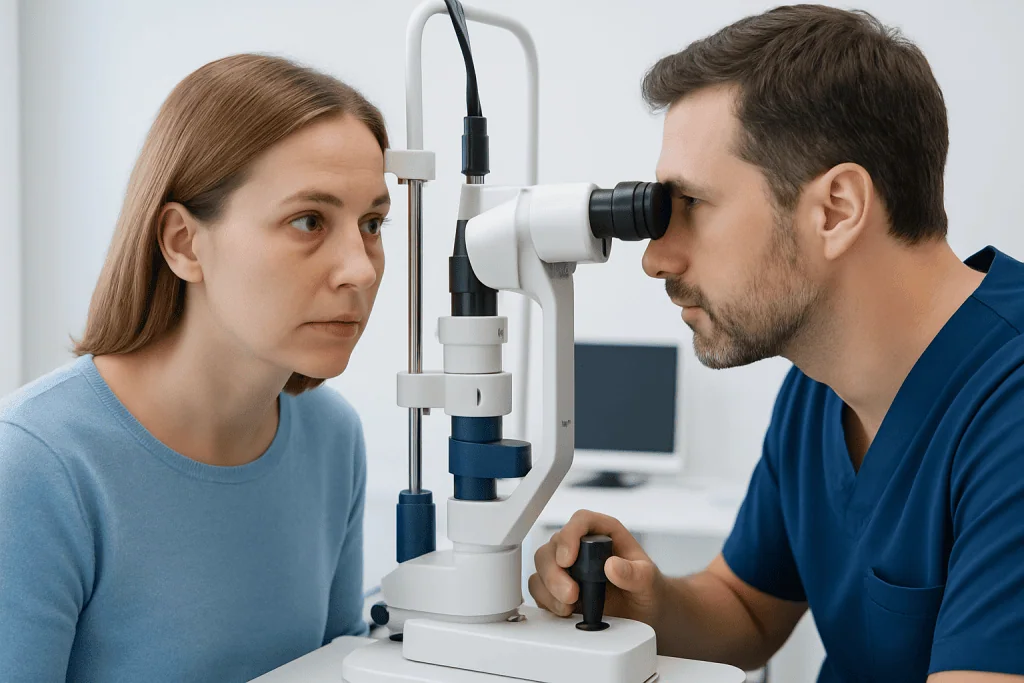
An eye examination usually includes checking visual acuity, looking at the eye under magnification, assessing the eyelids and tear film, and using dye to look for scratches or surface damage. This helps distinguish simple conjunctival swelling from corneal injury, infection, uveitis, glaucoma, or other conditions that need prompt treatment.
Not everyone needs extensive testing. In many straightforward cases, the pattern of symptoms and the eye exam are enough to identify irritation, allergy, or uncomplicated conjunctivitis. However, if the symptoms are severe, recurrent, or do not improve, the doctor may consider additional evaluation to rule out an underlying ocular or systemic condition.
Treatment options depend on the cause
Because swelling in white area of eye is a symptom rather than a single disease, treatment focuses on the underlying cause. For mild irritation or dryness, supportive care may be enough. Doctors often recommend preservative-free lubricating drops, cold compresses, avoiding eye rubbing, and taking a break from contact lenses until the eye surface recovers. In some situations, assessment by a detailed eye examination helps guide the safest next step.
If allergies are responsible, reducing exposure to triggers and using doctor-recommended allergy eye drops may help. Viral infections are usually managed with comfort measures and hygiene precautions, while bacterial infections may require prescription antibiotic drops if a clinician confirms that they are appropriate. Contact lens users may be advised to stop wearing lenses temporarily and replace lens cases or solutions that might be contributing to irritation.
When swelling is linked to a more complex eye condition, treatment may be more targeted. For example, significant surface disease may need structured dry eye treatment, and recurrent inflammatory symptoms may require specialist follow-up. Rarely, severe swelling related to trauma, surgery, thyroid eye disease, or deeper infection needs urgent ophthalmology care. If surgery or procedure-related concerns exist, a specialist may recommend further evaluation or imaging before treatment.
Self-medicating with leftover steroid eye drops is not considered safe. Steroids can worsen certain infections, raise eye pressure, and mask important symptoms. It is best to use eye medications only under professional guidance.
Self-care, prevention, and what to avoid
Gentle self-care can reduce symptoms and help prevent recurrence. Cool compresses may calm itching and puffiness, while artificial tears can rinse irritants from the surface and improve comfort. Good hand hygiene is important, especially if an infection is possible. If the eye is watery or irritated, avoiding eye makeup until symptoms settle is sensible.
Contact lens users should be especially careful. Lenses should never be worn longer than directed, and they should not be used while the eye is red, painful, or visibly swollen. Proper cleaning, replacing cases regularly, and not sleeping in lenses unless specifically prescribed all help reduce the risk of inflammation and infection.
To lower the chance of repeat episodes, it helps to identify triggers such as pollen seasons, smoke exposure, pet dander, or specific cosmetic products. Limiting eye rubbing is one of the most effective habits, since rubbing can worsen swelling and irritation even when the original cause is mild.
- Use clean, preservative-free lubricating drops if recommended
- Apply a cool compress for short periods
- Avoid rubbing or pressing on the eye
- Pause contact lens use until the eye feels normal and a doctor says it is safe
- Do not share towels, cosmetics, or eye drops
When to seek medical care
Medical advice should be sought promptly if swelling in the white area of the eye comes with pain, blurred vision, marked redness, light sensitivity, thick discharge, fever, or a feeling that something is stuck in the eye. Immediate evaluation is especially important after trauma, a chemical splash, or sudden vision loss.
Even without emergency symptoms, an appointment is a good idea if the swelling keeps returning, lasts more than a few days, or does not improve with simple supportive care. People who wear contact lenses should be more cautious because they can develop corneal complications that may initially look like routine irritation.
An ophthalmologist can determine whether the issue is a surface problem, allergy, infection, or a less common condition needing specialist treatment. Near the end of the care pathway, it may be reassuring to know that Acibadem International’s multidisciplinary specialists and JCI-accredited hospitals diagnose and treat eye conditions for international patients, including evaluation for persistent irritation and advanced corneal care when clinically appropriate.
Frequently asked questions
Is swelling in the white area of the eye always serious?
No. It is often caused by allergy, dryness, irritation, or mild conjunctival swelling called chemosis. However, if it comes with pain, vision changes, severe redness, or injury, it should be assessed quickly.
What is chemosis?
Chemosis is swelling of the conjunctiva, the clear membrane covering the white of the eye. It can make the surface look puffy, jelly-like, or fluid-filled and is commonly linked to allergies, irritation, or infection.
Can allergies cause the white of the eye to swell?
Yes. Allergies are a very common cause of swelling in the white area of the eye, especially when itching and tearing are also present. Both eyes are often affected, and symptoms may flare during pollen season or after exposure to pets, dust, or cosmetics.
Should contact lenses be worn if the eye is swollen?
Usually not until the cause is clear and the eye has recovered. Contact lenses can worsen irritation and may increase the risk of infection or corneal problems, so a doctor should advise when it is safe to wear them again.
Can I use eye drops at home for this problem?
Lubricating artificial tears may help mild irritation or dryness, but not every swollen eye should be treated the same way. It is best to avoid leftover prescription drops, especially steroid drops, unless a clinician specifically recommends them.
How long does conjunctival swelling usually last?
Duration depends on the cause. Mild irritation or allergy-related swelling may improve within hours to a few days, while infection or ongoing exposure to a trigger can make symptoms last longer.
References
- American Academy of Ophthalmology
- National Eye Institute
- American Optometric Association
- Mayo Clinic
- Merck Manual Professional Edition
This article is for general information only and is not a substitute for professional medical advice. Please consult a qualified doctor about your individual situation.
Explore treatments in Turkey — costs, top hospitals & a free quote
JCI-accredited · board-certified surgeons · reply within 24h

More from the Health Library



Related Specialists

Dr. Sedef Başgönül
Infectious Diseases & Clinical Microbiology
Dr. Yağmur Kuşçu
Anesthesiology
Dyt. Deniz Meriç
Nutrition & Diet
Dr. Gökay Kurtulan
Occupational Medicine