Ep: An Evidence-Based Guide for Patients

EP meaning most often refers to cardiac electrophysiology. An EP study helps doctors understand abnormal heart rhythms.
Key Takeaways
- EP meaning most often refers to cardiac electrophysiology.
- An EP study helps doctors understand abnormal heart rhythms.
- Electrophysiology specialists diagnose symptoms such as palpitations, fainting, or unexplained rapid heartbeat.
- Treatment may include medicines, monitoring, catheter ablation, or a pacemaker depending on the cause.
- Not every irregular heartbeat is dangerous, but new, severe, or recurring symptoms should be assessed by a doctor.
EP meaning in medicine usually refers to electrophysiology, the branch of cardiology that studies the heart’s electrical system. Patients may also hear “EP study,” a test used to diagnose certain abnormal heart rhythms and help guide treatment.
Overview: what does EP mean?
EP meaning in healthcare most often refers to electrophysiology. This is the area of medicine that looks at how electrical signals move through the heart and whether those signals are causing an abnormal heartbeat, also called an arrhythmia. When a doctor says a patient is being referred to “EP,” they usually mean evaluation by a cardiac electrophysiology specialist.
Electrophysiology is a subspecialty within cardiology. While general cardiologists assess many heart problems, electrophysiologists focus on rhythm disorders such as atrial fibrillation, supraventricular tachycardia, some forms of bradycardia, and certain inherited electrical conditions. Their goal is to find out why the heart is beating too fast, too slow, or irregularly and to recommend the most suitable treatment.
Patients may also hear the term EP study. This is a specialized procedure that maps the heart’s electrical pathways from the inside. It can help confirm the type of arrhythmia, show where it starts, and determine whether treatment such as medication, monitoring, or cardiac ablation may help.
Why the heart’s electrical system matters
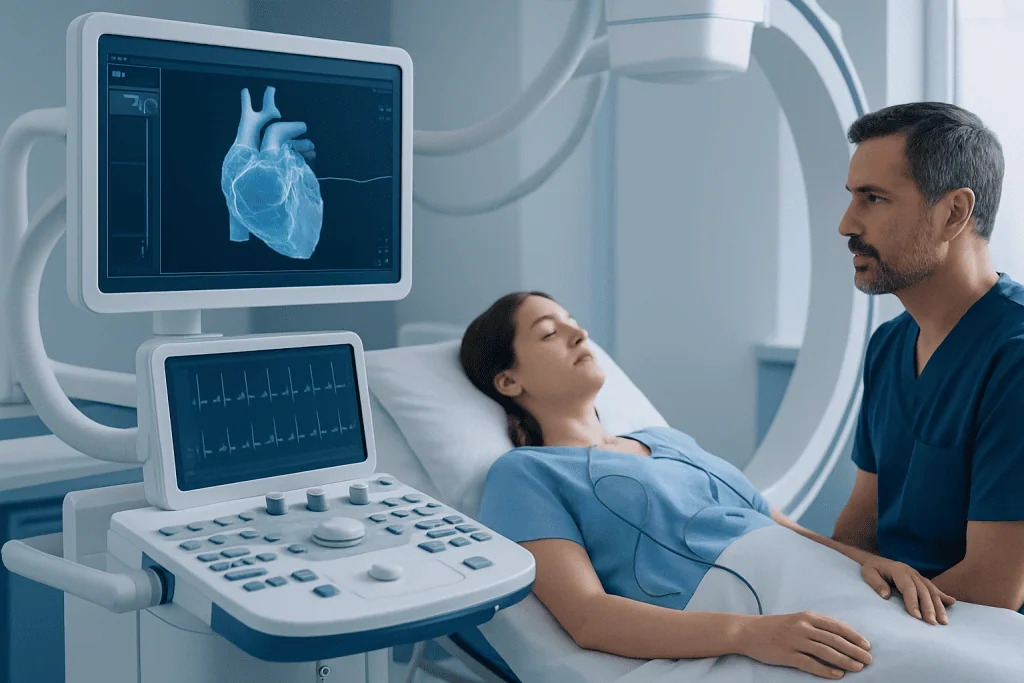
The heart works because small electrical impulses tell it when to contract. Normally, these signals begin in the sinus node, move through the atria, pass through the atrioventricular node, and then travel through the ventricles. This sequence creates a coordinated heartbeat that pumps blood efficiently throughout the body.
When the electrical system is disrupted, the rhythm can become too fast, too slow, or uncoordinated. Some rhythm changes are brief and harmless. Others may cause symptoms, reduce blood flow, or increase the risk of complications such as stroke or heart failure, depending on the type of arrhythmia and the patient’s overall health.
This is why EP evaluation is useful. It does not focus only on the heart muscle or blood vessels; it focuses on the timing and pathway of each heartbeat. In some cases, it also helps distinguish rhythm-related symptoms from other causes such as anxiety, dehydration, thyroid disease, or medication effects.
Symptoms that may lead to EP evaluation

A person may be referred for electrophysiology testing if they have symptoms that suggest a rhythm problem. Common examples include palpitations, a racing heartbeat, skipped beats, dizziness, shortness of breath, chest discomfort, fatigue, or episodes of fainting. Some people notice symptoms only during exercise, stress, illness, or after caffeine or alcohol.
Not all arrhythmias cause clear symptoms. In some patients, an irregular rhythm is first found on a routine electrocardiogram, wearable monitor, smartwatch alert, or during evaluation for another condition. Others have intermittent symptoms that are difficult to capture during a standard office visit.
Because the same symptoms can have different causes, doctors often combine the patient’s history with tests such as an ECG, Holter monitor, event monitor, echocardiogram, blood work, and sometimes an EP study. If a rhythm problem such as atrial fibrillation is suspected, a more focused plan can then be made.
- Palpitations or fluttering in the chest
- Rapid or pounding heartbeat
- Lightheadedness or fainting
- Unexplained fatigue or reduced exercise tolerance
- Irregular heartbeat detected on monitoring
What causes abnormal heart rhythms?
Arrhythmias can happen for many reasons. Some begin because of changes in the heart’s electrical pathways. Others are linked to heart disease, past heart attack, valve disease, high blood pressure, sleep apnea, thyroid problems, electrolyte imbalance, infections, or the effects of certain medicines or stimulants.
Age can increase the likelihood of some arrhythmias, but younger people can also develop them. Inherited electrical disorders, congenital heart disease, and extra electrical pathways may cause rhythm problems in otherwise healthy individuals. Lifestyle factors such as heavy alcohol use, smoking, poor sleep, or high caffeine intake can sometimes trigger episodes in susceptible people.
Risk varies by the type of arrhythmia. For example, a patient with structural heart disease and ventricular arrhythmias may need urgent specialist care, while another person may have benign extra beats that mainly require reassurance and follow-up. Careful diagnosis helps separate these situations and guide safe treatment.
What is an EP study and how is it diagnosed?
An EP study is a hospital-based procedure used to examine the heart’s electrical activity from the inside. Thin flexible catheters are usually inserted through a blood vessel, often in the groin, and guided into the heart. These catheters record electrical signals and may gently stimulate the heart to see how an arrhythmia starts and spreads.
The procedure is usually considered when symptoms are recurrent, when standard tests have not provided enough information, or when a doctor is planning treatment such as ablation. It may also be used to assess unexplained fainting, certain rapid heart rhythms, or whether a patient might benefit from a device such as a pacemaker.
Diagnosis does not always require an EP study. Many arrhythmias can be identified with office ECGs, ambulatory heart monitors, imaging, and blood tests. The best test depends on how often symptoms happen, whether they last seconds or hours, and whether there are warning signs such as collapse, severe shortness of breath, or known heart disease.
Before recommending any procedure, the care team explains the expected benefits, possible risks, and alternatives. Patients are commonly advised to review their medication list, ask whether they should stop any drugs before testing, and discuss allergies, pregnancy, and other medical conditions in advance.
Treatment options after EP assessment
Treatment depends on the exact rhythm problem, the severity of symptoms, and whether the arrhythmia increases long-term risk. Some patients only need reassurance, lifestyle adjustments, and observation. Others benefit from medicines that slow the heart rate, stabilize the rhythm, or reduce the chance of complications such as blood clots.
For certain arrhythmias, catheter ablation can be an effective option. In this procedure, the abnormal electrical pathway or tissue causing the rhythm problem is targeted with energy delivered through a catheter. This may be considered for recurrent supraventricular tachycardia, some atrial flutter cases, or selected patients with arrhythmias that continue despite medication or are not well tolerated.
Device therapy may also be appropriate in some situations. A pacemaker can help when the heart beats too slowly or pauses too long. An implantable cardioverter defibrillator may be recommended for selected patients at risk of dangerous ventricular rhythms. Treatment planning is individualized and often includes discussion of benefits, risks, follow-up, and patient preferences.
In complex cases, multidisciplinary care is important. Near the end of the care pathway, some international patients choose centers where cardiologists, electrophysiologists, imaging teams, and anesthesiology specialists work together; Acibadem International’s multidisciplinary specialists and JCI-accredited hospitals provide diagnosis and treatment for heart rhythm disorders in this setting.
Prevention, self-care, and heart rhythm awareness
Not every arrhythmia can be prevented, especially if it is related to age, inherited factors, or structural heart disease. However, some steps may lower symptom triggers and support overall heart health. These include limiting tobacco, moderating alcohol, getting regular sleep, staying hydrated, and following a clinician’s advice about exercise.
People who already have rhythm symptoms may find it helpful to track when episodes happen and what they feel like. A diary can note the time, duration, heart rate if available, and possible triggers such as stress, fever, missed medication, dehydration, or stimulant use. This information can help the doctor decide whether monitoring or an EP referral is needed.
Managing related conditions is also important. Blood pressure control, diabetes care, treatment of sleep apnea, and thyroid evaluation may reduce strain on the heart. Patients should not start or stop heart medicines on their own, even if symptoms seem improved, because treatment decisions depend on the specific diagnosis and risk profile.
When to seek medical care
Medical care is appropriate if a person has new or recurring palpitations, an unexplained racing heartbeat, fainting, or repeated dizziness. They should also arrange an assessment if an irregular rhythm appears on a wearable device or routine test, especially if symptoms are present.
Urgent care is important if rhythm symptoms happen with chest pain, severe shortness of breath, collapse, confusion, or prolonged rapid heartbeat. These symptoms do not always mean a dangerous arrhythmia, but they should not be ignored because they can overlap with other serious heart conditions.
Patients who already have a diagnosed arrhythmia should seek advice if symptoms change, become more frequent, or if new side effects develop after starting treatment. A qualified doctor can determine whether reassurance, medication review, monitoring, or specialist electrophysiology evaluation is the safest next step.
Frequently asked questions
What does EP mean in a hospital or cardiology clinic?
In most cardiology settings, EP means electrophysiology. It refers to the study of the heart’s electrical system and to the specialists who diagnose and treat abnormal heart rhythms.
Is an EP study the same as an ECG?
No. An ECG records the heart’s electrical activity from the skin and is quick and noninvasive. An EP study is a more specialized procedure that uses internal catheters to map the heart’s electrical pathways in greater detail.
Does EP always mean there is a serious heart problem?
Not necessarily. Many people are referred to EP because of symptoms such as palpitations or because an irregular rhythm needs clarification. Some arrhythmias are mild, while others need treatment, so proper assessment is important.
Why would someone be sent to an electrophysiologist?
A doctor may refer a patient to an electrophysiologist for recurrent palpitations, fainting, a fast or slow heartbeat, or an abnormal rhythm seen on testing. The specialist helps identify the exact rhythm and recommends the most appropriate treatment.
Can an EP study treat a rhythm problem too?
Sometimes, yes. In some cases, if the abnormal pathway is clearly identified, treatment such as catheter ablation may be performed during the same session or as a planned next step. This depends on the arrhythmia type, the patient’s condition, and the treatment plan.
How should a patient prepare for an EP appointment?
It helps to bring a list of symptoms, medications, past test results, and any family history of heart rhythm problems or sudden cardiac death. Patients should also ask whether they need to stop any medications before testing, because this varies by situation.
References
- American Heart Association
- National Heart, Lung, and Blood Institute
- Heart Rhythm Society
- Mayo Clinic
- National Health Service
This article is for general information only and is not a substitute for professional medical advice. Please consult a qualified doctor about your individual situation.
Heart care in Turkey — expert evaluation and treatment
JCI-accredited · board-certified surgeons · reply within 24h
Check your numbers in seconds
BMI, calories, due date, blood pressure and 30+ more clinical calculators — free, instant, doctor-reviewed ranges.