Elderly Abuse: An Evidence-Based Guide for Patients
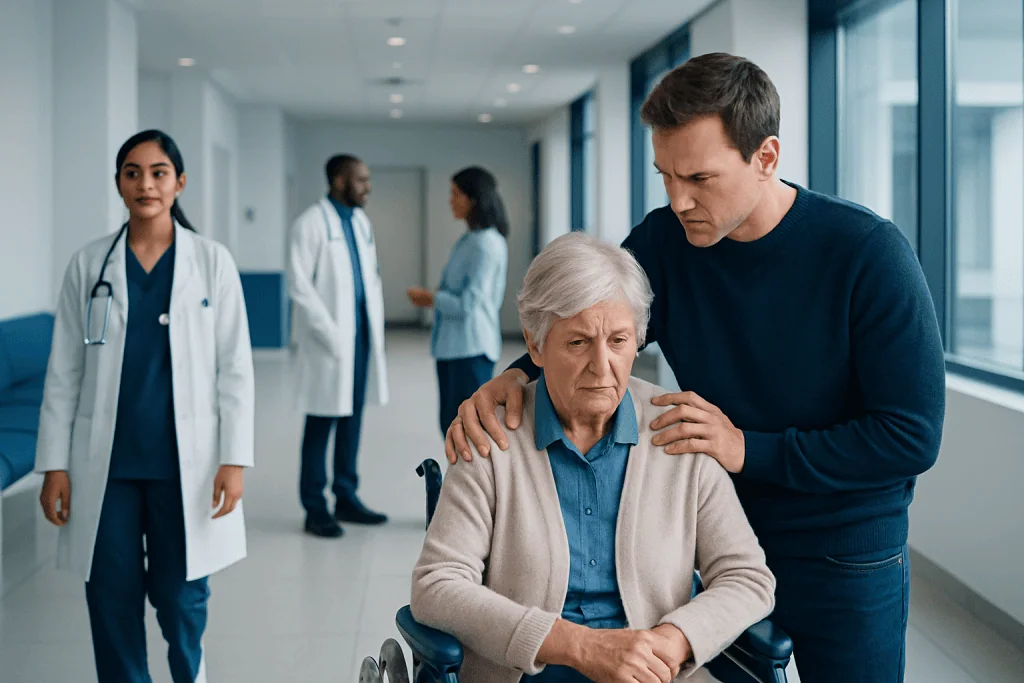
Elderly abuse can be physical, emotional, sexual, financial, or related to neglect and abandonment. Warning signs may be subtle and can overlap with illness, memory problems, depression, or frailty.
Key Takeaways
- Elderly abuse can be physical, emotional, sexual, financial, or related to neglect and abandonment.
- Warning signs may be subtle and can overlap with illness, memory problems, depression, or frailty.
- A medical evaluation can identify injuries, dehydration, malnutrition, medication problems, and other health effects.
- Older adults at higher risk may depend on others for care, live with cognitive impairment, or experience social isolation.
- If there is immediate danger, urgent medical care and emergency services should be contacted right away.
Elderly abuse is any act—or failure to act—that harms an older adult, including physical, emotional, sexual, financial, and neglect-related abuse. Recognizing patterns early, documenting concerns, and seeking medical and social support can help protect health, safety, and dignity.
Overview: what elderly abuse means
Elderly abuse refers to harm, mistreatment, neglect, or exploitation affecting an older adult in a home, care facility, or community setting. It may involve a single incident or a repeated pattern. In practice, it includes physical injury, verbal humiliation, threats, sexual abuse, withholding basic care, misuse of money or property, and intentional overmedication or medication withholding.
This issue is often missed because the signs can look similar to common health problems of aging, such as bruising from fragile skin, confusion linked to illness, falls, depression, or weight loss from chronic disease. Some older adults may also feel embarrassed, afraid of losing independence, or worried about retaliation if they speak up.
An evidence-based approach focuses on careful observation, medical assessment, and the person’s safety and preferences. The goal is not only to confirm whether abuse may be occurring, but also to treat injuries, address emotional distress, restore support, and reduce the risk of further harm.
Forms of abuse and common warning signs
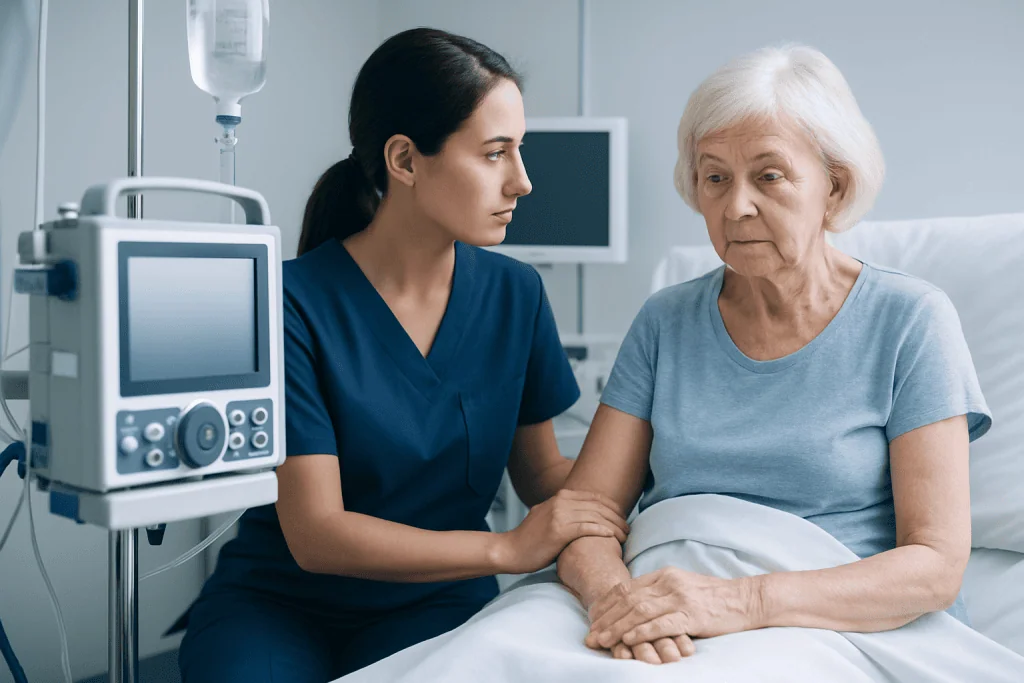
Elderly abuse can take several forms. Physical abuse may cause bruises, burns, cuts, sprains, fractures, or repeated unexplained injuries. Emotional or psychological abuse may involve insults, intimidation, controlling behavior, isolation from family or friends, or threats. Sexual abuse includes any non-consensual sexual contact. Neglect means failing to provide food, fluids, hygiene, medication, supervision, or needed medical care. Financial abuse may involve stolen money, coerced signatures, unusual banking activity, or sudden changes to wills and accounts.
Warning signs are not always dramatic. A person may become withdrawn, fearful around a specific caregiver, unusually anxious, or reluctant to speak openly. There may be poor hygiene, dirty clothing or bedding, pressure sores, dehydration, missed medical appointments, or medications that are not taken correctly. In financial exploitation, unpaid bills, missing valuables, and confusion about recent transactions may be the first clues.
Because symptoms can overlap with other conditions, healthcare teams may also consider problems such as Alzheimer’s disease, depression, delirium, stroke, or medication side effects. This is one reason a calm, private clinical assessment is important rather than relying on assumptions alone.
- Repeated injuries with explanations that do not fit
- Sudden behavior change, fearfulness, or social withdrawal
- Weight loss, dehydration, poor hygiene, or untreated medical needs
- Overuse, underuse, or unexplained changes in medication
- Missing money, valuables, or unexpected legal and financial changes
Why elderly abuse happens: causes and risk factors

Elderly abuse has no single cause. It usually develops through a mix of vulnerability, stress, dependence, and poor oversight. Some older adults rely on another person for daily activities, transportation, medication management, or financial decisions. This dependence can create situations in which control is misused or basic needs are ignored.
Risk may be higher in older adults with memory problems, communication difficulties, physical disability, frailty, or social isolation. Caregiver-related factors can also contribute, such as burnout, untreated mental health conditions, substance misuse, financial strain, or a history of violence in the household. However, stress does not excuse abusive behavior.
Institutional settings can present different risks, including understaffing, poor training, inadequate supervision, and weak reporting systems. Abuse can still occur even in families that appear stable from the outside. For this reason, clinicians look at the whole picture rather than assuming that a single factor explains what is happening.
Older adults with conditions affecting judgment or memory may have additional difficulty reporting harm clearly. Cognitive impairment does not mean a report is unreliable; instead, it means assessment should be done carefully, respectfully, and often with input from a multidisciplinary team.
How doctors assess suspected elderly abuse
Assessment usually begins with a private conversation with the older adult whenever possible. A clinician asks about symptoms, recent injuries, daily care, medications, mood, living situation, finances, and whether the person feels safe. Privacy matters because some people will not answer honestly if the suspected abuser is present.
The physical examination may look for bruises in unusual locations, signs of restraint, fractures, head injury, poor nutrition, dehydration, dental problems, skin breakdown, or genital injury where relevant. Doctors may also review medications to identify over-sedation, missed doses, or harmful drug combinations. When needed, they may use MRI or CT scan imaging to evaluate injuries such as head trauma, internal bleeding, or fractures.
Laboratory tests may help assess dehydration, infection, malnutrition, toxic drug effects, or neglected chronic disease. A cognitive assessment may be done if there are concerns about memory, decision-making, or confusion, especially when symptoms could relate to dementia or delirium. Social workers, geriatric specialists, nurses, psychologists, and legal or safeguarding professionals may all be involved.
Documentation is an important part of care. Clinicians record the person’s words as accurately as possible, describe injuries carefully, and note inconsistencies or patterns. This can support treatment planning and, when appropriate, reporting to adult protective services or legal authorities according to local law.
Treatment and support after abuse is identified
Treatment depends on what type of harm occurred and what the person needs most urgently. Immediate priorities may include wound care, pain control, hydration, nutrition support, medication correction, treatment of fractures or infections, and protection from further exposure to danger. Emotional support is also essential, as many older adults experience fear, shame, grief, sleep problems, or symptoms of anxiety and depression after abuse.
Care often involves more than one specialty. Depending on the findings, a person may need emergency care, geriatric medicine, psychiatry, orthopedics, neurology, or rehabilitation. If there has been a head injury or new confusion, doctors may consider neurology evaluation to assess cognitive and neurological effects.
Social and legal interventions are often just as important as medical treatment. These may include arranging a safer living environment, home health support, respite care, formal caregiving review, financial safeguards, or adult protective services involvement. In financial exploitation, banks, legal representatives, and trusted family members may need to be contacted with the older adult’s consent when possible.
Near the end of the care pathway, follow-up matters. Reassessment can show whether injuries are healing, nutrition is improving, medications are being taken correctly, and safety plans are working. Acibadem International’s multidisciplinary specialists in JCI-accredited hospitals evaluate and treat older adults with complex medical and safeguarding needs, including international patients.
Prevention, self-care, and safer caregiving
Prevention works best when older adults, families, and professionals address risk early. Regular medical visits can uncover weight loss, medication problems, falls, mood changes, or memory decline before they lead to crisis. Social connection also matters. Frequent contact with trusted relatives, friends, neighbors, or community groups can reduce isolation and make concerning changes easier to notice.
Practical planning may help protect health and finances. This can include keeping an up-to-date medication list, choosing reliable backup caregivers, reviewing legal and financial documents carefully, and setting up transparent systems for bill payment or account monitoring. Older adults should be encouraged to keep important documents and personal devices secure and to discuss major financial decisions with a trusted person.
Caregivers also need support. Respite services, education, counseling, and medical help for caregiver stress can reduce the chance of neglect related to burnout. Families should pay attention to sudden personality changes in a caregiver, increased control over the older adult, or attempts to isolate the person from others.
- Maintain routine checkups and medication reviews
- Encourage regular contact with trusted people
- Review finances and legal arrangements with care
- Seek help early for caregiver stress or burnout
- Document concerns, dates, photos, and missed care when safe to do so
When to seek medical care
Urgent medical care is needed if an older adult has serious injury, head trauma, chest pain, breathing trouble, severe pain, signs of stroke, sudden confusion, sexual assault, dehydration, or any condition that could be life-threatening. Emergency services should also be contacted right away if the person is in immediate danger or cannot be safely left with the suspected abuser.
Medical evaluation is also important for less obvious concerns, such as repeated bruising, unexplained weight loss, poor hygiene, medication mismanagement, pressure sores, fearfulness, abrupt behavior change, or missed treatment for chronic illness. These problems may result from abuse or neglect even when no one has witnessed a harmful act.
If possible, the older adult should be spoken with privately and respectfully. Bringing a medication list, photographs of injuries, names of caregivers, financial documents showing unusual activity, or a record of missed meals and appointments can help the healthcare team understand what is happening. Even if the cause is uncertain, a doctor can assess safety, treat medical problems, and guide next steps.
Frequently asked questions
What is considered elderly abuse?
Elderly abuse includes physical, emotional, sexual, and financial harm, as well as neglect and abandonment. It can happen at home, in the community, or in a care facility, and it may involve actions taken on purpose or basic care that is repeatedly withheld.
How can someone tell the difference between abuse and normal aging?
Some signs of abuse can resemble common problems in later life, such as bruising, confusion, or weight loss. The difference often lies in the pattern: unexplained injuries, worsening hygiene, fear around a caregiver, inconsistent stories, or untreated medical needs should be assessed by a clinician.
Who is most at risk of elderly abuse?
Risk may be higher in people with dementia, disability, frailty, social isolation, or dependence on others for daily care or finances. Abuse can still affect older adults who appear independent, so concerns should never be dismissed based only on outward appearance.
What should a family member do if they suspect elderly abuse?
If there is immediate danger, emergency services should be contacted right away. In non-emergency situations, a medical appointment, private conversation with the older adult, and reporting to the relevant adult protective or safeguarding authority can help start a safe evaluation.
Can elderly abuse cause long-term health problems?
Yes. It can lead to chronic pain, disability, depression, anxiety, sleep problems, malnutrition, medication complications, and worsening of existing illnesses. Early treatment and a safe environment can improve both physical and emotional recovery.
Is financial exploitation a form of elderly abuse?
Yes, financial exploitation is a recognized form of elderly abuse. It may include theft, pressure to sign documents, misuse of bank cards, suspicious transfers, or sudden changes in legal and financial decisions that do not reflect the older adult’s wishes.
References
- World Health Organization
- Centers for Disease Control and Prevention
- National Institute on Aging
- American Geriatrics Society
- U.S. Department of Justice Elder Justice Initiative
This article is for general information only and is not a substitute for professional medical advice. Please consult a qualified doctor about your individual situation.
Explore treatments in Turkey — costs, top hospitals & a free quote
JCI-accredited · board-certified surgeons · reply within 24h