Understanding Post Thrombotic Syndrome: A Complete Patient Guide

Post thrombotic syndrome can occur months or years after a deep vein thrombosis. Common symptoms include leg swelling, aching, heaviness, cramps, and skin discoloration, usually in the leg affected by the clot.
Key Takeaways
- Post thrombotic syndrome can occur months or years after a deep vein thrombosis.
- Common symptoms include leg swelling, aching, heaviness, cramps, and skin discoloration, usually in the leg affected by the clot.
- Diagnosis is based on medical history, examination, and sometimes ultrasound to look for vein damage or another clot.
- Compression therapy, exercise, weight management, skin care, and clot prevention are central parts of treatment.
- New or worsening leg swelling, chest pain, or shortness of breath needs urgent medical assessment.
Post thrombotic syndrome is a long-term complication that can develop after deep vein thrombosis, when a previous blood clot damages leg veins and affects blood flow. It most often causes chronic swelling, discomfort, heaviness, and skin changes in one leg, and treatment focuses on symptom control, protecting the skin, and improving everyday function.
Overview: what post thrombotic syndrome means
Post thrombotic syndrome is a chronic vein problem that can happen after a person has had a deep vein thrombosis, also called DVT. In simple terms, the earlier clot can leave lasting damage inside the vein, especially to the vein wall and the small valves that help blood move upward toward the heart. When those valves do not work well, blood can pool in the leg and lead to ongoing symptoms.
This condition usually affects the leg where the clot occurred. Symptoms may begin within months of a DVT, but they can also appear later and may vary from mild daily discomfort to more persistent swelling and skin changes. Some people notice symptoms only after standing for a long time, while others have symptoms most days.
Post thrombotic syndrome is not the same as a new blood clot, although the symptoms can overlap. That is why any new or suddenly worse swelling or pain still needs medical review. Understanding the difference helps patients know when symptoms are part of long-term vein damage and when they may signal a problem that needs urgent attention.
Symptoms and how they may affect daily life
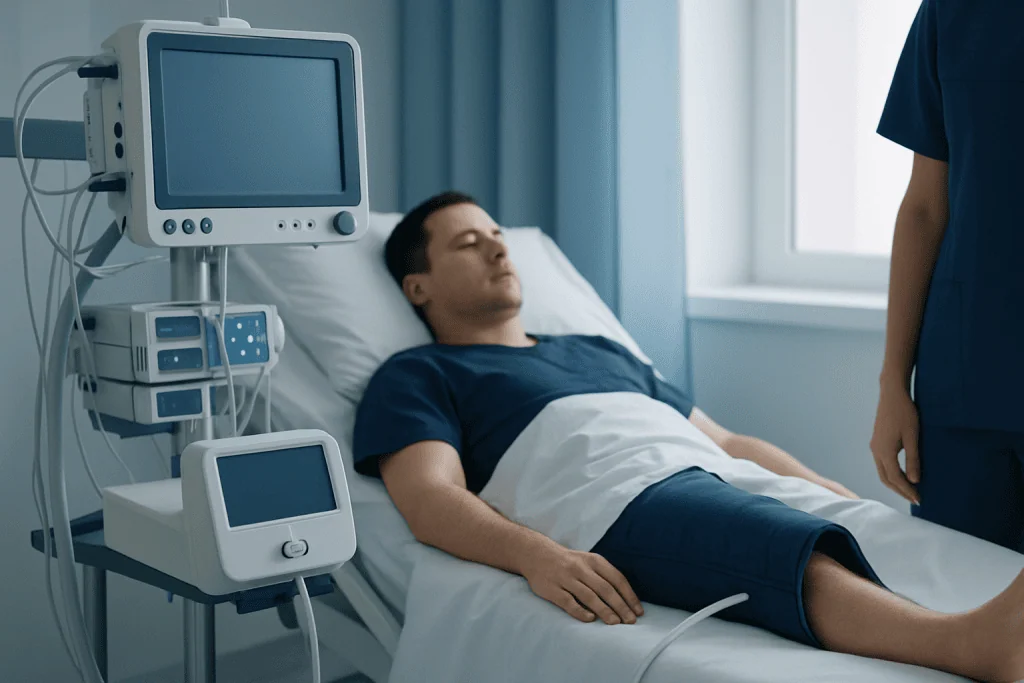
The symptoms of post thrombotic syndrome often become more noticeable after prolonged standing, sitting, or walking, and they may improve with rest and leg elevation. Many people describe a feeling of heaviness, tightness, or aching in one leg. Others report cramps, itching, tingling, or a sense of fatigue in the limb.
Visible changes are also common. The affected leg may look swollen, especially around the ankle or calf, and the skin may appear darker, reddish-brown, or thickened over time. In more advanced cases, the skin can become fragile, dry, or inflamed, and some people may develop a venous ulcer, which is a slow-healing sore near the ankle.
Symptoms can range from mild to severe and may interfere with work, exercise, sleep, and comfort during travel. Typical features include:
- Swelling in one leg
- Aching, pain, or tenderness
- Heaviness or leg fatigue
- Cramps, burning, or itching
- Skin discoloration or hardening
- Varicose veins that become more noticeable
- A sore or ulcer near the ankle in more severe cases
Because these symptoms can resemble other vein conditions, a clinician may also consider related problems such as varicose veins or chronic venous insufficiency when evaluating the leg.
Why it happens: causes and risk factors

The main cause of post thrombotic syndrome is damage left behind after a deep vein thrombosis. A clot can stretch the vein, inflame the lining, and injure the one-way valves that normally stop blood from flowing backward. Even after the body partly clears the clot, the vein may stay narrowed or the valves may remain weak, allowing pressure to build up in the lower leg.
Not everyone who has a DVT develops post thrombotic syndrome. The risk tends to be higher when the original clot was large, involved the thigh or pelvis, came back more than once, or was not fully controlled. Persistent obesity, reduced mobility, and poor vein function before the clot may also increase the chance of long-term symptoms.
Other factors that may contribute include delayed diagnosis of DVT, difficulty using compression therapy, or conditions that affect circulation and healing. It is important to remember that post thrombotic syndrome is a known complication of deep vein thrombosis, not a sign that someone has done something wrong. Early treatment and good follow-up can reduce risk, but they do not prevent every case.
How doctors diagnose post thrombotic syndrome
There is no single blood test that confirms post thrombotic syndrome. Diagnosis usually begins with a detailed history of a past DVT, the pattern of symptoms, and a physical examination of the leg. The doctor will look for swelling, skin changes, tenderness, visible veins, and signs of poor circulation or ulcer formation.
An ultrasound of the leg veins is often used when symptoms are new, worsening, or unclear. This test helps check for a fresh clot and can also show whether older vein damage, scarring, or valve failure is present. Sometimes the goal is not only to confirm post thrombotic syndrome, but also to rule out other causes of swelling such as lymphedema, infection, heart disease, kidney disease, or joint and muscle conditions.
Doctors may also assess symptom severity with structured clinical scoring tools. This can be helpful over time because post thrombotic syndrome is a condition that may fluctuate. Accurate diagnosis matters because treatment works best when it is tailored to the level of symptoms, the state of the veins, the skin condition, and the person’s daily routine.
Treatment options and long-term management
Treatment for post thrombotic syndrome is aimed at improving blood flow, easing symptoms, protecting the skin, and preventing complications. Many people benefit from a combination of approaches rather than one single treatment. Compression stockings are commonly used to help reduce swelling and discomfort, especially during the day when a person is upright for long periods. They should be fitted and used according to professional advice.
Regular movement is another important part of care. Walking and calf-muscle exercises can help the veins return blood more effectively. Doctors may also recommend leg elevation when resting, weight management when appropriate, and an individualized plan for returning to activity after DVT. Good skin care is essential, particularly if the lower leg is dry, itchy, or discolored, because healthy skin is less likely to crack or ulcerate.
If symptoms are significant or the veins show important obstruction or reflux, a vascular specialist may evaluate whether a procedure could help selected patients. Depending on the anatomy and cause, this may include minimally invasive options used in venous insufficiency treatment or endovascular approaches such as angioplasty and stent placement to improve flow in narrowed veins. When a non-healing wound is present, wound care may be part of treatment alongside compression and circulation management.
Some people with a history of DVT also continue or restart anticoagulant treatment based on their clotting risk, but this decision depends on the person’s full medical picture and is not specifically a treatment for post thrombotic syndrome symptoms alone. The care plan is usually individualized and may involve primary care, hematology, vascular medicine, dermatology, and rehabilitation specialists. Acibadem International’s multidisciplinary specialists in JCI-accredited hospitals also diagnose and treat post thrombotic syndrome for international patients when advanced evaluation is needed.
Prevention and self-care after a DVT
The best time to reduce the risk of post thrombotic syndrome is during and after treatment for a deep vein thrombosis. Following the prescribed anticoagulant plan, attending follow-up visits, and reporting ongoing swelling or pain are all important. Early mobility, when advised by the treating doctor, can support circulation and recovery.
Self-care often makes a meaningful difference in comfort. Daily habits may include wearing compression as recommended, raising the legs when resting, avoiding long periods of standing still, and taking walking breaks during travel or desk work. Supportive shoes, regular exercise, and gradual conditioning can also help reduce venous pressure in the lower limbs.
Skin protection should not be overlooked. Using a simple moisturizer, checking the lower leg for dryness or small injuries, and seeking early help for redness or breakdown may prevent more serious problems. If symptoms become persistent, keeping a record of swelling patterns, triggers, and response to compression can help the doctor adjust treatment.
- Take anticoagulants exactly as prescribed for DVT, if they are part of the care plan
- Stay physically active within medical guidance
- Maintain a healthy weight if possible
- Use compression garments correctly if advised
- Protect and moisturize the skin on the lower leg and ankle
- Seek review if symptoms limit walking, work, or sleep
When to seek medical care
Post thrombotic syndrome itself is usually managed over time, but some symptoms should prompt faster medical assessment. A doctor should review leg symptoms that are new, worsening, or different from the person’s usual pattern. This is especially important because a repeat DVT can feel similar to post thrombotic syndrome at first.
Medical care should be sought promptly if there is sudden increase in swelling, new redness or warmth, severe pain, skin breakdown, or a sore that does not heal. Urgent care is also needed for chest pain, coughing blood, fainting, or shortness of breath, because these can be warning signs of a pulmonary embolism.
Even without emergency symptoms, it is sensible to arrange an appointment if leg discomfort is affecting daily activities, if compression stockings are difficult to tolerate, or if the diagnosis has never been formally assessed. Early review can help confirm the cause, improve symptom control, and protect long-term vein health.
Frequently asked questions
Can post thrombotic syndrome go away completely?
Post thrombotic syndrome is often a long-term condition because it reflects lasting vein damage after a clot. Symptoms may improve with compression, exercise, skin care, and other treatments, but some people continue to have ongoing symptoms that need management over time.
How soon after a DVT can post thrombotic syndrome develop?
It can develop within the first few months after a deep vein thrombosis, but in some people it becomes noticeable later. The timing varies depending on how much vein damage occurred and how the leg recovers after the clot.
Is post thrombotic syndrome dangerous?
It is usually not immediately dangerous, but it can significantly affect comfort, mobility, and skin health. The main concern is that a new blood clot can mimic the same symptoms, so sudden changes should always be checked by a doctor.
Do all people with DVT get post thrombotic syndrome?
No. Many people recover from DVT without developing long-term vein symptoms. Risk is higher in some situations, such as a larger clot, recurrent DVT, obesity, or more severe vein damage.
Are compression stockings always needed?
Not always, but they are commonly recommended because they can help reduce swelling and improve comfort. The type, fit, and duration of use should be guided by a qualified clinician, since stockings are not right for everyone.
Can exercise make post thrombotic syndrome worse?
In most cases, appropriate exercise is helpful rather than harmful. Walking and calf-strengthening movements support blood flow, though the activity plan should be adjusted if symptoms are severe or if there are ulcers or other medical issues.
References
- Centers for Disease Control and Prevention
- National Heart, Lung, and Blood Institute
- Society for Vascular Surgery
- American Heart Association
- National Institute for Health and Care Excellence
This article is for general information only and is not a substitute for professional medical advice. Please consult a qualified doctor about your individual situation.
Explore treatments in Turkey — costs, top hospitals & a free quote
JCI-accredited · board-certified surgeons · reply within 24h