Periodic Limb Movement Disorder: A Complete Clinical Guide for Patients

Periodic limb movement disorder involves repetitive limb jerks during sleep, most often in the legs. A sleep study is usually needed to confirm the diagnosis and rule out other sleep disorders.
Key Takeaways
- Periodic limb movement disorder involves repetitive limb jerks during sleep, most often in the legs.
- A sleep study is usually needed to confirm the diagnosis and rule out other sleep disorders.
- PLMD is different from restless legs syndrome, although the two can occur together.
- Treatment focuses on the cause, symptom severity, sleep quality, and any related conditions such as iron deficiency or sleep apnea.
- Medical review is important when symptoms disturb sleep, cause daytime fatigue, or affect a bed partner.
Periodic limb movement disorder is a sleep-related movement condition in which a person has repeated, involuntary limb movements during sleep, often affecting the legs. It may fragment sleep, reduce sleep quality, and contribute to daytime tiredness, even when the person does not fully wake up each time.
Overview
Periodic limb movement disorder is a condition in which the arms or, more commonly, the legs make repeated, involuntary movements during sleep. These movements usually happen in a pattern, often every 20 to 40 seconds, and can continue for minutes or even longer periods through the night. A person may not remember the movements, but the repeated interruptions can lower sleep quality.
The term is sometimes confused with periodic limb movements of sleep, which are movements seen on a sleep study. Not everyone who has these movements has a disorder. It is called periodic limb movement disorder, or PLMD, when the movements are linked to sleep disturbance, daytime symptoms, or both, and another cause does not explain the problem better.
PLMD can affect adults and children, and it may appear on its own or alongside other sleep or medical conditions. Because symptoms often show up as poor sleep, daytime fatigue, or a partner noticing kicking at night, people may live with it for a long time before receiving a clear diagnosis.
How PLMD feels and what symptoms it can cause
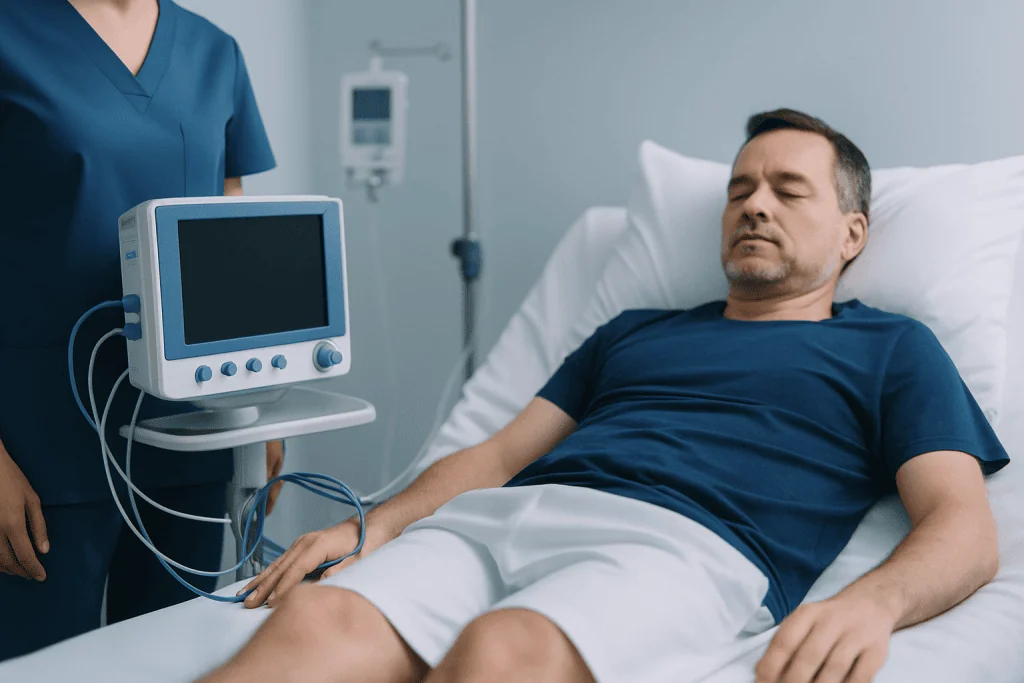
The movements in PLMD are usually brief muscle contractions, most often involving the toes, ankles, knees, or hips. They may look like toe extension, ankle flexing, or a small kick. Although the movements happen during sleep, their effects are often noticed during the day.
Common symptoms and signs may include:
- Unrefreshing sleep despite spending enough time in bed
- Frequent awakenings or restless sleep
- Daytime sleepiness or fatigue
- Difficulty concentrating
- Irritability or reduced daytime performance
- A bed partner noticing repetitive kicking or jerking movements
Some people wake briefly after a movement, while others do not become fully aware of it. In many cases, the person seeks help because they feel exhausted during the day, while a partner reports repeated leg movements at night.
PLMD does not always cause obvious symptoms. Mild periodic limb movements may be found during sleep testing done for another reason. For this reason, diagnosis depends not just on the movements themselves but also on whether they are clinically meaningful and not better explained by another sleep disorder.
PLMD and restless legs syndrome: understanding the difference

Periodic limb movement disorder and restless legs syndrome are related but not the same. Restless legs syndrome is a sensory-motor condition that causes an urge to move the legs, usually in the evening or at rest, often with uncomfortable sensations such as crawling, pulling, tingling, or aching. Symptoms improve with movement.
PLMD, by contrast, happens during sleep and usually without the person choosing to move. A person with PLMD may have no leg discomfort while awake. However, many people with restless legs syndrome also have periodic limb movements during sleep. This overlap is one reason a careful evaluation is important.
Other sleep conditions can also mimic or accompany PLMD, including sleep apnea and insomnia. When someone has poor sleep, snoring, witnessed breathing pauses, morning headaches, or strong daytime sleepiness, doctors may need to look beyond limb movements alone to find the main cause.
Causes and risk factors
The exact cause of PLMD is not always known. Researchers believe it may involve the brain and spinal pathways that help regulate movement during sleep, and in some people it may be linked to dopamine signaling or iron handling in the nervous system. PLMD can occur as a primary condition, but it is often associated with other health issues.
Factors and conditions that may be linked with periodic limb movements include:
- Increasing age
- Family history of sleep movement disorders
- Iron deficiency or low iron stores
- Chronic kidney disease
- Diabetes-related nerve problems
- Certain medications, including some antidepressants or other drugs that affect the nervous system
- Sleep deprivation or irregular sleep schedules
- Other sleep disorders, especially obstructive sleep apnea
Women may notice sleep disruption more during times of hormonal change, such as pregnancy or menopause, although a doctor still needs to assess whether PLMD is truly present or whether another sleep condition is contributing. Children can also have periodic limb movements, especially when iron deficiency or neurodevelopmental issues are present.
Because the causes vary, treatment is not one-size-fits-all. Identifying related conditions, medication triggers, or low iron levels can make a major difference in symptom control and sleep quality.
How doctors diagnose periodic limb movement disorder
Diagnosis starts with a detailed sleep history. A doctor will ask about bedtime habits, sleep quality, daytime tiredness, medication use, caffeine or alcohol intake, and whether a bed partner has observed leg kicking or jerking. They will also ask about symptoms of restless legs syndrome, snoring, breathing pauses, and other neurologic or medical conditions.
The key test for confirming PLMD is usually an overnight sleep study, also called polysomnography. This test records brain activity, breathing, heart rhythm, oxygen levels, and muscle activity during sleep. It helps measure how often limb movements occur and whether they are linked to arousals that fragment sleep. A sleep study is also important because it can identify other conditions that may be the main cause of symptoms, such as insomnia or sleep-disordered breathing.
Doctors may also request blood tests, especially to check iron status and sometimes kidney function or other metabolic factors. The diagnosis of PLMD is made only when periodic limb movements are frequent enough, symptoms are present, and another explanation is less likely. This careful approach helps avoid overdiagnosis and guides the most appropriate treatment plan.
Treatment options and improving sleep quality
Treatment depends on how much the condition affects sleep and daytime functioning, and whether another problem is contributing. If a sleep study shows another disorder, that issue may need to be treated first. For example, if breathing pauses are disrupting sleep, doctors may address them with sleep apnea treatment before deciding how much of the symptom burden comes from limb movements.
When low iron stores are present, iron replacement may be recommended under medical supervision. If a medicine seems to be worsening symptoms, a doctor may review alternatives. In some cases, medication can be considered to reduce movements or improve sleep continuity, but the choice depends on age, other health conditions, and the balance of benefits and side effects.
General management may include:
- Correcting iron deficiency when present
- Reviewing medicines that may trigger or worsen symptoms
- Treating related sleep disorders or medical conditions
- Improving sleep habits and maintaining a regular sleep schedule
- Reducing evening caffeine, nicotine, or alcohol when these interfere with sleep
Some people benefit from specialist care in sleep medicine, neurology, or both. In more complex cases, a broader neurology evaluation and treatment plan may help clarify whether another movement or nerve condition is contributing. Near the end of the care pathway, patients seeking coordinated assessment may also be seen at Acibadem International, where multidisciplinary specialists in JCI-accredited hospitals evaluate and treat sleep and neurologic conditions for international patients.
Self-care, daily habits, and long-term outlook
Self-care cannot replace diagnosis, but it can support better sleep and reduce triggers. A regular sleep-wake schedule is often helpful because sleep deprivation can make night-time movements and daytime fatigue feel worse. Creating a calm bedroom environment and allowing enough time for sleep are simple but meaningful steps.
Helpful habits may include:
- Keeping consistent bedtimes and wake times
- Limiting caffeine later in the day
- Avoiding nicotine and heavy alcohol use near bedtime
- Staying physically active, while avoiding intense exercise too close to bedtime if it disrupts sleep
- Tracking symptoms, medications, and sleep patterns to discuss with a doctor
The outlook is generally good when contributing factors are identified and addressed. Some people have mild symptoms that improve with changes in sleep habits or treatment of another disorder. Others need ongoing follow-up, especially if symptoms return, medicines change, or a related condition such as restless legs syndrome develops over time.
When to seek medical care
Medical review is a good idea if repeated night-time limb movements are suspected and sleep no longer feels restful. It is especially important when daytime sleepiness affects driving, work, school, mood, or concentration. A doctor can help determine whether PLMD is present or whether another sleep problem is the main cause.
A person should seek care sooner if they also have loud snoring, witnessed pauses in breathing, unusual behaviors during sleep, leg discomfort while resting, symptoms of iron deficiency, or a sudden change in sleep quality. Parents should discuss concerns with a pediatrician if a child has poor sleep, daytime inattention, or frequent night-time movements.
Because several conditions can overlap, professional evaluation matters. In some cases, clinicians may recommend broader sleep disorder treatment to address the full picture rather than focusing on limb movements alone.
Frequently asked questions
Is periodic limb movement disorder the same as restless legs syndrome?
No. Restless legs syndrome causes an urge to move the legs while awake, especially in the evening or during rest, often with uncomfortable sensations. Periodic limb movement disorder happens during sleep and involves involuntary movements that may disturb sleep quality.
Can someone have periodic limb movements without having a disorder?
Yes. Periodic limb movements can appear on a sleep study in people who do not have significant symptoms. It is called a disorder when the movements are linked to sleep disruption or daytime problems and another cause does not explain the symptoms better.
How is PLMD diagnosed?
Doctors usually diagnose PLMD with a clinical evaluation and an overnight sleep study called polysomnography. The sleep study records muscle activity and shows how often the movements happen and whether they interrupt sleep.
What causes periodic limb movement disorder?
The exact cause is not always clear. PLMD may be associated with iron deficiency, certain medications, kidney disease, nerve problems, aging, or other sleep disorders such as sleep apnea.
Can PLMD be treated?
Yes, treatment is available and depends on the cause and the severity of symptoms. Management may include correcting iron deficiency, reviewing medications, treating related sleep conditions, improving sleep habits, and sometimes using prescription medicines selected by a doctor.
When should a person see a doctor about leg movements during sleep?
A medical assessment is worthwhile when sleep feels unrefreshing, daytime fatigue becomes noticeable, or a bed partner reports frequent kicking or jerking. Prompt review is especially important if symptoms occur with snoring, breathing pauses, unusual sleep behaviors, or significant daytime sleepiness.
References
- American Academy of Sleep Medicine
- National Institute of Neurological Disorders and Stroke
- National Heart, Lung, and Blood Institute
- Mayo Clinic
- MedlinePlus
This article is for general information only and is not a substitute for professional medical advice. Please consult a qualified doctor about your individual situation.
Explore treatments in Turkey — costs, top hospitals & a free quote
JCI-accredited · board-certified surgeons · reply within 24h