LH Surge: An Evidence-Based Guide for Patients

An LH surge is a temporary rise in luteinizing hormone that usually occurs before ovulation. Ovulation commonly follows about 24 to 36 hours after the LH surge begins, though timing varies between individuals and cycles.
Key Takeaways
- An LH surge is a temporary rise in luteinizing hormone that usually occurs before ovulation.
- Ovulation commonly follows about 24 to 36 hours after the LH surge begins, though timing varies between individuals and cycles.
- Ovulation predictor kits detect LH in urine, but a positive result does not always guarantee that an egg was released.
- Stress, polycystic ovary syndrome, perimenopause, and some medications can affect LH patterns and test results.
- If cycles are very irregular, ovulation is unclear, or pregnancy is not happening as expected, medical evaluation can help.
LH surge is the short, natural rise in luteinizing hormone that usually happens shortly before ovulation. Understanding its timing can help people track their fertile window, interpret ovulation tests, and know when cycle changes may need medical advice.
Overview: what an LH surge means
The LH surge is a brief rise in luteinizing hormone, a hormone made by the pituitary gland. In most menstrual cycles, this increase signals that the ovary is preparing to release an egg. Ovulation often happens about 24 to 36 hours after the surge begins, although exact timing can differ from one person to another.
For people trying to conceive, the LH surge matters because it helps identify the most fertile days of the cycle. Sperm can survive in the reproductive tract for several days, so intercourse in the days before ovulation and around the surge is often most relevant. For others, understanding the surge can simply make cycle patterns easier to interpret.
It is also important to know what the LH surge does not mean. A positive ovulation test shows that LH rose above a certain level in urine, but it does not prove with certainty that ovulation took place. In some conditions, hormone patterns can look typical while ovulation is delayed or may not occur.
How the LH surge fits into the menstrual cycle
During the first half of the menstrual cycle, follicles in the ovary grow under the influence of hormones, especially follicle-stimulating hormone and estrogen. As one follicle becomes dominant, estrogen levels rise. When estrogen remains high enough for long enough, it signals the brain to release a larger amount of luteinizing hormone.
That hormonal signal is the LH surge. It helps complete the egg’s final maturation and triggers the chain of events that leads to ovulation. After the egg is released, the emptied follicle forms the corpus luteum, which produces progesterone to support the second half of the cycle.
Many people expect ovulation to happen on day 14, but cycle timing varies widely. In a 28-day cycle, the LH surge may occur around the middle of the cycle, yet shorter or longer cycles can shift the timing earlier or later. This is why personal tracking over several months is often more helpful than relying on calendar averages alone.
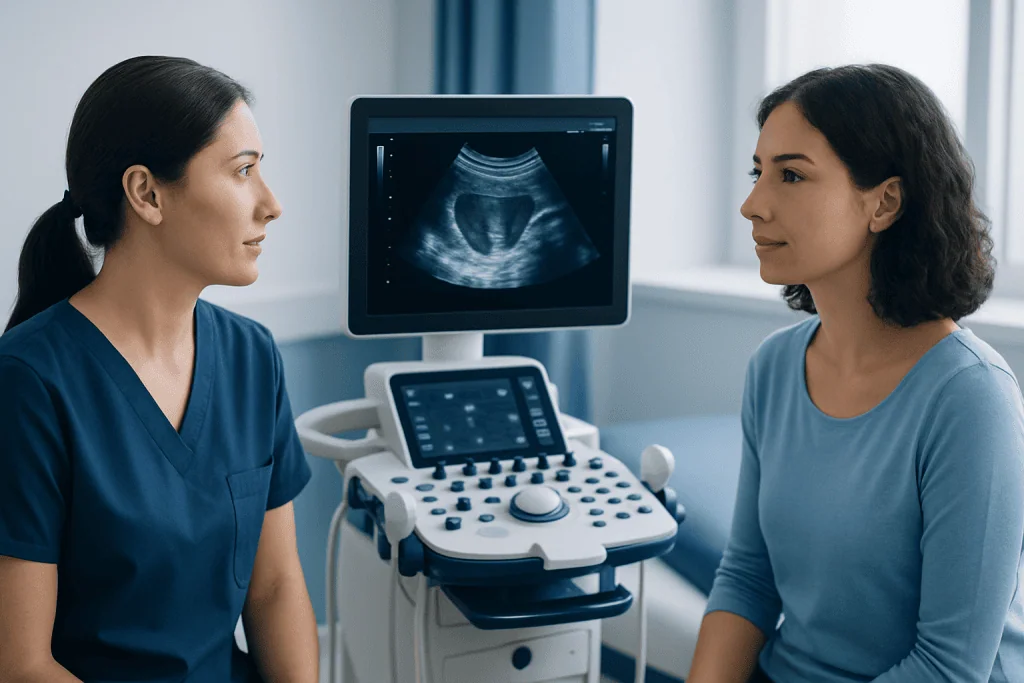
Because the LH surge is linked to ovulation, it often comes up in fertility care. When patients are being assessed for irregular ovulation or difficulty conceiving, clinicians may compare home LH testing with ultrasound, progesterone testing, or broader infertility evaluation.
Common signs and how to detect it

Most people do not physically feel the LH surge itself. Instead, they notice signs that tend to occur around the fertile window. These may include clearer, wetter, or more slippery cervical mucus, mild one-sided pelvic discomfort around ovulation, a slight rise in sexual desire, or changes in the cervix. These signs are not specific, but they can be useful when considered together.
Home ovulation predictor kits are the most common way to detect an LH surge. These tests measure luteinizing hormone in urine. A positive result usually means the fertile window is open and ovulation may follow soon. Testing at roughly the same time each day and reading the instructions carefully can improve usefulness, since test sensitivity and result interpretation vary by brand.
Some people combine LH testing with cycle tracking methods such as:
- Menstrual calendar or app tracking
- Observation of cervical mucus changes
- Basal body temperature charting
- Ultrasound monitoring in a clinical setting
Basal body temperature is helpful for confirming that ovulation likely already happened, because temperature usually rises after progesterone increases. By contrast, LH testing aims to predict ovulation before it occurs. Used together, these methods can provide a more complete picture than any single sign alone.
What can affect LH surge timing or test results
Not every cycle follows the same hormone pattern. Stress, sleep disruption, significant weight change, intense exercise, recent illness, and travel can all influence the timing of ovulation. As a result, the LH surge may occur earlier, later, or occasionally not be clearly detected in a given cycle.
Certain medical conditions also affect LH patterns. Polycystic ovary syndrome (PCOS) can cause irregular ovulation and sometimes chronically higher LH levels, which may make home ovulation tests harder to interpret. Thyroid disorders, high prolactin levels, and the natural transition toward perimenopause can also change hormone patterns and cycle regularity.
Medications may play a role as well. Fertility drugs, hormonal contraception, and some hormone therapies can alter the cycle or interfere with how results are interpreted. If a person is under fertility treatment, clinicians may use blood tests and ultrasound rather than relying only on urine LH kits. In some situations, care may involve IVF or other forms of fertility treatment tailored to the cause of ovulatory problems.
It is also possible to miss the surge if it is brief or if testing begins too late in the cycle. Very diluted urine may reduce test accuracy, and some people naturally have lower or more gradual rises that are more difficult for home kits to capture.
When the LH surge is useful—and when it has limits
For many people trying to become pregnant, LH testing is a practical way to time intercourse during the fertile window. A positive result often suggests that the next day or so is an important time for conception. This can be especially useful when cycles are somewhat variable and calendar predictions are unreliable.
However, a positive LH test does not confirm that an egg was released, and a negative test does not always mean ovulation is far away. Some people have multiple LH rises before true ovulation, while others may ovulate without a clearly captured positive test. This is one reason clinicians interpret home testing in the context of symptoms, menstrual history, and, when needed, laboratory or ultrasound findings.
For those avoiding pregnancy, LH tracking alone is not a reliable contraceptive method. The fertile window starts before the surge, and sperm can survive for several days. Anyone seeking pregnancy prevention should discuss dependable contraception with a qualified clinician.
When conception is not happening as expected, clinicians may suggest a broader reproductive workup. Depending on the situation, this can include hormone testing, semen analysis, pelvic imaging, and consultation in gynecology or reproductive medicine.
Diagnosis and medical evaluation of ovulation concerns
A doctor may recommend evaluation if periods are very irregular, absent, unusually heavy, or associated with symptoms such as excess hair growth, acne, breast discharge, or pelvic pain. The medical history usually includes cycle length, bleeding pattern, medication use, body weight changes, stress, and pregnancy goals. This information helps determine whether the issue is likely to be ovulatory, hormonal, structural, or a combination of factors.
Testing may include blood work to check hormones such as thyroid hormones, prolactin, progesterone, and sometimes LH and follicle-stimulating hormone. Pelvic ultrasound can help assess the ovaries and uterus. In fertility care, ultrasound may also be used to follow follicle growth and better estimate whether and when ovulation occurs.
If symptoms suggest a condition such as PCOS or reduced ovarian reserve, the clinician may investigate further. The goal is not only to interpret the LH surge but to understand the whole cycle. That broader view often leads to the most useful treatment plan.
At specialized centers, multidisciplinary teams can evaluate hormonal, gynecologic, and fertility-related causes together. Acibadem International’s multidisciplinary specialists in JCI-accredited hospitals diagnose and treat reproductive and ovulatory concerns for international patients when more detailed assessment is needed.
Self-care, fertility timing, and when to seek medical care
Helpful self-care starts with consistent tracking. Recording cycle dates, cervical mucus changes, LH test results, and any symptoms over several months can reveal patterns that are not obvious in a single cycle. General health measures such as adequate sleep, stress management, balanced nutrition, and avoiding smoking also support reproductive health, although they cannot correct every ovulation problem on their own.
For conception timing, many couples aim to have intercourse in the days leading up to ovulation and on the day of a positive LH test or the following day. Because cycle biology differs among individuals, this approach is usually more practical than focusing on one exact hour. If tracking becomes stressful, a clinician can help simplify the plan.
When to seek medical care:
- Periods are absent, very irregular, or consistently shorter or longer than usual
- Ovulation tests are repeatedly confusing or never seem to turn positive
- There are symptoms such as severe pelvic pain, heavy bleeding, or signs of hormone imbalance
- Pregnancy is not occurring after a reasonable period of trying, based on age and medical history
- There is known PCOS, thyroid disease, endometriosis, or prior reproductive surgery
Medical advice is also important after miscarriage, if there are concerns about early menopause, or when fertility preservation or treatment is being considered. Early evaluation can clarify whether the LH surge is occurring normally and whether ovulation is actually taking place.
Frequently asked questions
How long after the LH surge does ovulation happen?
Ovulation usually occurs about 24 to 36 hours after the LH surge begins, and often about 10 to 12 hours after the LH level peaks. This timing can vary between people and even from one cycle to the next. A positive ovulation test is therefore best seen as a useful estimate rather than an exact clock.
Can a person have an LH surge and still not ovulate?
Yes. A urine test can show a rise in luteinizing hormone without confirming that the ovary actually released an egg. This can happen in some hormonal conditions or in cycles where the body begins the ovulation process but does not complete it.
What is the best time of day to take an ovulation test?
Many brands recommend testing around the same time each day, often later in the morning or afternoon rather than with the first urine of the day. Following the instructions on the specific kit is important because recommendations differ. Avoiding very excessive fluid intake beforehand may also help prevent overly diluted urine.
Does a positive LH test mean the fertile window has started?
Usually yes, but the fertile window often begins before the test turns positive. Sperm can survive in the reproductive tract for several days, so pregnancy can occur from intercourse before the surge is detected. That is why those trying to conceive often consider both symptoms and test results together.
Why are ovulation tests hard to interpret with PCOS?
Some people with PCOS have irregular ovulation or naturally higher LH levels, which may lead to frequent or unclear positive results. This can make urine testing less reliable as a stand-alone method. In those cases, a doctor may recommend additional monitoring, such as ultrasound or hormone testing.
Should someone worry if they never detect an LH surge?
Not necessarily, because the surge may have been missed, may have been too brief to catch, or the test may have been started too late in the cycle. However, if this happens repeatedly or periods are irregular, medical evaluation is reasonable. A clinician can help determine whether ovulation is occurring and whether an underlying hormone issue is present.
References
- American College of Obstetricians and Gynecologists
- American Society for Reproductive Medicine
- National Institute for Health and Care Excellence
- Mayo Clinic
- Office on Women's Health
This article is for general information only and is not a substitute for professional medical advice. Please consult a qualified doctor about your individual situation.
IVF & fertility treatment in Turkey — success rates and costs
JCI-accredited · board-certified surgeons · reply within 24h
Add us as a Preferred Source to see more of our trusted health content across Google Search, AI Overviews and Discover.
Check your numbers in seconds
BMI, calories, due date, blood pressure and 30+ more clinical calculators — free, instant, doctor-reviewed ranges.