

Calcified: A Complete Medical Overview

Calcified is a descriptive medical term, not a diagnosis by itself. Calcium deposits can form in blood vessels, joints, breasts, kidneys, tendons, lungs, and other tissues.
Key Takeaways
- Calcified is a descriptive medical term, not a diagnosis by itself.
- Calcium deposits can form in blood vessels, joints, breasts, kidneys, tendons, lungs, and other tissues.
- Some calcified findings cause no symptoms, but others may lead to pain, stiffness, organ-related symptoms, or abnormal imaging results.
- Doctors assess calcification based on its location, pattern, symptoms, and a person’s overall health history.
- Treatment depends on the cause and may range from monitoring to medication or a targeted procedure.
- Persistent pain, new lumps, chest symptoms, or neurological symptoms should be assessed by a qualified doctor.
Calcified means calcium has built up in body tissue where it is not normally expected, or in greater amounts than usual. Some calcified findings are harmless and discovered by chance, while others can be linked to aging, inflammation, injury, or an underlying medical condition that needs evaluation.
What does calcified mean?
Calcified means that calcium salts have collected in tissue, creating an area that appears denser or harder than the surrounding structure. In medicine, this term is often used on imaging reports, such as X-rays, ultrasound, CT scans, or mammograms, to describe a visible calcium deposit rather than to name a single disease.
Calcium is essential for bones, teeth, muscle function, and nerve signaling. However, calcium can sometimes build up in places where it does not belong, including blood vessels, tendons, soft tissues, kidneys, or organs. This process is called calcification. It may happen gradually with aging, after injury, during chronic inflammation, or because of certain metabolic or endocrine disorders.
A calcified finding is not automatically dangerous. Some are old, stable changes that do not need treatment. Others may point to a specific health problem that should be investigated further. The main questions doctors ask are where the calcification is, why it formed, and whether it is causing symptoms or affecting function.
Where calcification can occur in the body
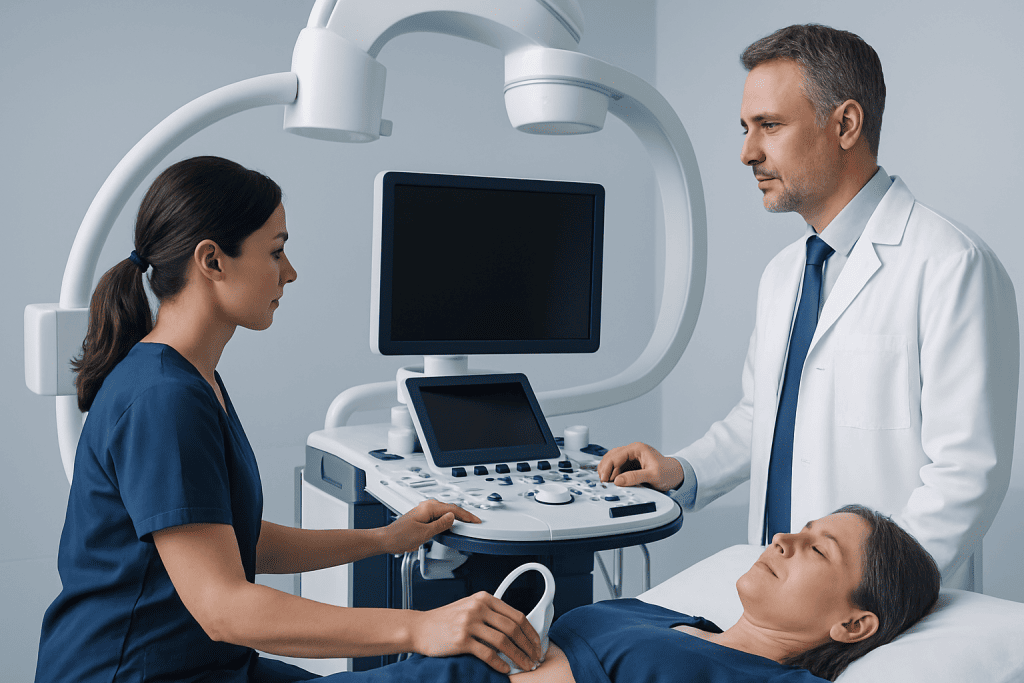
Calcification can develop in many body areas. Common examples include calcified lymph nodes after old infections, calcified tendons in the shoulder, calcified plaques in arteries, calcified kidney stones, and calcified uterine fibroids. In the breast, tiny calcium specks called microcalcifications may be seen on mammography and often require comparison with their pattern and distribution to determine whether they are benign or need closer assessment.
In the heart and blood vessels, calcium can accumulate in artery walls or heart valves. This may be related to atherosclerosis or age-related valve changes. In joints and tendons, calcium deposits may contribute to pain, limited movement, or inflammation. In the kidneys or urinary tract, mineral buildup may be linked to stone formation and overlap with conditions such as kidney stones.
Calcification can also affect organs such as the lungs, pancreas, thyroid, prostate, or brain. Sometimes it is found during evaluation for another issue and has little clinical significance. In other cases, the location helps doctors identify a previous infection, chronic irritation, or a specific disease process that may need follow-up.
Symptoms and how calcified tissue may feel

Many calcified areas cause no symptoms at all. They are often discovered incidentally during imaging done for another reason. For example, a person may learn that a scarred lymph node or an old tendon injury has calcified without ever having noticed a problem.
When symptoms do occur, they depend on the tissue involved. Calcification in a tendon or joint may cause pain, tenderness, swelling, stiffness, or reduced range of motion. Calcification in the urinary tract may be associated with flank pain, blood in the urine, or urinary symptoms. Vascular calcification may not be felt directly, but it can be associated with circulation problems or other cardiovascular disease.
Breast calcifications usually cannot be felt and are generally seen only on imaging. By contrast, calcified skin or soft tissue deposits may sometimes feel like a firm lump. If calcification affects structures near nerves, the spinal column, or the brain, symptoms may include numbness, weakness, headaches, or movement changes, though these causes are less common and need individualized medical review.
- Pain with movement or pressure
- Stiffness or reduced flexibility
- A firm or hard area under the skin
- Organ-specific symptoms such as urinary discomfort or chest-related complaints
- No symptoms, with discovery only on imaging
Why calcification happens: causes and risk factors
Calcification can happen for several reasons. One broad category is dystrophic calcification, which develops in damaged or inflamed tissue even when blood calcium levels are normal. This may follow injury, surgery, chronic inflammation, infection, or tissue degeneration. Another category is metastatic calcification, in which calcium is deposited because of abnormal calcium or phosphate balance in the body, sometimes related to kidney disease, parathyroid disorders, or other metabolic problems.
Age is an important risk factor because tissues can change over time, and blood vessels, valves, or tendons may gradually accumulate calcium. Repetitive strain, previous trauma, certain autoimmune or inflammatory conditions, chronic kidney disease, and a history of stones can also increase risk. In arteries, calcification often appears alongside the same risk factors linked with atherosclerosis, such as smoking, diabetes, high blood pressure, and high cholesterol.
Not every calcium deposit reflects a serious illness. Still, a doctor may consider additional causes if calcification appears widespread, develops unusually early, or is associated with abnormal blood tests. Conditions affecting hormone balance, vitamin D metabolism, or chronic inflammation may need to be ruled out. The pattern on imaging often provides important clues about whether the finding is old and benign or active and clinically important.
How doctors diagnose a calcified finding
Diagnosis begins with context. A doctor reviews symptoms, medical history, medications, prior injuries, family history, and any previous imaging. Because calcified areas are most often seen on scans, the report’s description matters: doctors consider the size, shape, borders, number, and location of the deposits, as well as whether they have changed over time.
Imaging may include X-ray, ultrasound, CT, mammography, MRI, or specialized vascular studies depending on the body area involved. For example, breast calcifications are assessed by mammography patterns, while calcium in joints or tendons may be evaluated with X-ray or ultrasound. Vascular or heart-related calcification may lead to further cardiac evaluation or advanced imaging if symptoms or risk factors suggest clinically significant disease.
Blood tests may be used to check calcium, phosphate, kidney function, parathyroid hormone, inflammatory markers, or other values if a metabolic cause is suspected. In some situations, doctors may recommend biopsy or direct tissue sampling, especially if the pattern raises concern for an underlying tumor or if the diagnosis remains unclear. When kidney, urinary, or abdominal symptoms are present, MRI or other imaging can help define the extent and significance of a calcified lesion.
Treatment options and when monitoring is enough
Treatment depends entirely on the cause, location, and symptoms. A stable, harmless calcified area found incidentally may need no treatment at all, only observation or comparison with prior imaging. This is common when calcification represents an old healed process and is not causing any problems.
When calcification is painful or affects function, treatment is directed at the underlying issue. Tendon and joint-related calcium deposits may be managed with rest, physical therapy, anti-inflammatory approaches, or targeted procedures. Some people with persistent shoulder pain from calcium deposits may benefit from specialist assessment and individualized care similar to the approach used in orthopedics and traumatology.
If calcification is linked to kidney stones, vascular disease, endocrine disorders, or chronic inflammation, treating that condition is the priority. Management may include lifestyle changes, medication, or a procedure when needed. In selected cases, a calcified lesion may need surgical removal or biopsy, particularly if it causes obstruction, pain, recurrent symptoms, or uncertainty about the diagnosis. Care plans are tailored rather than based on the word calcified alone.
Prevention, self-care, and living with calcification
It is not always possible to prevent calcification, because some forms are related to aging or prior tissue injury. Still, healthy habits can help reduce risk in certain situations, especially when calcium buildup is linked to vascular disease, kidney stones, or chronic inflammation. General prevention focuses on supporting overall metabolic, cardiovascular, and musculoskeletal health.
Helpful measures may include staying well hydrated, eating a balanced diet, managing blood pressure and blood sugar, avoiding smoking, and keeping regular medical follow-up for kidney, thyroid, or parathyroid disorders. People with known stone disease, recurring tendon problems, or vascular risk factors may receive specific prevention advice from their doctor based on test results and imaging findings.
Self-care should not include taking or stopping calcium or vitamin D supplements without medical guidance. These nutrients are important for many people, but unnecessary supplementation can be unhelpful in some situations. If a calcified finding appears on a report, it is reasonable to ask what it means, whether it is old or new, whether more tests are needed, and whether it relates to any symptoms.
When to seek medical care
Medical review is advisable if a calcified finding is new, unexplained, painful, enlarging, or associated with other symptoms. A doctor should assess persistent joint pain, a new hard lump, blood in the urine, recurrent urinary pain, breast imaging changes, or chest symptoms such as pressure or breathlessness. Sudden neurological symptoms, severe pain, or signs of circulation problems need prompt attention.
Even when a calcified area seems incidental, follow-up can be important if a radiology report recommends additional imaging or comparison studies. A specialist may be involved depending on the location, such as cardiology, orthopedics, urology, breast imaging, endocrinology, or neurology. In many cases, the next step is simply clarification rather than urgent treatment.
For international patients who need evaluation, Acibadem International’s multidisciplinary specialists in JCI-accredited hospitals diagnose and treat conditions associated with calcification using imaging, laboratory assessment, and specialty care tailored to the affected organ system. The goal is to identify whether the calcified finding is benign, age-related, or part of a condition that would benefit from treatment.
Frequently asked questions
Is calcified the same as cancer?
No. Calcified is a descriptive term that means calcium has collected in tissue. Many calcified findings are benign, but some patterns may need further testing to rule out an underlying condition, including cancer in certain settings.
Can a calcified area go away on its own?
Some calcified deposits remain stable for years and do not disappear completely. Whether they change over time depends on the cause, the location, and whether the underlying problem is treated.
Does calcification always cause pain?
No. Many calcified findings cause no symptoms and are found incidentally on imaging. Pain is more likely when calcification affects joints, tendons, soft tissues, or causes blockage or irritation in an organ.
Should calcium supplements be stopped if something is calcified?
Not without medical advice. Calcium supplements are useful for some people and unnecessary or inappropriate for others. A doctor can review the reason for the supplement, blood test results, kidney function, and the type of calcification before recommending any changes.
How is calcification different from a kidney stone?
Kidney stones are a specific type of mineral buildup that forms in the urinary tract and can cause pain or urinary symptoms. Calcification is a broader term that can describe calcium deposits in many different body tissues, including but not limited to stones.
Can exercise make calcified tissue worse?
That depends on the location and cause. Gentle movement and guided rehabilitation may help some tendon or joint-related problems, while overuse can aggravate pain. It is best to follow medical advice tailored to the affected body area.
References
- National Institutes of Health
- Mayo Clinic
- American College of Radiology
- American Heart Association
- National Kidney Foundation
This article is for general information only and is not a substitute for professional medical advice. Please consult a qualified doctor about your individual situation.
Explore treatments in Turkey — costs, top hospitals & a free quote
JCI-accredited · board-certified surgeons · reply within 24h
Add us as a Preferred Source to see more of our trusted health content across Google Search, AI Overviews and Discover.
Check your numbers in seconds
BMI, calories, due date, blood pressure and 30+ more clinical calculators — free, instant, doctor-reviewed ranges.

More from the Health Library



Related Specialists

Assoc. Prof. Dr. Abdullah Okan
Gastroenterology
Assoc. Prof. Dr. Fatma Ölmez
Gynecology & Obstetrics
Dr. Aylin İlksöz
Anesthesiology
Prof. Dr. Can Çalışkan
Gastrointestinal Oncology Unit Clinical Service