Vaginal Pain Explained: Common Triggers and Red Flags

Vaginal pain may feel burning, stinging, aching, pressure, or pain during sitting, urination, tampon use, or sex. Common triggers include irritation, yeast or bacterial infections, low estrogen, pelvic floor muscle tension, and skin or nerve-related conditions.
Key Takeaways
- Vaginal pain may feel burning, stinging, aching, pressure, or pain during sitting, urination, tampon use, or sex.
- Common triggers include irritation, yeast or bacterial infections, low estrogen, pelvic floor muscle tension, and skin or nerve-related conditions.
- Pain with fever, unusual bleeding, sores, severe pelvic pain, or symptoms after childbirth or surgery needs prompt medical review.
- Diagnosis usually depends on a careful history, physical examination, and targeted testing rather than one single test.
- Treatment focuses on the cause and may include skin care changes, infection treatment, hormonal therapy, pelvic floor therapy, or care from a gynecologist.
Vaginal pain is a symptom, not a diagnosis, and it can happen because of irritation, infection, hormonal changes, pelvic floor muscle tension, or nearby gynecologic and urinary conditions. Although many causes are treatable, ongoing, severe, or unexplained pain should be assessed by a qualified doctor.
Overview: what vaginal pain can mean
Vaginal pain can have many causes, ranging from temporary irritation to infections, hormonal changes, muscle tension, or conditions affecting the vulva, pelvis, bladder, or nerves. The discomfort may be felt at the vaginal opening, deeper inside the vagina, or around nearby tissues, and the pattern of pain often gives useful clues about the cause.
Some people describe vaginal pain as burning, stinging, rawness, pressure, throbbing, or pain during sex, tampon use, urination, or sitting. Others notice it only at certain times, such as around menstruation, after intercourse, during pregnancy, or after menopause. Because the vagina and surrounding tissues are closely connected to the urinary tract, pelvic floor muscles, and reproductive organs, pain in this area does not always come from one single source.
A practical way to think about vaginal pain is to separate brief irritation from pain that is persistent, recurring, or getting worse. A short-lived problem may follow friction, new hygiene products, or minor infection. Ongoing pain, however, deserves medical attention because it may be linked to conditions such as ovarian cysts, endometriosis, pelvic floor dysfunction, skin disorders, or chronic pain syndromes.
How vaginal pain may feel and what symptoms can come with it
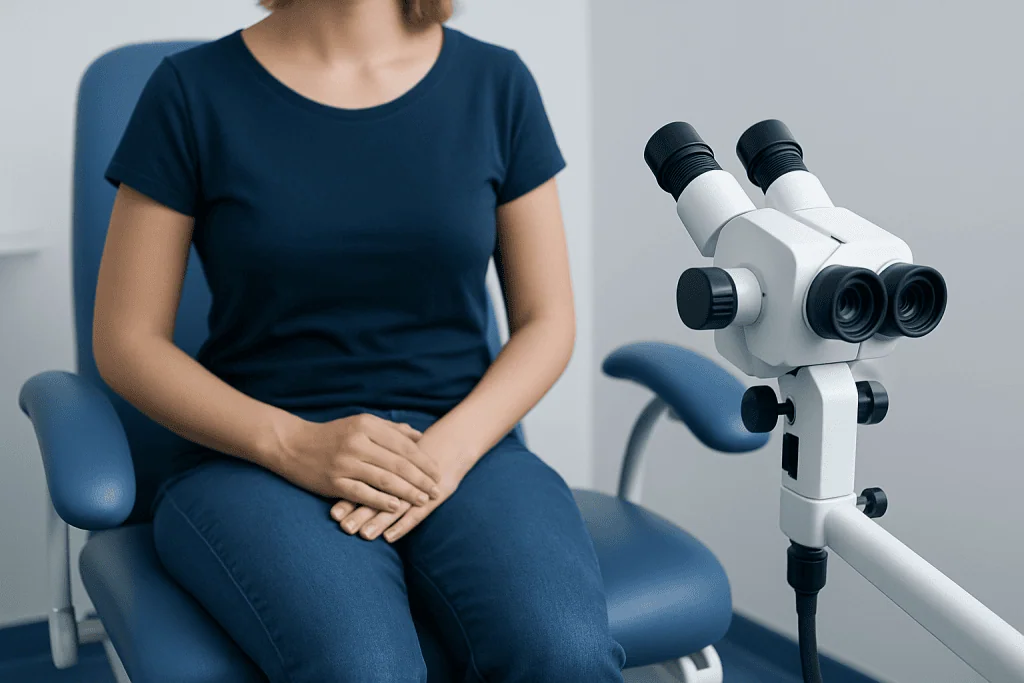
The symptom can vary from person to person. Some feel superficial pain near the entrance of the vagina, while others feel deeper pain during penetration or pelvic pressure that seems to sit inside the pelvis. Pain may be constant or triggered by touch, intercourse, inserting a tampon, exercise, cycling, or prolonged sitting.
Other symptoms can help narrow down the cause. Itching, unusual discharge, odor, and redness often suggest infection or irritation. Dryness, tearing, or pain during sex can be more common with low estrogen, especially after menopause, during breastfeeding, or after some cancer treatments. Cramping, bloating, or pelvic heaviness may suggest a condition involving the uterus or ovaries rather than the vaginal tissue alone.
People may also notice urinary symptoms such as burning during urination, urgency, or bladder discomfort. In some cases, vaginal pain occurs along with pelvic muscle tightness, constipation, lower back pain, or stress-related muscle clenching. This is one reason why a doctor may assess both gynecologic and pelvic floor causes, not only infection.
- Burning or stinging
- Rawness, tenderness, or soreness
- Pain with sex or tampon insertion
- Pain when urinating or after intercourse
- Itching, discharge, odor, or skin changes
- Pelvic pressure, cramping, or lower abdominal pain
Common causes and risk factors

Many everyday factors can irritate the vaginal and vulvar area. Fragranced soaps, douches, bubble baths, wipes, menstrual products, lubricants, latex, and tight or damp clothing may trigger burning or soreness. Friction from intercourse, exercise, or shaving can also cause temporary pain, especially if the skin barrier is already sensitive.
Infections are another common cause. Yeast infections may lead to itching, burning, and soreness, while bacterial vaginosis may cause discharge and odor. Sexually transmitted infections can also lead to pain, discharge, sores, or bleeding. A urinary tract infection may be felt as pain in the vaginal area because of the close location of the urethra and bladder. Hormonal changes are also important; falling estrogen levels can make tissues thinner, drier, and more fragile.
Some people have pain because the pelvic floor muscles are too tight or overactive. This can happen after childbirth, pelvic surgery, long-term pain, or stress-related muscle guarding. Deeper or persistent pain may also be linked to gynecologic conditions such as endometriosis or cysts, as well as skin conditions like lichen sclerosus, or a chronic vulvar pain condition often called vulvodynia. Less commonly, nerve irritation, trauma, or scar tissue may contribute.
Risk factors depend on the underlying cause, but they can include recent antibiotic use, uncontrolled diabetes, menopause, new sexual partners, recent childbirth, pelvic procedures, sensitive skin, and a history of recurrent vaginal or pelvic symptoms. Because there are many possibilities, self-diagnosis can be misleading if pain keeps returning.
How doctors diagnose the cause
Diagnosis begins with a detailed conversation. A doctor will usually ask where the pain is felt, how long it has been present, what it feels like, whether it occurs with sex or urination, and whether there is discharge, bleeding, fever, rashes, or pelvic pain. Menstrual history, menopause status, pregnancy, medications, and prior infections or surgeries can also provide important clues.
A physical examination may include looking at the skin and tissues around the vulva and vaginal opening, checking for tenderness, discharge, dryness, sores, or signs of irritation, and sometimes performing an internal exam if appropriate. In some cases, the clinician may gently assess the pelvic floor muscles because muscle spasm and trigger points can reproduce the pain.
Additional tests are chosen based on the suspected cause. These may include vaginal swabs, urine tests, sexually transmitted infection testing, pH testing, or, when needed, ultrasound or other imaging to look for pelvic causes such as fibroids or ovarian cysts. If symptoms are linked to structural concerns, a doctor may recommend further gynecologic evaluation and, in selected cases, a gynecology check-up or pelvic ultrasound.
Treatment options depend on the cause
There is no single treatment for vaginal pain because the best approach depends on the reason it is happening. If irritation is the problem, treatment often starts with removing triggers such as fragranced products, harsh cleansers, or tight synthetic clothing. For infection, a doctor may prescribe antifungal, antibacterial, or other medication based on the test results and symptoms.
When dryness and thinning are related to low estrogen, a clinician may discuss moisturizers, lubricants, or hormone-based options if appropriate. If the pain is linked to pelvic floor dysfunction, pelvic floor physical therapy can be helpful. This type of therapy focuses on relaxing overactive muscles, improving coordination, and reducing pain with touch, sitting, or intercourse.
Deeper pelvic causes may require condition-specific treatment. For example, endometriosis, fibroids, or cysts may need monitoring, medication, or procedural care. Depending on findings, evaluation may involve specialists in gynecology or, for selected patients, broader obstetrics and gynecology services. The goal is not only to reduce pain but also to address the underlying condition and its effect on daily life.
If symptoms are persistent or complex, doctors may combine treatments. This can include skin care guidance, pain-relieving strategies, pelvic floor therapy, management of bladder or bowel issues, and follow-up to see whether the original diagnosis still fits. Because chronic vulvovaginal pain can have more than one contributor, treatment sometimes takes time and adjustment.
Self-care and prevention
Gentle skin care can make a meaningful difference, especially when the tissues are irritated or sensitive. Many clinicians advise avoiding douching, scented products, deodorizing sprays, and strong soaps in the genital area. Washing with lukewarm water or a mild, fragrance-free cleanser on the external area only may help reduce irritation. Cotton underwear, changing out of wet clothing promptly, and avoiding prolonged friction can also support comfort.
During sex, adequate lubrication can reduce friction-related pain. Water-based or silicone-based lubricants may be useful, though a person with sensitive skin may need to try fragrance-free options. If pain is recurrent with intercourse, forcing penetration is not advisable, because this can worsen muscle guarding and tissue tenderness. A clinician can help identify whether dryness, infection, pelvic floor tension, or another issue is involved.
General health habits can also matter. Good blood sugar control, prompt treatment of infections, safer sex practices, and regular gynecologic care may lower the risk of some causes. Repeated use of over-the-counter treatments without a diagnosis is best avoided, because symptoms that seem like a yeast infection may actually have another explanation.
When to seek medical care
Medical care is recommended if vaginal pain lasts more than a few days, keeps coming back, or interferes with sex, exercise, sleep, sitting, or daily activities. A doctor should also assess pain that appears without a clear cause, especially if home measures have not helped or symptoms are becoming more intense.
Prompt care is especially important if pain is accompanied by fever, unusual vaginal bleeding, a new sore or blister, foul-smelling discharge, severe pelvic or abdominal pain, pain in pregnancy, or symptoms after childbirth, surgery, or trauma. These features can point to infection, injury, or another condition that should not be delayed.
If the pain is deep, associated with heavy periods, infertility concerns, urinary symptoms, or a sense of pelvic pressure, a broader gynecologic evaluation may be needed. Near the end of the care pathway, some people benefit from assessment at centers with multidisciplinary expertise. Acibadem International’s JCI-accredited hospitals care for international patients with vaginal and pelvic pain through coordinated gynecology, imaging, and pelvic health services.
Frequently asked questions
Is vaginal pain always caused by an infection?
No. Infection is one possible cause, but vaginal pain can also happen because of irritation, dryness, pelvic floor muscle tension, skin disorders, or nearby pelvic conditions. A medical assessment helps identify the true reason.
Can vaginal pain happen without discharge or itching?
Yes. Some causes, such as muscle tension, low estrogen, friction, scar tissue, or deeper pelvic conditions, may cause pain without obvious discharge or itch. That is why symptom pattern and examination are important.
Why does vaginal pain happen during sex?
Pain during sex can be linked to dryness, irritation, infection, tight pelvic floor muscles, skin sensitivity, or deeper pelvic conditions such as endometriosis. If intercourse is repeatedly painful, a doctor should evaluate it rather than assuming it is normal.
Can menopause cause vaginal pain?
Yes. Lower estrogen after menopause can make vaginal tissues thinner, drier, and more fragile, which may lead to burning, soreness, or pain with sex. Treatment may include moisturizers, lubricants, and, for some people, hormone-based options recommended by a clinician.
When is vaginal pain considered urgent?
Urgent evaluation is important if vaginal pain comes with fever, severe pelvic pain, heavy or unusual bleeding, sores, fainting, symptoms during pregnancy, or pain after injury, childbirth, or surgery. These features may signal a condition that needs prompt care.
Should someone treat vaginal pain with over-the-counter products first?
It is reasonable to avoid irritants and use gentle skin care, but repeated self-treatment is not ideal if the cause is unclear. Products used for yeast infection, for example, may not help if the problem is irritation, low estrogen, or pelvic floor dysfunction.
References
- American College of Obstetricians and Gynecologists
- Centers for Disease Control and Prevention
- National Institute for Health and Care Excellence
- Mayo Clinic
- Office on Women's Health
This article is for general information only and is not a substitute for professional medical advice. Please consult a qualified doctor about your individual situation.
Explore treatments in Turkey — costs, top hospitals & a free quote
JCI-accredited · board-certified surgeons · reply within 24h
Add us as a Preferred Source to see more of our trusted health content across Google Search, AI Overviews and Discover.