Hard Contact Lenses — Explained by Medical Evidence, Not Myths

Modern hard contact lenses are typically rigid gas permeable lenses, not the older non-breathable hard plastics used decades ago. They can provide crisp vision, especially for astigmatism, irregular corneas, and some complex prescriptions.
Key Takeaways
- Modern hard contact lenses are typically rigid gas permeable lenses, not the older non-breathable hard plastics used decades ago.
- They can provide crisp vision, especially for astigmatism, irregular corneas, and some complex prescriptions.
- A fitting by an eye care professional is important because comfort, corneal health, and lens performance depend on proper sizing and follow-up.
- Good hygiene and correct cleaning habits help reduce the risk of eye irritation, corneal injury, and infection.
- Persistent redness, pain, light sensitivity, or reduced vision while wearing lenses should be assessed promptly by a doctor.
Hard contact lenses are usually rigid gas permeable lenses that keep their shape on the eye and can provide very clear vision for some people. They are safe and effective when properly fitted, cleaned, and monitored, but they are not the best choice for everyone.
What hard contact lenses are and why they are still used
Hard contact lenses are small, firm lenses worn on the front surface of the eye to correct vision. In modern practice, this term usually refers to rigid gas permeable lenses, often called RGP lenses. Unlike older hard plastic lenses, RGP lenses allow oxygen to pass through the material, which helps support corneal health when the lenses are prescribed and used correctly.
These lenses keep their shape on the eye, which is one reason they can produce very sharp vision. Because they do not drape over the cornea the way soft lenses do, they can neutralize some irregularities on the eye’s surface. This makes them especially useful for certain people with astigmatism, irregular corneal shape, or prescriptions that are not fully corrected with glasses or soft lenses.
Hard contact lenses remain a valuable option because they are durable, often last longer than soft lenses, and can be customized in detail. They are not outdated; rather, they are a more specialized choice. The best lens type depends on eye shape, tear quality, lifestyle, and the reason vision correction is needed.
How hard lenses differ from soft lenses
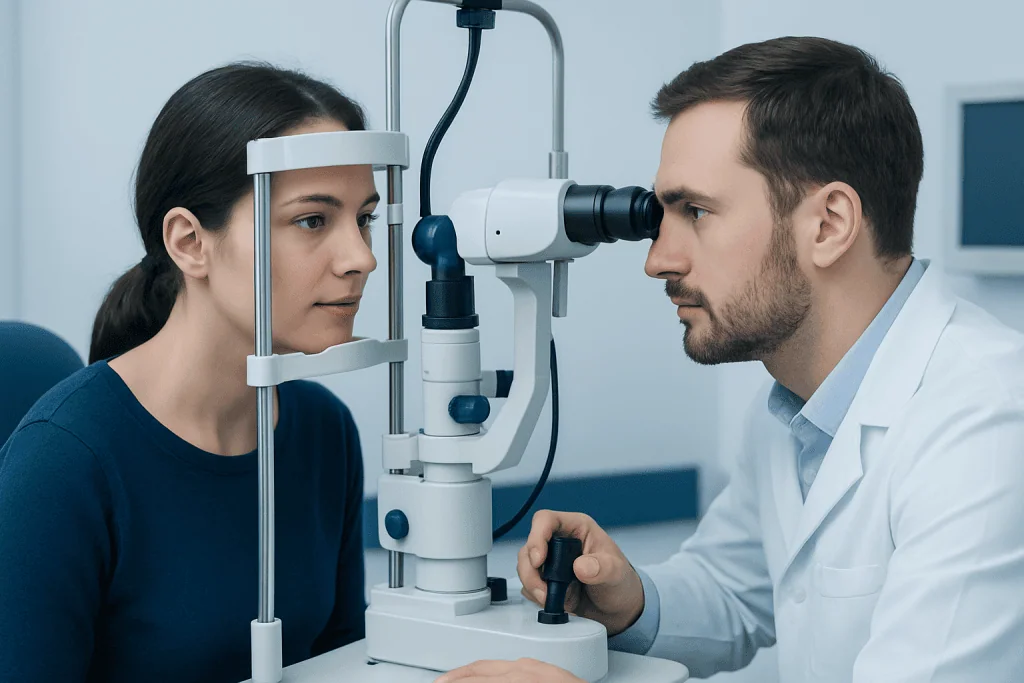
The main difference is structure. Soft lenses are flexible and mold closely to the cornea, while hard contact lenses maintain a stable shape. That stable shape can improve optical quality, particularly when the eye’s surface is uneven or when astigmatism is significant.
Comfort is also different. Soft lenses usually feel comfortable more quickly, while hard lenses often require an adjustment period. Some people notice awareness of the lens at first, especially during the first days or weeks of wear. With consistent use and a proper fit, many adapt well, but others may prefer soft lenses because they feel easier from the start.
Hard lenses also differ in care and wear patterns. They may be less likely to tear than soft lenses and can sometimes be more economical over time because of their durability. However, they require careful cleaning, correct storage, and regular follow-up visits. People who stop wearing them for long stretches may need another short adaptation period before they feel comfortable again.
In some cases, an eye doctor may compare hard contact lenses with other options such as glasses, soft toric lenses, or treatments for refractive error. For selected patients, vision correction procedures such as laser eye surgery may also be discussed, but suitability depends on a full eye examination.
Who may benefit most from hard contact lenses

Hard contact lenses can be helpful for people who need highly precise vision correction. They are often considered when someone has moderate to high astigmatism, fluctuating vision in soft lenses, or a cornea that is not evenly shaped. They may also be used when a person wants a durable lens that can be individually tailored.
One of the clearest medical uses is in corneal conditions that affect surface regularity. For example, people with keratoconus may achieve better visual quality with specially fitted rigid lenses because the lens creates a smooth optical surface over the cornea. In these situations, fitting can be more complex and may require a specialist with experience in corneal disease and contact lens design.
Hard lenses may also be useful for some people with dry eye tendencies because they are smaller and cover less of the eye’s surface than many soft lenses. At the same time, dry eye can make any contact lens less comfortable, so the decision must be individualized. Patients with ongoing irritation, allergy, or eyelid inflammation may need these problems treated first.
Children and adults can both use hard lenses in appropriate cases, but success depends on motivation, hygiene, and follow-up. An eye specialist considers daily routine, work environment, sports, and willingness to learn insertion, removal, and cleaning before recommending them.
Common symptoms, adaptation, and possible side effects
During the early adaptation period, a person may notice lens awareness, mild tearing, blinking more often, or the feeling that something is in the eye. This is common when beginning hard contact lenses and often improves as the eyes and eyelids adjust. Initial wear schedules are usually built up gradually rather than all day at once.
Vision with hard lenses is often crisp, but some people notice temporary glare, halos, or fluctuating comfort, especially in windy or dry environments. Dusty workplaces, screen-heavy routines, or low-humidity rooms can make lenses feel less comfortable. Lubricating drops recommended by an eye doctor may help, but not all drops are suitable for use with contact lenses.
Side effects can occur if lenses fit poorly, are worn too long, or are not cleaned properly. These include redness, dryness, corneal staining, discomfort, mucus buildup, or reduced wearing time. A lens that moves too much or too little may also affect comfort and vision.
Serious complications are less common but important to recognize. Any contact lens can increase the risk of corneal inflammation or infection, especially if hygiene is poor or lenses are worn during sleep when they were not prescribed for overnight use. This can overlap with problems such as corneal disease, which is why persistent symptoms should not be ignored.
How doctors evaluate and fit hard contact lenses
A proper fitting starts with a full eye examination, not just a glasses prescription. The doctor reviews visual needs, eye health, tear film quality, allergies, and previous lens experience. Measurements of the cornea help determine lens size, curvature, and design so the lens can sit safely and provide stable vision.
Specialized testing may include corneal topography, which maps the eye’s surface in detail. This is especially useful in irregular corneas, previous surgery, or suspected ectatic disorders. The doctor also checks the eyelids, tear film, and ocular surface because irritation or dryness can affect whether hard contact lenses will be comfortable and safe.
Trial lenses are often placed on the eye so the fit can be assessed directly. The doctor looks at lens movement, centration, comfort, and the tear layer under the lens. Vision is then refined with over-refraction, and the patient is taught insertion, removal, and cleaning techniques before taking lenses home.
Follow-up is an essential part of care. A lens that seems acceptable at first may need adjustment after several days or weeks of wear. If the eye surface is complex or another vision problem is present, treatment planning may involve a broader eye care team, sometimes including services such as corneal treatment and transplantation when structural corneal disease is significant.
Safe use, cleaning, and daily self-care
Safe use begins with hand hygiene. Hands should be washed and dried before touching lenses, and only recommended cleaning and storage products should be used. Water, saliva, and homemade solutions are not safe for cleaning lenses or lens cases because they can introduce harmful microorganisms.
Each lens should be cleaned, rinsed, and stored exactly as instructed by the eye care professional and the product manufacturer. Lens cases also need regular cleaning and replacement. Even durable hard contact lenses can collect deposits over time, so routine maintenance and periodic professional review matter for both comfort and eye health.
It is generally safer not to sleep in contact lenses unless the doctor has specifically prescribed this. Swimming, showering, or using hot tubs while wearing lenses can also raise the risk of infection. If a lens becomes painful, cracked, chipped, or difficult to remove, it should not be forced back onto the eye.
Simple habits support comfort and safety:
- Follow the prescribed wearing schedule.
- Do not share lenses or lens cases.
- Keep backup glasses available.
- Replace care products before they expire.
- Attend regular eye examinations even if vision seems fine.
When to seek medical care
Medical care should be sought promptly if there is significant eye pain, sudden blurred vision, marked redness, light sensitivity, discharge, or the feeling that the lens cannot be tolerated. These symptoms can signal a corneal injury, inflammation, or infection and should be evaluated by an eye doctor without delay.
Less urgent but still important reasons to arrange a review include gradually decreasing wearing time, repeated dryness, lenses that no longer feel stable, or headaches related to visual strain. Changes in the eye’s surface, tear film, or prescription may mean the lens design needs to be updated.
People who have had eye surgery, trauma, diabetes-related eye concerns, or chronic surface disease should be especially careful with follow-up. If a person is considering alternatives because lenses are no longer comfortable or effective, an ophthalmologist can discuss options, which may include comprehensive eye examination and targeted treatment for the underlying cause.
For international patients who need evaluation for complex contact lens problems or corneal conditions, Acibadem International’s multidisciplinary specialists in JCI-accredited hospitals diagnose and treat eye disorders with individualized assessment and follow-up planning.
Frequently asked questions
Are hard contact lenses better than soft contact lenses?
They are not universally better, but they can be better for certain eyes and prescriptions. Hard contact lenses often provide sharper vision for astigmatism or irregular corneas, while soft lenses are often easier to adapt to. The best option depends on the eye’s shape, tear film, comfort, and visual goals.
Do hard contact lenses hurt?
They should not cause significant pain, but they can feel noticeable at first. Many people need an adaptation period before the lenses feel more natural. Ongoing pain, redness, or light sensitivity is not normal and should be checked by a doctor.
Can someone with astigmatism wear hard contact lenses?
Yes. In fact, hard contact lenses are often a very effective option for astigmatism because they keep a stable shape on the eye. That stable surface can improve optical quality compared with some other lens types.
How long do hard contact lenses last?
They are generally more durable than soft lenses, but lifespan varies by material, deposits, fit, and how well they are cared for. A doctor should advise when replacement is needed. Lenses that are scratched, chipped, uncomfortable, or no longer fitting well should be reassessed.
Can hard contact lenses be worn all day?
Many people can wear them for long daytime periods once they have adapted, but wear time should follow the prescribing doctor’s guidance. It is often increased gradually at the beginning. If comfort drops sharply or vision becomes unstable, the lenses should be removed and the eye checked.
Is it safe to sleep in hard contact lenses?
In most cases, it is safer not to sleep in them unless they were specifically prescribed for overnight wear. Sleeping in lenses can reduce oxygen delivery and increase the risk of corneal complications, including infection. Patients should follow the exact instructions given for their lens type.
References
- American Academy of Ophthalmology
- American Optometric Association
- National Eye Institute
- Centers for Disease Control and Prevention
- Royal College of Ophthalmologists
This article is for general information only and is not a substitute for professional medical advice. Please consult a qualified doctor about your individual situation.
Contact Lenses in Turkey — costs, top hospitals & a free quote
JCI-accredited · board-certified surgeons · reply within 24h
Add us as a Preferred Source to see more of our trusted health content across Google Search, AI Overviews and Discover.

Ophthalmology
Comprehensive eye care from laser vision correction to retina, cornea and cataract surgery.
75 specialists in this unitMore from the Health Library



Related Specialists

Embriyolog Hasan Benli
Vitro Fertilization and Reproductive Medicine Center
Dr. Ali Arikan
Emergency Service
Prof. Dr. Tarik Zafer Nursal
General Surgery
Assoc. Prof. Dr. Zeynep Selen Aslan
Pediatric Neurology