Ataxia vs Apraxia: Key Differences and How Doctors Tell Them Apart

Ataxia causes unsteady, poorly coordinated movement; apraxia causes difficulty planning or sequencing purposeful actions. A person with apraxia may have normal strength and willingness to move, but still struggle to perform a learned task on command.
Key Takeaways
- Ataxia causes unsteady, poorly coordinated movement; apraxia causes difficulty planning or sequencing purposeful actions.
- A person with apraxia may have normal strength and willingness to move, but still struggle to perform a learned task on command.
- Doctors tell them apart through a detailed neurological exam, history, and targeted tests of gait, coordination, language, and motor planning.
- Both symptoms can be linked to conditions such as stroke, brain injury, neurodegenerative disease, infections, or structural brain problems.
- Treatment depends on the cause and may include rehabilitation, speech therapy, occupational therapy, and treatment of the underlying neurological condition.
Ataxia and apraxia can both make movement look difficult, but they are not the same problem. In simple terms, ataxia is a disorder of coordination, while apraxia is a disorder of motor planning in which a person knows what they want to do but has trouble carrying out learned, purposeful movements.
Ataxia vs apraxia at a glance
Ataxia and apraxia are often confused because both can affect everyday activities such as walking, dressing, speaking, writing, or using the hands. The difference is that ataxia mainly reflects a problem with coordination and timing of movement, while apraxia mainly reflects a problem with planning and carrying out a learned, purposeful action.
For example, a person with ataxia may reach for a cup but overshoot, wobble, or have tremulous hand movements. A person with apraxia may understand the task and have enough strength to do it, but may be unable to correctly imitate or sequence the movements needed to use the cup as intended.
The table below offers a simple side-by-side comparison. Although it is helpful for orientation, only a clinician can determine which problem is present and whether both may be contributing.
- Main problem in ataxia: impaired coordination, balance, rhythm, and accuracy of movement
- Main problem in apraxia: impaired motor planning for learned, purposeful movements
- Typical appearance of ataxia: unsteady gait, clumsy reaching, slurred speech, poor balance
- Typical appearance of apraxia: difficulty following a motor command, imitating gestures, dressing, using tools, or coordinating speech movements
- Strength: often preserved in both, though other neurological problems may coexist
- Common brain areas involved: cerebellum and related pathways in ataxia; dominant parietal and frontal networks in many forms of apraxia
What ataxia means
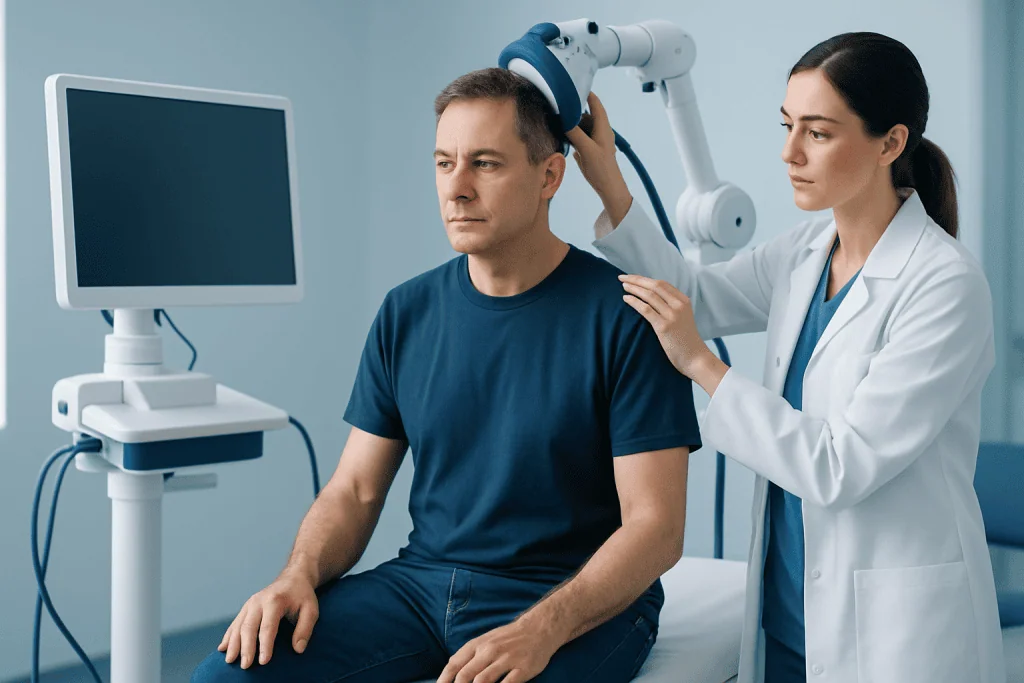
Ataxia is a neurological sign that describes poor coordination of voluntary movement. It can affect the legs, arms, hands, eyes, and speech. People may feel unsteady when walking, have trouble with precise hand tasks, or notice that their speech sounds slow or slurred. Ataxia is not a diagnosis by itself; it is a clue that the nervous system, especially the cerebellum or its connections, may not be working properly.
Doctors often describe different patterns of ataxia. Gait ataxia affects walking and balance, limb ataxia affects reaching and fine motor tasks, and speech ataxia can make speech scanning or irregular. Some people also have abnormal eye movements, dizziness, or difficulty coordinating head and trunk posture.
Many conditions can lead to ataxia. These include stroke, multiple sclerosis, certain inherited disorders, vitamin deficiencies, alcohol-related brain injury, infections, tumors, medication side effects, and autoimmune or degenerative diseases. When the symptoms begin suddenly, doctors consider urgent causes such as stroke or bleeding in the brain.
What apraxia means

Apraxia is a disorder of motor planning. A person with apraxia may understand a command, want to do the movement, and have enough muscle strength, yet still be unable to perform the action correctly. The difficulty is not explained simply by weakness, poor comprehension, or lack of cooperation. Instead, the brain has trouble organizing the learned movement pattern.
There are several types of apraxia. Ideomotor apraxia can make it hard to mime or imitate gestures, such as pretending to brush the teeth. Ideational apraxia affects the sequence of multistep actions, such as preparing tea or getting dressed. Dressing apraxia and constructional apraxia affect specific daily tasks. Apraxia of speech is a separate but related problem in which a person struggles to plan the mouth movements needed for speech sounds.
Apraxia often points to dysfunction in the dominant cerebral hemisphere, especially parietal and frontal networks, though the exact pattern depends on the type. It can occur after stroke, traumatic brain injury, dementia syndromes, brain tumors, infections, or other disorders affecting cortical function. In some patients, apraxia appears alongside language problems, memory changes, or other signs of neurodegenerative disease.
How symptoms differ in daily life
In practice, the difference between ataxia and apraxia becomes clearer when looking at how a task goes wrong. With ataxia, the person usually attempts the movement but it appears shaky, inaccurate, or poorly timed. They may stagger, miss a target, or have difficulty maintaining posture. The movement pattern is generally recognized, but coordination is impaired.
With apraxia, the movement may break down before it is properly organized. The person may hesitate, use the wrong hand shape, perform the action in the wrong order, or do something different from what was asked despite understanding the request. For example, they may know what a comb is for but struggle to demonstrate combing on command.
Speech can also illustrate the distinction. Ataxic speech is often irregular, scanning, or slurred because coordination of speech muscles is affected. Apraxia of speech is more about difficulty planning sound sequences, leading to effortful starts, inconsistent errors, and visible groping movements of the mouth.
Some neurological conditions can produce both coordination and planning problems at the same time. This is one reason self-diagnosis can be misleading. Careful examination is important, especially if symptoms are new, worsening, or accompanied by weakness, facial droop, confusion, severe headache, or sudden trouble speaking.
How clinicians tell them apart
Doctors do not rely on one sign alone. They start with a detailed history: when the problem began, whether it was sudden or gradual, what activities are affected, and whether there are associated symptoms such as headache, dizziness, weakness, numbness, memory changes, seizures, or speech problems. Sudden onset raises concern for urgent causes, while slowly progressive symptoms may suggest a degenerative, hereditary, or metabolic process.
The neurological examination is central. For suspected ataxia, the clinician watches the person walk, stand, turn, and perform coordination tasks such as finger-to-nose or heel-to-shin testing. They also assess eye movements, speech, reflexes, sensation, and balance. For suspected apraxia, the clinician asks the person to imitate gestures, pantomime tool use, carry out multistep actions, and perform tasks both on command and spontaneously. This helps reveal whether the difficulty lies in coordination, planning, comprehension, or another function.
Doctors also look for related disorders that can resemble or accompany these symptoms. For example, they may assess for weakness from nerve or muscle disease, stiffness from Parkinsonian disorders, language impairment from aphasia, and sensory loss that can worsen balance. If needed, a patient may be evaluated by specialists in neurology, rehabilitation medicine, speech-language pathology, or occupational therapy.
Brain imaging is often used when the cause is uncertain or serious conditions need to be ruled out. Depending on the case, testing may include MRI or CT scans, blood tests for vitamin deficiency, inflammation, infection, autoimmune disease, or toxins, and sometimes genetic tests or neuropsychological evaluation. If stroke is suspected, urgent assessment in a stroke-capable center is essential.
What causes each problem
Ataxia usually reflects disruption of the cerebellum or the nerve pathways that connect it to the brainstem, spinal cord, and inner ear systems involved in balance. Common causes include stroke, multiple sclerosis, traumatic brain injury, brain tumors, alcohol-related cerebellar damage, side effects of sedating or antiseizure medications, low vitamin B12 or vitamin E, thyroid disease, autoimmune disorders, and inherited ataxias. In some people, symptoms are temporary and improve when the underlying trigger is treated.
Apraxia is more often related to injury or disease affecting cortical networks involved in learned movement, usually in the dominant hemisphere. Causes include stroke, traumatic brain injury, brain tumors, dementia syndromes such as corticobasal syndrome or Alzheimer-related disease, and certain infections or inflammatory conditions. Apraxia of speech can also follow stroke or other injury to speech-planning regions.
Because the two signs point to different brain systems, the underlying causes are not always the same. Still, there can be overlap. A large stroke, widespread neurodegenerative disease, or complex brain injury may produce both ataxic and apraxic features. This overlap is one reason clinicians use a broad assessment rather than labeling symptoms too quickly.
When there is concern about structural or progressive disease, coordinated care may include advanced imaging, rehabilitation planning, and treatment of the underlying cause. In selected cases, supportive care may involve physical therapy and rehabilitation to improve balance, safety, and functional independence.
What to do for each case
Treatment is guided by the cause, not just the label of ataxia or apraxia. For ataxia, the first step is to identify whether the problem comes from a stroke, medication effect, vitamin deficiency, infection, autoimmune disorder, inherited disease, or another neurological condition. Some causes are reversible or partly reversible when recognized early. Others require long-term symptom management and rehabilitation.
Supportive care for ataxia may include balance training, gait therapy, assistive devices to reduce falls, speech therapy for swallowing or speech difficulties, and occupational therapy for hand coordination and daily tasks. If a structural brain lesion is found, treatment may involve targeted neurological or neurosurgical care. When severe symptoms are caused by a cerebrovascular event, urgent stroke treatment can be time-sensitive and may reduce long-term disability.
For apraxia, therapy usually focuses on relearning movement sequences and developing compensatory strategies. Occupational therapy can help with dressing, eating, tool use, and other daily activities. Speech-language therapy is especially important for apraxia of speech, where structured practice can improve communication. If apraxia is related to another condition such as dementia or stroke, management also addresses the broader neurological illness.
Near the end of the diagnostic process, patients often benefit from clear explanations and practical planning. Families may need guidance on home safety, communication strategies, and realistic goals. Acibadem International’s multidisciplinary specialists and JCI-accredited hospitals diagnose and treat neurological conditions for international patients, including evaluation, imaging, and rehabilitation when appropriate.
When to seek medical care
Medical care is especially important if ataxia- or apraxia-like symptoms appear suddenly. Emergency evaluation is needed for new trouble walking, sudden loss of coordination, sudden difficulty speaking, facial drooping, one-sided weakness, severe headache, confusion, or loss of consciousness. These can be signs of stroke or another urgent neurological problem.
Prompt outpatient assessment is also important when symptoms develop gradually but interfere with daily life. A person should see a doctor if they notice repeated falls, unexplained clumsiness, difficulty using familiar objects, changes in handwriting, new speech problems, or increasing trouble dressing or performing multistep tasks.
Parents should seek pediatric evaluation if a child loses previously acquired motor skills, develops unusual clumsiness, or has noticeable changes in speech or coordination. Older adults should also be assessed if there is a new decline in balance or practical skills, since these changes may reflect medication effects, inner ear problems, stroke, or neurodegenerative disease.
Even when symptoms seem mild, it is wise not to dismiss them if they are persistent or progressive. Early assessment can help identify treatable causes, start rehabilitation sooner, and reduce the risk of complications such as falls, aspiration, or loss of independence.
Frequently asked questions
Is ataxia the same as apraxia?
No. Ataxia refers to poor coordination of movement, while apraxia refers to difficulty planning or carrying out learned, purposeful actions despite understanding the task and often having enough strength to do it. They can look similar in daily life, but they point to different neurological problems.
Can a person have both ataxia and apraxia?
Yes, it is possible. Some strokes, brain injuries, and neurodegenerative disorders affect more than one brain network, which can lead to both coordination problems and motor-planning problems. This is why a detailed neurological assessment is important.
What part of the brain is involved in ataxia versus apraxia?
Ataxia most often involves the cerebellum or the pathways connected to it. Apraxia more often involves cortical networks in the dominant hemisphere, especially parietal and frontal regions. The exact location can vary depending on the type and cause.
How do doctors test for apraxia?
Doctors may ask a person to imitate gestures, pretend to use common tools, or perform multistep tasks on command. They also check whether the same movement happens more easily spontaneously than when requested. This helps distinguish motor-planning problems from weakness, language difficulty, or poor comprehension.
Does ataxia always mean a progressive neurological disease?
No. Ataxia can result from many causes, including temporary or treatable ones such as medication side effects, alcohol effects, vitamin deficiencies, infections, or inflammation. However, persistent or worsening ataxia should always be evaluated because some causes are serious and require timely treatment.
Can therapy help with ataxia or apraxia?
Yes, therapy often plays an important role. Physical therapy may improve balance and mobility in ataxia, while occupational and speech-language therapy can help people with apraxia practice daily tasks and communication. The best plan depends on the underlying cause and the person’s functional needs.
References
- National Institute of Neurological Disorders and Stroke
- National Institute on Deafness and Other Communication Disorders
- American Stroke Association
- Merck Manual Professional Edition
- Mayo Clinic
This article is for general information only and is not a substitute for professional medical advice. Please consult a qualified doctor about your individual situation.
Explore treatments in Turkey — costs, top hospitals & a free quote
JCI-accredited · board-certified surgeons · reply within 24h
Add us as a Preferred Source to see more of our trusted health content across Google Search, AI Overviews and Discover.