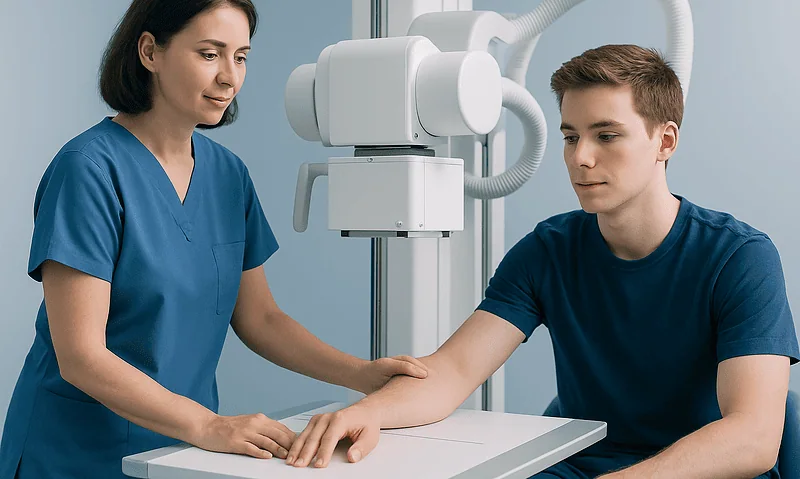
Hyporeflexia — Explained by Medical Evidence, Not Myths

Hyporeflexia refers to decreased or absent reflex responses on examination. It can be caused by peripheral nerve disorders, spinal nerve root problems, muscle disease, vitamin deficiency, medication effects, or metabolic conditions.
Key Takeaways
- Hyporeflexia refers to decreased or absent reflex responses on examination.
- It can be caused by peripheral nerve disorders, spinal nerve root problems, muscle disease, vitamin deficiency, medication effects, or metabolic conditions.
- Diagnosis focuses on the pattern of symptoms, neurological examination, and targeted tests such as blood work, imaging, or nerve studies.
- Treatment depends on the underlying cause rather than the reflex change alone.
- New weakness, numbness, trouble walking, back pain, or bladder and bowel changes need prompt medical assessment.
Hyporeflexia means the body’s reflexes are weaker than expected when a clinician tests them, most often with a reflex hammer. It is not a disease by itself, but a clinical sign that can point to problems affecting nerves, muscles, the spinal cord, or the body’s chemical balance.
What hyporeflexia means
Hyporeflexia means a reduced reflex response. In practice, this usually refers to deep tendon reflexes being less brisk than expected when a doctor taps a tendon at the knee, ankle, elbow, or wrist. Reflexes help clinicians understand how well the nervous system is carrying signals between the muscles, spinal cord, and brain.
On its own, hyporeflexia is not a diagnosis. It is a finding that may be normal for some people, but it can also suggest a problem affecting the peripheral nerves, nerve roots, muscles, neuromuscular junction, spinal cord, or body chemistry. The meaning depends on the person’s age, symptoms, medical history, and which reflexes are reduced.
Medical evaluation looks at the whole pattern rather than a single test result. For example, reduced ankle reflexes together with numbness in the feet may suggest peripheral neuropathy, while reduced reflexes plus back pain and leg symptoms may raise concern for nerve root compression. This is why hyporeflexia is best understood as a clue that helps guide further assessment.
Common symptoms and associated signs

Many people do not notice hyporeflexia themselves. It is often found during a neurological exam. What a person usually notices are the symptoms linked to the underlying cause, such as weakness, tingling, numbness, muscle cramps, fatigue, poor balance, or slower movement in an arm or leg.
Symptoms can vary depending on which part of the nervous system is affected. Peripheral nerve problems may cause burning pain, loss of sensation, or foot weakness. Nerve root problems can cause symptoms that follow a line down the arm or leg. Muscle disorders may lead to difficulty climbing stairs, rising from a chair, or lifting objects overhead.
Doctors also compare hyporeflexia with other examination findings. Helpful clues include changes in muscle tone, muscle wasting, fasciculations, sensory loss, abnormal gait, or changes in coordination. If reflexes are reduced on one side only, or only in a certain limb, that pattern may suggest a localized issue rather than a body-wide condition.
- Weakness in the arms or legs
- Numbness or tingling
- Muscle cramps or twitching
- Balance problems or frequent tripping
- Neck or back pain with radiating symptoms
- Fatigue or reduced endurance
Why hyporeflexia happens
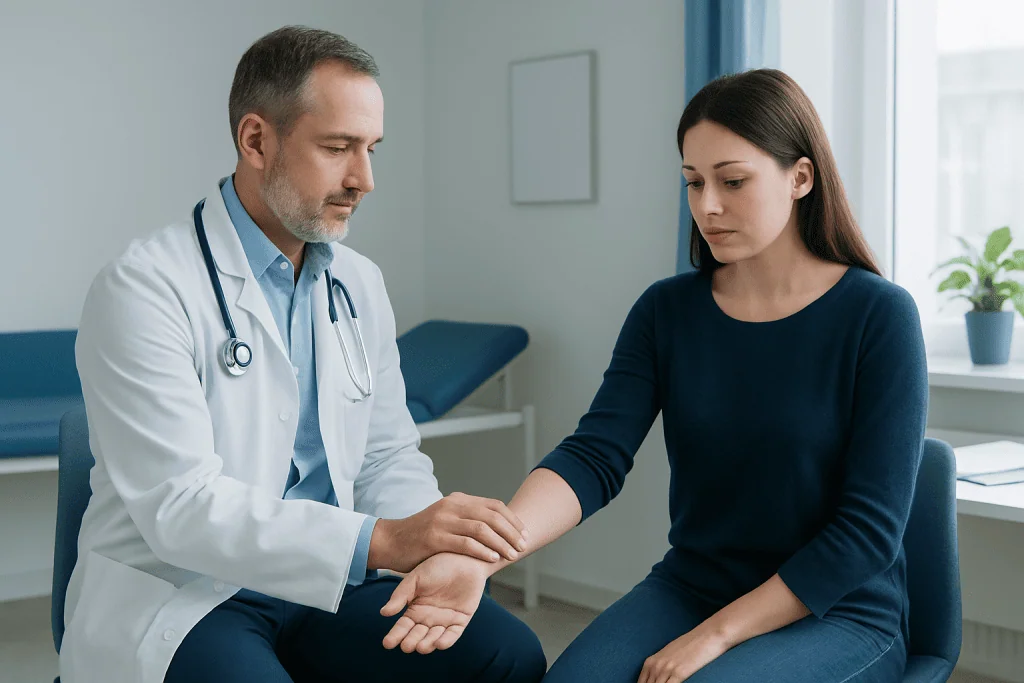
Reflexes depend on an intact pathway: the sensory nerve detects stretch, the signal travels through the spinal cord, and the motor nerve carries the response back to the muscle. Hyporeflexia can occur if any part of this reflex arc is disrupted. That is why causes range from local nerve compression to generalized neurological or metabolic disorders.
Peripheral neuropathy is one of the more common explanations, especially when reduced reflexes affect the ankles first. Neuropathy may be related to diabetes, alcohol misuse, vitamin deficiencies, autoimmune disease, kidney disease, infections, toxins, or some medications. Reduced reflexes can also occur with radiculopathy, where a spinal nerve root is irritated or compressed, sometimes by a disc problem or degenerative spine changes.
Other causes include neuromuscular and muscle conditions, electrolyte disturbances, hypothyroidism, and inherited neurological disorders. In some situations, reduced reflexes are seen in conditions such as peripheral neuropathy or with spine-related nerve compression. A clinician may also consider acute inflammatory nerve disorders, especially if symptoms develop quickly and spread over days.
- Peripheral neuropathy
- Spinal nerve root compression or injury
- Diabetes and other metabolic conditions
- Vitamin B12 or other nutritional deficiencies
- Hypothyroidism
- Medication or toxin effects
- Neuromuscular junction and muscle disorders
- Inherited or autoimmune neurological diseases
How doctors diagnose hyporeflexia
Diagnosis begins with a careful history and neurological examination. The clinician asks when symptoms started, whether they are getting worse, which limbs are affected, and whether there are related issues such as pain, falls, vision changes, bladder problems, or recent infections. Medication use, alcohol intake, family history, and medical conditions such as diabetes also matter.
During the exam, reflexes are tested and compared on both sides. Strength, sensation, coordination, muscle tone, gait, and balance are also assessed. The pattern helps narrow the possibilities. Symmetrical loss of ankle reflexes may suggest neuropathy, while reduced reflexes in one arm with neck pain could indicate nerve root involvement.
Further tests are chosen according to the suspected cause. Blood tests may check glucose, thyroid function, vitamin levels, kidney function, and inflammation markers. Nerve conduction studies and electromyography can help identify peripheral nerve or muscle disorders. If spine disease is suspected, imaging such as MRI scanning may be recommended. In selected cases, specialists may use broader neurological rehabilitation assessment tools to understand function and recovery needs.
Treatment depends on the underlying cause
There is no single treatment that corrects hyporeflexia itself. Management focuses on the condition causing it. If reflexes are reduced because of diabetes-related neuropathy, care usually centers on blood sugar management, symptom control, and foot protection. If the cause is vitamin deficiency, replacement and nutritional support may help. If a medication is contributing, a doctor may review safer alternatives.
When reduced reflexes are related to spinal or nerve root compression, treatment may include activity modification, pain management, physiotherapy, and targeted procedures or surgery in selected cases. If a serious or fast-progressing neurological disorder is suspected, urgent specialist treatment is important. Some patients may need evaluation by a neurologist, endocrinologist, rehabilitation physician, or spine specialist, depending on the findings.
Rehabilitation can be valuable when weakness, balance problems, or walking difficulty are present. Exercise therapy, strength training, gait training, and occupational therapy may improve daily function and confidence. In some circumstances, broader care for a herniated disc or other nerve-compression conditions may be part of the treatment plan. Acibadem International’s multidisciplinary specialists and JCI-accredited hospitals also diagnose and treat neurological and spine conditions for international patients.
Self-care, prevention, and living with reduced reflexes
Prevention is not always possible because some causes are inherited, autoimmune, or structural. Still, many risk factors can be addressed. Good diabetes management, limiting alcohol, avoiding toxin exposure, and treating thyroid or kidney disease may reduce the risk of nerve damage. A balanced diet with adequate vitamins, especially when guided by a clinician, also supports nerve health.
For people already experiencing symptoms, daily safety matters. Wearing supportive footwear, keeping walkways clear, using handrails, and addressing balance problems early may reduce falls. If there is numbness in the feet, checking the skin regularly for sores or injuries is important because reduced sensation can hide minor trauma.
Regular follow-up helps track whether symptoms are stable, improving, or worsening. Patients should tell their doctor about new weakness, spreading numbness, changes in walking, or side effects from treatment. Self-care works best as part of a broader medical plan rather than as a substitute for professional evaluation.
- Manage chronic conditions such as diabetes and thyroid disease
- Discuss vitamin deficiencies or restrictive diets with a clinician
- Limit alcohol and avoid unprescribed substances
- Protect the feet and reduce fall risks at home
- Stay active within safe limits and follow rehabilitation advice
When to seek medical care
Reduced reflexes found during a routine exam are not always an emergency, but they do deserve medical attention if they occur with other neurological symptoms. A prompt evaluation is especially important if there is new weakness, rapidly worsening numbness, difficulty walking, severe back or neck pain, or symptoms affecting breathing or swallowing.
Urgent care is also needed if bladder or bowel control changes, numbness spreads quickly, or symptoms begin after an injury. These signs can suggest a more serious nerve or spinal problem that should not be watched at home. Children, older adults, and people with diabetes or known neurological disease may benefit from earlier assessment because subtle changes can affect function and safety.
In many cases, seeing a doctor early makes diagnosis more straightforward and treatment more effective. If symptoms suggest a nerve or brain-related disorder, clinicians may consider referral for specialist neurology care or related testing. Even when the cause is not urgent, medical advice can help explain the significance of hyporeflexia and reduce unnecessary worry.
Frequently asked questions
Is hyporeflexia a disease?
No. Hyporeflexia is a clinical sign, not a disease by itself. It means reflexes are reduced on examination and may point to an underlying nerve, muscle, spinal, or metabolic problem.
Can hyporeflexia be normal?
In some people, reflexes can naturally be less brisk without indicating illness. Doctors interpret reflexes together with symptoms, age, medical history, and the rest of the neurological exam.
What is the difference between hyporeflexia and areflexia?
Hyporeflexia means reflexes are present but reduced. Areflexia means reflexes are absent. Both findings can be associated with disorders of nerves, muscles, or the spinal reflex pathway.
Does hyporeflexia always mean nerve damage?
Not always. Nerve problems are a common cause, but reduced reflexes can also occur with muscle disorders, thyroid disease, vitamin deficiencies, medication effects, or temporary changes after illness. Proper evaluation is needed to find the reason.
How is hyporeflexia tested?
A clinician usually tests reflexes with a small reflex hammer by tapping specific tendons, such as below the kneecap or near the ankle. The response is compared from side to side and interpreted alongside strength, sensation, and coordination.
Can hyporeflexia improve?
It can improve if the underlying cause is treatable, such as a nutritional deficiency, medication effect, or some compression-related problems. In chronic nerve disorders, treatment may focus more on controlling symptoms, slowing progression, and improving function.
References
- National Institute of Neurological Disorders and Stroke
- National Institute of Diabetes and Digestive and Kidney Diseases
- American Academy of Neurology
- Merck Manual Professional Edition
- MedlinePlus
This article is for general information only and is not a substitute for professional medical advice. Please consult a qualified doctor about your individual situation.
Joint and spine care in Turkey — expert assessment & treatment
JCI-accredited · board-certified surgeons · reply within 24h
Add us as a Preferred Source to see more of our trusted health content across Google Search, AI Overviews and Discover.