Why Do I Feel Sick Every Time I Eat? Causes, Explanations, and Next Steps

Feeling sick after eating is common and is often linked to non-serious digestive causes. Nausea after meals can come from the stomach, gallbladder, pancreas, hormones, medications, or stress and anxiety.
Key Takeaways
- Feeling sick after eating is common and is often linked to non-serious digestive causes.
- Nausea after meals can come from the stomach, gallbladder, pancreas, hormones, medications, or stress and anxiety.
- Doctors usually diagnose the cause by reviewing symptoms, triggers, medicines, and sometimes using blood tests, stool tests, imaging, or endoscopy.
- Urgent medical care is needed for severe pain, dehydration, blood in vomit or stool, chest pain, or persistent vomiting.
- Small meals, hydration, avoiding trigger foods, and keeping a symptom diary can help while waiting for medical advice.
Feeling sick after eating is often caused by common, treatable problems such as indigestion, acid reflux, food intolerance, or a temporary stomach bug. When the symptom keeps happening, becomes severe, or comes with warning signs like weight loss, vomiting, trouble swallowing, or blood, a medical evaluation is important.
Overview: why someone may feel sick every time they eat
If someone wonders, why do i feel sick every time i eat, the answer is often reassuring: many cases are related to common digestive issues rather than a serious disease. Nausea after meals can happen with indigestion, acid reflux, overeating, food intolerance, viral stomach infections, or stress. In many people, the pattern improves once the trigger is identified and treated.
That said, repeated nausea with eating should not be ignored, especially if it is new, persistent, or getting worse. Eating activates the stomach, intestines, gallbladder, pancreas, and nervous system, so feeling sick after meals can have several possible explanations. The timing matters too: nausea immediately after food may suggest one set of causes, while symptoms one to three hours later may suggest another.
A useful way to think about this symptom is by asking three questions: what foods trigger it, what other symptoms come with it, and how long has it been happening? These details help separate occasional harmless upset from problems that need medical review. If there are red flags such as repeated vomiting, unexplained weight loss, black stools, vomiting blood, trouble swallowing, or severe abdominal pain, prompt medical care is important.
How it can feel: common symptoms that happen with nausea after eating
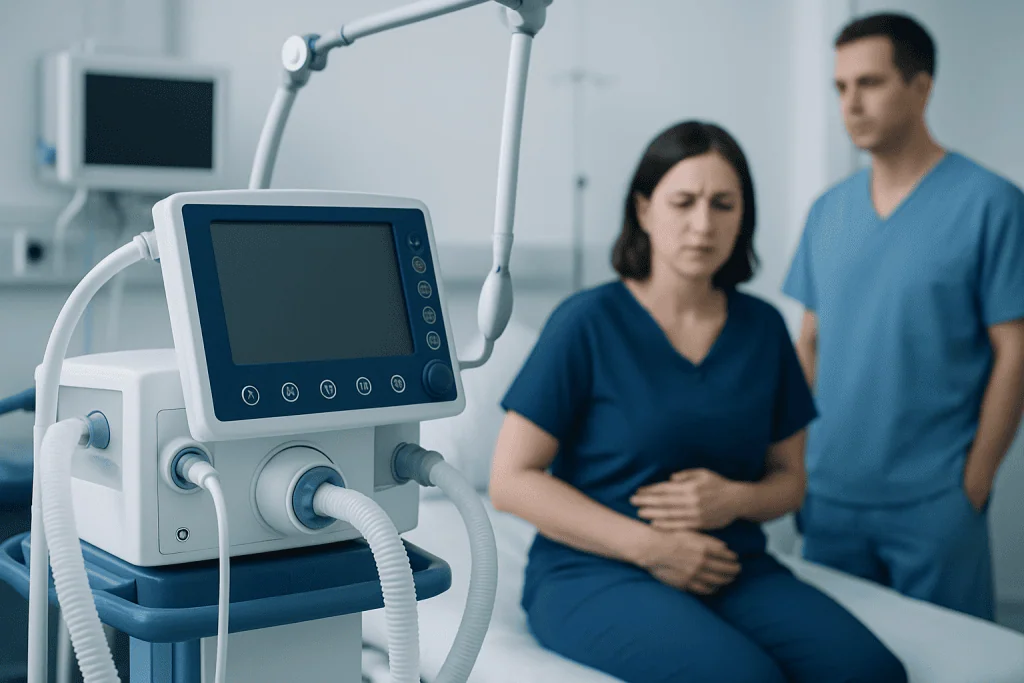
Feeling sick after meals does not always mean vomiting. Some people describe queasiness, early fullness, bloating, upper abdominal pressure, burning in the chest, burping, cramping, or a sour taste in the mouth. Others feel dizzy, sweaty, or unusually tired after they eat. These accompanying symptoms often give clues about the cause.
For example, burning pain rising from the stomach toward the chest may suggest reflux. Bloating, gas, and loose stools after certain foods may suggest a food intolerance. Sharp pain under the right ribs after a fatty meal can point toward gallbladder disease. If nausea comes with diarrhea and fever, an infection may be more likely.
Keeping track of symptom patterns can help. Useful details include whether symptoms happen with large meals only, after dairy or wheat, with greasy foods, during stressful periods, or mainly in the morning. A short symptom diary can make a medical visit much more productive.
- Nausea or queasiness
- Bloating or visible abdominal swelling
- Heartburn or acid taste
- Upper abdominal pain or cramping
- Early fullness after a few bites
- Vomiting, diarrhea, or constipation
Common causes and risk factors

Several everyday conditions can explain why someone feels sick every time they eat. Indigestion, also called dyspepsia, is one of the most common. It can cause nausea, fullness, belching, and discomfort after meals, especially after large, rich, spicy, or fatty foods. Acid reflux can also trigger nausea, particularly when it causes heartburn, regurgitation, throat irritation, or a sour taste. Ongoing reflux may overlap with acid reflux symptoms.
Food intolerance is another frequent reason. Lactose intolerance, sensitivity to certain carbohydrates, and reactions to highly processed or fatty foods may lead to nausea, bloating, and diarrhea after eating. Stomach infections, food poisoning, and inflammation of the stomach lining can do the same. Some people also develop symptoms because of medications, including certain pain relievers, antibiotics, iron tablets, or diabetes medicines.
Other causes involve how the digestive organs work. Gallbladder problems can cause nausea and pain after meals, especially fatty ones. Conditions involving the pancreas, liver, or stomach emptying can also make eating uncomfortable. Delayed stomach emptying, sometimes called gastroparesis, may cause early fullness, bloating, and vomiting hours after meals. Doctors may investigate this when symptoms are persistent or linked to diabetes, nerve disorders, or prior abdominal surgery.
Not all causes start in the digestive tract. Anxiety and stress can strongly affect the gut-brain connection, creating nausea, loss of appetite, cramping, or urgency around mealtimes. Hormonal changes, including pregnancy, may also make eating trigger nausea. In some cases, recurrent symptoms may relate to disorders such as gastritis or irritable bowel syndrome, depending on the full symptom pattern.
When the pattern may suggest a specific problem
The exact timing and trigger of nausea can be very helpful. Symptoms that begin while eating or immediately after may happen with reflux, anxiety, or strong food aversions. Symptoms that start 30 minutes to a few hours later may fit better with indigestion, gallbladder disease, food intolerance, or delayed stomach emptying. If dairy consistently causes symptoms, lactose intolerance may be worth discussing. If fatty foods are the main trigger, gallbladder issues become more likely.
Pain location matters too. Upper middle abdominal discomfort can occur with indigestion or inflammation of the stomach. Right upper abdominal pain after meals can occur with gallstones or gallbladder inflammation. Burning behind the breastbone points more toward reflux. Cramping lower down in the abdomen with changes in bowel habits may suggest a bowel-related cause.
Doctors also look at the wider context. A recent stomach virus, new medicine, travel, stress, pregnancy possibility, diabetes, migraine history, and alcohol use can all change the list of likely causes. Because several conditions can look similar at first, a diagnosis usually depends on the whole story rather than one symptom alone.
How doctors diagnose the cause
A medical evaluation usually starts with a detailed history. The doctor may ask what the person means by “feeling sick,” when the symptom started, how often it happens, whether vomiting occurs, which foods trigger it, and whether there are associated symptoms such as pain, weight loss, reflux, diarrhea, fever, constipation, or difficulty swallowing. Medicines, supplements, pregnancy possibility, alcohol, and stress are also relevant.
The physical examination can help narrow the possibilities. A doctor may check hydration, weight changes, abdominal tenderness, bloating, bowel sounds, and signs of anemia or jaundice. Depending on the history, blood tests may be used to look for infection, inflammation, anemia, liver or pancreatic problems, thyroid issues, or dehydration. Stool tests can help when diarrhea, infection, or bleeding is suspected.
Some people need imaging or specialist tests. Ultrasound is often used when gallbladder disease is possible. Upper endoscopy may be recommended if symptoms suggest ulcer disease, persistent reflux, gastritis, bleeding, or trouble swallowing; this can be part of an evaluation through endoscopy services. If stomach emptying problems are suspected, doctors may arrange tests for motility. In selected cases, imaging such as MRI or a planned CT scan may help evaluate abdominal organs when the cause remains unclear.
Treatment and practical next steps
Treatment depends on the underlying cause. Indigestion and reflux often improve with meal changes, avoiding personal trigger foods, eating more slowly, and not lying down immediately after meals. Doctors may also recommend medicines to reduce stomach acid or protect the stomach lining when appropriate. If a medicine is causing nausea, a clinician may adjust the timing, dose, or type rather than stopping it without advice.
Food intolerances are usually managed by identifying and reducing the trigger while maintaining good nutrition. Infections may simply need time, hydration, and supportive care, although some require specific treatment. Gallbladder disease, ulcers, inflammatory conditions, or motility disorders need more targeted management, which may involve gastroenterology assessment and treatment of the specific condition.
While waiting for medical review, some self-care steps may help. Small, frequent meals are often easier to tolerate than large ones. Bland foods may be better during a flare-up, and sipping fluids between meals can reduce dehydration risk. A symptom diary that records foods, timing, stress levels, medicines, and bowel habits can make it easier to spot patterns and guide care. For international patients who need evaluation, Acibadem International’s multidisciplinary specialists in JCI-accredited hospitals diagnose and treat digestive symptoms using coordinated medical and imaging services.
When to seek medical care
Medical advice is a good idea if nausea after eating lasts more than a few days, keeps returning, interferes with normal meals, or is associated with pain, bloating, heartburn, or bowel changes. Ongoing symptoms can lead to dehydration, poor nutrition, and unnecessary anxiety if the cause is not clarified.
Urgent care is needed if there is severe or worsening abdominal pain, repeated vomiting, inability to keep fluids down, vomiting blood, black or bloody stools, chest pain, fainting, signs of dehydration, fever with severe symptoms, yellowing of the skin or eyes, or unintentional weight loss. These features do not always mean a serious illness, but they do need prompt medical assessment.
Pregnant people, older adults, children, and people with diabetes, weakened immunity, or known digestive disease may need earlier review. If the symptom is persistent, a qualified doctor can help identify whether the cause is harmless and temporary or whether treatment is needed.
Frequently asked questions
Is it normal to feel sick every time after eating?
It is not unusual to feel sick after a meal from time to time, especially after overeating, eating very rich foods, or having a stomach bug. But if it happens with most meals or keeps coming back, it should be assessed to find the cause.
Can anxiety make someone feel nauseated after eating?
Yes. Stress and anxiety can affect digestion through the gut-brain connection and may cause nausea, cramping, bloating, or loss of appetite around mealtimes. Even so, repeated symptoms should not automatically be blamed on anxiety until other causes are considered.
What foods commonly trigger nausea after meals?
Common triggers include very fatty foods, fried foods, spicy meals, alcohol, large portions, and foods a person does not tolerate well, such as dairy in lactose intolerance. Keeping a diary can help identify personal triggers.
When should nausea after eating be treated as urgent?
Urgent medical care is important if nausea comes with severe abdominal pain, persistent vomiting, dehydration, chest pain, fainting, black stools, or blood in vomit. Significant weight loss or inability to eat and drink normally also needs prompt assessment.
How do doctors test for the cause of nausea after eating?
Doctors usually start with questions about the timing of symptoms, food triggers, other digestive symptoms, and medicines. Depending on the findings, they may use blood tests, stool tests, ultrasound, endoscopy, or other imaging and digestive function tests.
Can acid reflux cause nausea after eating?
Yes. Acid reflux can cause nausea, especially when it also causes heartburn, regurgitation, throat irritation, or a sour taste in the mouth. Treatment often involves avoiding trigger foods, adjusting meal habits, and sometimes using acid-reducing medication under medical guidance.
References
- National Institute of Diabetes and Digestive and Kidney Diseases
- American College of Gastroenterology
- Mayo Clinic
- National Health Service
- Cleveland Clinic
This article is for general information only and is not a substitute for professional medical advice. Please consult a qualified doctor about your individual situation.
Medical weight-loss options in Turkey — costs & eligibility
JCI-accredited · board-certified surgeons · reply within 24h
Add us as a Preferred Source to see more of our trusted health content across Google Search, AI Overviews and Discover.

More from the Health Library



Related Specialists

Dr. Zafer Bahri Demirel
Otorhinolaryngology
Dr. Ömer Kayakıran
Emergency Service
Dt. Özge Akgün
Oral and Dental Health
Prof. Dr. Ömer Bayır
Otorhinolaryngology