How to Avoid Feet Sweating? Causes, Explanations, and Next Steps

Sweaty feet are common and often improve with breathable footwear, moisture-wicking socks, and careful foot hygiene. Persistent or severe foot sweating may be linked to plantar hyperhidrosis, stress, hormonal changes, or skin conditions.
Key Takeaways
- Sweaty feet are common and often improve with breathable footwear, moisture-wicking socks, and careful foot hygiene.
- Persistent or severe foot sweating may be linked to plantar hyperhidrosis, stress, hormonal changes, or skin conditions.
- Red flags include rash, cracking, odor that does not improve, pain, numbness, wounds, or sweating that disrupts daily life.
- Doctors diagnose the cause with a history, skin examination, and sometimes tests for infection or underlying medical conditions.
- Treatment may include prescription antiperspirants, iontophoresis, medicines, or targeted care for fungal infection or other skin problems.
Feet sweating is often harmless and common, especially in warm weather, closed shoes, exercise, or stress. Learning how to avoid feet sweating usually starts with daily foot care, better footwear choices, and checking for treatable causes such as excessive sweating or skin infection.
Overview: how to avoid feet sweating
For many people, sweaty feet are more of a nuisance than a danger. The most effective way to avoid feet sweating is to keep the feet cool and dry with breathable shoes, moisture-wicking socks, regular sock changes, and daily washing and drying, while also addressing common triggers such as stress, exercise, heat, or prolonged time in closed footwear.
Even so, foot sweating should not be ignored when it becomes frequent, severe, or paired with other symptoms. Medical review is sensible if sweating causes skin breakdown, repeated fungal infections, strong odor that persists despite hygiene, pain, numbness, sores, or a sudden change from a person’s usual pattern. These clues can point to a treatable condition rather than simple overheating.
When someone seeks care, a doctor usually begins with straightforward steps: asking when the sweating happens, reviewing medications and health history, examining the skin, and looking for signs of infection, eczema, or excessive sweating known as hyperhidrosis. If needed, tests may be used to rule out fungal infection, diabetes, thyroid problems, or other less common causes.
Why feet sweat and when it becomes a problem
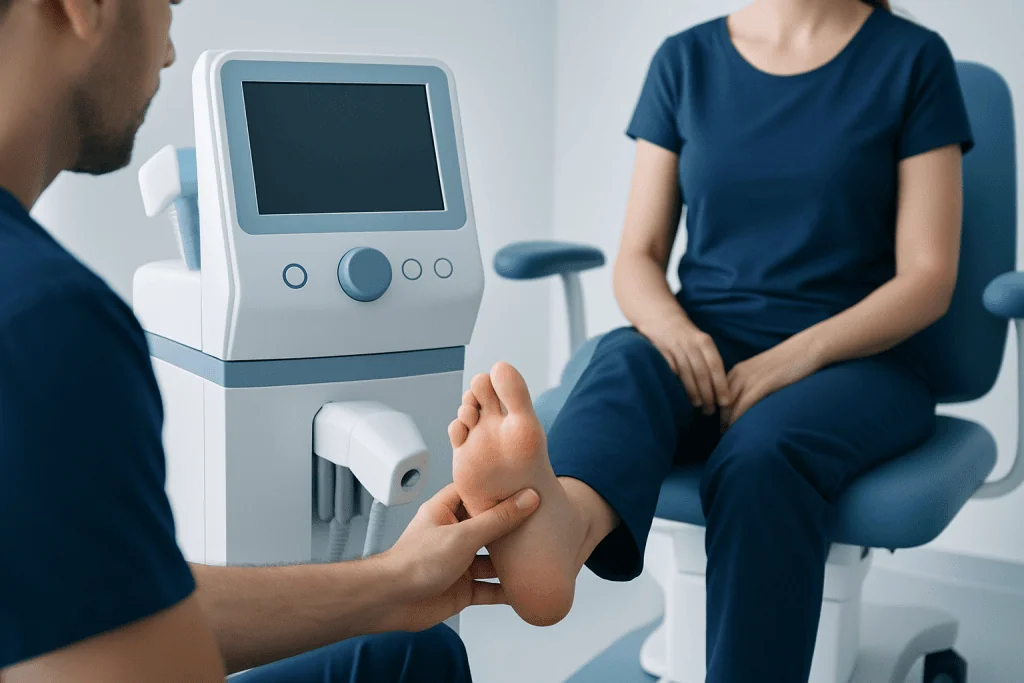
The feet contain many sweat glands. Their normal role is to help regulate temperature and respond to physical activity or emotional stress. Because feet spend much of the day inside socks and shoes, moisture can build up easily, especially in hot weather or during long periods of walking, sports, or standing.
Foot sweating becomes a problem when the amount of sweat is greater than the body needs or when moisture stays trapped against the skin. This can soften the skin, increase friction, and create conditions that favor odor-causing bacteria and fungal growth. Some people also notice slipping inside shoes, blisters, or embarrassment in social settings.
In some cases, the main issue is overactive sweating rather than heat alone. This is called plantar hyperhidrosis, a form of excessive sweating that can affect one area of the body even when the temperature is not high. It may occur on its own or alongside sweaty palms or underarms, and it often begins earlier in life.
Common causes and risk factors

The most common cause of sweaty feet is a mix of normal sweating and environmental factors. Tight or non-breathable shoes, synthetic linings, thick socks, hot climates, intense exercise, and long work shifts in enclosed footwear can all trap heat and moisture. Stress and anxiety can also activate sweat glands and make symptoms more noticeable.
Some people are more prone to foot sweating because of hyperhidrosis, family tendency, hormonal changes, or certain medical conditions. Thyroid disorders, diabetes, obesity, menopause, and some infections can contribute in some cases. Certain medicines may also increase sweating as a side effect, so a medication review can be useful.
Skin conditions may either cause discomfort that mimics sweating or worsen its effects. Athlete’s foot can lead to itching, peeling, or odor, and eczema may cause irritation or cracks in the skin. If there is scaling between the toes or recurring infection, a doctor may consider athlete’s foot as part of the evaluation.
- Closed, non-breathable shoes
- Synthetic or non-absorbent socks
- Hot weather and exercise
- Emotional stress
- Hyperhidrosis
- Skin infection or fungal infection
- Hormonal or metabolic conditions
Practical steps that help reduce sweaty feet
Daily care can make a meaningful difference. Washing the feet once a day with mild soap and water, then drying carefully—especially between the toes—helps reduce moisture and lowers the risk of odor and fungal growth. Some people benefit from changing socks during the day, particularly after exercise or long hours in shoes.
Choosing the right socks and shoes matters. Moisture-wicking socks made for sport or active wear often work better than fabrics that trap dampness. Shoes with breathable uppers, enough room for airflow, and removable insoles can help. Rotating pairs from day to day gives shoes time to dry fully before being worn again.
Over-the-counter antiperspirants designed for feet may help reduce sweat when used as directed on clean, dry skin. Foot powders can also absorb some moisture, although they do not treat the underlying cause. At home, it may help to remove shoes when possible, use sandals in appropriate settings, and avoid sharing footwear or towels if infection is a concern.
- Wash and dry feet thoroughly every day
- Change into dry socks when feet become damp
- Wear breathable, well-fitted shoes
- Rotate shoes so each pair can dry out
- Use foot antiperspirants or absorbent powders if appropriate
- Choose moisture-wicking socks for work, travel, or exercise
How doctors diagnose the cause
Diagnosis starts with a careful history. A doctor may ask when the sweating began, whether both feet are affected, what makes it worse, and whether there are related symptoms such as itching, redness, odor, palpitations, weight change, fever, or night sweats. They may also ask about work shoes, sports, stress, family history, and current medications.
A physical examination usually focuses on the skin of the feet and toes. The doctor looks for maceration, scaling, fissures, blisters, nail changes, and signs of infection or inflammation. If a fungal infection is suspected, a skin scraping may be taken. If another medical condition seems possible, blood tests may be recommended to check issues such as blood sugar or thyroid function.
When sweating itself appears to be the main disorder, the goal is to confirm hyperhidrosis and assess how much it affects daily life. In more persistent cases, treatment planning may involve dermatology input, including options such as dermatology evaluation or formal medical check-up if broader health causes need review.
Treatment options for persistent foot sweating
If self-care is not enough, treatment depends on the cause. For primary plantar hyperhidrosis, doctors often begin with stronger topical antiperspirants than those available in general stores. These aim to reduce sweat gland activity at the skin surface. Treatment plans are individualized, especially if the skin is sensitive or already irritated.
When sweating is linked to fungal infection, eczema, or another skin problem, treating that condition is important. This may include antifungal or anti-inflammatory care depending on the diagnosis. If the problem is part of a wider health issue such as diabetes or thyroid disease, treatment focuses on that underlying cause alongside foot care.
For symptoms that remain troublesome, doctors may discuss procedures or additional therapies used for hyperhidrosis. These can include botulinum toxin treatment in selected cases, or device-based methods such as iontophoresis when appropriate. The right choice depends on severity, skin condition, overall health, and how much the sweating interferes with work, activity, or quality of life.
Prevention, self-care, and when to seek medical care
Prevention focuses on reducing moisture and protecting the skin barrier. Keeping toenails trimmed, drying footwear thoroughly, and replacing worn insoles can help. People who exercise regularly may benefit from packing an extra pair of socks, while those who work in boots may want to choose moisture-managing liners and change footwear after shifts whenever possible.
Medical care is worth seeking if foot sweating is new and severe, interferes with school, work, sleep, or exercise, or comes with rash, cracking, pain, odor that persists despite hygiene, or repeated infections. People with diabetes, poor circulation, nerve symptoms, or foot wounds should be especially cautious, because excess moisture can increase the risk of skin damage and delayed healing.
If symptoms continue despite practical measures, specialist assessment can help clarify the cause and guide treatment. Near the end of the care pathway, some patients may benefit from multidisciplinary evaluation; Acibadem International’s specialists in JCI-accredited hospitals diagnose and treat foot sweating and related skin or metabolic conditions for international patients.
Frequently asked questions
Is feet sweating normal?
Yes. Feet have many sweat glands, so sweating is common during heat, exercise, stress, or long hours in shoes. It becomes more important to assess when it is excessive, persistent, or causes skin problems, odor, or repeated infections.
What is the best way to avoid feet sweating every day?
Daily washing and careful drying, moisture-wicking socks, and breathable shoes are the main steps. Changing socks when they become damp and rotating shoes so they can dry fully often helps more than one single product alone.
Can sweaty feet cause bad odor?
Yes. Sweat itself has little odor, but bacteria and fungi can grow more easily in damp, enclosed footwear and create a strong smell. Keeping feet dry and treating any infection usually improves odor.
When should someone see a doctor for sweaty feet?
A doctor should be consulted if sweating is severe, starts suddenly, or is associated with rash, peeling, cracks, pain, sores, numbness, or repeated infections. Medical advice is also important if self-care has not helped or if the person has diabetes or circulation problems.
Are sweaty feet a sign of hyperhidrosis?
They can be. Hyperhidrosis means sweating more than the body needs, and it can affect the soles of the feet even in cool conditions. A doctor can help decide whether the sweating pattern fits hyperhidrosis or another cause.
Do home remedies work for sweaty feet?
Simple home measures often help mild cases. Breathable footwear, regular sock changes, drying between the toes, and foot antiperspirants can reduce moisture, but persistent symptoms still deserve medical review.
This article is for general information only and is not a substitute for professional medical advice. Please consult a qualified doctor about your individual situation.
Explore treatments in Turkey — costs, top hospitals & a free quote
JCI-accredited · board-certified surgeons · reply within 24h
Add us as a Preferred Source to see more of our trusted health content across Google Search, AI Overviews and Discover.

More from the Health Library

Are Beans Carbs? Causes, Explanations, and Next Steps

Are Pythons Venomous? A Doctor-Reviewed Answer

How Many Hairs Are in the Human Head? Causes, Explanations, and Next Steps

How to Get Rid of Milia? Causes, Explanations, and Next Steps

What Is Nutritional Yeast? Here Is What the Evidence Says