Does LASIK Eye Surgery Hurt: Procedure, Recovery and Results

Numbing eye drops make LASIK generally painless during the procedure, although pressure or temporary discomfort can be felt. The first few hours after LASIK are often the most uncomfortable, with tearing, burning, blurred vision and sensitivity to light.
Key Takeaways
- Numbing eye drops make LASIK generally painless during the procedure, although pressure or temporary discomfort can be felt.
- The first few hours after LASIK are often the most uncomfortable, with tearing, burning, blurred vision and sensitivity to light.
- Dry eye, glare and halos at night can occur after LASIK and are usually temporary, but some symptoms may last longer.
- LASIK suitability depends on eye health, corneal thickness, stable prescription and personal visual needs.
- Vision can change over time after LASIK because the eye continues to age, and reading glasses may still be needed later in life.
Does LASIK eye surgery hurt? Most people do not feel pain during LASIK because anesthetic eye drops numb the surface of the eye; they may notice pressure, light and brief sensations during the procedure. In the first hours afterward, burning, tearing, grittiness and light sensitivity are common but usually improve quickly with prescribed aftercare.
Does LASIK Eye Surgery Hurt?
LASIK is generally not painful during surgery. The ophthalmologist applies anesthetic eye drops before treatment, so the eye surface is numb. A person may feel mild pressure while the eye is held steady, see changing lights or experience a brief unusual sensation, but sharp pain is not expected.
After the procedure, it is common to have temporary burning, tearing, itching, grittiness or the feeling that something is in the eye. Vision may be hazy and light may seem uncomfortable for several hours. These effects usually settle substantially after resting with the eyes closed and using the prescribed drops as directed.
LASIK is a type of refractive surgery that reshapes the cornea, the clear front surface of the eye, to reduce dependence on glasses or contact lenses for conditions such as nearsightedness, farsightedness and astigmatism. It is an elective procedure, so a careful assessment of likely benefits, limitations and alternatives is an important part of decision-making.
How LASIK works and who may be a candidate
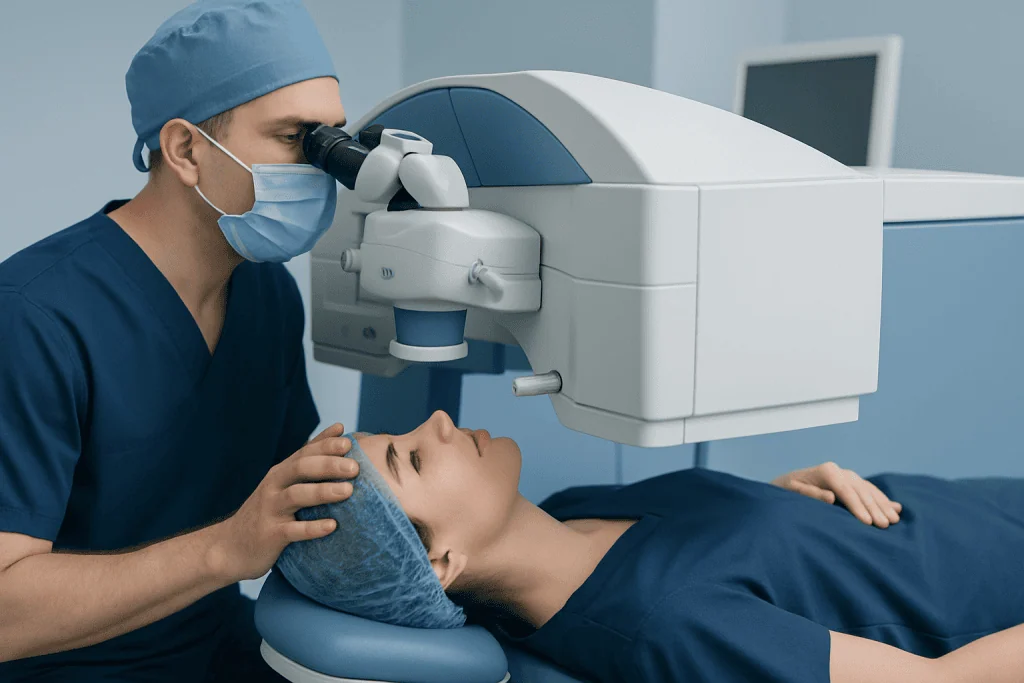
Clear vision depends on light being focused accurately on the retina at the back of the eye. In refractive errors, the shape of the cornea or length of the eye causes light to focus in front of or behind the retina. During LASIK, a laser removes a very small amount of corneal tissue to alter its curvature and improve focusing.
A comprehensive eye assessment determines whether LASIK is appropriate. This usually includes measuring the prescription, mapping and measuring the cornea, checking tear production, assessing pupil size and examining the overall health of the eyes. The prescription should usually have been stable for a period of time, and the cornea needs to have adequate thickness and a suitable shape.
LASIK may not be the best option for everyone. Significant dry eye, certain corneal disorders, uncontrolled diabetes, active eye disease, pregnancy or breastfeeding, and unstable vision can affect timing or suitability. Alternatives may include glasses, contact lenses, surface laser procedures, implantable lenses or lens-based surgery. An ophthalmologist can explain whether laser eye surgery is suitable and which technique best matches the person’s eyes and lifestyle.
What happens during the LASIK procedure?
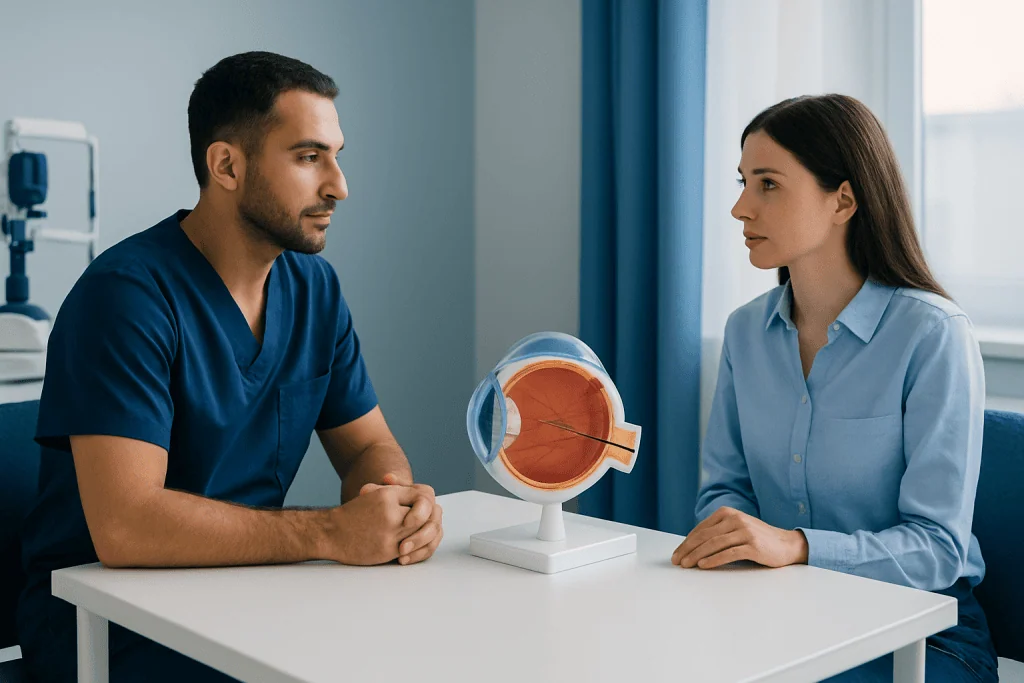
LASIK is usually performed as an outpatient procedure and treatment itself commonly takes only a few minutes per eye. Before starting, the eye is cleaned and numbing drops are applied. A device gently keeps the eyelids open, so the person does not need to worry about blinking at the wrong moment.
The surgeon creates a thin flap in the cornea, commonly using a femtosecond laser. The flap is lifted, and an excimer laser reshapes the underlying corneal tissue according to the individual treatment plan. The person is asked to look at a fixation light; modern laser systems use tracking technology to help account for small eye movements.
The corneal flap is then carefully returned to its original position, where it adheres without stitches. Vision is often blurred immediately after the procedure, and the eyes may water or feel irritated. Someone else should drive the patient home, and rest is typically advised for the remainder of the day.
Although the process is brief, it is normal to feel anxious beforehand. Discussing concerns about pain, sedation, eye positioning or recovery with the surgical team in advance can make the experience feel more manageable.
How painful is LASIK recovery?
LASIK recovery is usually described as uncomfortable rather than painful. The strongest sensations commonly occur during the first several hours, when the numbing drops wear off. Burning, stinging, watering, light sensitivity and a gritty sensation can make it difficult to keep the eyes open comfortably.
Many people are advised to go home, use their prescribed drops and sleep or rest with their eyes closed. By the following day, discomfort is often much improved, although vision can still fluctuate and dryness may persist. Follow-up visits allow the surgeon to check healing and assess visual progress.
For several days or weeks, it is important not to rub the eyes because the corneal flap needs time to settle securely. The care team may advise protective eye shields while sleeping, avoiding swimming and hot tubs for a specified period, and postponing eye makeup or contact sports until the eyes have healed. Artificial tears and prescribed anti-inflammatory or antibiotic drops should be used only as directed.
Recovery varies between individuals. Persistent pain is not typical after LASIK and should not simply be managed at home without clinical advice. Prompt review can identify problems such as significant dryness, inflammation, infection or a flap-related concern.
Benefits, limitations and the downside of LASIK eye surgery
The main potential benefit of LASIK is reduced need for glasses or contact lenses in everyday activities. Many suitable patients achieve strong distance vision after healing, but results vary based on the original prescription, eye anatomy, healing response and age-related vision changes. Some people still use glasses for particular tasks, such as driving at night or reading small print.
What is the downside of LASIK eye surgery? Like all surgery, LASIK has potential risks and trade-offs. Temporary dry eye, glare, halos, starbursts and reduced comfort in low-light conditions are among the more common short-term effects. Some people may have undercorrection or overcorrection, meaning that glasses, contact lenses or an enhancement procedure may be considered after the prescription has stabilized.
Less common but important complications include infection, inflammation, healing problems involving the corneal flap, corneal weakening and persistent visual symptoms. Rarely, vision may not be as clear as it was with glasses or contact lenses before surgery. A detailed preoperative assessment helps identify people at higher risk, but it cannot remove every possibility of an unwanted result.
Dry eye deserves particular attention because it can affect comfort and quality of vision. People with existing dry-eye symptoms should discuss them openly before surgery. Identifying and treating dry eye syndrome before considering LASIK may improve comfort and help determine whether a different vision-correction approach is more appropriate.
What happens 10 years after LASIK?
What happens 10 years after LASIK? For many people, the corneal reshaping achieved by LASIK remains stable for years. However, LASIK does not stop natural changes in the eyes. A small change in prescription can develop over time, especially in people who had higher refractive errors initially, and some may eventually need glasses again for certain activities.
From the mid-40s onward, most adults develop presbyopia, an age-related reduction in the ability to focus up close. This happens whether or not someone has had LASIK. As a result, reading glasses may become necessary even when distance vision remains good after surgery.
Other age-related eye conditions, including cataracts, glaucoma and retinal disorders, can still occur and require routine eye care. LASIK does not cause these conditions, but it also does not prevent them. People should continue regular eye examinations and tell eye-care professionals about their history of refractive surgery.
In some cases, an enhancement may be possible if a meaningful prescription returns and the cornea remains suitable. This decision requires new measurements and a careful eye health evaluation rather than an assumption that repeat treatment is appropriate.
What is the regret rate for LASIK eye surgery?
What is the regret rate for LASIK eye surgery? There is no single regret rate that applies to every patient or every surgical center. Studies assessing satisfaction generally find that most appropriately selected LASIK patients are satisfied, but satisfaction is not the same as a guarantee of perfect vision or freedom from glasses for life.
Regret may be more likely when expectations are not aligned with realistic outcomes. For example, a person may be disappointed by the need for reading glasses later in life, night-vision symptoms, dry-eye discomfort or a residual prescription. Discussing occupation, sports, screen use, driving at night and close-vision needs before surgery helps clarify what outcome is realistic.
Choosing LASIK should be based on a balanced understanding of benefits, risks and alternatives, rather than on pressure to avoid glasses. Asking the surgeon about their screening process, expected recovery, potential complications and the plan if vision is not fully corrected can support an informed decision.
Acibadem International’s multidisciplinary specialists and JCI-accredited hospitals assess and treat vision concerns for international patients, including evaluation for refractive procedures where appropriate.
When to seek medical care after LASIK
Follow the scheduled postoperative appointments even if vision seems to be improving. Contact the surgical team promptly if pain is severe or increasing, vision suddenly becomes worse, redness is marked, discharge develops, or there is a new curtain-like shadow, flashing lights or many new floaters. These symptoms need timely assessment.
Mild fluctuating vision and dryness are common in early recovery, but symptoms should trend toward improvement. If discomfort, blurred vision, glare or light sensitivity is not improving as expected, the person should contact an ophthalmologist rather than stopping or changing prescribed drops independently.
People considering LASIK should also seek an eye examination before proceeding if they have persistent dry eyes, a history of eye injury or surgery, keratoconus in themselves or close relatives, autoimmune disease, diabetes or changes in vision. Individual health factors can change both safety considerations and the most appropriate treatment option.
Frequently asked questions
Is LASIK painful during the procedure?
LASIK is usually not painful because anesthetic drops numb the eye before treatment begins. A person may feel pressure, notice bright lights or experience a brief unfamiliar sensation, but sharp pain is not expected. The surgical team monitors comfort throughout the procedure.
How long do the eyes hurt after LASIK?
The most noticeable discomfort usually occurs in the first few hours after LASIK. Burning, watering, grittiness and light sensitivity often improve by the next day, although dryness can last longer. Worsening or severe pain should be reported promptly to the surgical team.
Can someone blink or move their eyes during LASIK?
An eyelid holder helps prevent blinking during treatment, and the laser system is designed to track small eye movements. The patient is asked to look at a target light, but perfect stillness is not expected. The surgeon can pause if needed.
Does LASIK permanently fix vision?
LASIK permanently reshapes the treated cornea, and the improvement in distance vision can remain stable for many years. However, the eye continues to age, so prescription changes, presbyopia and other eye conditions can still develop. Some people need glasses again for reading or specific visual tasks.
Who should not have LASIK?
LASIK may not be suitable for people with unstable prescriptions, thin or irregular corneas, significant dry eye, certain eye diseases or uncontrolled medical conditions. Pregnancy and breastfeeding can also be reasons to postpone an assessment or procedure because vision may fluctuate. An ophthalmologist uses detailed testing to determine individual suitability.
Can LASIK cause dry eyes?
Dry-eye symptoms are common during the healing period because corneal nerves are temporarily affected by surgery. Symptoms often improve over weeks to months with appropriate care, but they can occasionally persist. Pre-existing dry eye should be evaluated and managed before LASIK is considered.
References
- American Academy of Ophthalmology
- U.S. Food and Drug Administration
- National Eye Institute
- Royal College of Ophthalmologists
This article is for general information only and is not a substitute for professional medical advice. Please consult a qualified doctor about your individual situation.
Eye Surgery in Turkey — costs, top hospitals & a free quote
JCI-accredited · board-certified surgeons · reply within 24h

Ophthalmology
Comprehensive eye care from laser vision correction to retina, cornea and cataract surgery.
75 specialists in this unit