LASIK Eye Surgery Side Effects: What to Expect and How to Manage

Dryness, glare, halos and changing clarity are common early LASIK side effects and usually improve during healing. LASIK permanently reshapes the cornea, so a detailed eye examination is essential to confirm suitability.
Key Takeaways
- Dryness, glare, halos and changing clarity are common early LASIK side effects and usually improve during healing.
- LASIK permanently reshapes the cornea, so a detailed eye examination is essential to confirm suitability.
- Following the prescribed drop schedule and protecting the eyes from rubbing, water and injury support recovery.
- Severe pain, worsening redness, discharge or a sudden reduction in vision require urgent assessment.
- LASIK can reduce dependence on glasses or contact lenses, but it does not prevent age-related near-vision changes.
LASIK eye surgery side effects most often include temporary dry eye symptoms, fluctuating vision, glare, halos and light sensitivity while the cornea heals. Most improve over days to months with prescribed aftercare, but careful preoperative assessment and prompt review of unusual symptoms are important for safe recovery.
LASIK eye surgery side effects: the short answer
LASIK eye surgery side effects are usually temporary and may include dry, gritty or watery eyes, blurred or fluctuating vision, light sensitivity, glare, halos around lights and reduced night-vision comfort. These effects are most noticeable in the first days or weeks after surgery and commonly settle as the eye surface and cornea recover.
Less commonly, symptoms can persist or complications may affect vision. A thorough preoperative assessment, an experienced ophthalmic team and careful aftercare help identify people who may be at higher risk and support a safer recovery. LASIK is elective surgery, so each person should have enough time to discuss expected benefits, limitations and alternatives with an eye specialist.
How LASIK works and who may be a candidate
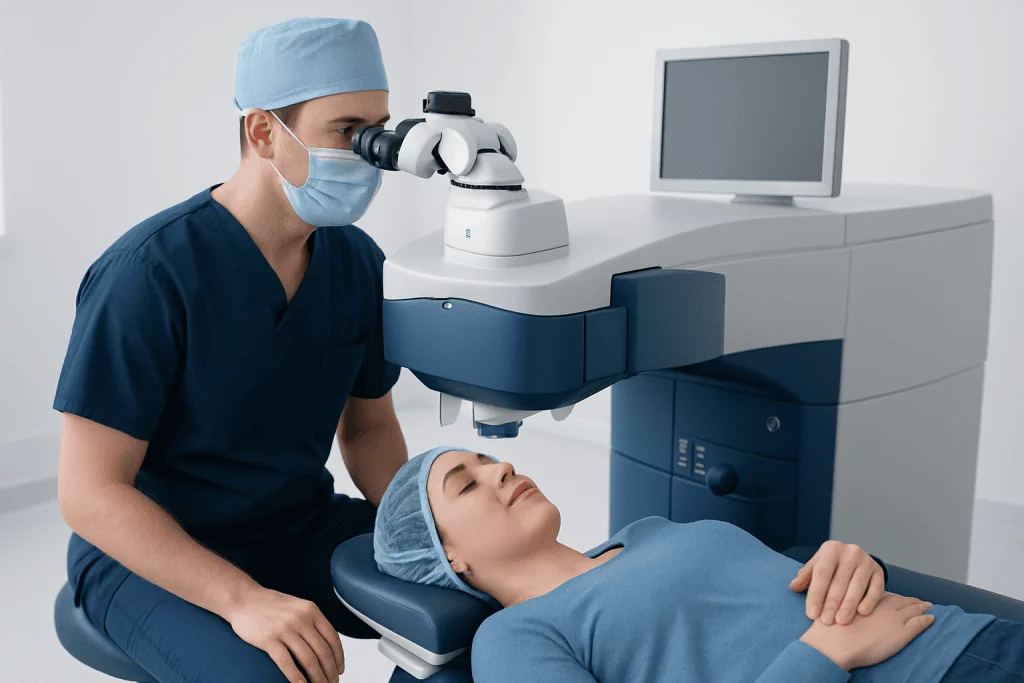
LASIK, short for laser-assisted in situ keratomileusis, is a refractive surgery used to correct short-sightedness, long-sightedness and some forms of astigmatism. It changes the shape of the cornea, the clear front surface of the eye, so that light focuses more accurately on the retina. The aim is to reduce reliance on glasses or contact lenses rather than to promise perfect vision in every setting.
During the procedure, the surgeon creates a very thin corneal flap using a laser or a mechanical device. The flap is gently lifted, an excimer laser reshapes deeper corneal tissue according to the treatment plan, and the flap is repositioned without stitches. The laser treatment itself generally takes only a short time, although preparation and safety checks take longer.
Suitable candidates usually have stable glasses prescriptions, healthy corneas and realistic expectations. Assessment commonly includes refraction testing, corneal thickness and shape measurements, tear-film evaluation, pupil assessment and a detailed eye-health examination. LASIK may not be appropriate for people with certain corneal conditions, significant dry eye disease, unstable prescription changes, active eye infection, uncontrolled systemic illness or some autoimmune disorders. Pregnancy and breastfeeding may also be a reason to postpone treatment because vision can change temporarily.
Other vision-correction approaches may be considered if LASIK is not the best fit. These can include surface laser procedures, implantable lenses or lens-based surgery, depending on age, prescription, corneal measurements and eye health. A consultation for laser eye surgery can help clarify the most suitable option for an individual’s needs.
What happens during the procedure and early recovery

Before LASIK, numbing eye drops are used. The person remains awake and is asked to look at a fixation light while the surgeon uses equipment that helps keep the eye in the correct position. Pressure sensations, light changes and brief blurring can occur, but the procedure should not be painful. Both eyes are often treated on the same day when clinically appropriate.
Vision may be hazy immediately afterward, and the eyes can feel watery, scratchy, sensitive to light or mildly uncomfortable. Most people are advised to rest with their eyes closed after treatment and arrange for someone else to take them home. The surgeon provides specific instructions for antibiotic and anti-inflammatory drops, lubricating drops, protective shields and follow-up appointments.
Many people notice useful improvement in vision by the following day, but vision can vary during the first several weeks. Fine visual tasks, screen use and driving at night may feel different while healing continues. Follow-up visits allow the ophthalmologist to examine flap position, corneal healing, eye pressure and visual progress.
Recovery is individual. People should not compare their progress too closely with another person’s experience, as prescription strength, pre-existing dryness, healing response and the procedure type can all affect the timeline.
Common side effects and how they are managed
Dry eye symptoms are among the most common LASIK eye surgery side effects. The corneal nerves that help regulate tear production are affected temporarily by surgery, and this may cause burning, grittiness, fluctuating vision, reflex tearing or contact-lens-like discomfort. Preservative-free artificial tears and other treatments recommended by the ophthalmologist can improve comfort while nerve function recovers.
Glare, halos, starbursts and reduced contrast sensitivity can occur, especially in dim light or when driving at night. These effects often lessen as the cornea heals and the visual system adapts. They may be more noticeable in people with large pupils, high prescriptions or pre-existing night-vision difficulties, which is why preoperative testing and discussion of lifestyle needs are important.
Other short-term effects can include light sensitivity, redness, small areas of surface bleeding, visual fluctuation and a sensation that something is in the eye. These should gradually improve. The eye should not be rubbed, because this can disturb the corneal flap early in recovery.
Less common but important complications include infection, inflammation beneath the flap, flap displacement, irregular healing, raised eye pressure from steroid drops, corneal scarring, undercorrection or overcorrection, and a need for enhancement treatment in selected cases. Rarely, vision may be worse than before surgery even with glasses. Prompt examination helps distinguish expected healing from a problem that needs treatment.
What I wish I knew before LASIK?
Before LASIK, it is helpful to understand that the goal is reduced dependence on corrective lenses, not necessarily lifelong freedom from glasses in every situation. A person may still need glasses for reading as they get older because presbyopia is an age-related change in the eye’s focusing ability. This can happen whether or not someone has had LASIK.
It is also important to know that recovery is not identical for everyone. Some people see clearly quickly, while others experience weeks or months of dry eye symptoms or variable clarity. Work requirements, screen time, sports, outdoor exposure and night driving should be part of the preoperative conversation.
A high-quality screening appointment matters as much as the laser procedure. The ophthalmologist should assess corneal shape and thickness, prescription stability, tear quality, general eye health and medical history. People should disclose prior eye surgery, contact lens use, medications, autoimmune conditions, diabetes, pregnancy plans and any history of dry eyes or night-vision concerns.
Questions about expected visual outcome, alternatives, follow-up care and the possibility of needing glasses, contact lenses or further treatment later can help a person make an informed decision. It is reasonable to take time before deciding on an elective procedure.
How long do LASIK side effects usually last?
Most early LASIK side effects improve in the first few days to weeks. Scratchiness, tearing and light sensitivity are often strongest soon after surgery, while vision can fluctuate as the eye surface stabilizes. Many people return to routine activities relatively quickly, following their surgeon’s advice.
Dry eye symptoms and night-time visual effects may take several weeks or months to settle. In some people, especially those with dry eye symptoms before surgery, treatment may need to continue longer. Regular follow-up helps the clinical team adjust lubricants or other supportive care based on symptoms and examination findings.
Persistent symptoms do not always mean there is a serious complication, but they should not be ignored. Ongoing blurred vision, discomfort, glare that interferes with daily life or dependence on frequent lubricating drops should be discussed with an ophthalmologist. The cause may be dryness, residual refractive error, inflammation or another treatable issue.
Is LASIK a high risk surgery?
LASIK is widely performed and serious vision-threatening complications are uncommon when patients are carefully selected and surgery is performed in an appropriate clinical setting. However, it is still surgery on the cornea and carries real risks. The likelihood and type of risk depend on individual eye measurements, health history, prescription, healing response and adherence to aftercare.
For many suitable candidates, the potential benefit is greater freedom from glasses or contact lenses for distance vision. The possible trade-offs include temporary discomfort, dry eye symptoms, visual phenomena at night, residual prescription and the rare possibility of longer-lasting visual problems. The decision should be based on an individual assessment rather than on another person’s results.
Risk can be reduced, though never removed completely, by having a comprehensive eye examination, pausing contact lens wear before measurements as instructed, choosing a qualified ophthalmic surgeon and attending all follow-up visits. An eye specialist may advise against LASIK if the cornea is too thin or irregular, or if other factors make another treatment safer.
People with corneal disorders may need additional investigation before considering refractive surgery. For example, keratoconus can weaken and alter corneal shape, and LASIK is generally not suitable when this condition is present or suspected.
Do and don'ts after LASIK surgery
After LASIK, people should use prescribed eye drops exactly as directed, attend scheduled follow-up appointments and use lubricating drops if recommended. They should rest their eyes when tired, wear the protective shields supplied for sleep if instructed, and use sunglasses outdoors for comfort and protection from wind and bright light.
They should avoid rubbing or pressing on the eyes, even if they feel itchy or dry. It is also usually important to avoid getting water, soap, makeup or facial products into the eyes in the early recovery period. Swimming pools, hot tubs, saunas and contact sports are commonly restricted for a period specified by the surgeon because they can increase the risk of infection or eye injury.
Driving should only resume when vision meets legal and practical safety requirements and the person feels comfortable, particularly at night. Screen use can worsen dryness because blinking decreases, so regular breaks and prescribed lubrication may help. People should not stop prescribed medication or add non-prescribed eye drops without asking their eye-care team.
Acibadem International’s multidisciplinary specialists and JCI-accredited hospitals assess and treat eye conditions for international patients, including those considering refractive procedures and those needing postoperative review.
When to seek medical care
Contact the operating clinic or an ophthalmologist promptly if pain becomes severe or worsens, vision suddenly decreases, redness increases, discharge develops, or there is marked swelling or persistent light sensitivity. These symptoms can signal infection, inflammation or a flap-related concern that needs timely assessment.
Urgent assessment is also needed after any eye injury or accidental rubbing in the early period after LASIK. New flashes of light, many new floaters, a curtain-like shadow in vision, or sudden loss of part of the visual field should be treated as urgent eye symptoms, whether or not a person has had LASIK.
Routine concerns, such as mild dryness or changing sharpness, can often be addressed during scheduled follow-up or by contacting the clinical team for advice. It is safer to ask early rather than use unapproved drops or wait for symptoms to become more troublesome.
Frequently asked questions
What are the most common LASIK eye surgery side effects?
The most common effects are dry or gritty eyes, fluctuating vision, sensitivity to light, glare, halos and starbursts around lights. These are often temporary and tend to improve as the cornea and tear film recover. The ophthalmologist can recommend drops or other care if symptoms are bothersome.
Can LASIK cause permanent dry eyes?
Dry eye symptoms are common after LASIK and usually improve over time, but a small number of people have symptoms that last longer. Pre-existing dry eye increases the chance of prolonged symptoms. Tear-film testing before surgery and follow-up treatment afterward are important.
Will I need reading glasses after LASIK?
LASIK does not prevent presbyopia, the normal age-related loss of near focusing ability. Many people eventually need reading glasses, particularly from their 40s onward. Options such as monovision may be discussed during assessment, but they are not suitable for everyone.
When can I return to work after LASIK?
Many people can return to non-physical work within a day or two, depending on their vision, comfort and job demands. Screen-heavy work may temporarily worsen dryness, so breaks and lubricating drops can be helpful. The surgeon’s individual advice should guide return to work.
Can I exercise after LASIK?
Light activity may be possible soon after surgery, but strenuous exercise, swimming and contact sports are often restricted for a period of time. Sweat, water exposure and accidental trauma can irritate or injure the healing eye. The exact timeline should come from the operating surgeon.
Can LASIK side effects return years later?
The early healing-related side effects generally do not return in the same way years later. However, dry eye, prescription changes, cataracts and age-related near-vision changes can affect vision over time. New or changing symptoms should be assessed by an eye-care professional rather than assumed to be related to previous LASIK.
References
- American Academy of Ophthalmology
- U.S. Food and Drug Administration
- National Eye Institute
- Royal College of Ophthalmologists
- Mayo Clinic
This article is for general information only and is not a substitute for professional medical advice. Please consult a qualified doctor about your individual situation.
Eye Surgery in Turkey — costs, top hospitals & a free quote
JCI-accredited · board-certified surgeons · reply within 24h

Ophthalmology
Comprehensive eye care from laser vision correction to retina, cornea and cataract surgery.
75 specialists in this unit