Operation of Cancer: Procedure, Recovery and Results

Cancer surgery may be used to diagnose, remove, reduce or relieve problems caused by cancer. Not every cancer requires surgery; systemic treatments, radiation therapy or active monitoring may be better options in some situations.
Key Takeaways
- Cancer surgery may be used to diagnose, remove, reduce or relieve problems caused by cancer.
- Not every cancer requires surgery; systemic treatments, radiation therapy or active monitoring may be better options in some situations.
- The procedure may be open, minimally invasive or robotic, depending on the tumor and the body area involved.
- Recovery cancer surgery varies from days to months and includes wound care, movement, nutrition and follow-up appointments.
- Surgical pathology findings help the team decide whether additional treatment is needed.
An operation of cancer, also called cancer surgery, is a procedure used to remove a tumor, confirm a diagnosis, reduce symptoms or help plan further treatment. Whether surgery is appropriate depends on the cancer type, location, stage, general health and treatment goals, and is decided by a multidisciplinary care team.
Overview: What Is an Operation of Cancer?
An operation of cancer is surgery performed as part of cancer diagnosis, treatment or symptom relief. Its most familiar purpose is removing a tumor, often together with a small border of healthy-looking tissue called a margin. In some operations, nearby lymph nodes are also removed or sampled to check whether cancer cells have spread.
For cancers that are localized or limited to one area, surgery may offer the possibility of complete removal. In other cases, it is combined with chemotherapy, radiation therapy, immunotherapy, hormone therapy or targeted medicines. This coordinated approach is often called multimodal operation cancer care, and it is tailored to the individual rather than determined by a single test result.
Cancer surgery can also have other roles. A biopsy operation obtains tissue for diagnosis; debulking removes as much tumor as safely possible when complete removal is not feasible; and palliative surgery can relieve concerns such as bleeding, obstruction or pain. The aim, expected benefit and possible alternatives should be discussed clearly before any procedure.
How Cancer Surgery Works and Who May Be a Candidate
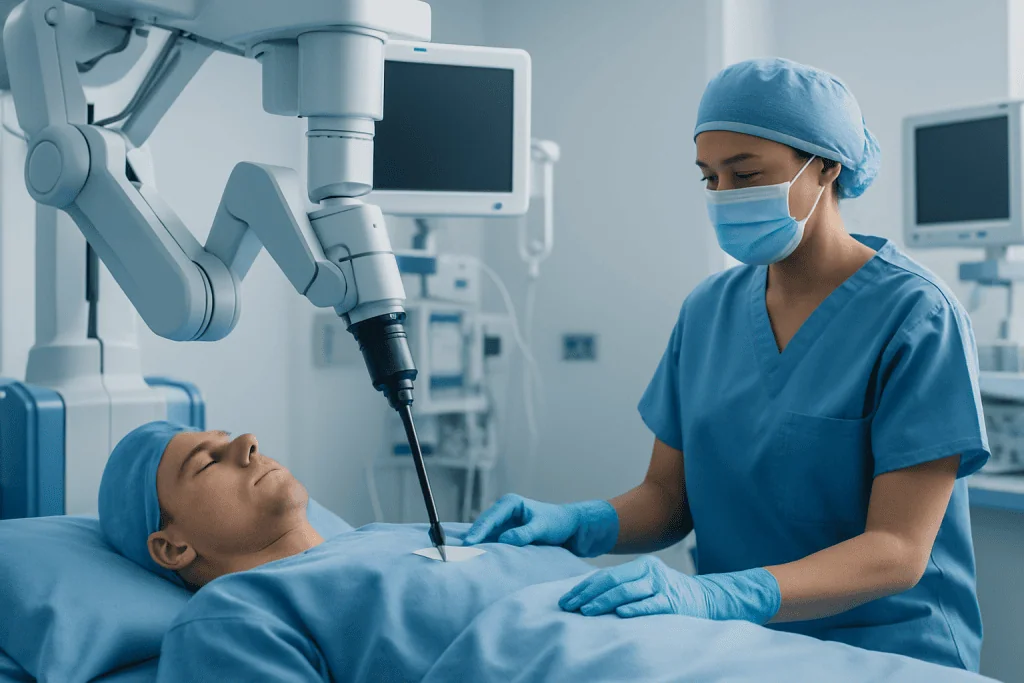
Before an operation, surgeons use imaging, biopsy findings, laboratory tests and physical examination to understand the tumor. The team considers whether the cancer appears removable, whether surgery can be performed safely, and whether an operation is likely to improve cure rates, disease control or comfort. The pathology report after surgery provides further detail about the tumor and its margins.
Candidacy depends on the cancer’s type, size, location and stage, as well as whether it involves nearby structures or has spread to distant organs. A person’s heart and lung function, nutrition, mobility, other health conditions, medicines and personal priorities also matter. Age alone does not determine whether surgery is suitable.
Some people receive treatment before surgery, known as neoadjuvant therapy, to shrink a tumor or make removal more effective. Others may need treatment after surgery, called adjuvant therapy, to lower the chance that microscopic cancer cells remain. When surgery would not provide meaningful benefit or would carry excessive risk, the team may recommend another approach.
- Open surgery uses a larger incision to reach the affected area.
- Minimally invasive surgery uses small incisions and a camera-guided instrument.
- Robotic-assisted surgery is a type of minimally invasive approach that can support precise movement in selected operations.
What Happens Before and During the Procedure

Preparation begins with a surgical consultation and preoperative assessment. Patients may have blood tests, scans, heart or breathing assessments, and a review of current medicines and allergies. The care team gives specific instructions about eating and drinking before anesthesia, medications that may need to be paused, and arranging transport and support at home after discharge.
On the day of surgery, the team confirms the planned procedure, operative site and consent. Most cancer operations are carried out under general anesthesia, meaning the patient is asleep and does not feel the procedure. Some smaller procedures may use local or regional anesthesia with or without sedation.
During the operation, the surgeon removes the planned tissue while protecting nearby nerves, blood vessels and organs whenever possible. Lymph node sampling or removal may be performed for certain cancers. Reconstructive techniques may be considered at the same time as tumor removal when they can restore appearance or function safely.
Removed tissue is examined by a pathologist. Results may show the cancer type, tumor features, lymph node status and whether the edges of the removed tissue are free of cancer cells. These findings help guide discussions about surveillance, further surgery or additional therapies.
Benefits, Limitations and Possible Risks
The main potential benefit of an operation of cancer is removing all visible disease when this is achievable and appropriate. Surgery may also provide the most accurate staging information, reduce tumor-related symptoms or make other treatments more effective. For some early-stage cancers, surgery may be the main treatment; for others, it is one part of a broader plan.
Every operation has limitations. Even when surgery successfully removes a visible tumor, microscopic cancer cells may sometimes remain elsewhere in the body. This is why some patients are advised to have additional treatment or regular follow-up. A clear surgical margin is reassuring, but it does not eliminate the need for individualized monitoring.
Risks depend on the operation and a person’s health. They can include bleeding, infection, blood clots, reactions to anesthesia, pain, delayed wound healing and injury to nearby structures. Organ-specific effects are also possible, such as changes in bowel, bladder, sexual, swallowing, speech or breathing function. The surgeon explains the risks most relevant to the planned procedure.
Patients can help reduce preventable risks by following preoperative instructions, discussing tobacco use and all medicines honestly, staying as active as advised before surgery, and reporting new symptoms promptly. Asking about expected functional changes and available rehabilitation support can help patients prepare practically and emotionally.
Recovery Cancer Surgery: Timeline and Aftercare
Recovery cancer surgery is individual. A minor outpatient procedure may allow a return home the same day, while major abdominal, chest, brain or pelvic surgery may require several days in hospital. The first phase focuses on pain control, breathing exercises when appropriate, safe movement, fluid intake and watching for early complications.
In the first days after surgery, patients are usually encouraged to move gently as soon as their team says it is safe. Early movement supports circulation, bowel function and lung health. Diet is restarted gradually for some procedures, and tubes or drains may be used temporarily. Before discharge, the team reviews wound care, activity limits, medications and follow-up arrangements.
Over the following weeks, fatigue is common and may improve gradually rather than day by day. Healing time is influenced by the size and location of the operation, complications, prior treatments and baseline fitness. Heavy lifting, driving, swimming and strenuous exercise should only resume according to the surgical team’s instructions.
Recovery of prostate cancer surgery may include temporary urinary leakage and changes in erectile function, particularly after prostate removal. Pelvic floor exercises, continence support, sexual health counseling and rehabilitation options may be helpful. Similar supportive services are available after many cancer operations to address nutrition, mobility, body image and emotional wellbeing.
Follow-Up, Results and Ongoing Cancer Care
Final surgical pathology results commonly take several days, although timing varies by procedure and testing required. At the follow-up visit, the surgeon explains what was removed, whether margins and lymph nodes were involved, and how the findings affect the next steps. It is useful for patients to bring a support person or written questions to this appointment.
Possible next steps include observation with scheduled tests, additional surgery, radiation therapy, systemic treatment or referral to rehabilitation and supportive care. Follow-up plans are based on the specific cancer, treatment received and individual risk factors. They may include examinations, blood tests, imaging or other monitoring, but no single schedule is right for every cancer type.
Physical recovery is only one aspect of results after surgery. Changes in energy, sleep, appetite, mood, work routines and relationships can occur. Cancer rehabilitation, mental health support, pain services, dietetic guidance and peer support can help people adapt during treatment and survivorship.
Acibadem International’s multidisciplinary specialists and JCI-accredited hospitals support international patients with cancer diagnosis, surgical planning and coordinated treatment when surgery is appropriate.
When to Seek Medical Care
Patients should contact their surgical team urgently if they develop a fever, worsening redness or swelling around the wound, pus-like drainage, increasing pain that is not controlled by the prescribed plan, persistent vomiting, or difficulty keeping fluids down. New calf pain or swelling, sudden shortness of breath, chest pain, fainting or heavy bleeding require urgent medical assessment.
It is also important to call the care team for new problems with urination or bowel movements, a wound that opens, worsening weakness, confusion, or concerns about a drain, stoma or catheter. These symptoms do not always mean a serious complication, but prompt advice can prevent problems from becoming more difficult to manage.
Before surgery, a person should seek medical advice if they develop a new infection, fever, cough, chest symptoms or a major change in health. The team may need to reassess timing or take additional precautions. For any immediate emergency, local emergency services should be contacted.
Frequently asked questions
Is an operation of cancer always needed?
No. Surgery is not suitable or necessary for every cancer. The best treatment depends on the cancer type, stage and location, as well as the person's overall health and goals. Some cancers are managed primarily with medicines, radiation therapy, active surveillance or a combination of treatments.
How long does recovery after cancer surgery take?
Recovery can range from a few days after a small procedure to several weeks or months after major surgery. The timeline depends on the body area treated, the surgical approach, general health and whether complications occur. The surgical team can provide the most reliable personal estimate.
Will surgery make cancer spread?
Modern cancer surgery is planned carefully to remove tumors safely, and there is no evidence that routine surgical removal causes cancer to spread. In some situations, surgery may not be recommended because the cancer has already spread or because another treatment is more likely to help. These decisions are based on clinical evidence and imaging results.
What does a clear margin mean after cancer surgery?
A clear, or negative, margin means the pathologist did not find cancer cells at the outer edge of the removed tissue. It suggests that the visible tumor was removed with a border of surrounding tissue. However, follow-up and sometimes additional treatment may still be advised depending on the cancer type and stage.
When can a person return to work after cancer surgery?
Return-to-work timing varies widely. It depends on the physical demands of the job, the extent of surgery, fatigue levels and any ongoing treatment. A surgeon or oncology team can advise on a gradual return and provide appropriate medical documentation when needed.
What questions should patients ask before cancer surgery?
Helpful questions include the goal of surgery, expected benefits, alternatives, likely effects on daily function and the expected recovery plan. Patients may also ask whether lymph nodes will be assessed, whether reconstructive surgery is relevant, and whether further treatment may be needed afterward. Bringing written questions can make the consultation easier to follow.
References
- National Cancer Institute
- American Cancer Society
- American Society of Clinical Oncology
- National Health Service
- World Health Organization
This article is for general information only and is not a substitute for professional medical advice. Please consult a qualified doctor about your individual situation.
Oncology care in Turkey — second opinion and treatment plan
JCI-accredited · board-certified surgeons · reply within 24h

More from the Health Library



Related Specialists

Assoc. Prof. Dr. Esra Nur Ademoğlu Dilekçi
Endocrinology
Assoc. Prof. Dr. Mustafa Aytek Şimşek
Cardiology
Prof. Dr. Reha Baran
Pulmonology
Dt. Serpil Terzioğlu
Oral & Dental Health