Pterygium Surgery: Procedure, Recovery and Results
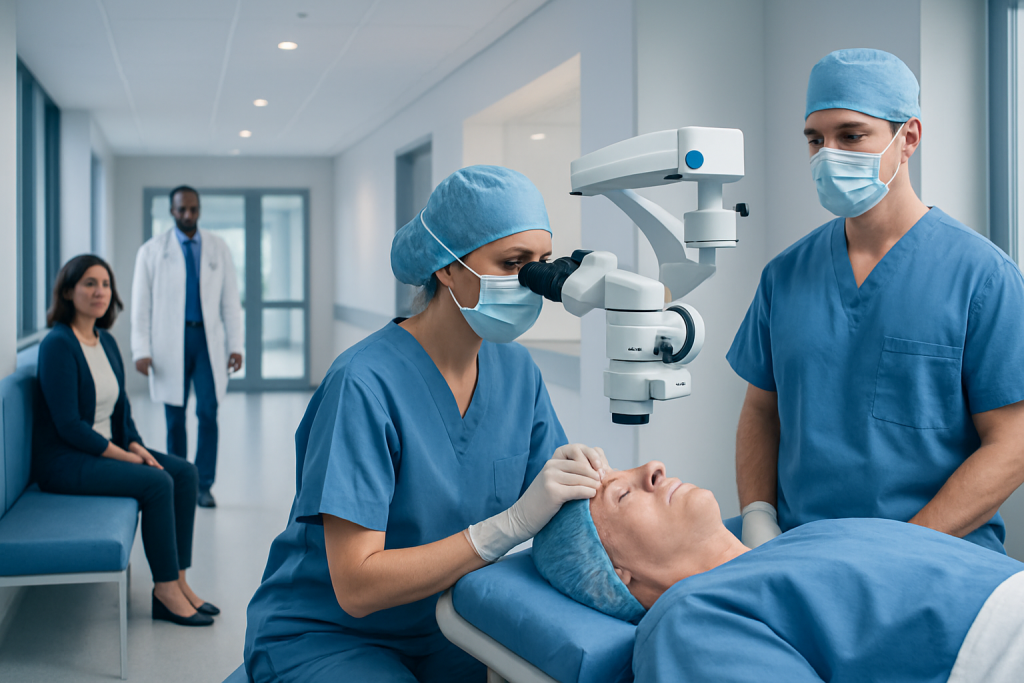
Pterygium surgery removes an abnormal surface tissue growth and commonly uses a small conjunctival graft to lower the chance of recurrence. The procedure is usually performed with local anaesthetic, often as a same-day treatment.
Key Takeaways
- Pterygium surgery removes an abnormal surface tissue growth and commonly uses a small conjunctival graft to lower the chance of recurrence.
- The procedure is usually performed with local anaesthetic, often as a same-day treatment.
- Redness, tearing, grittiness and temporary blurred vision are common during the early recovery period.
- Many people resume light daily activities within days, but healing and redness can continue for several weeks.
- Regular follow-up and protection from ultraviolet light, wind and dust support healing and may help reduce recurrence.
Pterygium surgery is an outpatient eye procedure that removes a non-cancerous tissue growth extending from the white of the eye toward the cornea. It may be recommended when the growth affects vision, changes the cornea’s shape, causes ongoing discomfort, or creates a significant cosmetic concern.
Pterygium Surgery: What It Is and When It Is Needed
Pterygium surgery removes a pterygium: a wedge-shaped growth of conjunctival tissue that begins on the white part of the eye and may gradually extend onto the clear front surface, called the cornea. It is non-cancerous, but it can become inflamed, create a persistent foreign-body sensation, affect the eye’s appearance, or interfere with vision as it advances.
Surgery is not necessary for every pterygium. Smaller, stable growths without troublesome symptoms are often monitored and managed with lubricating eye drops, ultraviolet protection and treatment for associated dry-eye symptoms. An ophthalmologist may discuss surgery if the pterygium is growing toward the central cornea, causing astigmatism or blurred vision, producing repeated irritation, limiting contact lens wear, or causing an appearance concern that matters to the individual.
The goal is to restore a smoother eye surface and protect vision while reducing the chance that the growth returns. Modern techniques commonly combine removal with a conjunctival autograft, in which a thin piece of healthy tissue from another area of the same eye covers the removal site.
Who May Be a Candidate for Pterygium Removal?
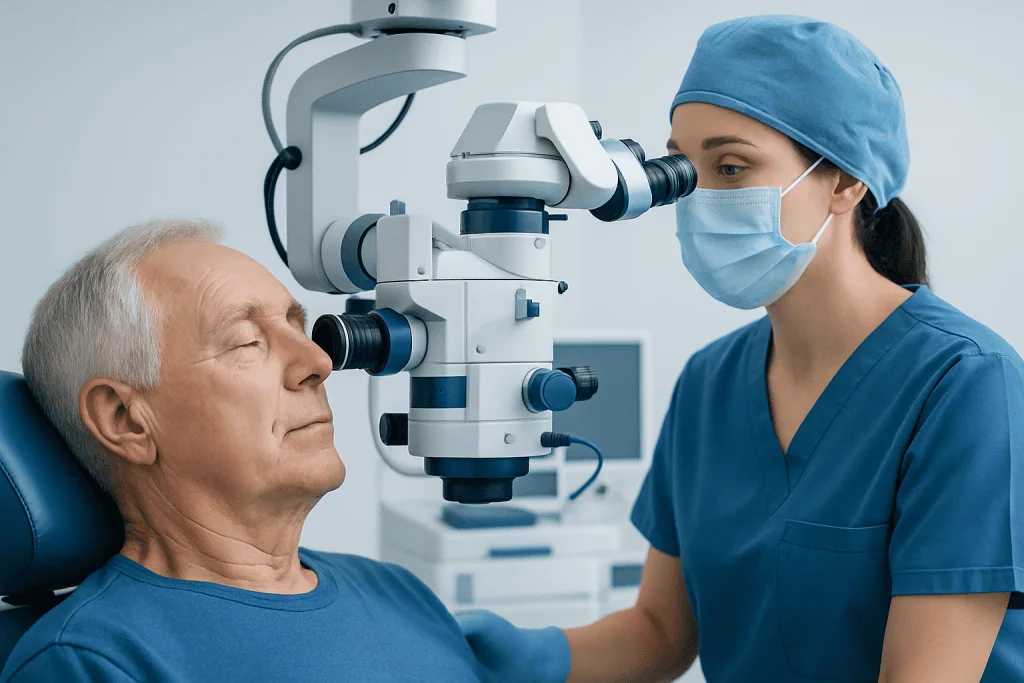
Candidacy is based on an eye examination rather than the pterygium’s size alone. The ophthalmologist assesses the location and thickness of the tissue, whether it is actively progressing, its effect on the corneal shape and refraction, and whether symptoms may instead be caused by dry eye, allergy, blepharitis or another surface-eye condition.
People may be suitable candidates when a pterygium approaches the visual axis, produces irregular astigmatism, repeatedly becomes red and uncomfortable despite conservative care, or is associated with meaningful visual or functional difficulties. Surgery can also be considered for cosmetic reasons after the benefits, limitations and possibility of recurrence have been discussed carefully.
Before surgery, patients should tell the eye team about all medicines, allergies, bleeding conditions, previous eye procedures and contact lens use. Active eye infection, significant uncontrolled inflammation or some medical conditions may need treatment or additional planning before an operation can be safely scheduled.
How Pterygium Surgery Works: Step by Step

Pterygium surgery is generally an outpatient procedure. The eye is numbed with anaesthetic drops and, in many cases, a local anaesthetic injection around the eye. Some patients may receive medication to help them relax. The person remains awake but should not feel pain; they may notice pressure, light or movement.
The surgeon gently separates the pterygium from the cornea and removes the abnormal tissue from the eye surface. To reduce recurrence, the exposed area is commonly covered with a conjunctival autograft. This graft is usually taken from beneath the upper eyelid, where it is not easily visible, and positioned over the surgical site.
The graft may be secured with very fine dissolvable sutures or with tissue adhesive. In selected cases, the surgeon may use other approaches, such as amniotic membrane grafting, depending on the size of the lesion, the available conjunctival tissue and whether the pterygium has returned after earlier treatment. The procedure often takes less than an hour, although timing varies with surgical complexity.
Afterward, the eye is usually covered briefly with a pad or shield. Patients need someone to take them home because vision can be blurred and driving is not appropriate immediately after surgery.
Benefits, Limitations and Possible Risks
The potential benefits of pterygium surgery include reduced irritation and redness, improved comfort, a more regular corneal surface and, when the pterygium has affected the cornea, better visual quality. Cosmetic improvement can also be important. Vision may not improve immediately, especially when pre-existing astigmatism, dry eye or another eye condition is present.
A key consideration is recurrence. A pterygium can grow back after surgery, particularly in people with ongoing exposure to strong sunlight, wind, dust or dry environments. Graft-based techniques have generally improved recurrence outcomes compared with simply removing the tissue and leaving the area uncovered, but no operation can eliminate recurrence risk completely.
Possible complications include infection, bleeding, prolonged inflammation, graft displacement, scarring, persistent redness, changes in corneal shape and, rarely, more serious effects on vision. The eye surgeon will explain the individual risks and the reasons for the recommended technique. Following postoperative instructions and attending reviews helps identify problems early.
Recovery Timeline and Aftercare
In the first few days, the operated eye commonly feels watery, gritty, light-sensitive or mildly sore. Redness and swelling are expected, and vision may be temporarily blurred. The eye specialist usually prescribes drops to prevent infection and control inflammation, along with clear instructions about how and when to use them.
Light household activities are often possible within a few days if the person feels comfortable. However, the eye should not be rubbed, and swimming, heavy lifting, strenuous exercise, smoky or dusty settings and eye makeup are usually avoided until the surgeon advises otherwise. A protective shield may be recommended while sleeping during the early healing stage.
Surface healing often progresses over several weeks. The white of the eye can remain noticeably red for weeks and sometimes longer, particularly where the graft was placed. Follow-up visits allow the surgeon to check graft position, healing, eye pressure and vision. Patients should use sunglasses that block ultraviolet light outdoors and consider wraparound styles for added protection from wind and dust.
Acibadem International’s ophthalmology teams in JCI-accredited hospitals can assess pterygium and coordinate surgical and follow-up care for international patients when treatment is appropriate.
How Many Days Should I Rest After Pterygium Surgery?
Most people need a few days of relative rest after pterygium surgery, although the exact timeframe depends on the procedure, the type of work they do and how the eye is healing. Desk-based work and quiet daily activities may be resumed within several days for some patients, while work involving dust, heavy physical effort, driving demands or outdoor sun and wind exposure may require more time away.
Rest does not usually mean staying in bed. It means avoiding eye strain and activities that could irritate the eye or disturb the graft. The surgeon’s instructions should take priority, especially if the eye remains painful, very red, light-sensitive or blurred.
Full comfort and cosmetic recovery take longer than the initial rest period. It is common for healing to continue for several weeks, so patients should plan follow-up appointments and avoid returning to higher-risk activities until cleared by their ophthalmologist.
How Painful Is Pterygium Surgery?
During pterygium surgery, local anaesthetic is used so the procedure should not be painful. People may feel pressure, awareness of touch or see bright lights, but sharp pain is not expected. If discomfort occurs during surgery, the patient should tell the surgical team promptly.
After the anaesthetic wears off, mild to moderate soreness, burning, grittiness, tearing and light sensitivity can occur, especially in the first few days. These symptoms are usually manageable with the postoperative plan provided by the ophthalmologist, which may include prescribed drops and appropriate pain relief advice.
Severe pain, pain that is worsening rather than improving, or pain with a sudden drop in vision is not typical and needs urgent assessment. Patients should contact their eye surgeon or seek prompt medical care rather than trying to manage significant symptoms alone.
Is Pterygium Surgery Worth It? What Does the Eye Look Like Afterwards?
Whether pterygium surgery is worth it depends on the reason for treatment. It may offer meaningful value when a pterygium threatens vision, changes the cornea, causes persistent symptoms or has a substantial impact on confidence and daily life. For a small, symptom-free and stable pterygium, observation and protective measures may be a reasonable option. An ophthalmologist can help weigh expected benefit against recurrence and surgical risks.
Immediately after surgery, the eye often looks red, swollen and watery. The graft may appear as a pale, slightly raised or irregular area on the white of the eye, and some bruising can occur. This appearance usually improves gradually as the tissue settles and healing progresses.
Redness can persist for several weeks and may fluctuate during recovery. Although many eyes eventually look much clearer, complete cosmetic normalization is not guaranteed, and a small amount of visible scarring or residual redness may remain. New or increasing redness, discharge, worsening swelling, marked pain or reduced vision should be reviewed promptly.
Frequently asked questions
Can pterygium grow back after surgery?
Yes. Recurrence is possible because the tissue can grow again after removal. Techniques using a conjunctival graft are commonly used to lower this risk, and protecting the eyes from ultraviolet light, wind and dust is important after healing.
Will pterygium surgery improve vision?
It may improve vision if the pterygium has distorted the cornea or begun to affect the visual axis. The degree of improvement varies, and vision can also be influenced by dry eye, cataract, refractive error or other eye conditions.
How long is vision blurry after pterygium surgery?
Blurred vision is common in the early days after surgery and can fluctuate while the eye surface heals. For many people it improves over days to weeks, but the exact course depends on the size of the pterygium, corneal healing and the surgical technique used.
Can I use my phone or computer after pterygium surgery?
Brief screen use may be possible when it feels comfortable, but frequent breaks are helpful because screens can worsen dryness and eye strain. Patients should avoid rubbing the eye and follow their surgeon’s advice about returning to normal visual activities.
When can I shower after pterygium surgery?
Showering is often allowed soon after surgery, but patients should avoid getting water, soap or shampoo directly into the operated eye during the early healing period. The surgical team will provide specific instructions, which should be followed closely.
When should I seek medical care after pterygium surgery?
Patients should contact their eye surgeon promptly for worsening or severe pain, a sudden decrease in vision, increasing redness or swelling, thick discharge, fever, or a feeling that the graft has moved. Urgent assessment is also important after an eye injury or if postoperative symptoms are worsening instead of gradually improving.
References
- American Academy of Ophthalmology
- National Eye Institute
- Mayo Clinic
- Royal College of Ophthalmologists
This article is for general information only and is not a substitute for professional medical advice. Please consult a qualified doctor about your individual situation.
Explore treatments in Turkey — costs, top hospitals & a free quote
JCI-accredited · board-certified surgeons · reply within 24h