Automatic Implanted Cardiac Defibrillator: An Evidence-Based Patient Guide

An ICD monitors the heart continuously and treats selected dangerous fast rhythms originating in the lower chambers of the heart. ICDs are used for some people who have survived cardiac arrest and for selected people at high risk because of heart failure, cardiomyopathy, inherited conditions, or prior ventricular arrhythmias.
Key Takeaways
- An ICD monitors the heart continuously and treats selected dangerous fast rhythms originating in the lower chambers of the heart.
- ICDs are used for some people who have survived cardiac arrest and for selected people at high risk because of heart failure, cardiomyopathy, inherited conditions, or prior ventricular arrhythmias.
- Implantation is usually performed in hospital under local anaesthesia with sedation, although individual plans vary.
- Recovery involves protecting the incision, attending device checks, and following temporary driving and arm-movement restrictions.
- An ICD does not cure the underlying heart condition, so medicines, lifestyle measures, and follow-up cardiac care remain important.
An automatic implanted cardiac defibrillator, more commonly called an implantable cardioverter-defibrillator (ICD), is a small device placed under the skin to continuously monitor the heart rhythm. It can deliver rapid pacing or an electrical shock when it detects certain life-threatening ventricular arrhythmias, helping protect people at increased risk of sudden cardiac death.
Overview: what an automatic implanted cardiac defibrillator does
An automatic implanted cardiac defibrillator is usually referred to clinically as an implantable cardioverter-defibrillator, or ICD. It is a battery-powered device, commonly placed beneath the skin below the collarbone, that continuously senses the electrical rhythm of the heart. If it identifies a potentially life-threatening rapid rhythm in the ventricles, the heart’s lower pumping chambers, it can act within seconds.
Depending on the rhythm, an ICD may first use painless or mildly noticeable rapid pacing impulses, called anti-tachycardia pacing, to stop it. If this is not effective or the rhythm is extremely fast, the device can provide a stronger electrical shock to restore a safer rhythm. Modern ICDs can also provide pacing when the heart rate is too slow and record rhythm information that helps the cardiology team guide ongoing care.
An ICD is not the same as an external automated defibrillator used in emergencies. It is also different from an ordinary pacemaker, although some devices combine ICD and pacemaker functions. The purpose is prevention or treatment of dangerous ventricular arrhythmias, including ventricular tachycardia and ventricular fibrillation, rather than treatment of every type of irregular heartbeat.
How an ICD works and who may be a candidate

The device consists of a small pulse generator and one or more insulated leads that connect it to the heart. The generator contains the battery, electronic circuitry, and memory. It analyses each heartbeat according to programmed settings tailored to the person’s condition. Some newer systems are placed beneath the skin without leads inside the heart; a cardiologist will advise whether this type is suitable.
An ICD may be considered for a person who has survived cardiac arrest caused by ventricular fibrillation or ventricular tachycardia without a reversible cause. It may also be recommended to prevent a first event in selected people with a substantially reduced pumping function of the heart, certain cardiomyopathies, inherited rhythm disorders, or other clinical features associated with higher risk.
Assessment is individual. The team considers heart function, symptoms, prior arrhythmias, imaging and rhythm-test results, current treatment, other medical conditions, and the person’s overall goals of care. In people with heart failure, an ICD may sometimes be combined with cardiac resynchronisation therapy, which coordinates the heart’s pumping pattern in appropriate candidates. Related rhythm and structural heart conditions may be evaluated alongside heart failure and cardiomyopathy care.
- ICDs are not routinely implanted solely because someone has palpitations or a common atrial rhythm disorder.
- Potentially reversible causes of an arrhythmia, such as a temporary electrolyte disturbance or acute heart attack, are evaluated first.
- Shared decision-making is important because the expected benefit, possible burdens, and follow-up needs differ from person to person.
The ICD implantation procedure: step by step
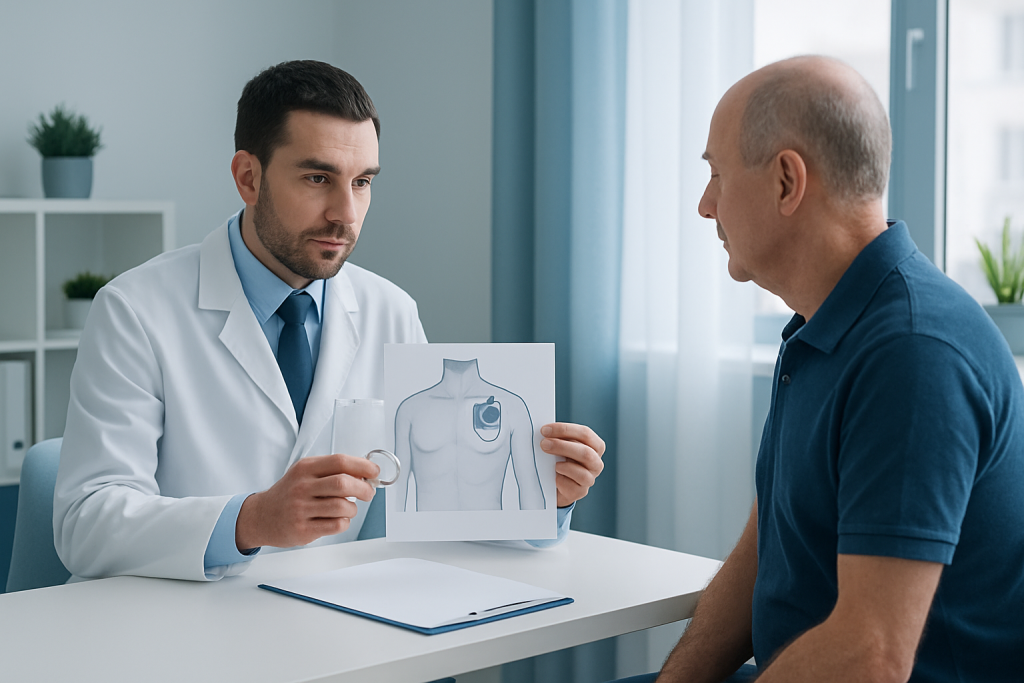
Before implantation, the cardiology or electrophysiology team reviews medical history, medicines, allergies, heart tests, and any need for blood-thinning treatment adjustments. Blood tests, an electrocardiogram, echocardiography, and chest imaging may be used when appropriate. Patients receive clear instructions about eating, drinking, and medicines before the procedure.
Most transvenous ICD implants take place in a cardiac procedure room under local anaesthesia and sedation. The clinician makes a small incision near the collarbone and guides the lead or leads through a vein into the heart using X-ray imaging. The generator is connected to the leads and placed in a pocket under the skin. The system is tested and programmed, then the incision is closed and covered with a dressing.
Some people need a subcutaneous ICD, in which the lead runs under the skin rather than through a vein and into the heart. This may be useful in particular circumstances, but it does not provide all pacing functions. The appropriate approach depends on the person’s rhythm needs, anatomy, infection risk, and long-term treatment plan. Implantation and follow-up are part of specialist cardiac electrophysiology care.
Many patients go home the same day or after an overnight stay, depending on their health, the type of device, and the procedure outcome. The team checks the wound, device function, and chest status before discharge when indicated.
Recovery timeline, follow-up, and daily life
In the first days after implantation, soreness, bruising, and mild swelling around the incision are common. Pain relief may be advised by the treating team. The wound should be kept clean and dry according to discharge instructions, and patients should contact the clinic if they notice increasing redness, warmth, drainage, fever, or worsening swelling.
For several weeks, people are commonly asked to avoid heavy lifting, strenuous upper-body activity, and repeated overhead movement of the arm on the implant side. These precautions help the incision heal and, for transvenous systems, allow leads to settle securely. Gentle walking is often encouraged, but the exact activity plan should come from the implanting team.
Follow-up appointments check healing, battery status, lead function, and stored rhythm information. Many ICDs can also be monitored remotely from home, although remote monitoring does not replace all in-person reviews. Battery longevity varies by device type and how often therapy is delivered; replacement of the generator is planned before the battery becomes depleted.
Most household appliances and consumer electronics are safe when used normally. People should keep magnets and strong electromagnetic sources away from the device and inform healthcare professionals, dentists, and security staff that they have an ICD. The device identification card should be carried, especially when travelling.
Benefits, limitations, and possible risks
The main benefit of an ICD is rapid treatment of selected life-threatening ventricular rhythms. For appropriately chosen patients, this can lower the risk of death from sudden cardiac arrest. The device may also provide valuable information about rhythm episodes and support treatment decisions during follow-up.
However, an ICD does not prevent every dangerous event and does not reverse the underlying cause of heart disease. Heart failure treatment, medicines, rehabilitation where recommended, management of blood pressure and other conditions, and healthy lifestyle measures remain essential. Some people also need treatment for coronary artery disease or other causes contributing to their arrhythmia risk.
Procedure-related risks include bleeding, bruising, infection, damage to a blood vessel or lung, lead displacement, and rarely injury to the heart. Longer-term issues can include lead problems, battery depletion, inappropriate therapy for a rhythm that does not require a shock, or emotional distress related to living with the device. These complications are not inevitable, but they should be discussed before implantation.
A shock can be painful and emotionally upsetting, even when it is appropriate and lifesaving. If a person receives a shock, their individual action plan should guide what to do next. In general, urgent assessment is needed after repeated shocks, a shock with chest pain, fainting, breathlessness, or ongoing symptoms.
Common questions about life with an ICD
What is the life expectancy after an ICD implant with heart failure? Life expectancy cannot be predicted from the ICD alone. It depends largely on the type and severity of heart failure, heart pumping function, kidney and lung health, other conditions, response to medicines, and whether serious arrhythmias occur. An ICD can reduce the risk of sudden death from certain ventricular arrhythmias, but it does not stop heart failure from progressing; regular follow-up and guideline-directed heart failure treatment remain important.
Why can’t you drive after a defibrillator implant? Driving restrictions are intended to protect the patient and others if a dangerous rhythm causes dizziness, loss of consciousness, or an ICD shock while driving. Restrictions also allow time to recover from the procedure and ensure the device is working appropriately. The required period differs by country, whether the ICD was implanted after a cardiac arrest or for prevention, and whether shocks or symptoms have occurred, so patients should follow their cardiologist’s advice and local licensing rules.
Is an ICD more serious than a pacemaker? Neither device is inherently “more serious,” but they are designed for different problems. A standard pacemaker mainly treats slow heart rhythms, while an ICD is used when there is concern about potentially life-threatening fast ventricular rhythms and can deliver shock therapy if needed. Some people need a device that provides both pacing and defibrillation functions.
What can you not do with a defibrillator? Immediately after implantation, heavy lifting and vigorous arm activity on the device side are usually restricted temporarily. Longer term, most everyday activities are possible, but contact sports, close or prolonged exposure to strong magnets, and work around powerful industrial electromagnetic equipment may need individual advice. Patients should never change their medicines, ignore symptoms, or assume a device check is unnecessary because they feel well.
When to seek medical care
Emergency medical help is needed for severe chest pain, severe breathlessness, fainting, persistent palpitations with feeling unwell, or symptoms of stroke. If an ICD delivers multiple shocks, or a shock is followed by persistent symptoms, emergency assessment is generally appropriate. If a person feels well after one shock, they should still contact their ICD clinic promptly for personalised advice.
Medical review is also important for possible wound infection or device-site concerns, including fever, increasing redness, drainage, significant swelling, or opening of the incision. New swelling of the arm on the implant side, unexplained fatigue, dizziness, or new heart failure symptoms should be reported to a healthcare professional.
People considering an ICD should discuss their risks, alternatives, and preferences with a cardiologist experienced in heart rhythm disorders. Acibadem International’s multidisciplinary specialists and JCI-accredited hospitals provide assessment and treatment for international patients requiring complex cardiac care, including implantable cardioverter-defibrillator treatment.
Frequently asked questions
Does an ICD shock every time the heart beats irregularly?
No. An ICD is programmed to identify specific fast rhythms, usually those arising from the ventricles, that may be dangerous. Many irregular rhythms do not trigger a shock, and the device may use rapid pacing before shock therapy when appropriate.
Can a person exercise with an ICD?
Many people can return to regular physical activity after healing and with approval from their cardiology team. The safest exercise level depends on the underlying heart condition, prior arrhythmias, device settings, and individual symptoms. Contact or collision sports may require special discussion because of possible damage to the device or leads.
How often does an ICD need to be checked?
The schedule is individual, but ICDs require regular clinic checks and may also be monitored remotely. These reviews assess battery level, lead performance, heart rhythm recordings, and device settings. A person should attend scheduled checks even if they have no symptoms.
Can mobile phones or airport security affect an ICD?
Most mobile phones and standard airport screening systems can be used safely with sensible precautions. Keeping a phone away from the implant site and not carrying it in a chest pocket over the device is commonly advised. Patients should show their device identification card to security staff and follow the instructions from their ICD clinic.
Will an ICD cure heart failure or cardiomyopathy?
No. An ICD protects against certain dangerous rhythm disturbances but does not cure heart failure or cardiomyopathy. Treatment of the underlying condition may include medicines, lifestyle measures, management of contributing conditions, and other cardiac procedures when indicated.
What happens when the ICD battery runs low?
The device identifies battery depletion well before it stops working during routine checks or remote monitoring. The generator can then be replaced in a planned procedure, while functioning leads may often remain in place. The timing and approach depend on the device system and the person’s clinical needs.
References
- American Heart Association
- Heart Rhythm Society
- European Society of Cardiology
- National Heart, Lung, and Blood Institute
- Mayo Clinic
This article is for general information only and is not a substitute for professional medical advice. Please consult a qualified doctor about your individual situation.
Heart care in Turkey — expert evaluation and treatment
JCI-accredited · board-certified surgeons · reply within 24h
Check your numbers in seconds
BMI, calories, due date, blood pressure and 30+ more clinical calculators — free, instant, doctor-reviewed ranges.